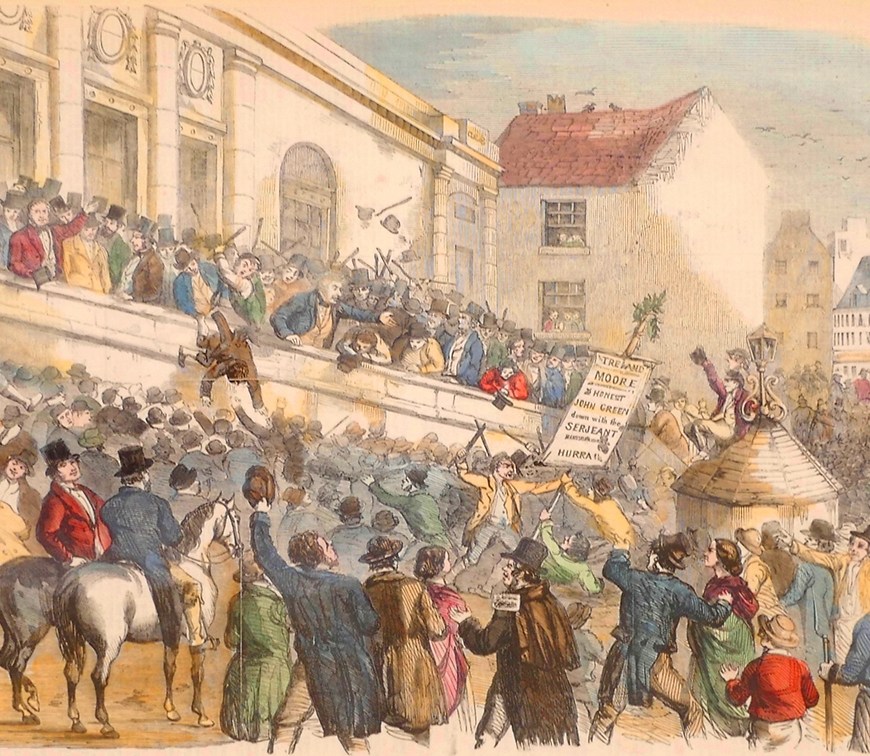
How many people could vote in the UK after the 1832 Reform Act?

As part of our series of ‘explainer’ articles, aimed at clarifying the workings of the United Kingdom’s historic political system, Dr Martin Spychal examines how many people could vote in the UK after the 1832 Reform Act. This article draws from a new dataset of voting information for each constituency between 1832 and 1867, which Martin has been developing for the History of Parliament’s Commons … Continue reading How many people could vote in the UK after the 1832 Reform Act?


Crossing the Floor: Tales from the Oral History Project

Following some recent, high-profile, political defections, Alfie Steer and Dr Emma Peplow have delved into the History of Parliament’s Oral History archive to explore historical cases of MPs changing their party affiliations: their causes, motivations and wider significance. Political defections, commonly known in Westminster parlance as ‘Crossing the Floor’, have been a phenomenon in Parliament since at least the 17th century. This has either happened … Continue reading Crossing the Floor: Tales from the Oral History Project

Steps towards identifying new Black voters in 18th-century Westminster and Hertfordshire

A few months ago, the History welcomed a guest post by Dr Gillian Williamson with her groundbreaking research into John London, to date the earliest known Black voter in Britain, who lodged his vote in the 1749 by-election for Westminster. In this latest post, Dr Robin Eagles explains the potential discovery of further Black voters taking part in the same contest and subsequent polls in … Continue reading Steps towards identifying new Black voters in 18th-century Westminster and Hertfordshire

Happy New Year from the Victorian Commons for 2026!

Here’s wishing all our readers a very enjoyable New Year! 2025 was a particularly memorable year for our 1832-68 House of Commons project and the History of Parliament. After 20 years based at Bloomsbury Square in the so-called ‘knowledge quarter’ around the British Museum, we sorted and packed decades of research materials and relocated to a new open-plan office at 14-18 Old Street in Islington. The volume … Continue reading Happy New Year from the Victorian Commons for 2026!

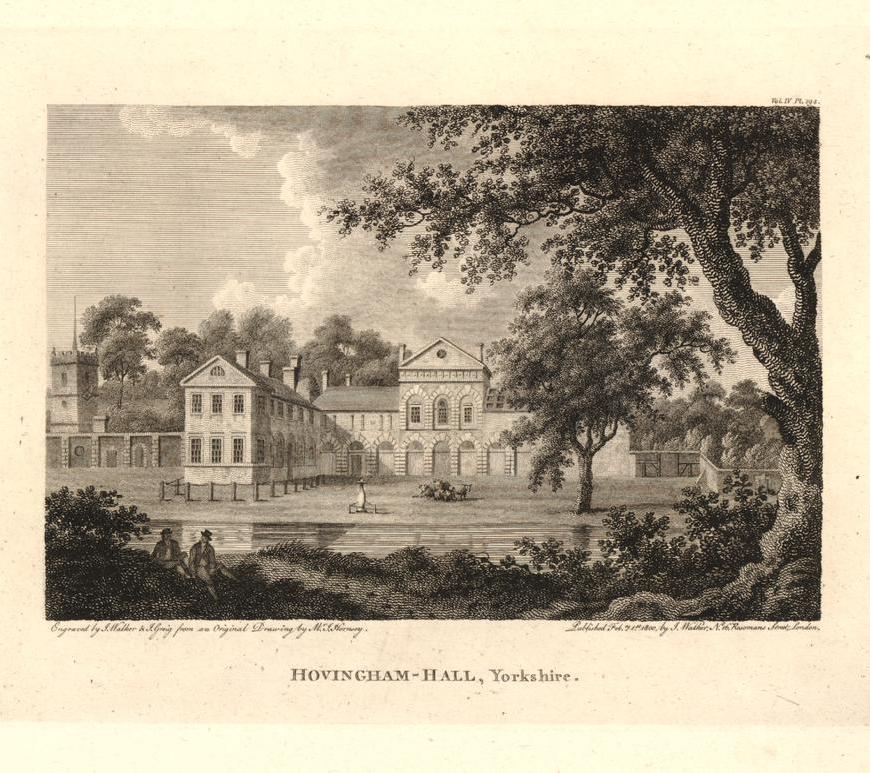
Descended from a giant: the Worsleys of Hovingham

The recent death of HRH the Duchess of Kent, who was married to the late queen’s cousin at York Minister in 1961, reminds us of her family’s long association with Yorkshire. This has included two brothers who served as archbishop of York and several members of her family who were elected to Parliament. Dr Robin Eagles considers the Worsley family’s connection with the north of … Continue reading Descended from a giant: the Worsleys of Hovingham

The 1872 Secret Ballot and Multiple Member Seats

In this post about the introduction of the ballot in UK elections, based on a seminar talk (click here to view), Dr Philip Salmon examines some of the problems secret voting initially caused and their unintended consequences. The Ballot Act of 1872 sits alongside the three major Reform Acts of the 19th century (and various Corrupt Practices Acts) in helping to transform British elections into … Continue reading The 1872 Secret Ballot and Multiple Member Seats

John Lewis: A Black Sailor at the 1828 Weymouth By-Election

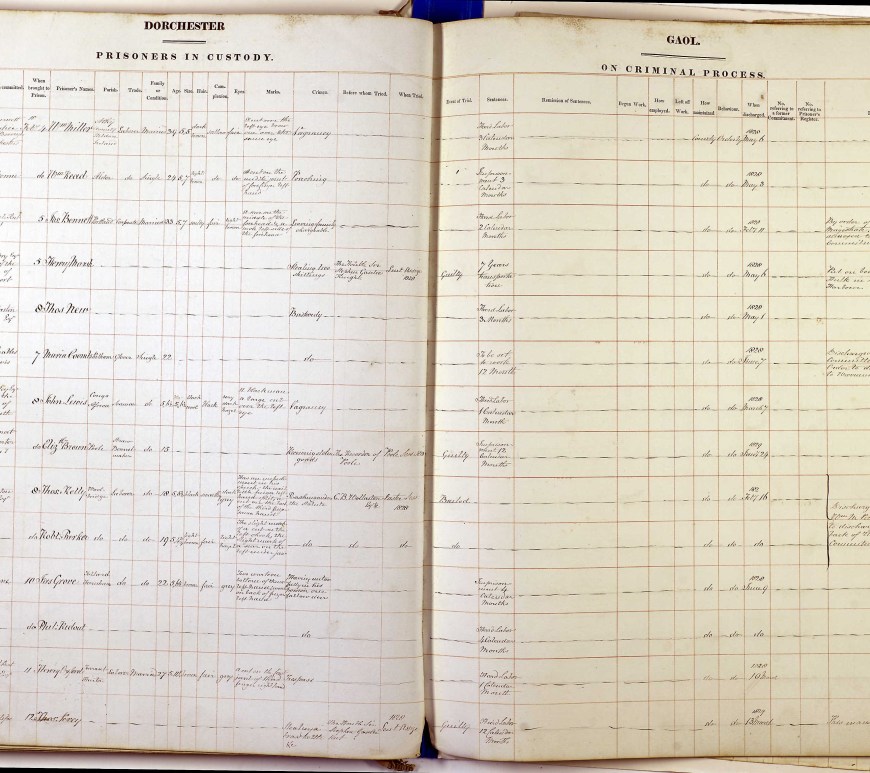
In this guest article Dr Joe Cozens discusses his research into John Lewis, a Black sailor who was arrested during the 1828 Weymouth by-election. Dr Cozens is a Nineteenth Century Social and Political Records Researcher at The National Archives, Kew. On the eve of the February 1828 Weymouth and Melcombe Regis by-election, a Black seaman named John Lewis was arrested for being ‘at the head … Continue reading John Lewis: A Black Sailor at the 1828 Weymouth By-Election

portrait of a young man in 18th-century dress

‘of all others most desirable’: Pitt the Younger and elections for Cambridge

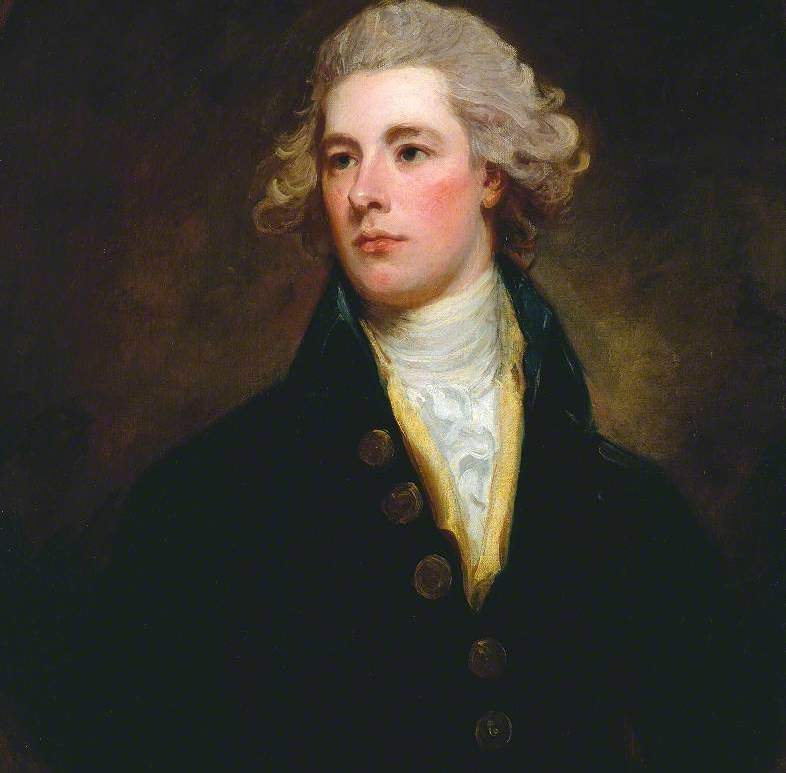
From the onset of his lengthy political career, William Pitt the Younger had his eyes fixed on representing his alma mater, the University of Cambridge. Writing to his mother in July 1779, he observed that the University seat was ‘of all others most desirable, as being free from expense, perfectly independent, and I think in every respect extremely honourable’. In this latest guest post for … Continue reading ‘of all others most desirable’: Pitt the Younger and elections for Cambridge

Painting of a man in 18th-century dress with a long grey wig, wearing a brown coat with a blue robe set among classical figures.

Some thoughts on William Pulteney, earl of Bath

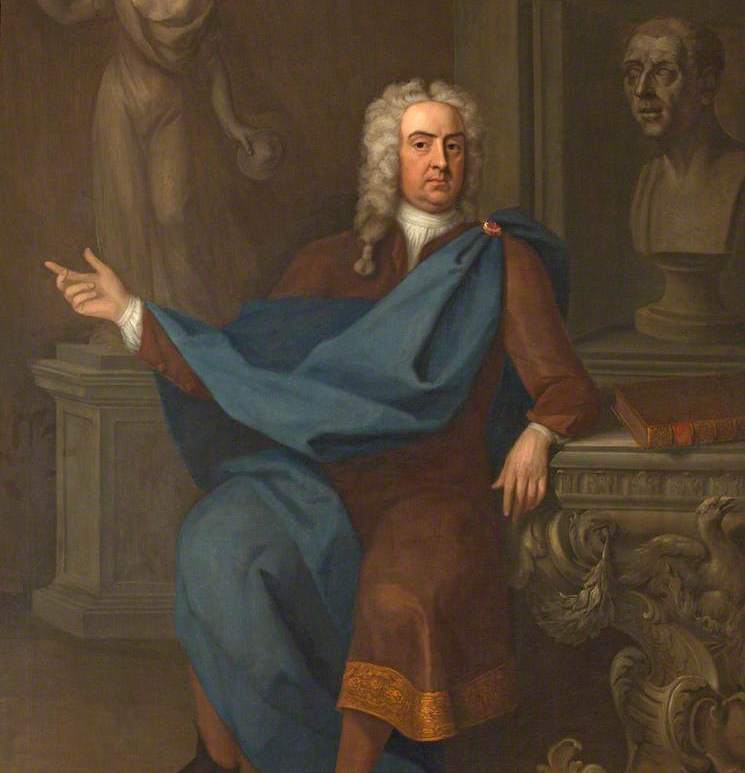
The 31 May 2025 marks Dr Stuart Handley’s last day at the History of Parliament. One of his last biographies for The House of Lords, 1715-90 has been William Pulteney, earl of Bath. It will be the third History of Parliament biography of Pulteney, his long career having been covered by Dr Andrew Hanham in The House of Commons, 1690-1715, and by Dr Romney Sedgwick … Continue reading Some thoughts on William Pulteney, earl of Bath

Conscience versus constituency: the dilemma facing Henry Charles Sturt MP

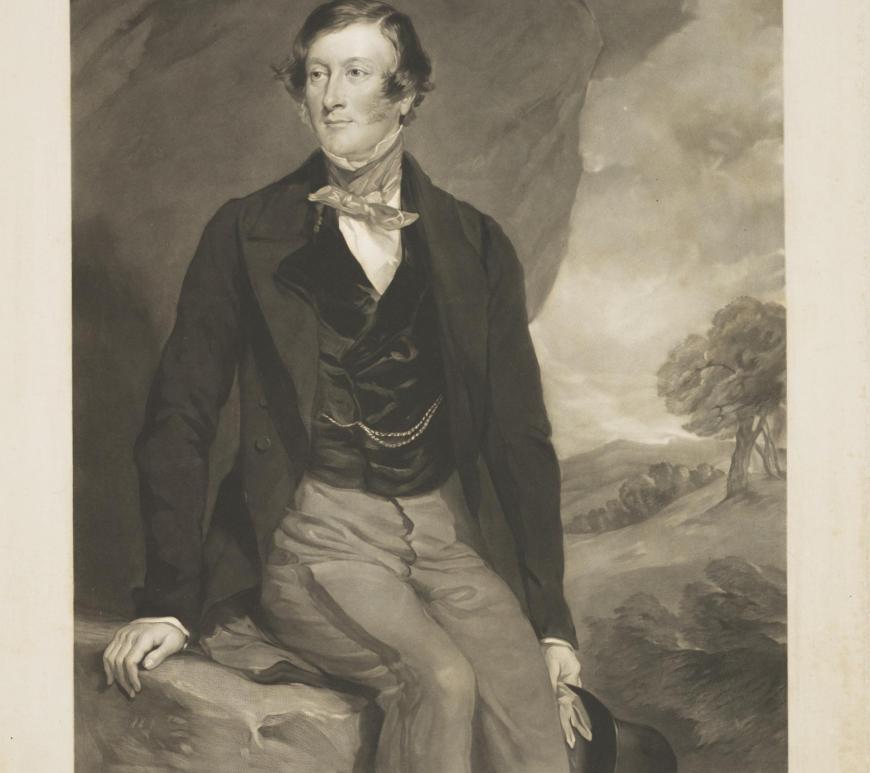
On the anniversary of his death on 14 April 1866, Dr Philip Salmon of the Victorian Commons reflects on the parliamentary career of Henry Charles Sturt, an MP with first-hand experience of the emerging pressures that pitted the needs of a constituency against toeing the party line … The Victorian Commons, as some of our recent articles have shown, was an important testing ground for … Continue reading Conscience versus constituency: the dilemma facing Henry Charles Sturt MP