
Crossing the Floor: Tales from the Oral History Project

Following some recent, high-profile, political defections, Alfie Steer and Dr Emma Peplow have delved into the History of Parliament’s Oral History archive to explore historical cases of MPs changing their party affiliations: their causes, motivations and wider significance. Political defections, commonly known in Westminster parlance as ‘Crossing the Floor’, have been a phenomenon in Parliament since at least the 17th century. This has either happened … Continue reading Crossing the Floor: Tales from the Oral History Project

England, Scotland and the Treaty of Union, 1706-08

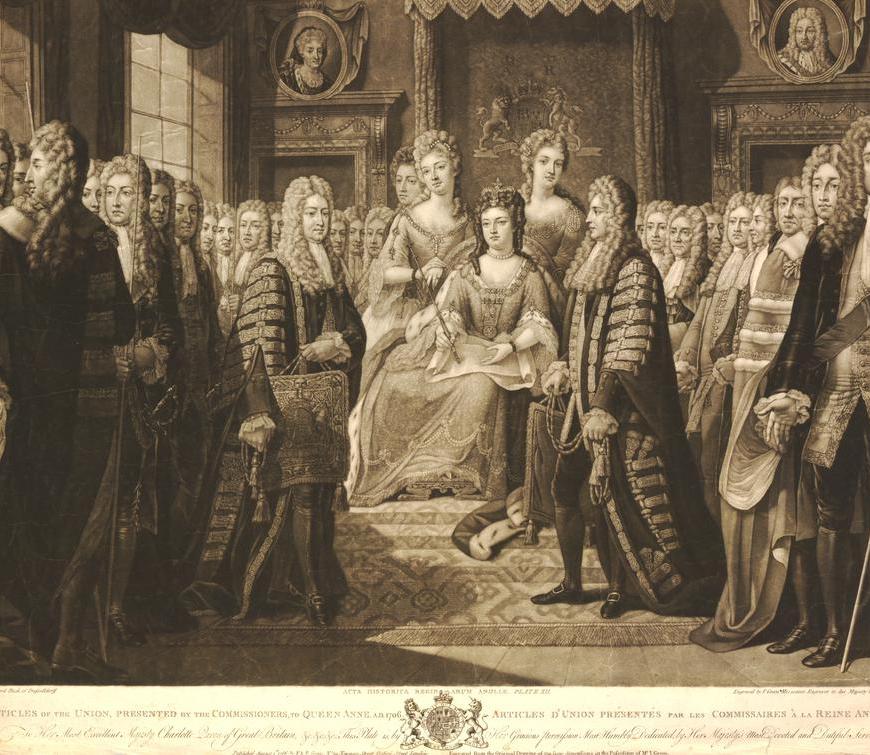
In 1707, under the terms of the Treaty of Union, England and Scotland became a single state – the United Kingdom of Great Britain – and the parliaments at Westminster and Edinburgh were replaced by a single ‘Parliament of Great Britain’. The arrangements for establishing the new parliament were set out in Article 22 of the Treaty. The wording of the Treaty made no mention … Continue reading England, Scotland and the Treaty of Union, 1706-08

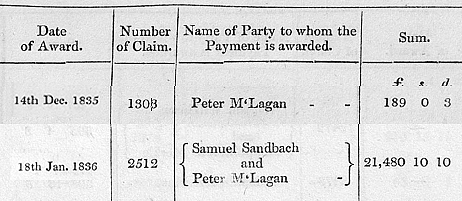
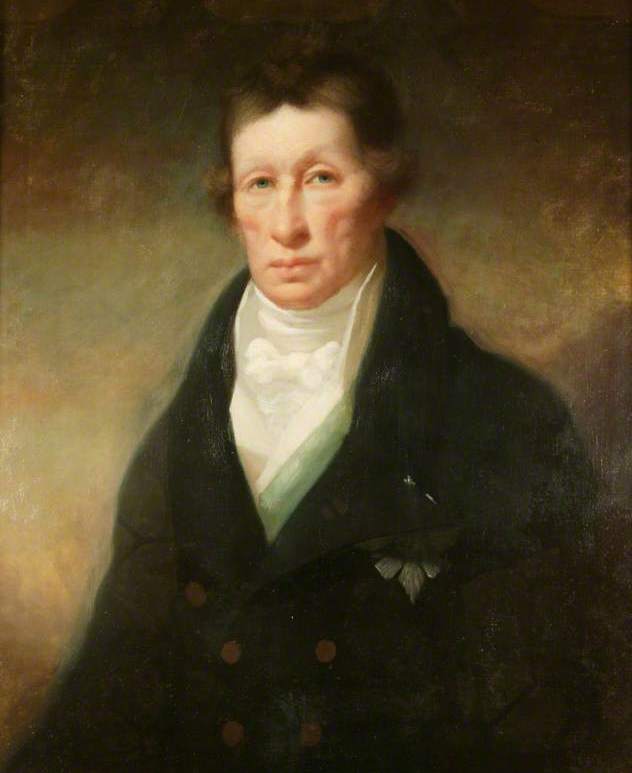
Peter McLagan senior (1774-1860): enslaver, plantation owner and landed proprietor

Dr Martin Spychal explores the life of Peter McLagan senior (1774-1860). A farmer’s son from Perthshire, McLagan senior acquired considerable wealth as an enslaver and plantation owner in Demerara (modern-day Guyana) during the early nineteenth century. He received extensive ‘compensation’ under the terms of the 1833 Abolition of Slavery Act. Continue reading Peter McLagan senior (1774-1860): enslaver, plantation owner and landed proprietor

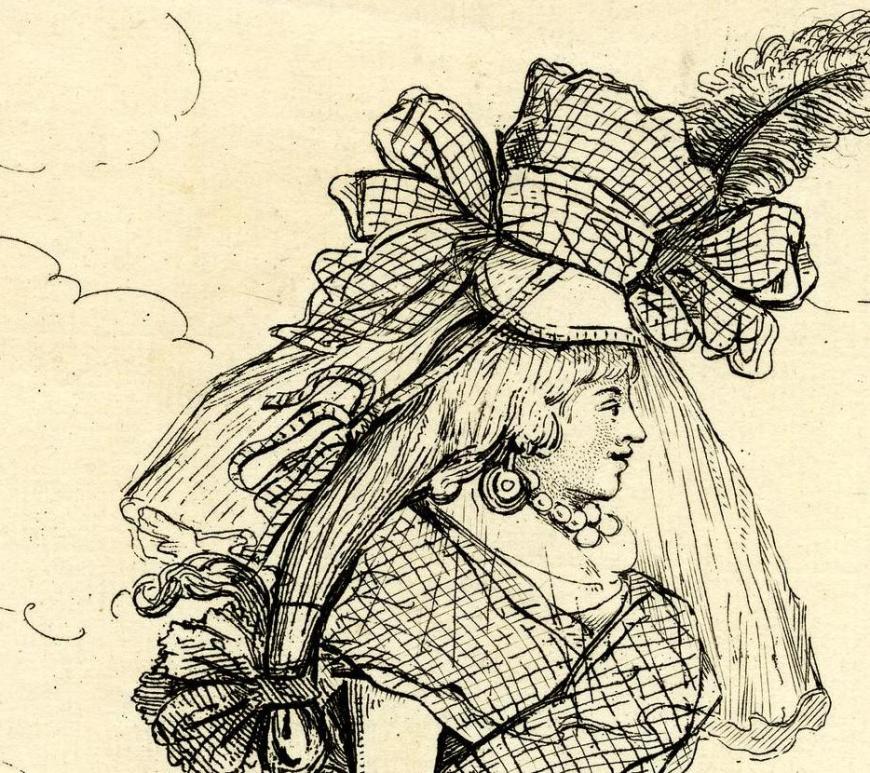
‘The Tartan Rage’: Fashion, High Society, and Scottish Identity in Eighteenth-Century London

At the IHR Parliaments, Politics and People seminar on Tuesday 25 November, Dr Natalee Garrett of The Open University, will be discussing Jane, duchess of Gordon and the Romanticisation of Scottish Identity in London, c.1780-1812. The seminar takes place on 25 November 2025, between 5:30 and 6:30 p.m. It will be hosted online via Zoom. Details of how to join the discussion are available here. ‘The … Continue reading ‘The Tartan Rage’: Fashion, High Society, and Scottish Identity in Eighteenth-Century London

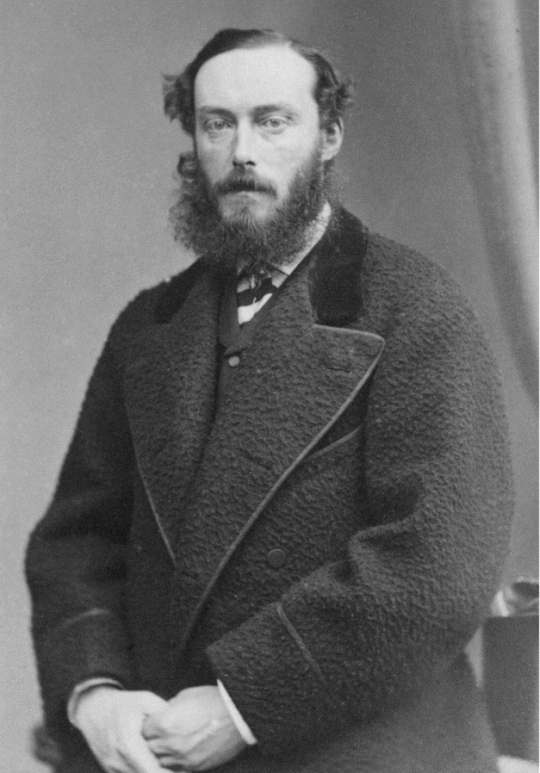
James Lamont (1828-1913), Arctic explorer and scientist

Our 1832-68 House of Commons project has researched many MPs who were better known for their exploits outside Parliament than in the Commons. In this guest article, Dr Matthew McDowell, of the University of Edinburgh, who has contributed to our 1832-68 project with articles on Buteshire and its MPs, explores the career of the noted Arctic explorer James Lamont. At only four years old, a … Continue reading James Lamont (1828-1913), Arctic explorer and scientist

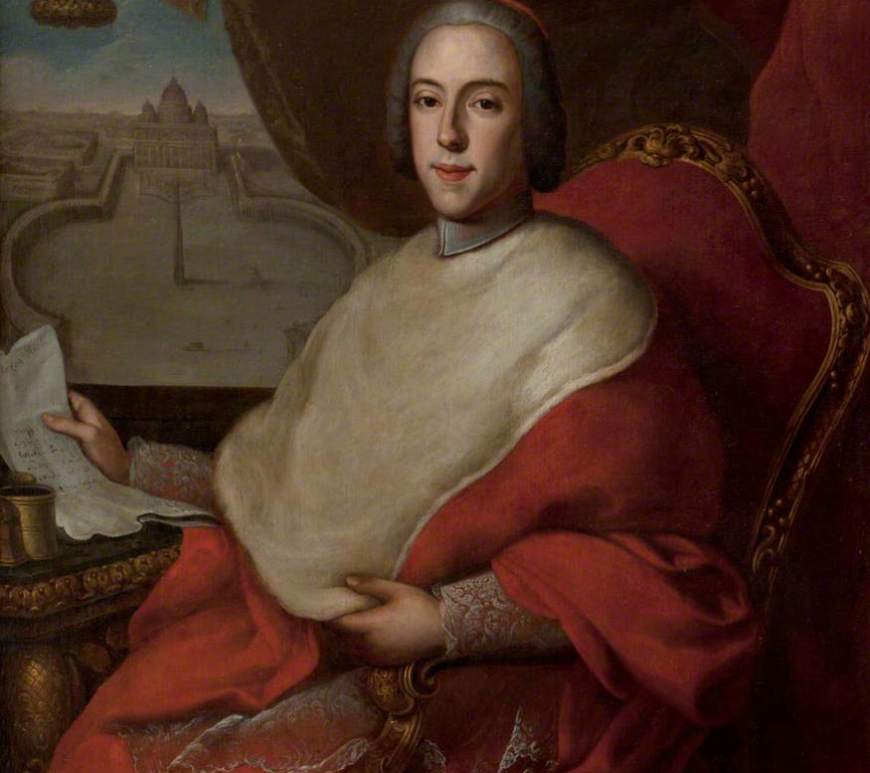
The Last of the Jacobites: Henry Benedict

Henry Benedict, Cardinal York (1725-1807), born 300 years ago this March, was the last member of the royal family to take an active role in a papal Conclave, when he participated in the election of Pope Pius VII at Venice in 1800. Dr Robin Eagles investigates how he found himself in that position… On 6 March 1725, Pope Benedict XIII (1724-30) was roused from a … Continue reading The Last of the Jacobites: Henry Benedict

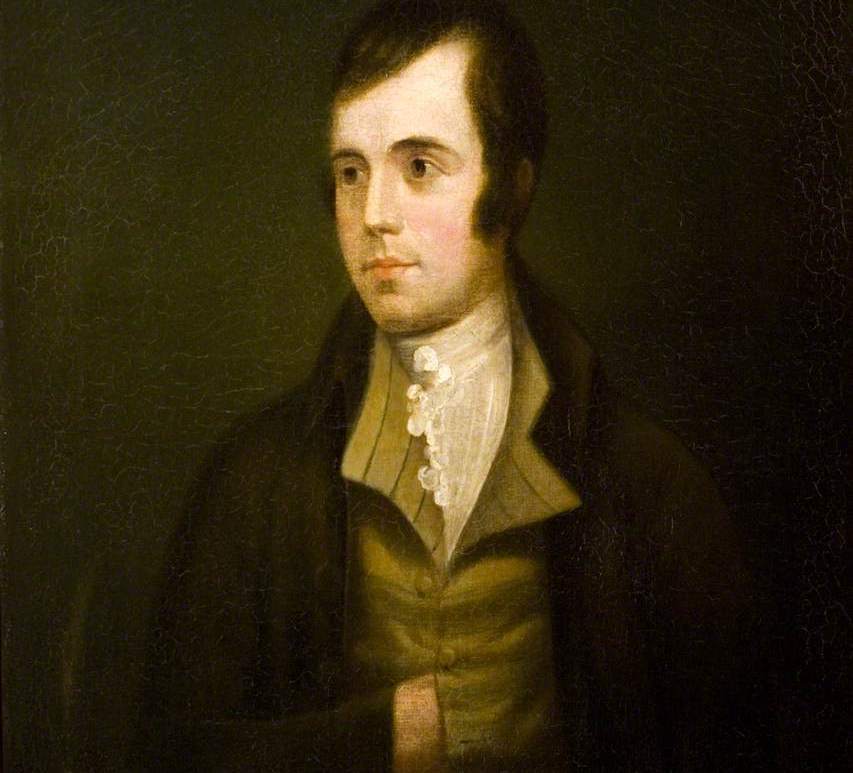
Portrait of a young man with dark hair wearing 18th-century clothing, a dark coat and a buff waistcoat

Robert Burns in Edinburgh: peers, patrons, and politics

In the wake of Burns Night, it is worth considering how the patronage of a small number of Scottish nobles helped Robert Burns become established as the national bard. In his latest piece for the Georgian Lords, Dr Charles Littleton, considers the important role played by a clutch of elite Scots families. Burns first published his Poems, Chiefly in the Scottish Dialect, in Kilmarnock in … Continue reading Robert Burns in Edinburgh: peers, patrons, and politics

Did you know, Lord George Gordon had two brothers?

In his latest post for the Georgian Lords, Dr Stuart Handley looks into the family of the notorious Lord George Gordon, who was at the centre of the political storm that resulted in the 1780 ‘Gordon Riots’ that rocked London and other British towns and cities… The recent riots engulfing parts of Britain have rekindled interest in the propensity of the populace to riot during … Continue reading Did you know, Lord George Gordon had two brothers?

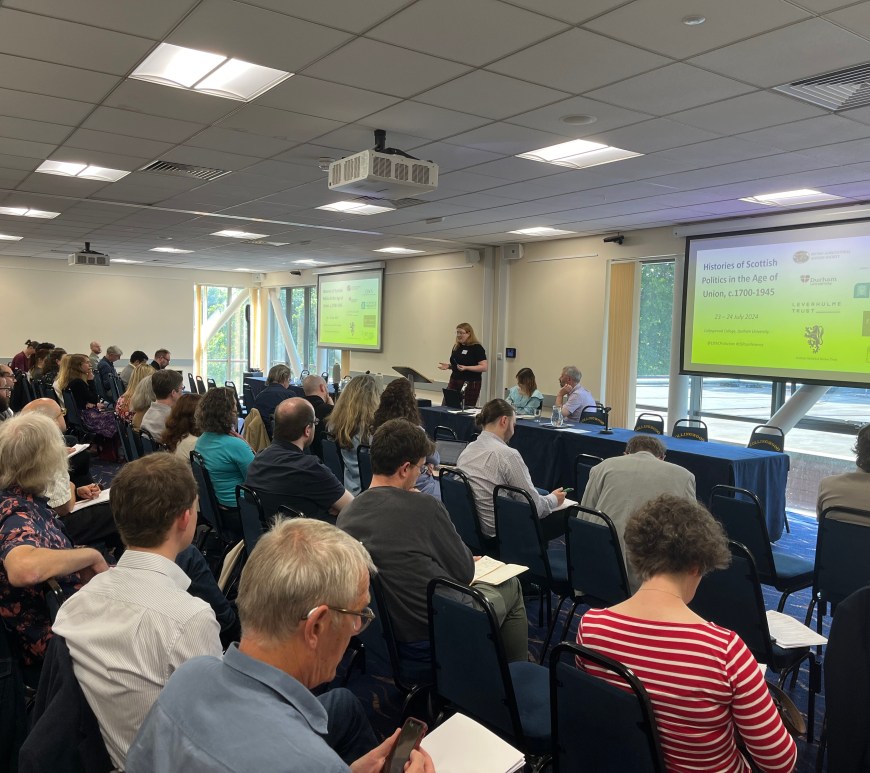
Conference Review: Histories of Scottish Politics in the Age of Union, c.1700-1945

23-24 July 2024 Collingwood College Durham In July 2024, the History of Parliament Trust supported the two-day conference Histories of Scottish Politics in the Age of Union, c., 1700-1945, held at Durham University and organised by Naomi Lloyd-Jones. In this blog, Brendan Tam, one of the speakers, reflects on the event and on the state of Scottish and British political history. Ewen Cameron’s keynote address … Continue reading Conference Review: Histories of Scottish Politics in the Age of Union, c.1700-1945

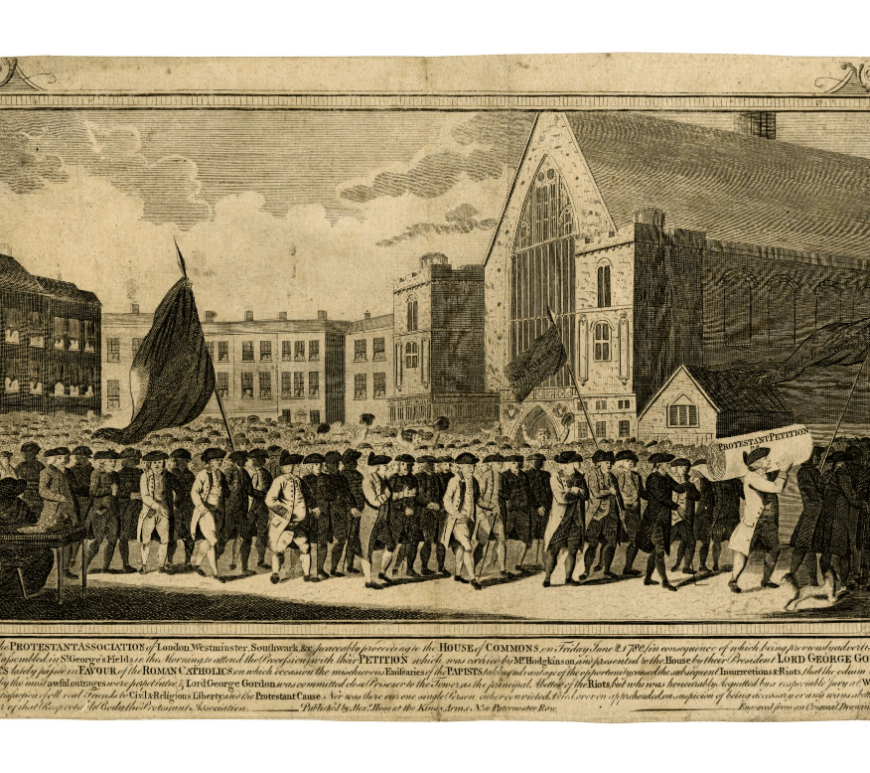
The day Parliament was invaded

In the summer of 1780 London, and several other cities across England, experienced some of the worst rioting they had seen in a generation, following the presentation of a petition to Parliament calling for the repeal of the Catholic Relief Act. In the latest post for the Georgian Lords, Dr Robin Eagles considers the evidence of Lord George Gordon’s trial report and the insights it … Continue reading The day Parliament was invaded