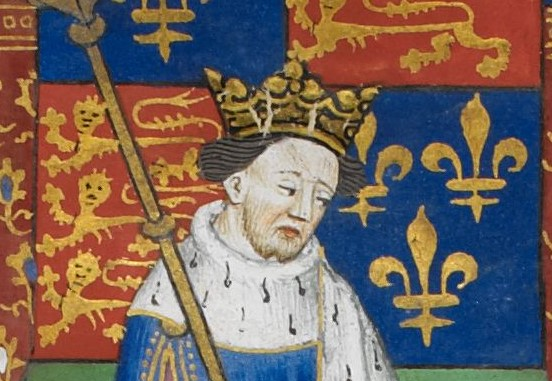
The true beginning of troubles? The Parliament of Bats, 1426

Dr Hannes Kleineke explores the acrimonious ‘Parliament of Bats’, which first met in Leicester on this day 600 years ago, amidst tensions between two of Henry VI’s closest political advisors. At the end of 1425, just three years into the reign of the infant Henry VI, the English polity, such as it was, was in turmoil. Although arrangements for the conduct of government during the … Continue reading The true beginning of troubles? The Parliament of Bats, 1426

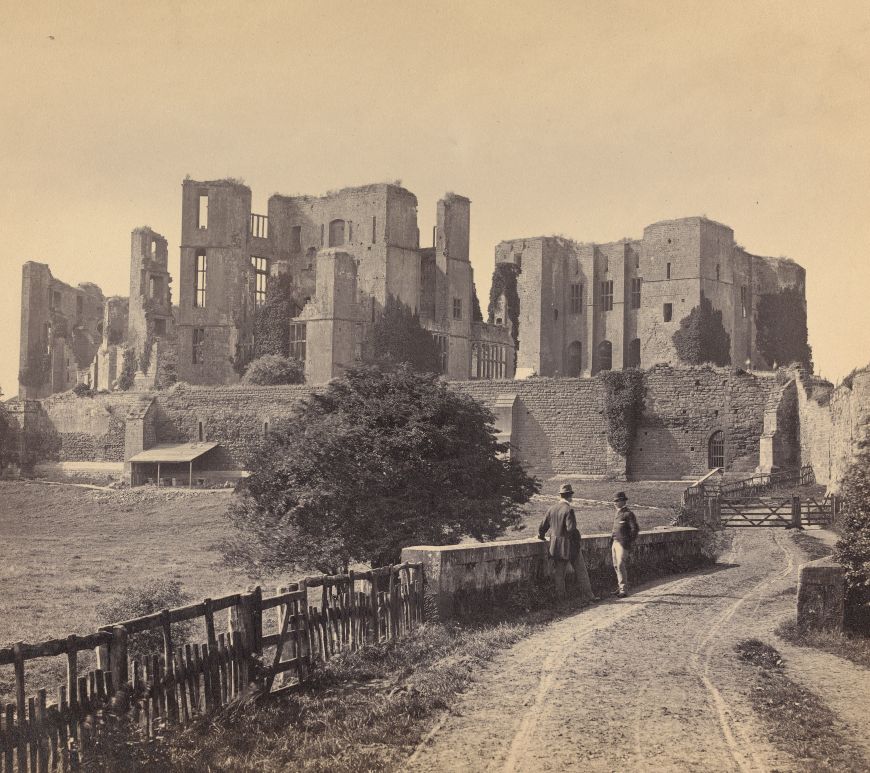
A Lancastrian City? Coventry and the Wars of the Roses, 1451-1471

This piece is in memory of Professor Peter W. Fleming, who died in April 2025. His publishing career spanned 40 years, from an article on the religious faith of the gentry of Kent in 1984 to a defining monograph on the history of late-medieval Bristol in 2024.  His career would have been yet more notable but for the ill-health that blighted his last years.  A … Continue reading A Lancastrian City? Coventry and the Wars of the Roses, 1451-1471

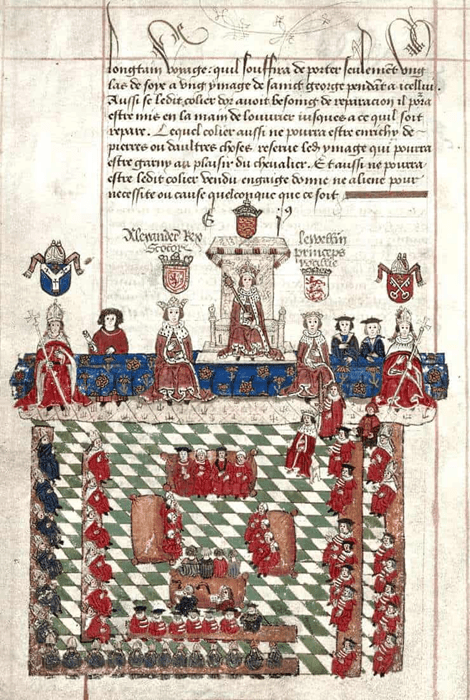
Parliament and Politics in the Later Middle Ages

Dr Simon Payling, of our 1461-1504 section, tracks the development of Parliament and Politics in the Later Middle Ages, from its Anglo-Saxon roots to the more formal split between the House of Commons and House of Lords that we recognise today… All long-lived institutions have their antecedents, and the antecedents of Parliament (or, perhaps more accurately put, the origins of the House of Lords) are … Continue reading Parliament and Politics in the Later Middle Ages

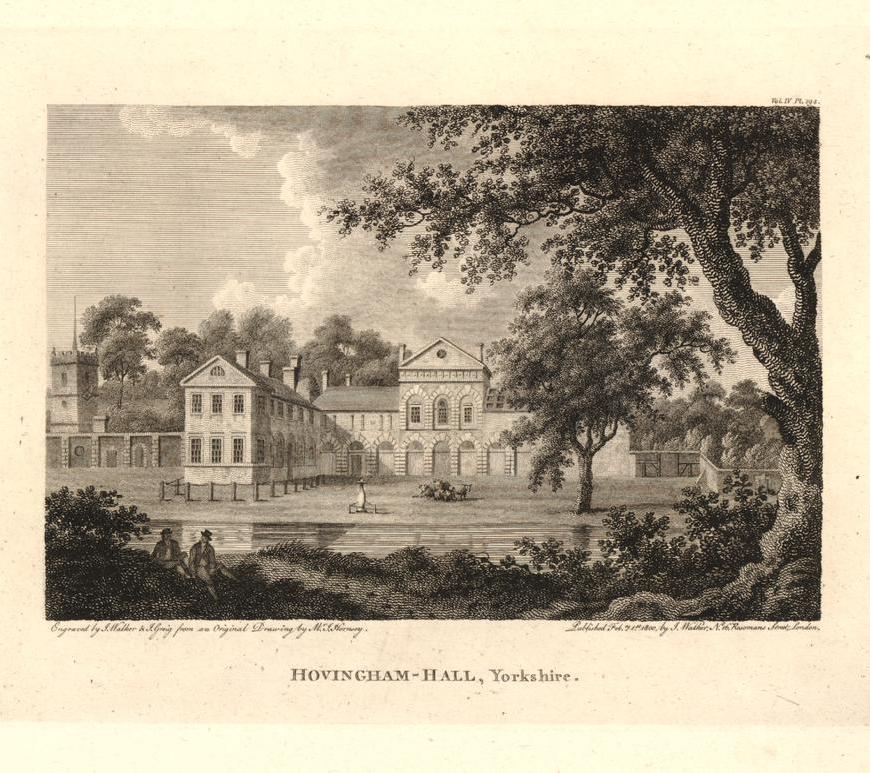
Descended from a giant: the Worsleys of Hovingham

The recent death of HRH the Duchess of Kent, who was married to the late queen’s cousin at York Minister in 1961, reminds us of her family’s long association with Yorkshire. This has included two brothers who served as archbishop of York and several members of her family who were elected to Parliament. Dr Robin Eagles considers the Worsley family’s connection with the north of … Continue reading Descended from a giant: the Worsleys of Hovingham

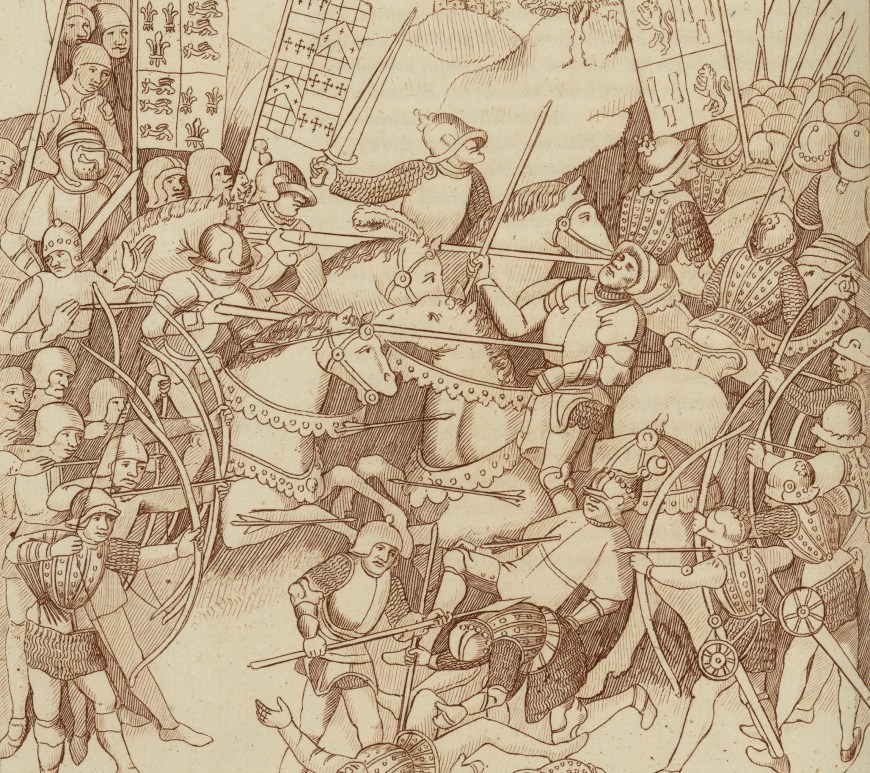
‘One of the wyrste bataylys that ever came to Inglonde, and unkyndyst’: The battle of Shrewsbury on 21 July 1403

Dr Simon Payling, of our Commons 1461-1504 section, explores the background and significance of the battle of Shrewsbury, which took place on this day in 1403. In defeating the rebellion of the Percys at the battle of Shrewsbury, Henry IV overcame an existential threat to the infant Lancastrian regime. It was a threat that came upon him suddenly and undeservedly. The rebellion had but one cause, … Continue reading ‘One of the wyrste bataylys that ever came to Inglonde, and unkyndyst’: The battle of Shrewsbury on 21 July 1403

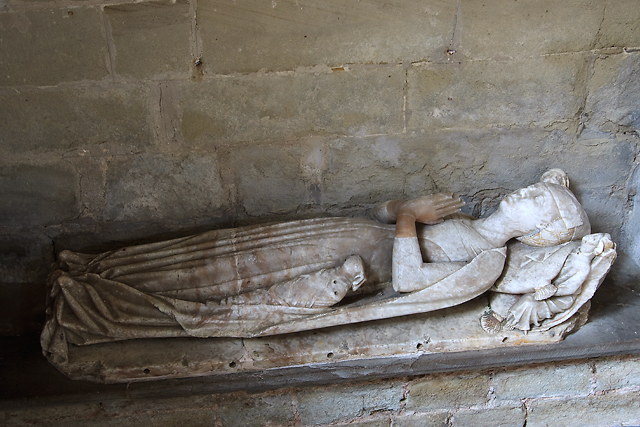
The story of a manor in memorials: the early tombs in the Shropshire church of Kinlet

The Shropshire church of Kinlet stands isolated in parkland, the village it once served re-sited in the early-eighteenth century on the building of the still-extant Kinlet Hall. It contains a fine series of memorials, the two earliest of which mark the end of one Kinlet dynasty, the Cornwalls, and the beginning of another, the Blounts. The first commemorates an early-fifteenth century heiress of the manor, … Continue reading The story of a manor in memorials: the early tombs in the Shropshire church of Kinlet

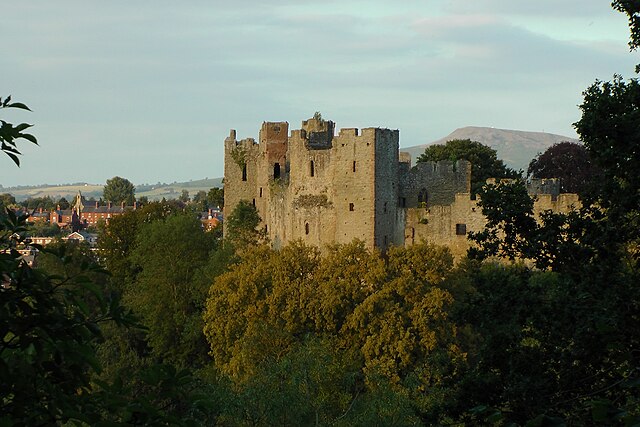
The Making of a Marcher Town: Ludlow and the Wars of the Roses

Dr Simon Payling, of our Commons 1461-1504 section, explores the crucial role of the Shropshire town of Ludlow during the Wars of the Roses. Political geography ensured that the town of Ludlow would, for good or ill, play some part in the great civil conflict that began when its lord, Richard, duke of York, moved into active opposition to the government of his cousin, Henry VI. … Continue reading The Making of a Marcher Town: Ludlow and the Wars of the Roses

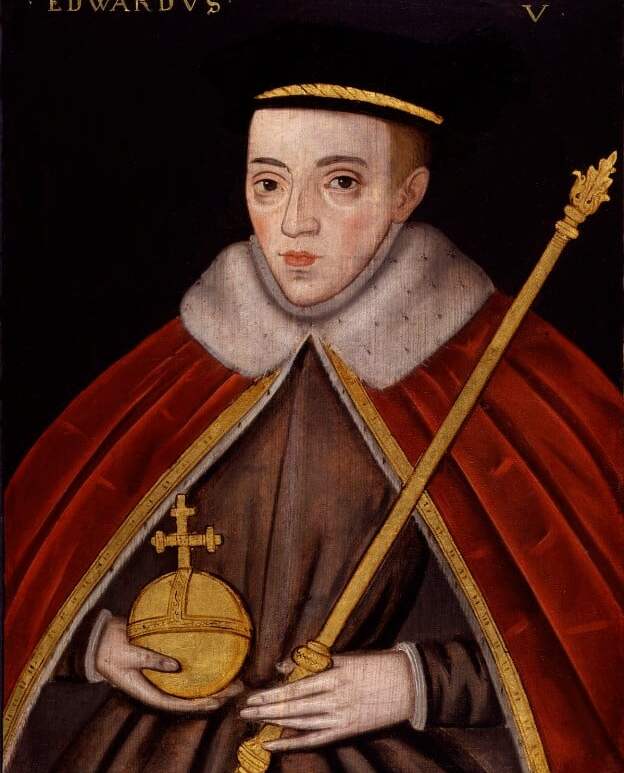
Almost a Parliament: Edward V’s assembly of 25 June 1483

The death of Edward IV on 9 April 1483 saw the accession of his son Edward V to the English throne. However, as Dr Hannes Kleineke of our Commons 1461-1504 Section explores, it was only two months later that he would be deposed… To the parliamentary historian, the assembly summoned in the late spring of 1483 in the name of the young Edward V presents … Continue reading Almost a Parliament: Edward V’s assembly of 25 June 1483

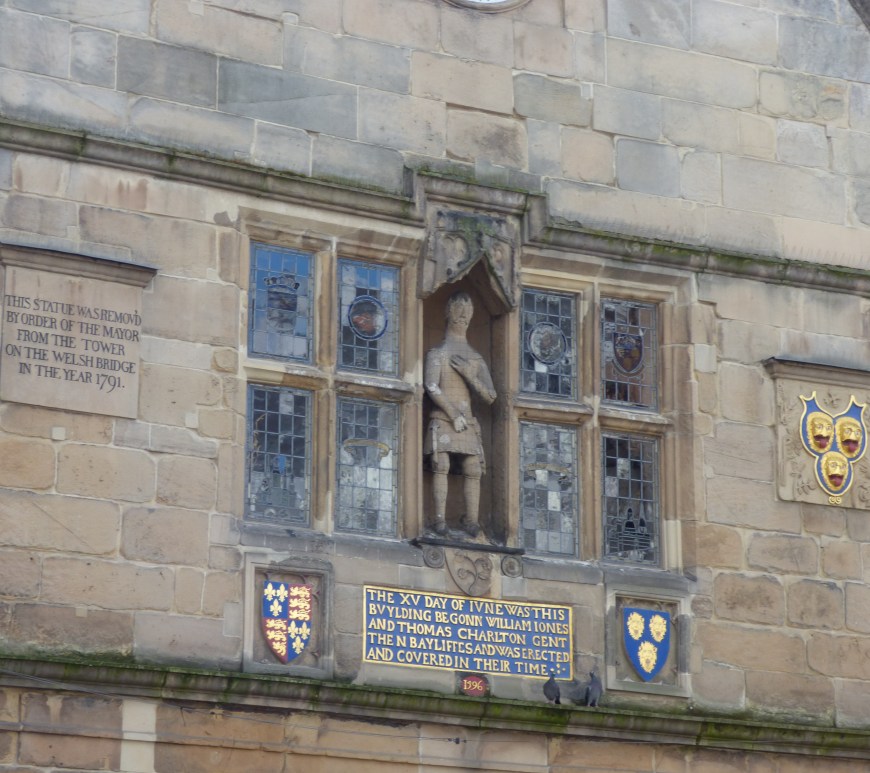
The town of Shrewsbury and the Wars of the Roses: The campaigns of 1459-61

Dr Simon Payling, of our Commons 1461-1504 section, explores the political allegiance of the Shropshire town of Shrewsbury during the Wars of the Roses. While, during the Wars of the Roses, the political allegiances of individual noblemen are relatively easy to determine, those of individual towns are generally obscured. This is not surprising, for the notion of the corporate allegiance of a town is a … Continue reading The town of Shrewsbury and the Wars of the Roses: The campaigns of 1459-61

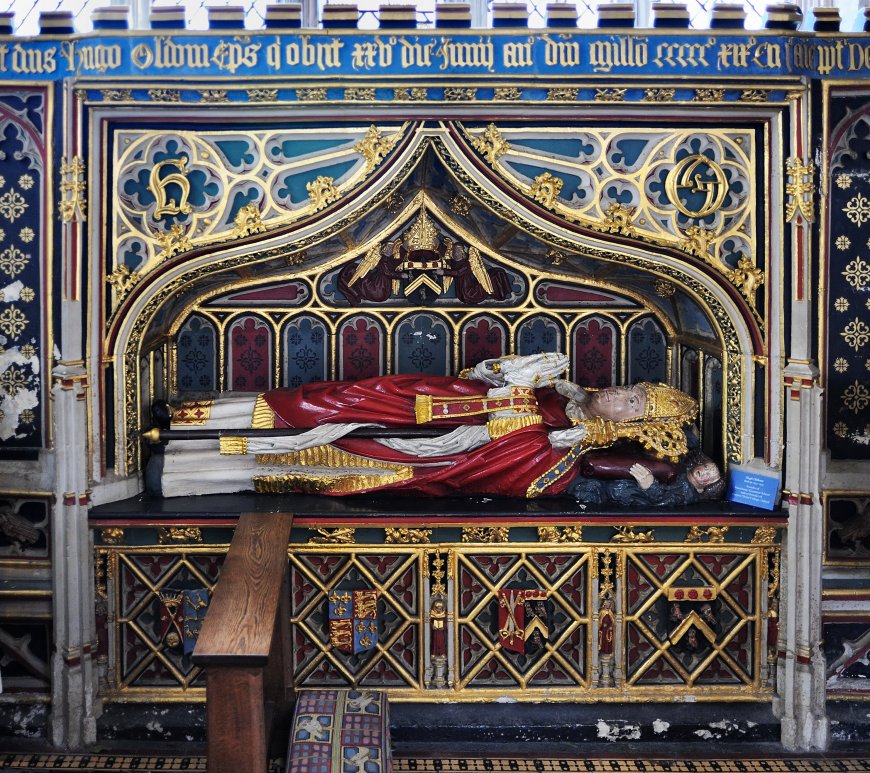
Hugh Oldham, bishop of Exeter, ‘hath more poison in that grete fowle bely of hys then all the Bysshoppes in Englond’: scandalum magnatum in early-sixteenth century England

For the first article of 2025, Dr Simon Payling of our Commons 1461-1504 Section, explores the use of a unique form of medieval defamation law in the early 16th century. Hugh Oldham (c.1450-1519), bishop of Exeter from 1505, has had a good press from historians. Described by the Exeter MP and chronicler, John Hooker alias Vowell (d. 1601), ‘as a great favourer and a friend … Continue reading Hugh Oldham, bishop of Exeter, ‘hath more poison in that grete fowle bely of hys then all the Bysshoppes in Englond’: scandalum magnatum in early-sixteenth century England