Putting ‘spirit in the conduct of the war’: the November 1775 government reshuffle

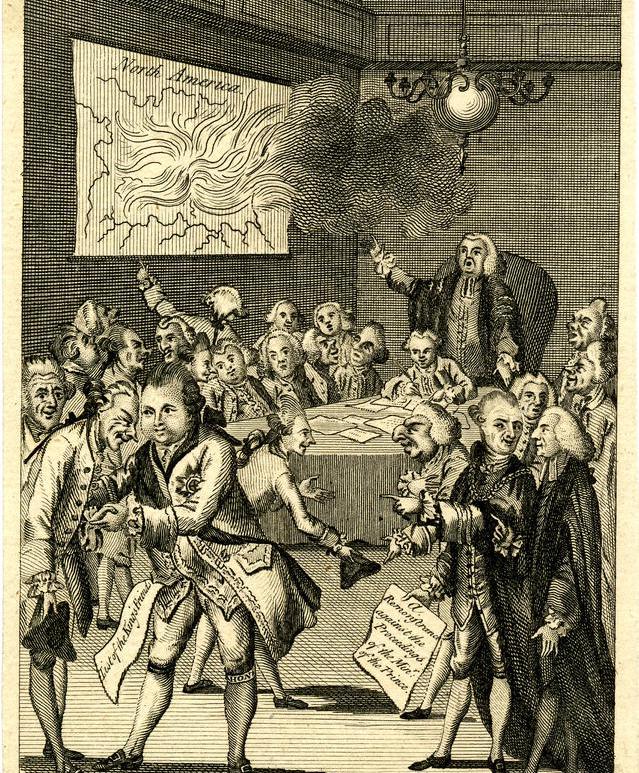
In his last post for the Georgian Lords, From bills to bullets: Spring 1775 and the approach to war in America, on the advent of the American War of Independence, Dr Charles Littleton left things hanging with the prorogation on 26 May 1775. Now, he continues the story into the autumn with the declaration of war and a key government reshuffle. Following the prorogation of … Continue reading Putting ‘spirit in the conduct of the war’: the November 1775 government reshuffle

From bills to bullets: Spring 1775 and the approach to war in America

A recent article in this series [Background to the American Revolution] looked at the debates in the House of Lords in early February 1775 on a bill for conciliation with the American colonies. After its rejection the imperial crisis continued to occupy the House’s attention. In the latest post for the Georgian Lords, Dr Charles Littleton considers the debates and divisions occasioned by the addresses, … Continue reading From bills to bullets: Spring 1775 and the approach to war in America

Bloomsbury Square and the Gordon Riots

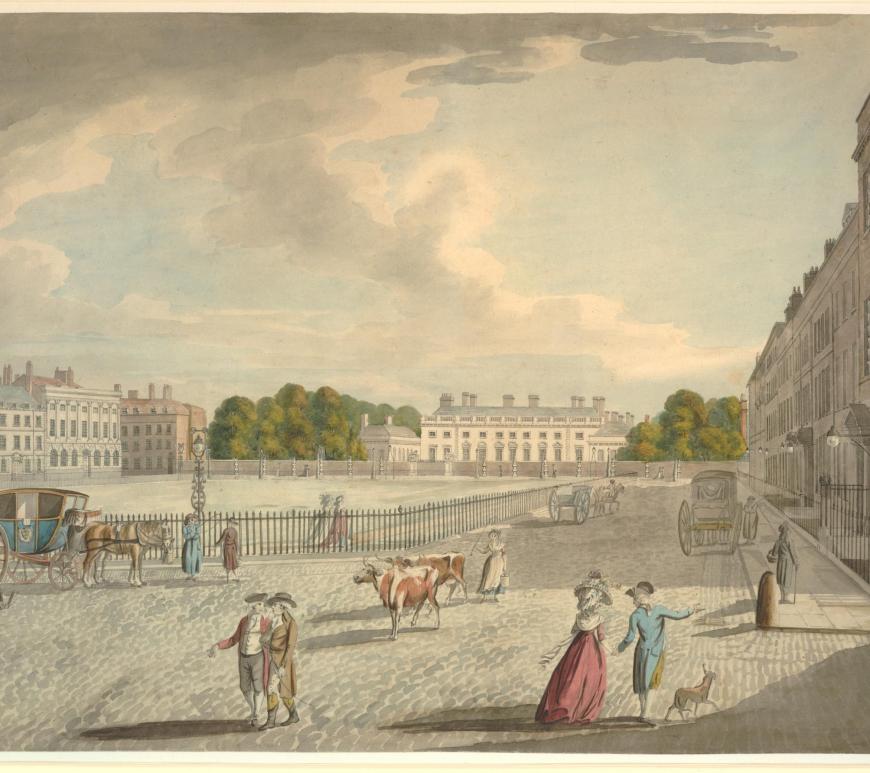
For almost 20 years, Bloomsbury Square has been the home to the History of Parliament. In the latest post for the Georgian Lords, Dr Robin Eagles considers the history of the square in one of its most turbulent periods. Bloomsbury Square, and its immediate surroundings, have long been associated with prominent political figures. In 1706, several peers had residences in the square, notably the (2nd) … Continue reading Bloomsbury Square and the Gordon Riots

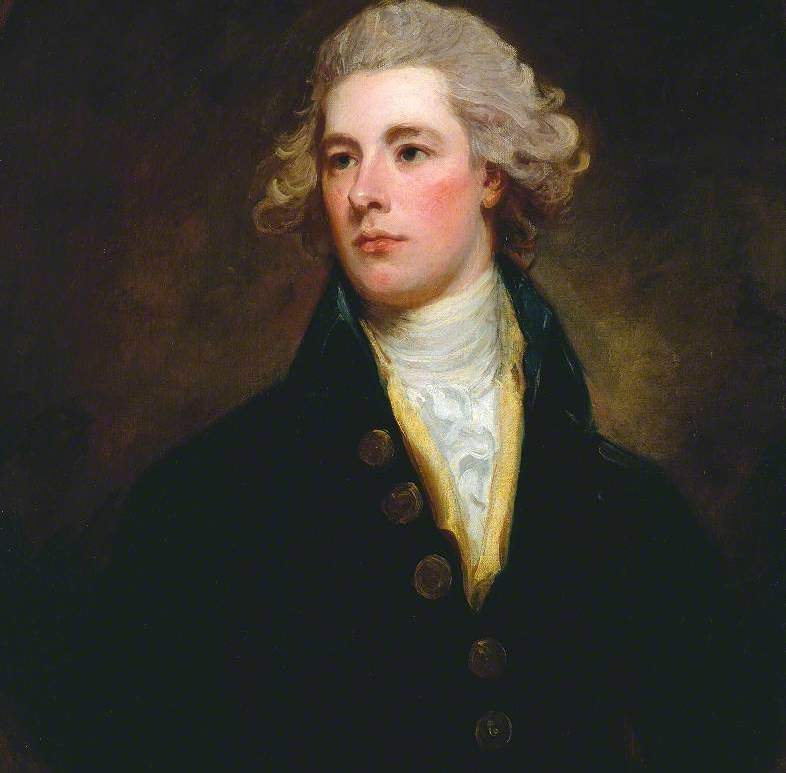
portrait of a young man in 18th-century dress

‘of all others most desirable’: Pitt the Younger and elections for Cambridge

From the onset of his lengthy political career, William Pitt the Younger had his eyes fixed on representing his alma mater, the University of Cambridge. Writing to his mother in July 1779, he observed that the University seat was ‘of all others most desirable, as being free from expense, perfectly independent, and I think in every respect extremely honourable’. In this latest guest post for … Continue reading ‘of all others most desirable’: Pitt the Younger and elections for Cambridge

Background to the American Revolution

As part of a new infrequent series on the American Revolution and its connection to Parliament, Dr Robin Eagles explores the immediate background to the Revolution, and early Parliamentary debates surrounding it in February 1775. At the beginning of 1775, pretty much every British politician agreed that something needed to be done about America, with many eager to find a way to reconcile both parties … Continue reading Background to the American Revolution

Did you know, Lord George Gordon had two brothers?

In his latest post for the Georgian Lords, Dr Stuart Handley looks into the family of the notorious Lord George Gordon, who was at the centre of the political storm that resulted in the 1780 ‘Gordon Riots’ that rocked London and other British towns and cities… The recent riots engulfing parts of Britain have rekindled interest in the propensity of the populace to riot during … Continue reading Did you know, Lord George Gordon had two brothers?

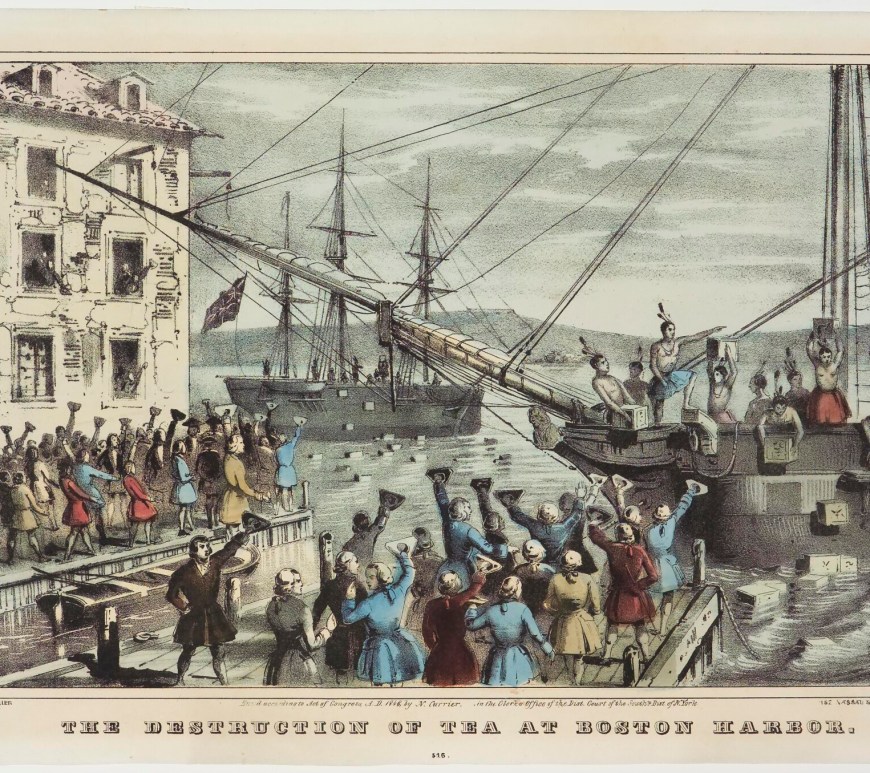
‘the genuine foundation of our evils’: the Tea Duty Act and Boston Tea Party 250 years on

In the 18th century, tea was a popular drink in America. Yet the East India Company struggled to sell their produce which prompted the British government to pass the Tea Duty Act. Dr Robin Eagles, editor of the Lords 1660-1832 project, explores the less than enthusiastic response in America… 250 years ago, tea was very much an American drink. Everyone in the colonies consumed it, … Continue reading ‘the genuine foundation of our evils’: the Tea Duty Act and Boston Tea Party 250 years on

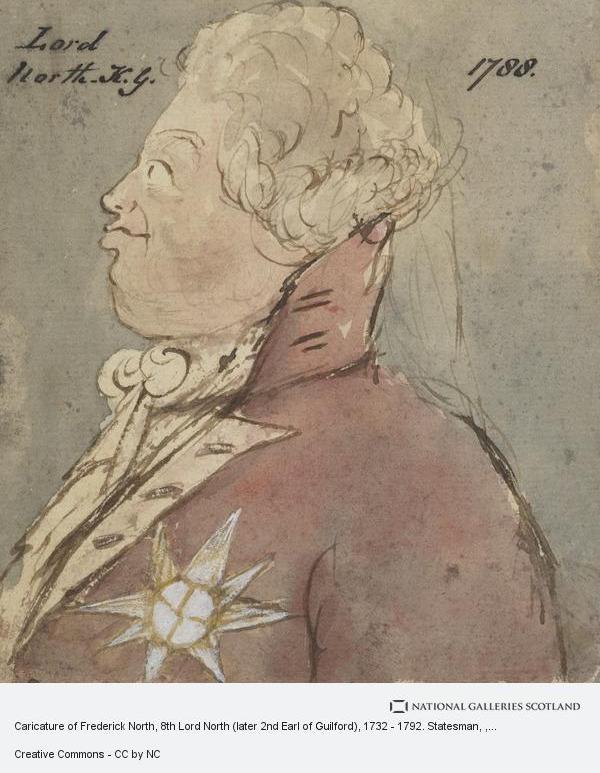
Asleep on the job? Prime Minister Lord North 250 years on

Accompanying the publication of a new collection covering 300 years of British Prime Ministers, the book’s editor compiled a list assessing the 55 premiers in order of their significance. Frederick, Lord North, who became Prime Minister in 1770 and is probably best known as the man who lost America, came towards the bottom of the pile at number forty. Dr Robin Eagles reassesses North’s early … Continue reading Asleep on the job? Prime Minister Lord North 250 years on

‘The Story of Parliament’: The office of Prime Minister in the 18th Century

Earlier this year the History published ‘The Story of Parliament: Celebrating 750 years of parliament in Britain’ to mark the anniversary of Simon de Montfort’s parliament in 1265. The book is a brief introduction to the full 750 years of parliamentary history, aimed at the general reader, and available to purchase from the Houses of Parliament bookshop. On this blog we are publishing some tasters … Continue reading ‘The Story of Parliament’: The office of Prime Minister in the 18th Century

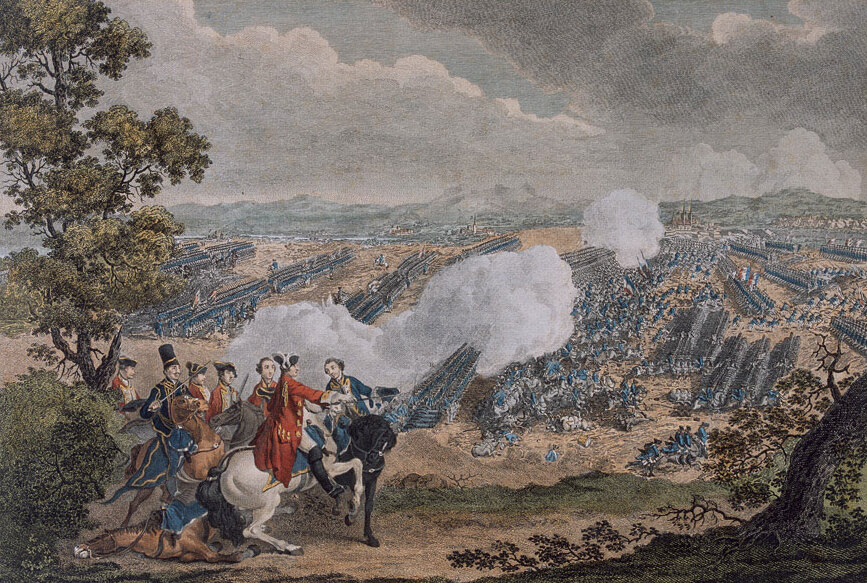
The House of Commons and Foreign Policy: Lord North and Yorktown

During this afternoon’s Prime Minister’s Questions the fall-out from last Thursday’s dramatic Commons vote on Syria continued. David Cameron admitted that he regretted the outcome of the vote but, once again, ruled out any British military involvement in Syria against the expressed will of the House.  The consequences of the vote, and whether it has fundamentally changed how the UK government takes decisions about military … Continue reading The House of Commons and Foreign Policy: Lord North and Yorktown