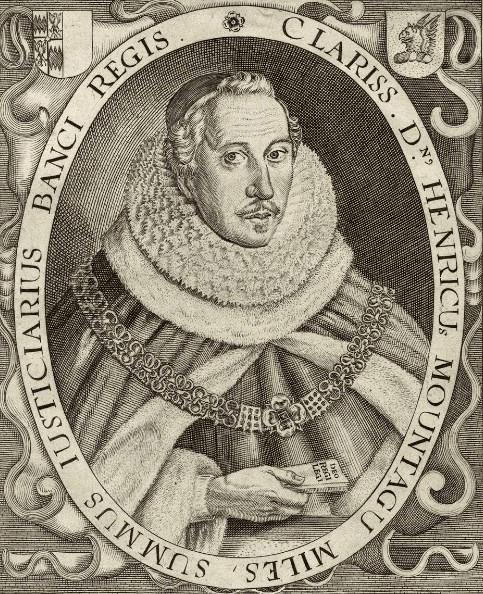
The Baronial Context of the 1641 Triennial Act

Dr David Scott, Editor of the 1640-60 House of Lords section, explores the role of the peers in securing the right of Parliament to meet regularly. The Triennial Act of February 1641 was the first piece of legislation passed by the ‘Long Parliament’ in its momentous thirteen-year history of reform, rule and, in 1649, regicide. Of course, none of the peers and MPs who had … Continue reading The Baronial Context of the 1641 Triennial Act

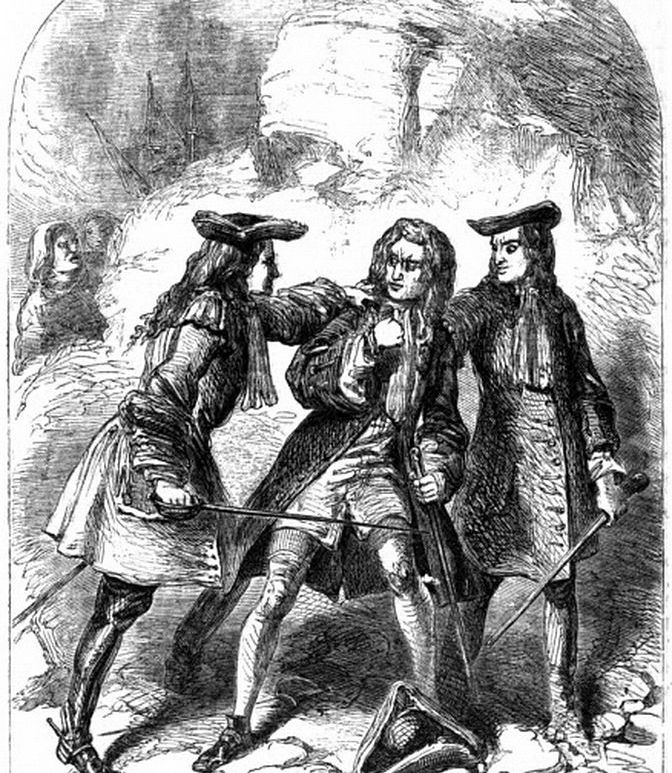
The passing of the bill of attainder against the Jacobite Sir John Fenwick

On 25 November 1696 the House of Commons, after a bitter series of debates, finally passed a bill that would result in the execution of the Northumbrian baronet Sir John Fenwick, for treason in January 1697. As Dr Paul Seaward explores, this was a death that was seen by many as politically-driven murder. Fenwick’s case was one of the consequences of the deposition of the … Continue reading The passing of the bill of attainder against the Jacobite Sir John Fenwick

‘Confirmation of the People’s Rights’: commemorating the ‘Glorious Revolution’ of 1688

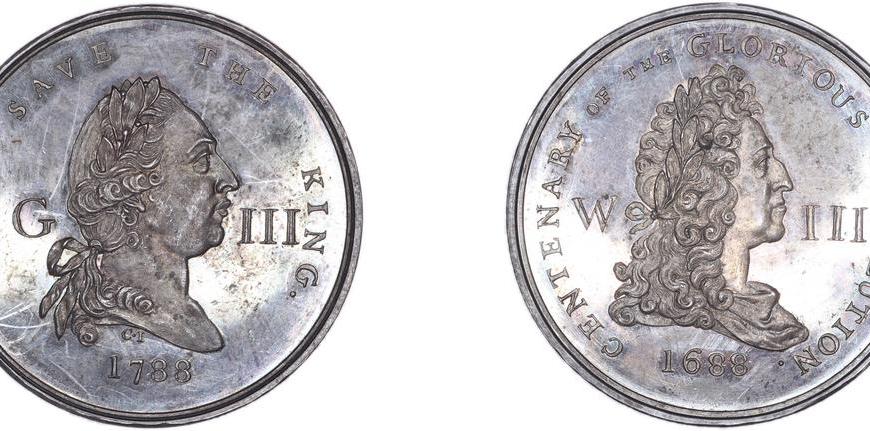
For many, the beginning of November means the advent of longer nights as the year winds down to Christmas. Some may still enjoy attending firework displays marking the failure of the 1605 Gunpowder Plot. In November 1788, though, serious efforts were made to establish a lasting memorial to the Revolution of 1688, whose centenary was celebrated nationwide. However, as Dr Robin Eagles shows, no one … Continue reading ‘Confirmation of the People’s Rights’: commemorating the ‘Glorious Revolution’ of 1688

John Robartes, 2nd Baron Robartes of Truro (later earl of Radnor): reading in the revolution

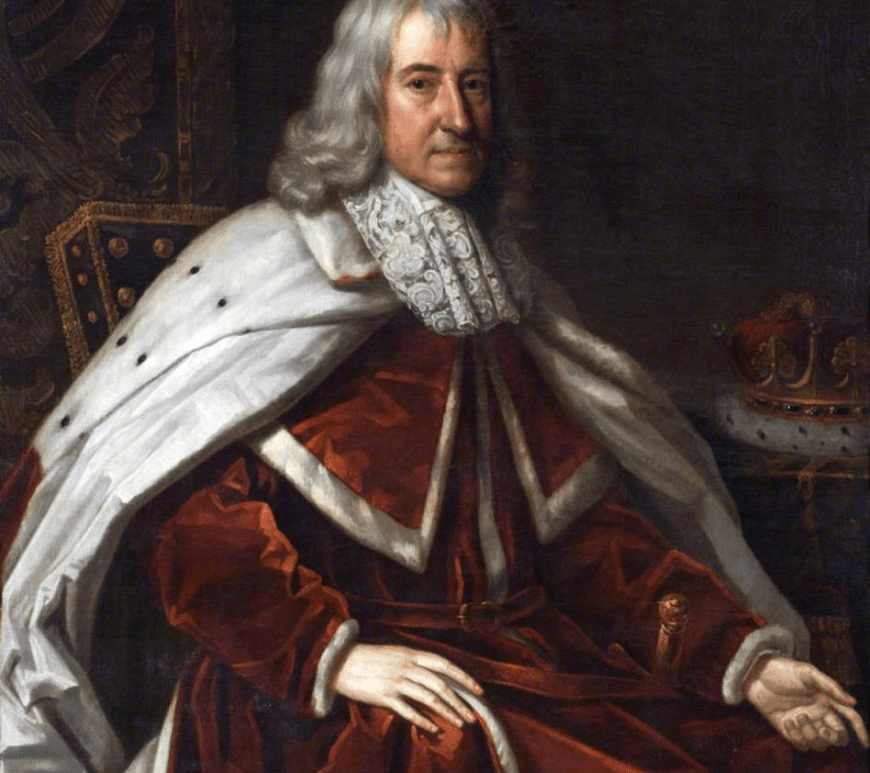
In this guest article, Dr Sophie Aldred, lecturer in Early Modern History at the University of Oxford, explores the library of Lord Robartes and what it tells us of his political position during the revolutionary years of the 1640s. Variously described as of an ‘unsociable nature and impetuous disposition’, ‘sour’, ‘surly’, and a ‘destroyer of every body’s business’, John Robartes, 2nd Baron Robartes of Truro … Continue reading John Robartes, 2nd Baron Robartes of Truro (later earl of Radnor): reading in the revolution

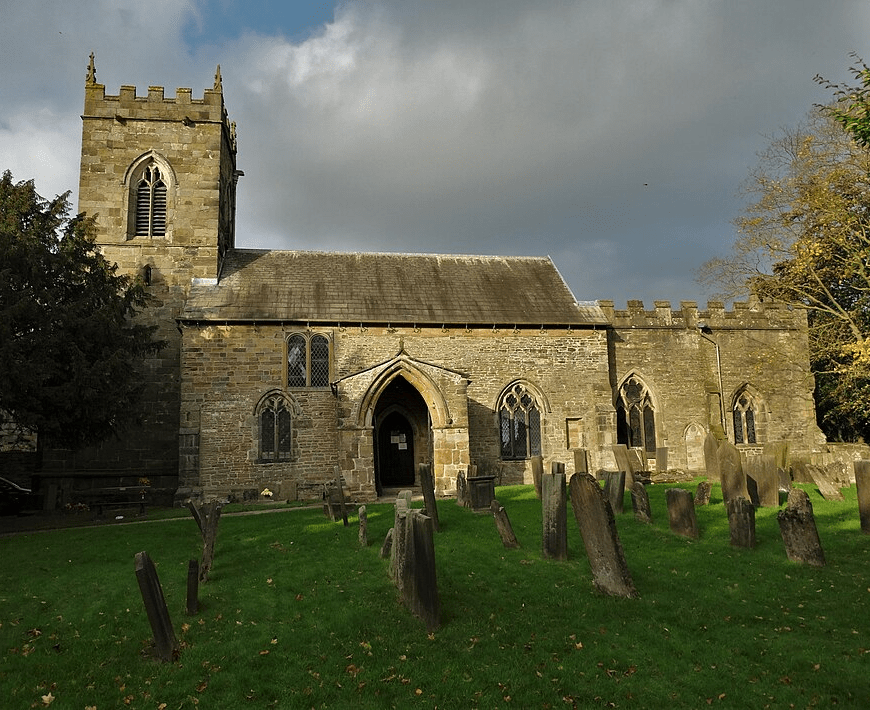
Descended from a giant: the Worsleys of Hovingham

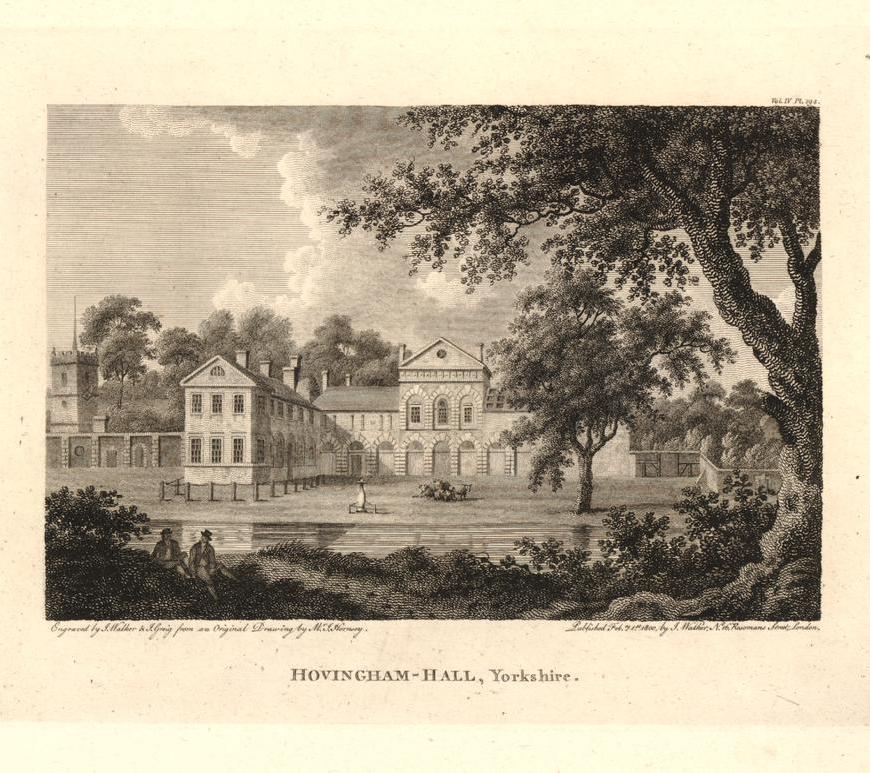
The recent death of HRH the Duchess of Kent, who was married to the late queen’s cousin at York Minister in 1961, reminds us of her family’s long association with Yorkshire. This has included two brothers who served as archbishop of York and several members of her family who were elected to Parliament. Dr Robin Eagles considers the Worsley family’s connection with the north of … Continue reading Descended from a giant: the Worsleys of Hovingham

John Potter, an unusual Archbishop of Canterbury

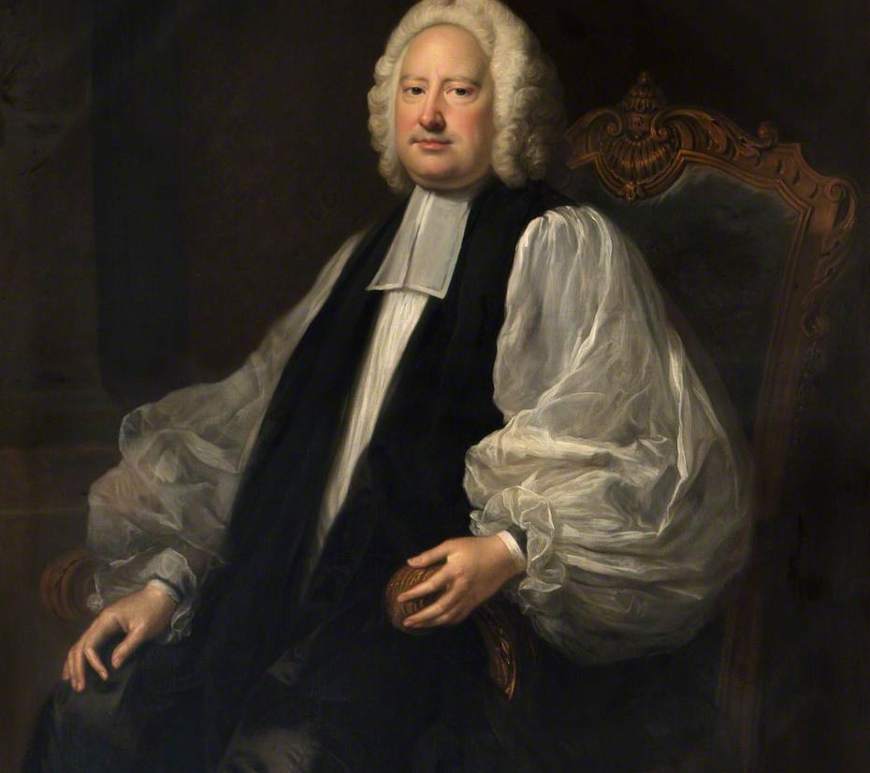
In the latest blog for the Georgian Lords, Dr Robin Eagles examines the career of one of the lesser known Archbishops of Canterbury, who was able to make use of his August 1715 sermon celebrating the accession of George I to press forward his career in the Church. Every 30 January, the rhythm of the parliamentary session in the 17th and 18th centuries was adjusted … Continue reading John Potter, an unusual Archbishop of Canterbury

‘Good for nothing and lived like a hog’: the destructive obsession of Francis, Lord Deincourt

Dr Patrick Little of the 1640-60 Lords section, explores the strange life of a peer who valued money above everything. It had started so well. Francis Leak, the son of Sir Francis Leak, a prosperous landowner in Derbyshire and Nottinghamshire, was the first of his family to try to establish himself on the national stage. He had already taken the important first step of marrying … Continue reading ‘Good for nothing and lived like a hog’: the destructive obsession of Francis, Lord Deincourt

Parliament and the Church, c.1530-c.1630

In this blog, Dr Alex Beeton reviews a fascinating colloquium, held recently at the History of Parliament’s office in Bloomsbury Square. In the early modern period, both England’s Church and its Parliament changed. A Catholic country split from Rome and the importance and prominence of the two Houses of Parliament dramatically increased. These two seismic shifts were not isolated from one another. Parliament’s role in … Continue reading Parliament and the Church, c.1530-c.1630

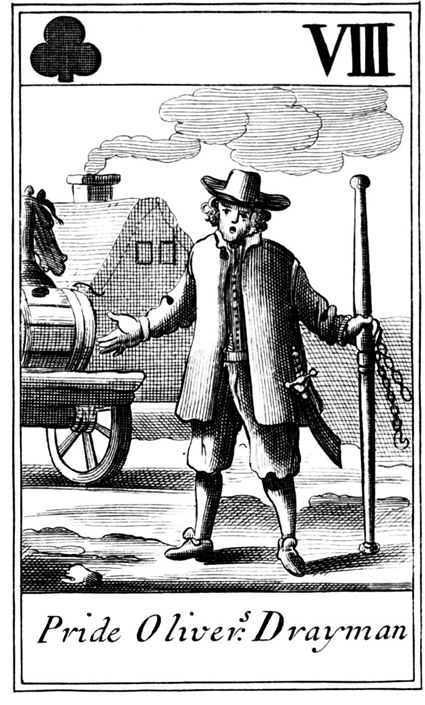
Oliver Cromwell’s ‘Other House’ and the perils of Lords ‘reform’

In this guest post, Dr Jonathan Fitzgibbons of Lincoln University, looks at a constitutional issue from the 1650s with obvious contemporary relevance: the place of the House of Lords. As politicians continue to debate the House of Lords’ future, including legislation to eliminate its remaining hereditary peers, they might draw lessons from its past. Particularly instructive are the events of the English Revolution, which saw … Continue reading Oliver Cromwell’s ‘Other House’ and the perils of Lords ‘reform’

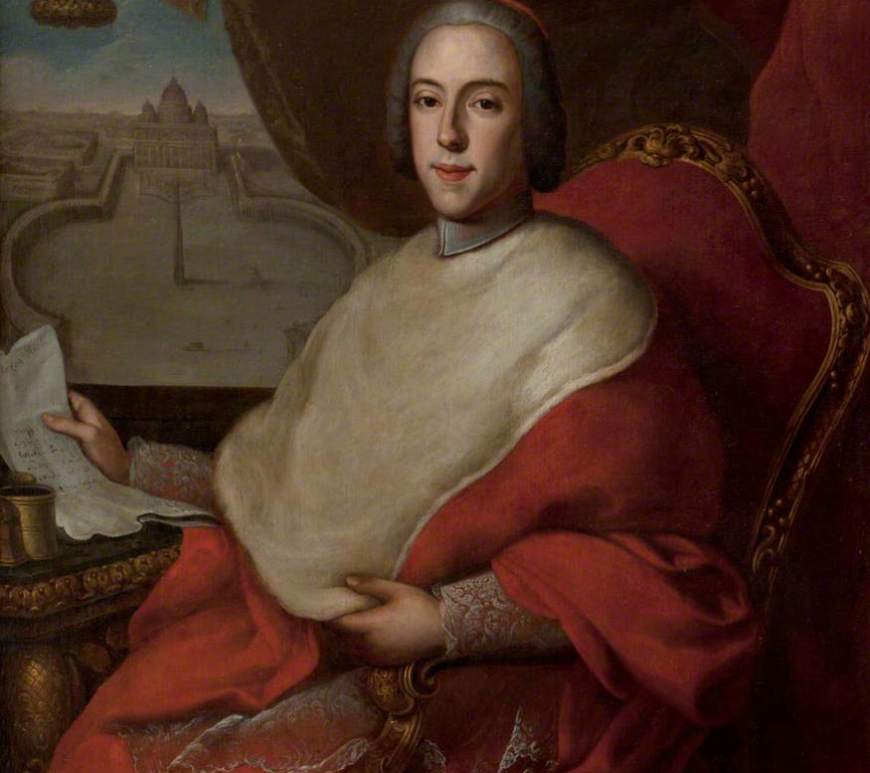
The Last of the Jacobites: Henry Benedict

Henry Benedict, Cardinal York (1725-1807), born 300 years ago this March, was the last member of the royal family to take an active role in a papal Conclave, when he participated in the election of Pope Pius VII at Venice in 1800. Dr Robin Eagles investigates how he found himself in that position… On 6 March 1725, Pope Benedict XIII (1724-30) was roused from a … Continue reading The Last of the Jacobites: Henry Benedict