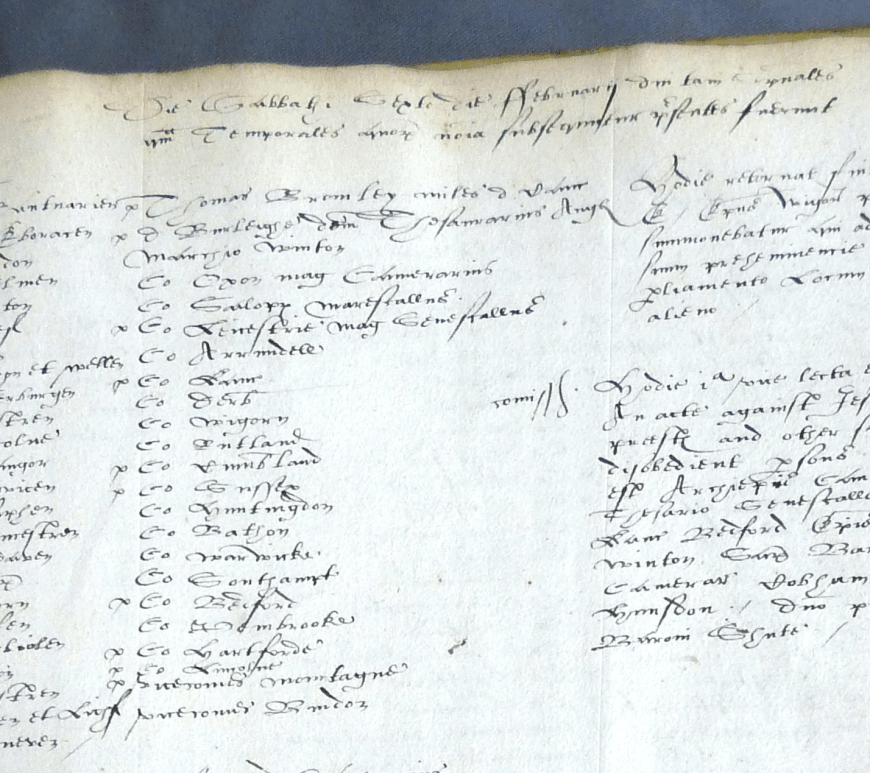
A page from the Lords' Journals in 1585 with three columns of text

Power struggles and group dynamics in the House of Lords, 1584-5

At the IHR Parliaments, Politics and People seminar on Tuesday 3 February, Dr Paul Hunneyball of the History of Parliament, will be discussing Power Struggles and Group Dynamics in the House of Lords, 1584-5. The seminar takes place on 3 February 2026, between 5:30 and 6:30 p.m. It is fully ‘hybrid’, which means you can attend either in-person in London at the IHR, or online … Continue reading Power struggles and group dynamics in the House of Lords, 1584-5

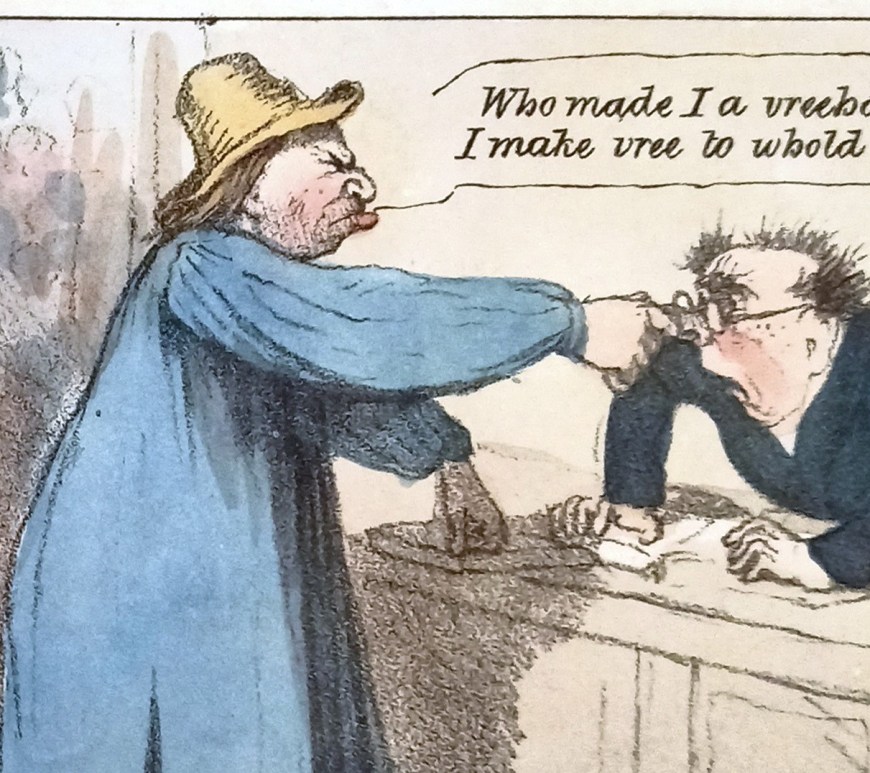
How many people could vote in the UK after the 1832 Reform Act?

As part of our series of ‘explainer’ articles, aimed at clarifying the workings of the United Kingdom’s historic political system, Dr Martin Spychal examines how many people could vote in the UK after the 1832 Reform Act. This article draws from a new dataset of voting information for each constituency between 1832 and 1867, which Martin has been developing for the History of Parliament’s Commons … Continue reading How many people could vote in the UK after the 1832 Reform Act?

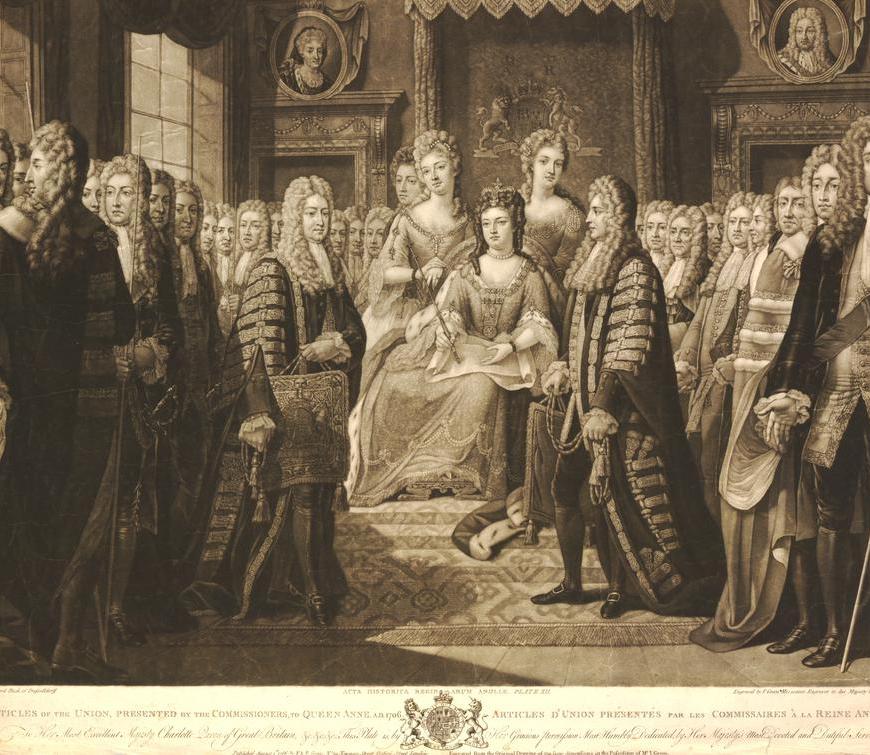
England, Scotland and the Treaty of Union, 1706-08

In 1707, under the terms of the Treaty of Union, England and Scotland became a single state – the United Kingdom of Great Britain – and the parliaments at Westminster and Edinburgh were replaced by a single ‘Parliament of Great Britain’. The arrangements for establishing the new parliament were set out in Article 22 of the Treaty. The wording of the Treaty made no mention … Continue reading England, Scotland and the Treaty of Union, 1706-08

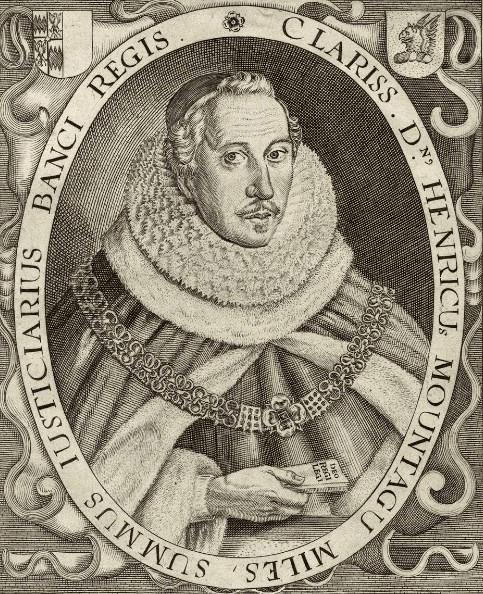
The Baronial Context of the 1641 Triennial Act

Dr David Scott, Editor of the 1640-60 House of Lords section, explores the role of the peers in securing the right of Parliament to meet regularly. The Triennial Act of February 1641 was the first piece of legislation passed by the ‘Long Parliament’ in its momentous thirteen-year history of reform, rule and, in 1649, regicide. Of course, none of the peers and MPs who had … Continue reading The Baronial Context of the 1641 Triennial Act

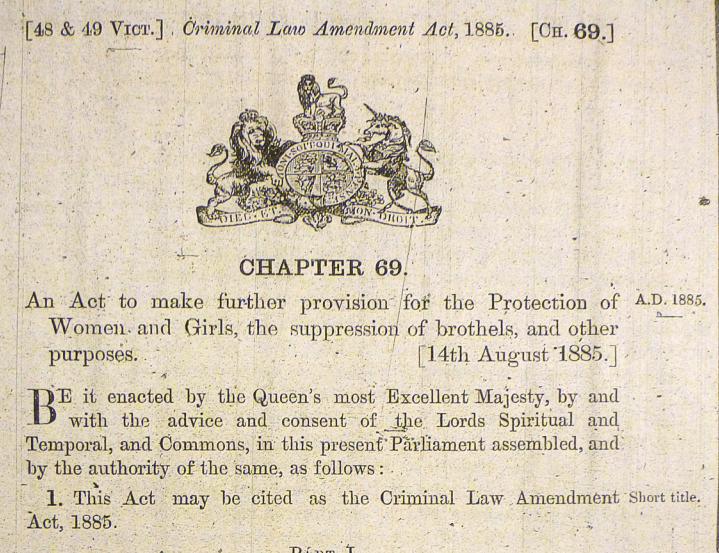
‘Abominable, unutterable, and worse than fables’: the campaign to pass the Criminal Law Amendment Bill

At the IHR Parliaments, Politics and People seminar on Tuesday 11 November, Steven Spencer of Birkbeck, University of London, will be discussing the campaign to pass the 1885 Criminal Law Amendment Act. The seminar takes place on 11 November 2025, between 5:30 and 6:30 p.m. It is fully ‘hybrid’, which means you can attend either in-person in London at the IHR, or online via Zoom. … Continue reading ‘Abominable, unutterable, and worse than fables’: the campaign to pass the Criminal Law Amendment Bill

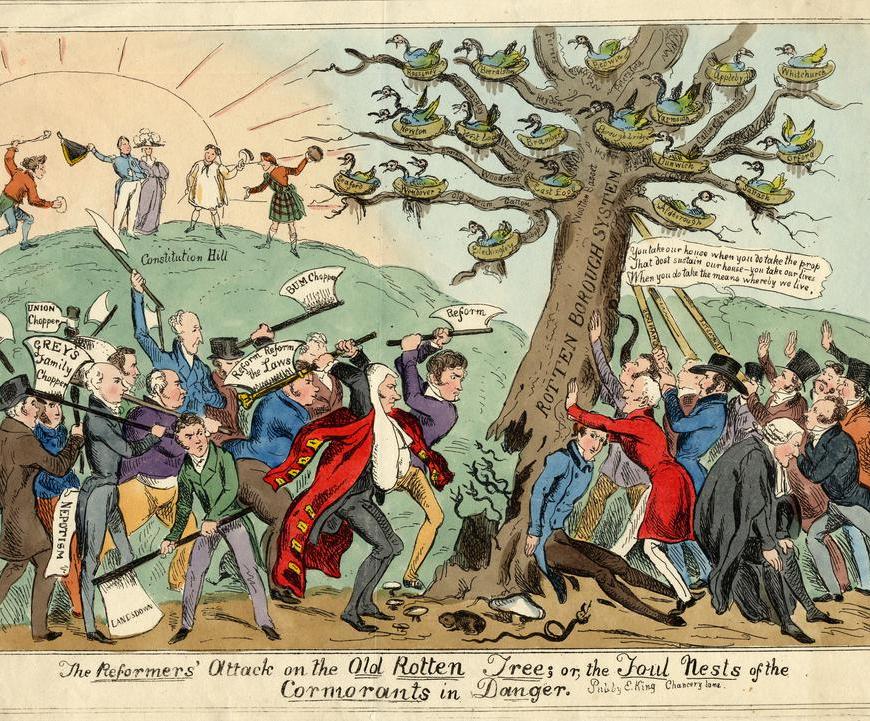
The 1832 Reform Act

‘Was the 1832 Reform Act “Great”?’ may not be the standard exam question it once was, but ongoing research about the Act’s broader legacy and impact on political culture, based on new resources and analytical techniques, continues to reshape our understanding of its place in modern British political development, as Dr Philip Salmon of our House of Commons, 1832-1945 project explains. For a 20 minute … Continue reading The 1832 Reform Act

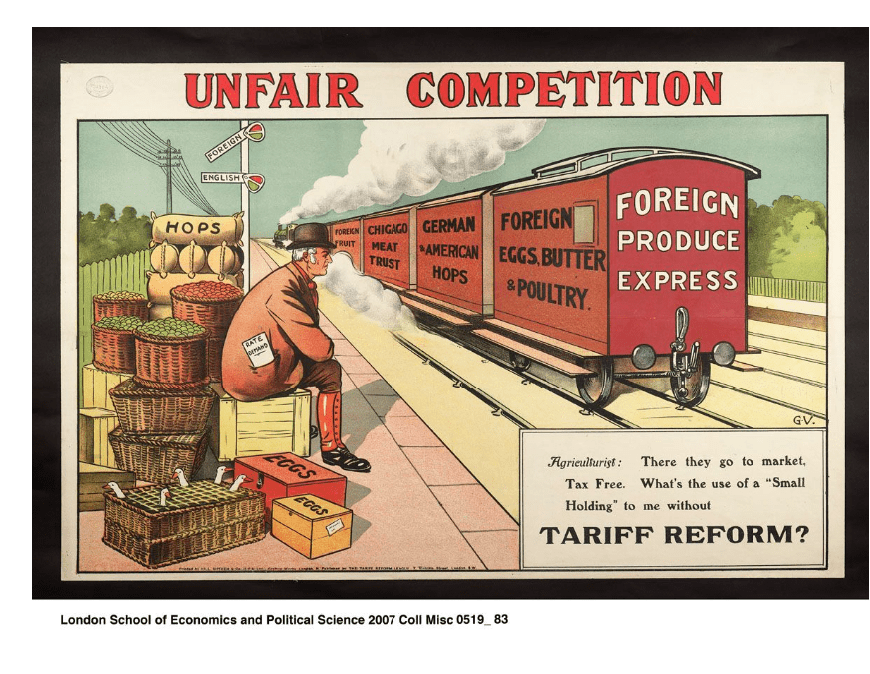
A colourful election poster produced by the Tariff Reform League. A farmer sits on a railway platform with crates and baskets of produce, watching a train called the Foreign Produce Express loaded with foreign produce, steaming past. He laments the need for tariff reform.

A ‘revolution’ in electioneering? The impact of the 1883 Corrupt Practices Act

Concluding her series on the 1883 Corrupt Practices Act, Dr Kathryn Rix of our House of Commons, 1832-1945 project looks at the long-term consequences of this major reform. In the wake of the corruption and expense of the 1880 general election, Sir Henry James, attorney general in Gladstone’s Liberal government, oversaw a landmark piece of legislation which aimed to clean up Britain’s elections: the 1883 … Continue reading A ‘revolution’ in electioneering? The impact of the 1883 Corrupt Practices Act

House of Lords reform: a Victorian perspective

Unlike the House of Commons, which underwent major ‘democratic’ reform in the 19th century, the Lords remained virtually unchanged during the entire Victorian period. With a new hereditary peers bill now entering its final stages, Dr Philip Salmon explores how and why the House of Lords was able to survive the ‘age of reform’, highlighting constitutional difficulties that still have relevance today. The 19th century … Continue reading House of Lords reform: a Victorian perspective

Parliament and the Church, c.1530-c.1630

In this blog, Dr Alex Beeton reviews a fascinating colloquium, held recently at the History of Parliament’s office in Bloomsbury Square. In the early modern period, both England’s Church and its Parliament changed. A Catholic country split from Rome and the importance and prominence of the two Houses of Parliament dramatically increased. These two seismic shifts were not isolated from one another. Parliament’s role in … Continue reading Parliament and the Church, c.1530-c.1630

‘A negative achievement’: Behind the scenes of the House of Lords Act 1999

Ahead of major pieces of legislation designed to reform the composition of the House of Lords, and our recent event ‘Reforming the House of Lords’ discussing the history of this tricky issue, Dr Emma Peplow, Head of Contemporary History, draws upon our Oral History Project to revisit the last time significant reforms were introduced. The House of Lords Act 1999 was the last major reform … Continue reading ‘A negative achievement’: Behind the scenes of the House of Lords Act 1999