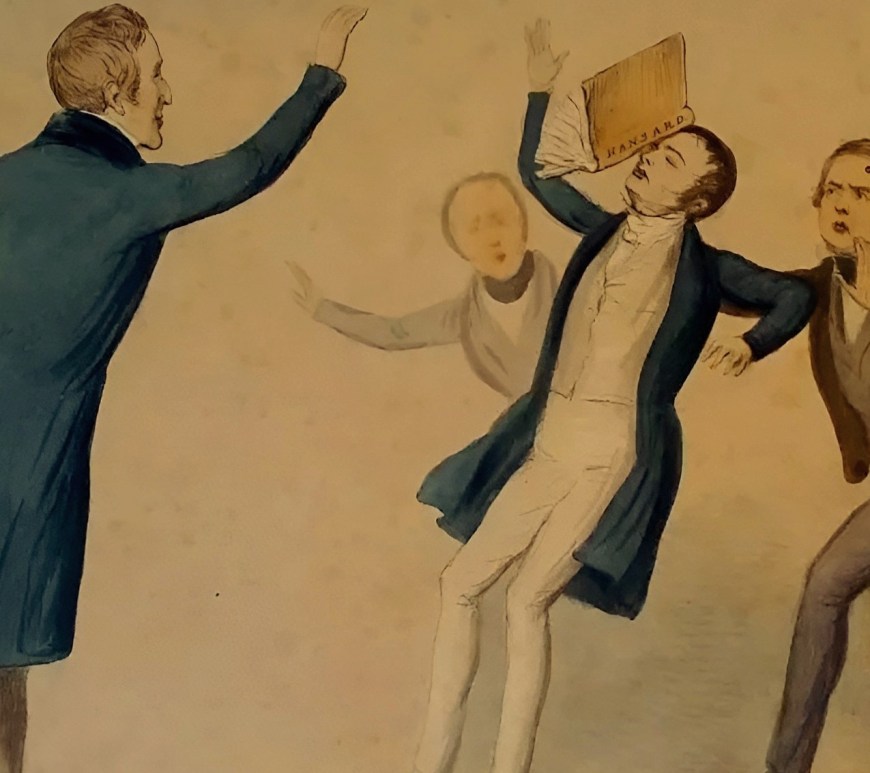
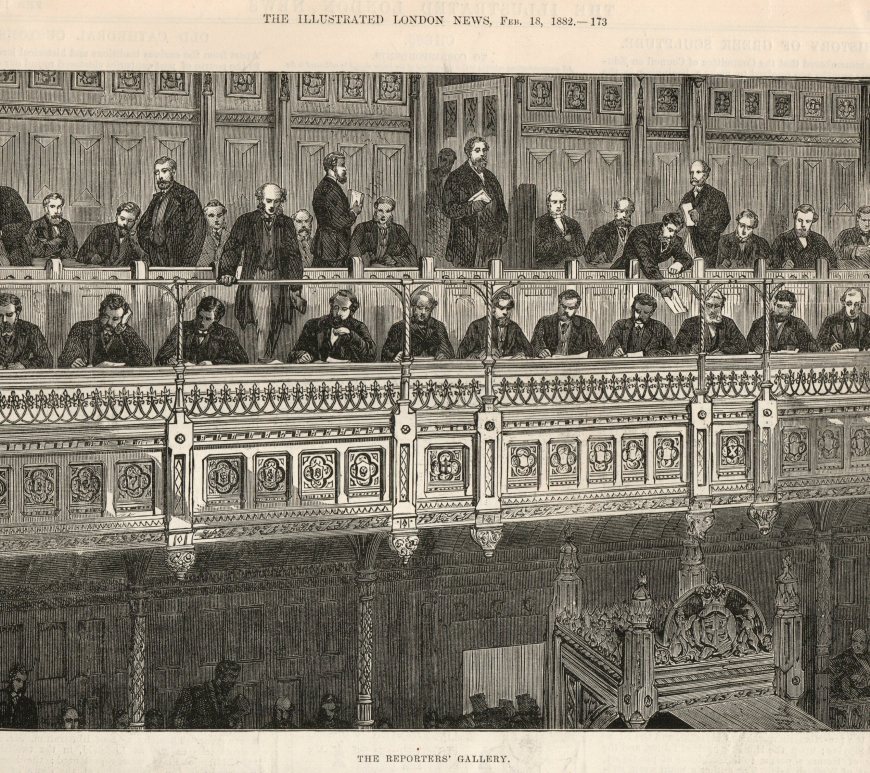
Reporting debates in the Victorian Commons

Today we take it for granted that parliamentary debates are recorded in Hansard. During the Victorian era, however, there was no ‘official’ record. Dr Philip Salmon shows how, before the advent of modern democracy, public interest in Parliament was sufficient for reports of debates to be produced and sold commercially. As democracy advanced, however, the public’s appetite began to change … During the early 19th … Continue reading Reporting debates in the Victorian Commons

Happy New Year from the Victorian Commons for 2026!

Here’s wishing all our readers a very enjoyable New Year! 2025 was a particularly memorable year for our 1832-68 House of Commons project and the History of Parliament. After 20 years based at Bloomsbury Square in the so-called ‘knowledge quarter’ around the British Museum, we sorted and packed decades of research materials and relocated to a new open-plan office at 14-18 Old Street in Islington. The volume … Continue reading Happy New Year from the Victorian Commons for 2026!

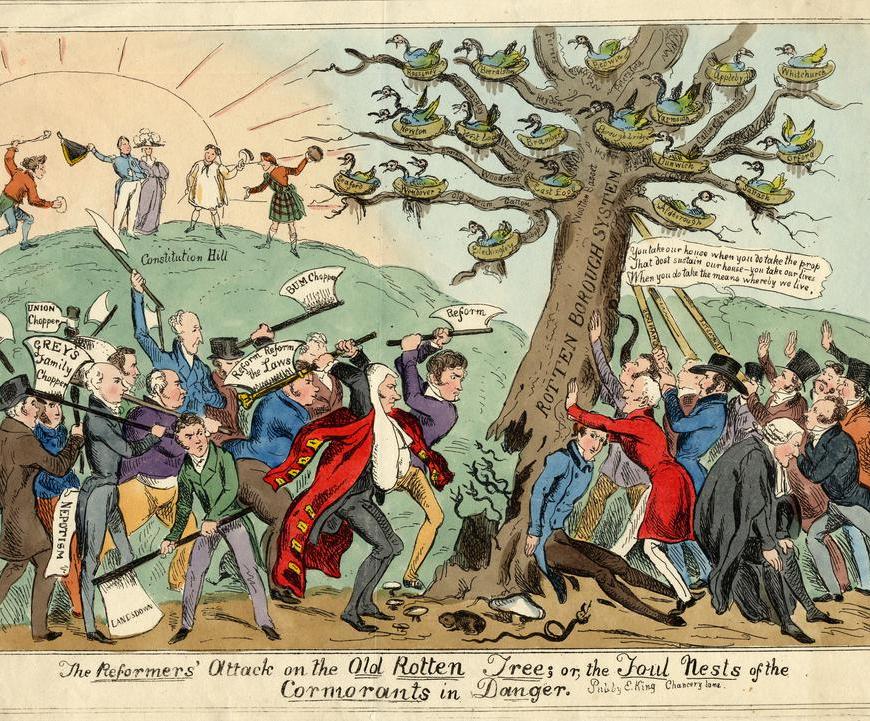
The 1832 Reform Act

‘Was the 1832 Reform Act “Great”?’ may not be the standard exam question it once was, but ongoing research about the Act’s broader legacy and impact on political culture, based on new resources and analytical techniques, continues to reshape our understanding of its place in modern British political development, as Dr Philip Salmon of our House of Commons, 1832-1945 project explains. For a 20 minute … Continue reading The 1832 Reform Act

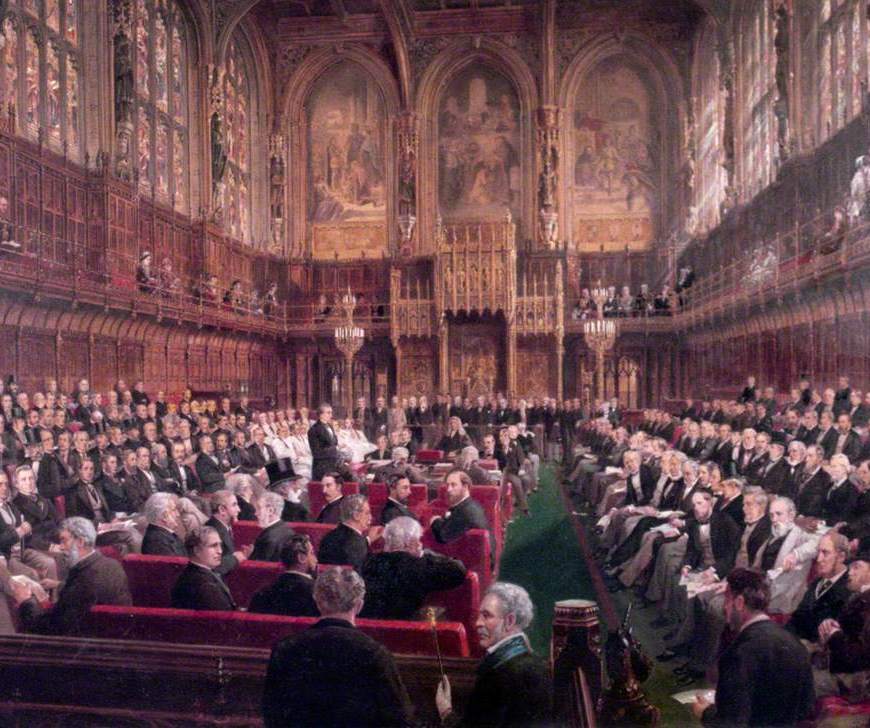
The role and power of the Victorian House of Lords

Dr Philip Salmon looks at a key element of Parliament which we don’t usually have much opportunity to reflect on in our work on Victorian MPs and constituencies: the House of Lords. As he explains below, the upper chamber played a vital role in many important 19th century reforms and continued to wield significant influence even after the 1911 Parliament Act. The House of Lords … Continue reading The role and power of the Victorian House of Lords

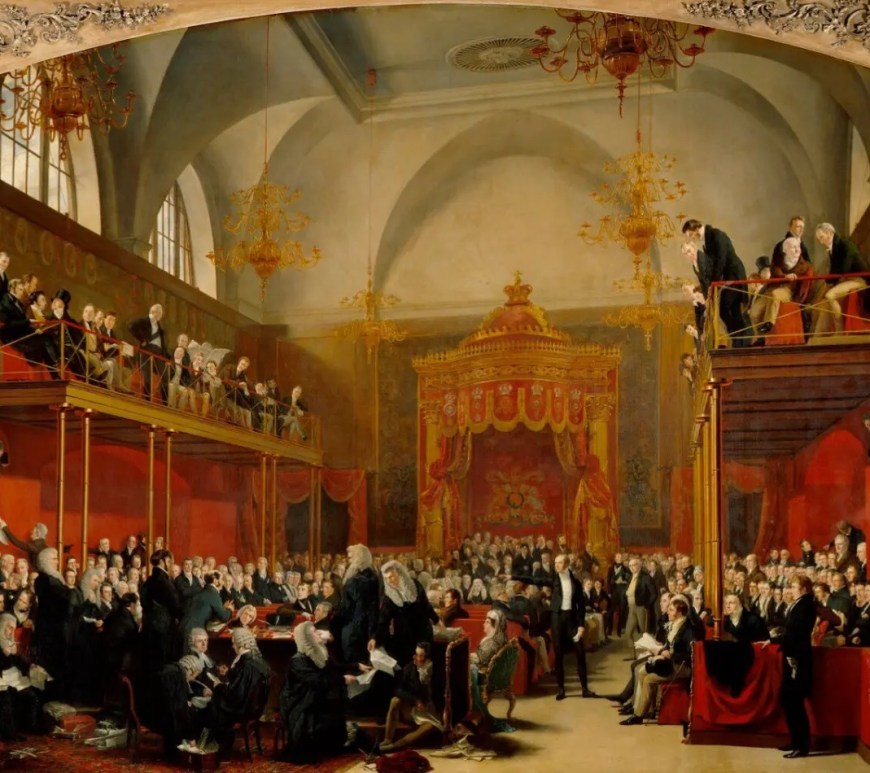
House of Lords reform: a Victorian perspective

Unlike the House of Commons, which underwent major ‘democratic’ reform in the 19th century, the Lords remained virtually unchanged during the entire Victorian period. With a new hereditary peers bill now entering its final stages, Dr Philip Salmon explores how and why the House of Lords was able to survive the ‘age of reform’, highlighting constitutional difficulties that still have relevance today. The 19th century … Continue reading House of Lords reform: a Victorian perspective

Defying the Whip: ‘rebel’ MP Swynfen Jervis (1797-1867)

On the anniversary of Swynfen Jervis’s return for Bridport in 1837, Dr Philip Salmon of the Victorian Commons explores the career of this ‘eccentric’ MP, focusing on the way in which he defied the Whig-Liberal government in 1839… One of the themes being explored by the Victorian Commons project is the decline of ‘independence’ in the 19th-century Commons and the rise of party-based voting by … Continue reading Defying the Whip: ‘rebel’ MP Swynfen Jervis (1797-1867)

The 1872 Secret Ballot and Multiple Member Seats

In this post about the introduction of the ballot in UK elections, based on a seminar talk (click here to view), Dr Philip Salmon examines some of the problems secret voting initially caused and their unintended consequences. The Ballot Act of 1872 sits alongside the three major Reform Acts of the 19th century (and various Corrupt Practices Acts) in helping to transform British elections into … Continue reading The 1872 Secret Ballot and Multiple Member Seats

‘Damn the secret ballot’: the UK’s public voting system before 1872

Today (18 July) marks another anniversary of the 1872 Secret Ballot Act, a topic we examined in more detail in a seminar back in 2022 (click here to view). But secret voting is now so engrained in our political culture that it’s easy to lose sight of the way the public voting system that served Britain for so many centuries worked. We’ve touched on public … Continue reading ‘Damn the secret ballot’: the UK’s public voting system before 1872

Conscience versus constituency: the dilemma facing Henry Charles Sturt MP

On the anniversary of his death on 14 April 1866, Dr Philip Salmon of the Victorian Commons reflects on the parliamentary career of Henry Charles Sturt, an MP with first-hand experience of the emerging pressures that pitted the needs of a constituency against toeing the party line … The Victorian Commons, as some of our recent articles have shown, was an important testing ground for … Continue reading Conscience versus constituency: the dilemma facing Henry Charles Sturt MP

Catholics in the Commons after emancipation

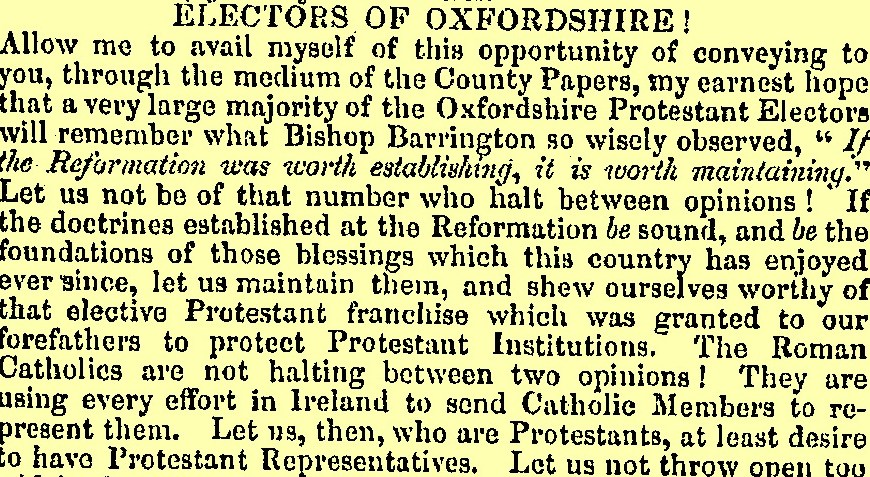
Today (13 April) marks the anniversary of the Roman Catholic Relief Act gaining royal assent in 1829, which removed many of the barriers restricting Roman Catholics from sitting in Parliament. However, as Dr Philip Salmon of the Victorian Commons explores, hostility to Catholics continued despite their emancipation … It may seem surprising to some that popular anti-Catholic sentiment continued to flourish in the decades after … Continue reading Catholics in the Commons after emancipation