How many people could vote in the UK after the 1832 Reform Act?

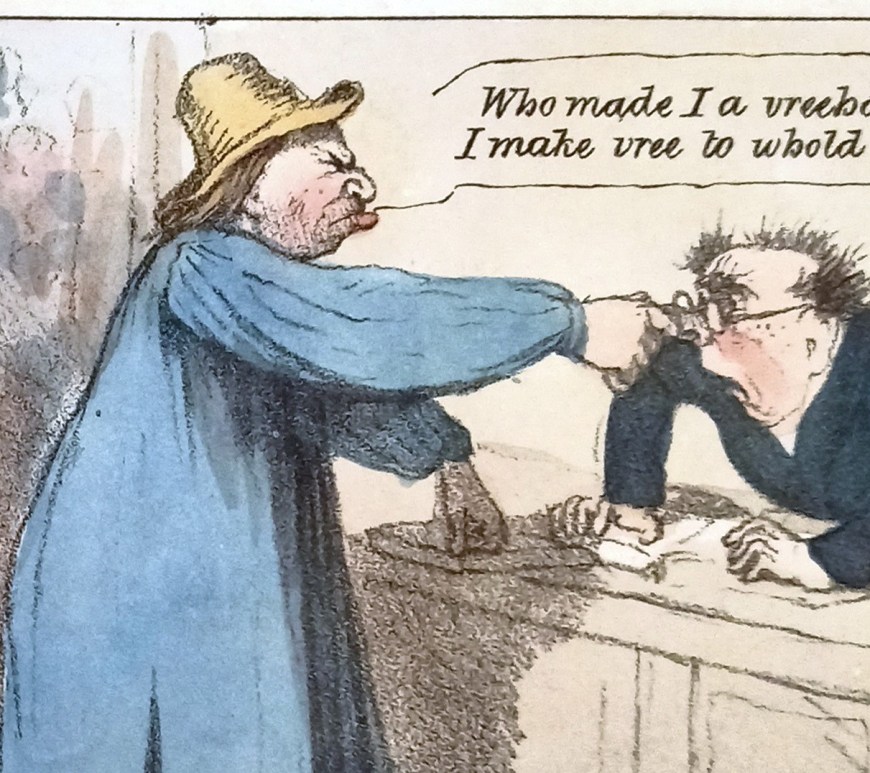
As part of our series of ‘explainer’ articles, aimed at clarifying the workings of the United Kingdom’s historic political system, Dr Martin Spychal examines how many people could vote in the UK after the 1832 Reform Act. This article draws from a new dataset of voting information for each constituency between 1832 and 1867, which Martin has been developing for the History of Parliament’s Commons … Continue reading How many people could vote in the UK after the 1832 Reform Act?

Reporting debates in the Victorian Commons

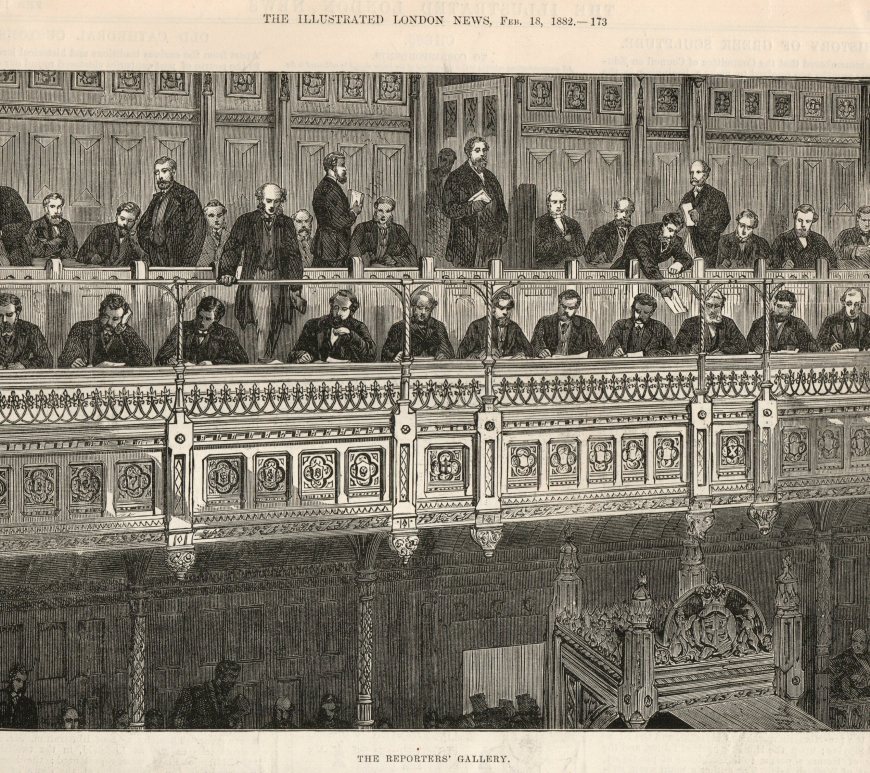
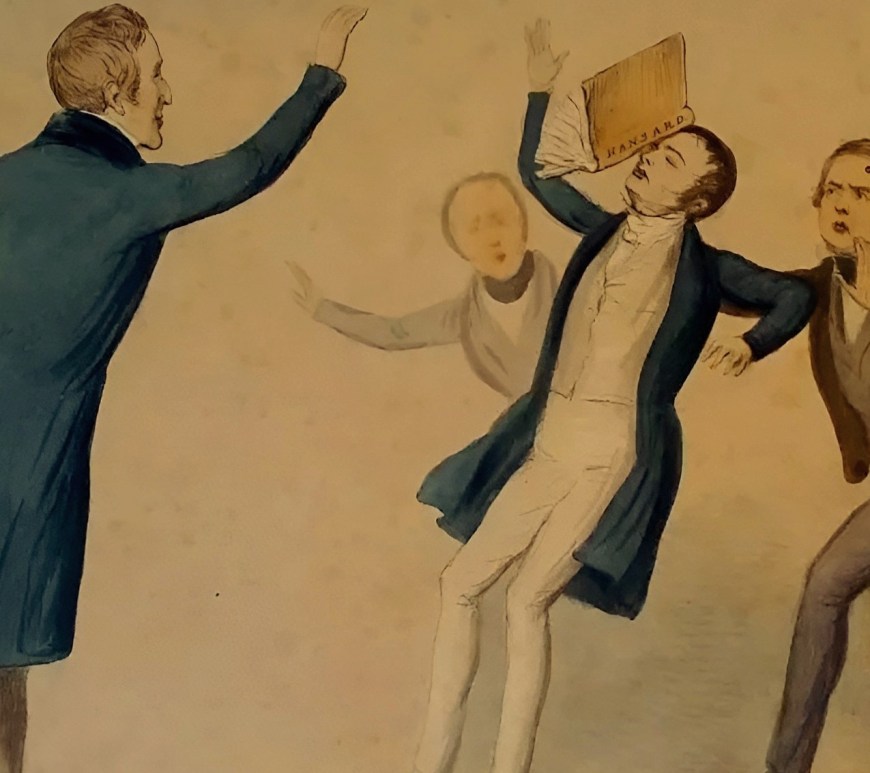
Today we take it for granted that parliamentary debates are recorded in Hansard. During the Victorian era, however, there was no ‘official’ record. Dr Philip Salmon shows how, before the advent of modern democracy, public interest in Parliament was sufficient for reports of debates to be produced and sold commercially. As democracy advanced, however, the public’s appetite began to change … During the early 19th … Continue reading Reporting debates in the Victorian Commons

Happy New Year from the Victorian Commons for 2026!

Here’s wishing all our readers a very enjoyable New Year! 2025 was a particularly memorable year for our 1832-68 House of Commons project and the History of Parliament. After 20 years based at Bloomsbury Square in the so-called ‘knowledge quarter’ around the British Museum, we sorted and packed decades of research materials and relocated to a new open-plan office at 14-18 Old Street in Islington. The volume … Continue reading Happy New Year from the Victorian Commons for 2026!

Peter McLagan senior (1774-1860): enslaver, plantation owner and landed proprietor

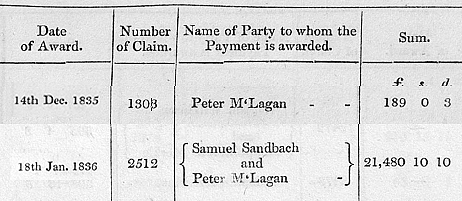
Dr Martin Spychal explores the life of Peter McLagan senior (1774-1860). A farmer’s son from Perthshire, McLagan senior acquired considerable wealth as an enslaver and plantation owner in Demerara (modern-day Guyana) during the early nineteenth century. He received extensive ‘compensation’ under the terms of the 1833 Abolition of Slavery Act. Continue reading Peter McLagan senior (1774-1860): enslaver, plantation owner and landed proprietor

Cricket in the Commons: a Victorian First Eleven

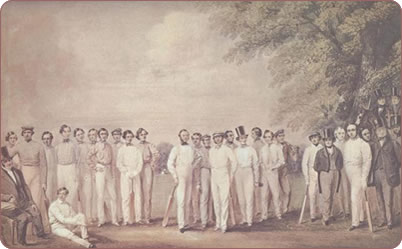
With the 2025 Ashes between England and Australia getting underway this week, we have a cricketing themed post from our House of Commons, 1832-1945 project. Historically, cricketing terminology, with its allusions to ‘fair play’ and playing with a ‘straight bat’, has been a mainstay of British political discourse. This was certainly the case in the Victorian era. For example, in 1864, when the Conservative opposition … Continue reading Cricket in the Commons: a Victorian First Eleven

The ladies’ gallery in the temporary House of Commons

This article from Dr Kathryn Rix, Assistant Editor of our House of Commons, 1832-1945 section, looks at the provision made for women to witness debates in the temporary chamber used by the Commons between 1835 and 1852. In the chamber used by the House of Commons before the catastrophic fire of October 1834, women – officially barred from the chamber itself since February 1778 – had … Continue reading The ladies’ gallery in the temporary House of Commons

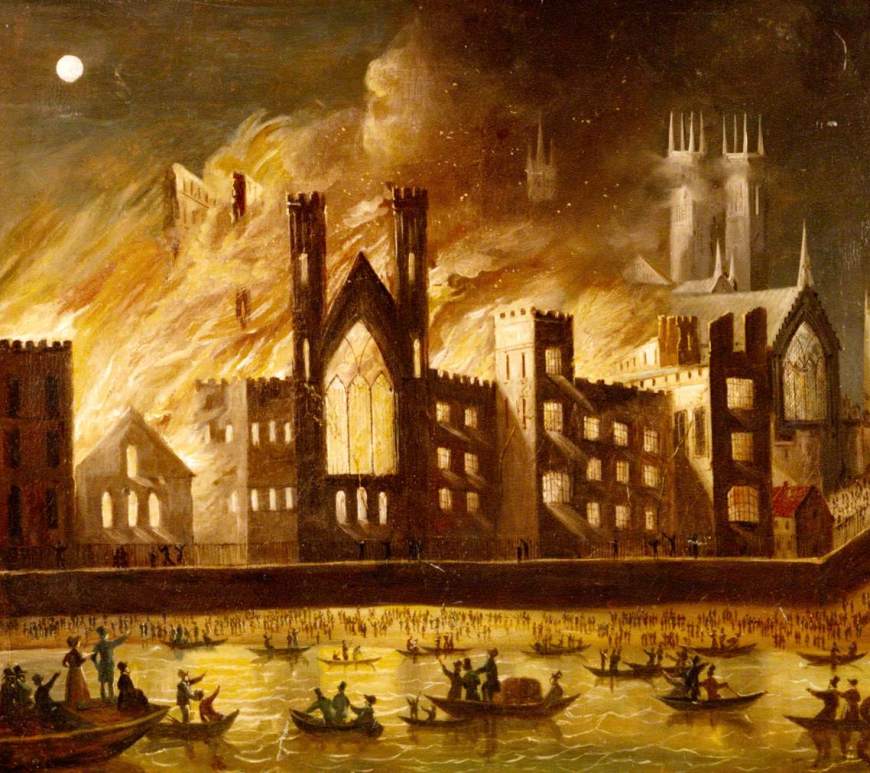
The Westminster Fire of 1834

In this guest article, Dr Caroline Shenton, author of ‘The Day Parliament Burned Down‘ and ‘Mr Barry’s War: Rebuilding the Houses of Parliament after the Great Fire of 1834‘, describes the dramatic events that took place at the Palace of Westminster on 16 October 1834. By the late Georgian period, the buildings of the Palace of Westminster had become an accident waiting to happen. The rambling … Continue reading The Westminster Fire of 1834

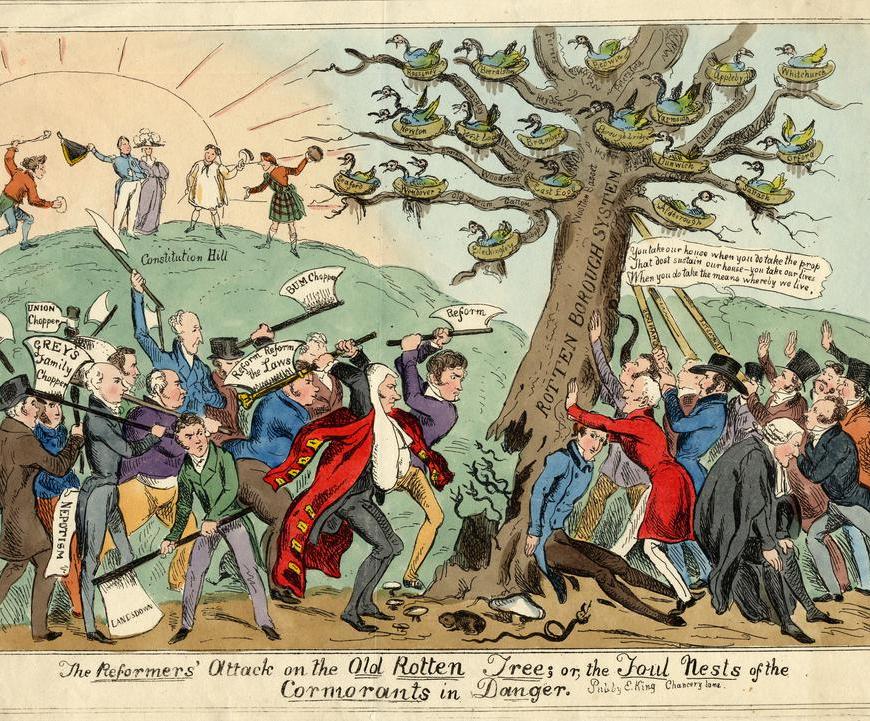
The 1832 Reform Act

‘Was the 1832 Reform Act “Great”?’ may not be the standard exam question it once was, but ongoing research about the Act’s broader legacy and impact on political culture, based on new resources and analytical techniques, continues to reshape our understanding of its place in modern British political development, as Dr Philip Salmon of our House of Commons, 1832-1945 project explains. For a 20 minute … Continue reading The 1832 Reform Act

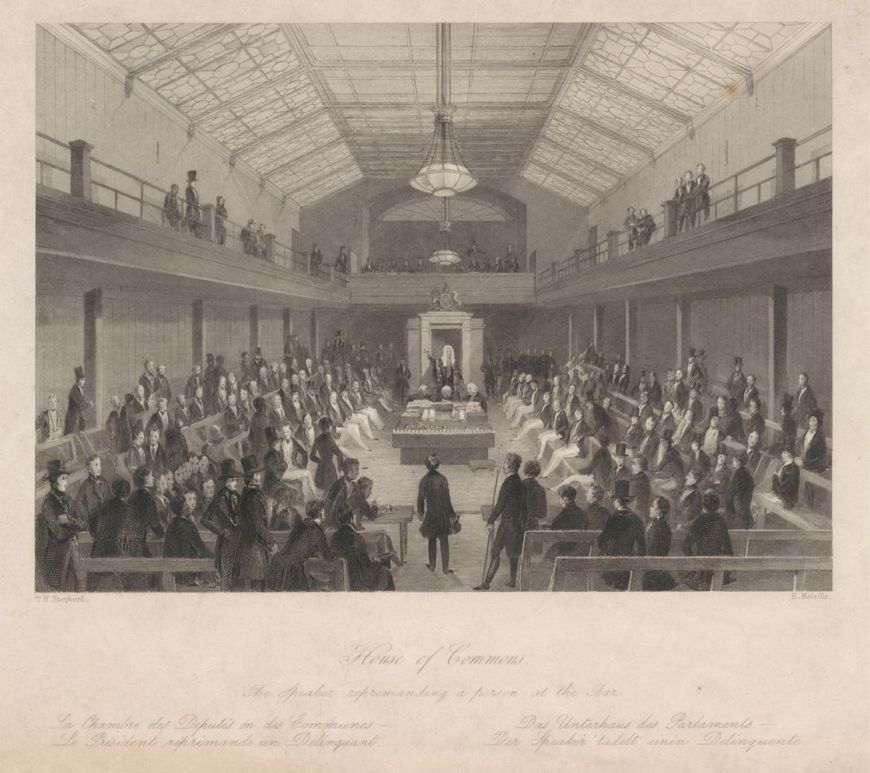
‘A place of business’: the temporary chamber of the House of Commons, 1835-1851

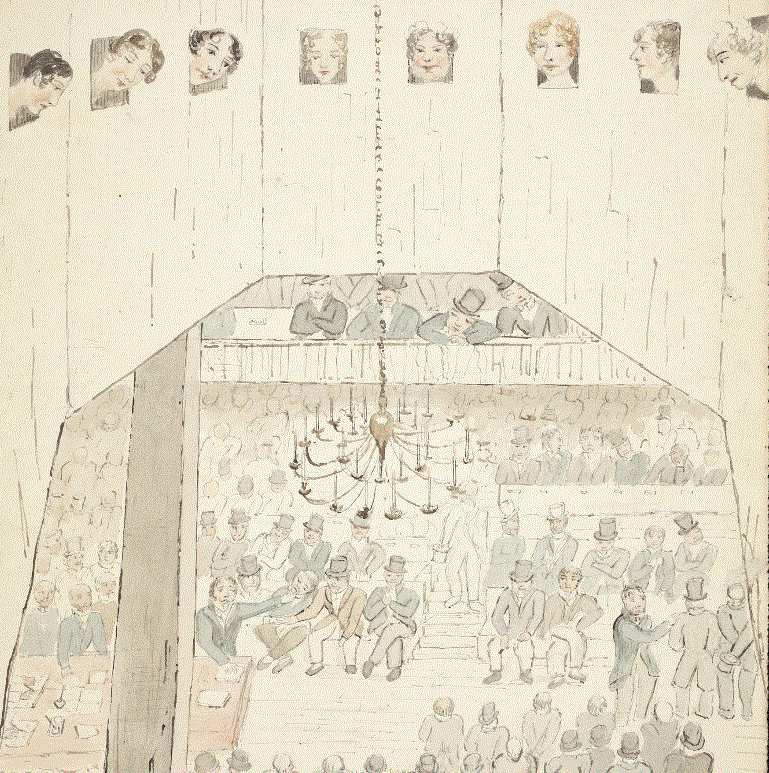
As part of our series on parliamentary buildings, Dr Kathryn Rix of our House of Commons, 1832-1945 project looks at the temporary chamber used by the House of Commons from 1835 until 1851, after its previous chamber was destroyed by fire in October 1834. The devastating fire at the Palace of Westminster on 16 October 1834 made the House of Commons chamber in the former … Continue reading ‘A place of business’: the temporary chamber of the House of Commons, 1835-1851

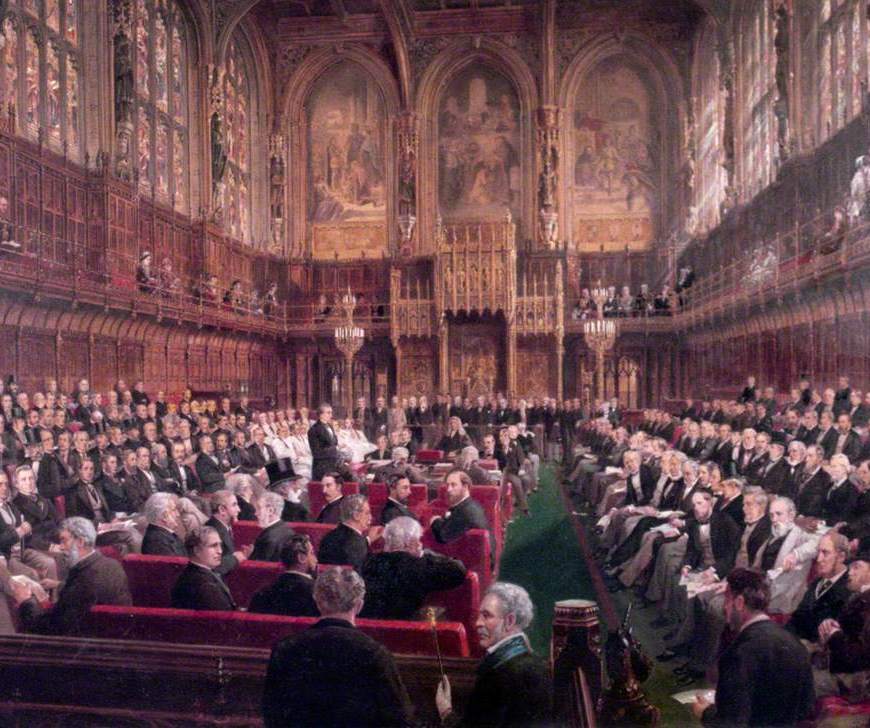
The role and power of the Victorian House of Lords

Dr Philip Salmon looks at a key element of Parliament which we don’t usually have much opportunity to reflect on in our work on Victorian MPs and constituencies: the House of Lords. As he explains below, the upper chamber played a vital role in many important 19th century reforms and continued to wield significant influence even after the 1911 Parliament Act. The House of Lords … Continue reading The role and power of the Victorian House of Lords