Crossing the Floor: Tales from the Oral History Project

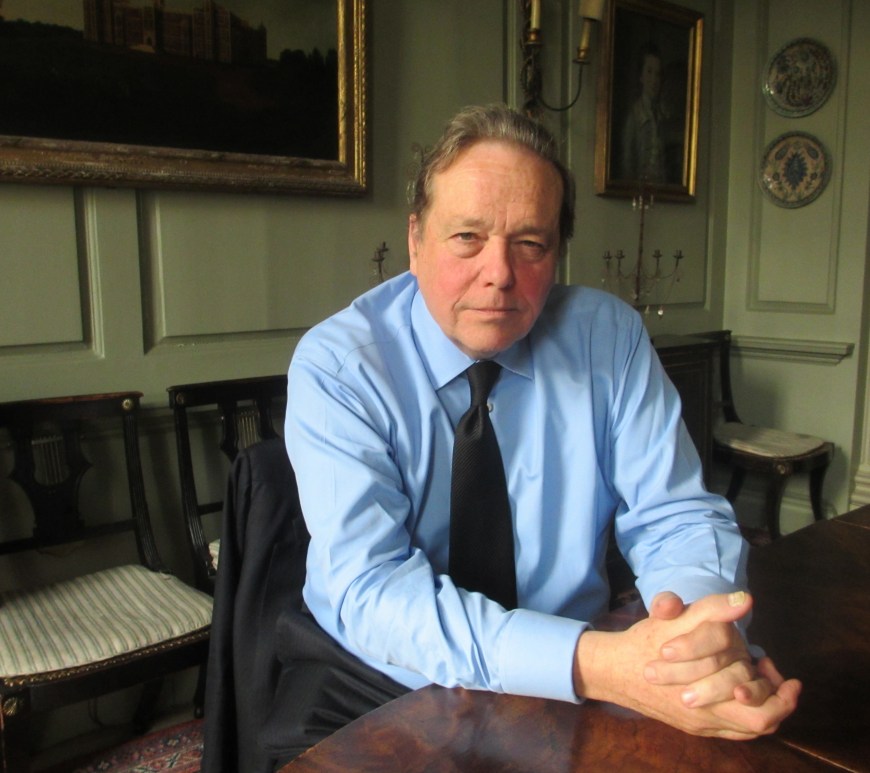
Following some recent, high-profile, political defections, Alfie Steer and Dr Emma Peplow have delved into the History of Parliament’s Oral History archive to explore historical cases of MPs changing their party affiliations: their causes, motivations and wider significance. Political defections, commonly known in Westminster parlance as ‘Crossing the Floor’, have been a phenomenon in Parliament since at least the 17th century. This has either happened … Continue reading Crossing the Floor: Tales from the Oral History Project

MPs and the Second World War

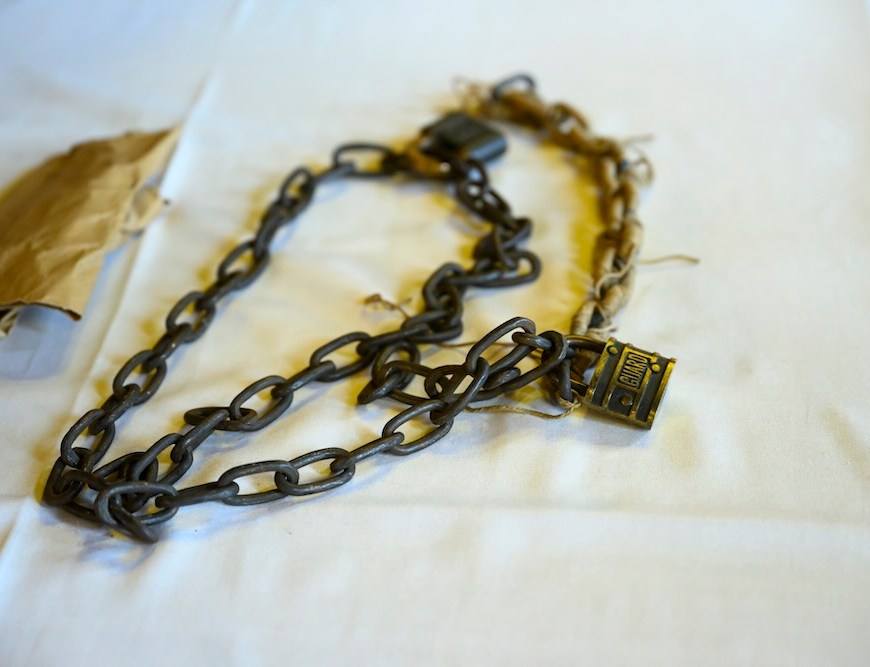
Ahead of Remembrance Day, and with 2025 marking 80 years since the end of the Second World War, Dr Kathryn Rix, Assistant Editor of our House of Commons, 1832-1945 project, follows up her series on MPs and the First World War by looking at the 23 MPs commemorated in the Commons chamber who died during the Second World War. On 6 July 1943 the Speaker … Continue reading MPs and the Second World War

The Speakers and the Suffragettes

At the IHR Parliaments, Politics and People seminar on Tuesday 28 October, Dr Mari Takayanagi will be discussing ‘The Speakers and the Suffragettes’. The seminar takes place on 28 October 2025, between 5:30 and 6:30 p.m. It is fully ‘hybrid’, which means you can attend either in-person in London at the IHR, or online via Zoom. Details of how to join the discussion are available … Continue reading The Speakers and the Suffragettes

The role and power of the Victorian House of Lords

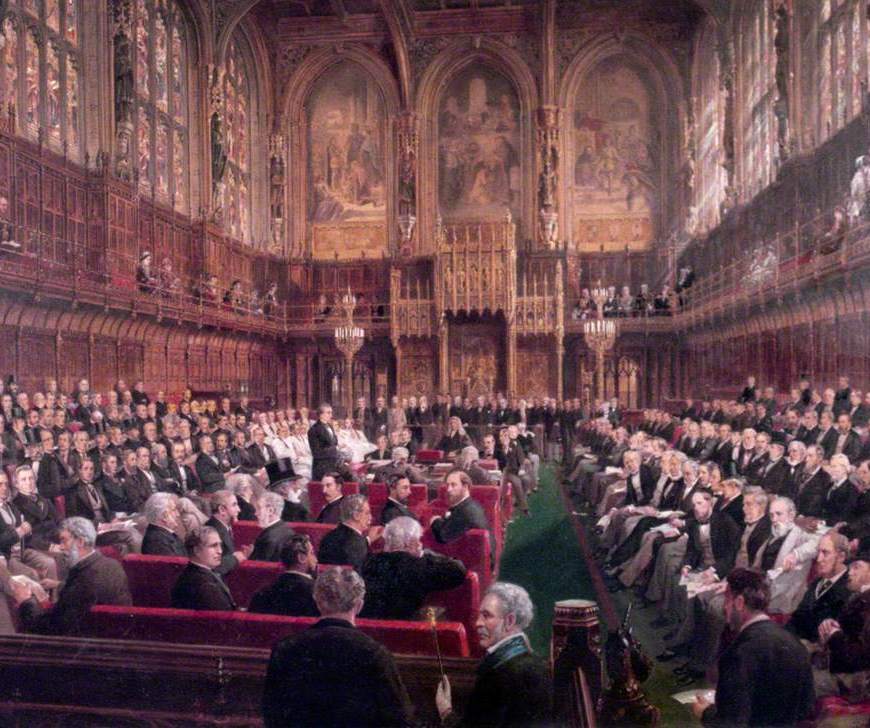
Dr Philip Salmon looks at a key element of Parliament which we don’t usually have much opportunity to reflect on in our work on Victorian MPs and constituencies: the House of Lords. As he explains below, the upper chamber played a vital role in many important 19th century reforms and continued to wield significant influence even after the 1911 Parliament Act. The House of Lords … Continue reading The role and power of the Victorian House of Lords

Descended from a giant: the Worsleys of Hovingham

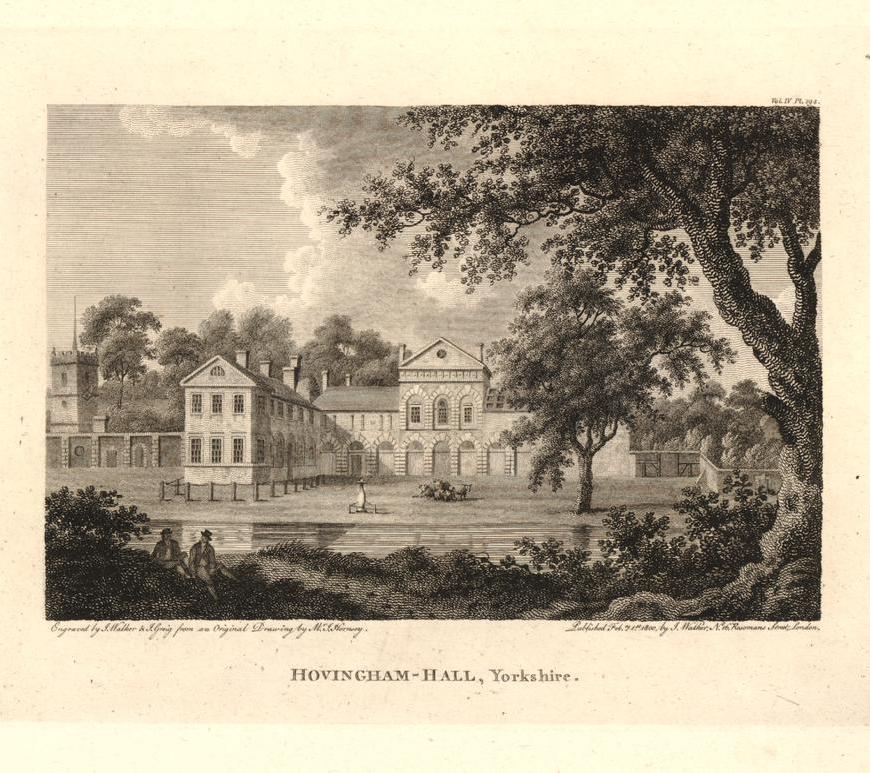
The recent death of HRH the Duchess of Kent, who was married to the late queen’s cousin at York Minister in 1961, reminds us of her family’s long association with Yorkshire. This has included two brothers who served as archbishop of York and several members of her family who were elected to Parliament. Dr Robin Eagles considers the Worsley family’s connection with the north of … Continue reading Descended from a giant: the Worsleys of Hovingham

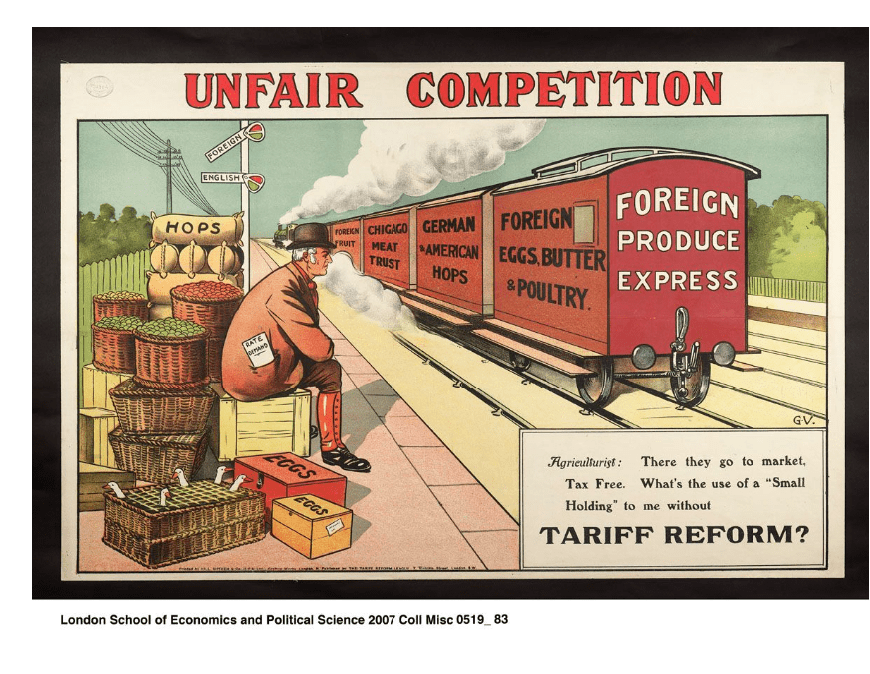
A colourful election poster produced by the Tariff Reform League. A farmer sits on a railway platform with crates and baskets of produce, watching a train called the Foreign Produce Express loaded with foreign produce, steaming past. He laments the need for tariff reform.

A ‘revolution’ in electioneering? The impact of the 1883 Corrupt Practices Act

Concluding her series on the 1883 Corrupt Practices Act, Dr Kathryn Rix of our House of Commons, 1832-1945 project looks at the long-term consequences of this major reform. In the wake of the corruption and expense of the 1880 general election, Sir Henry James, attorney general in Gladstone’s Liberal government, oversaw a landmark piece of legislation which aimed to clean up Britain’s elections: the 1883 … Continue reading A ‘revolution’ in electioneering? The impact of the 1883 Corrupt Practices Act

The Recording Angel and the expression of English Welsh identities during the First World War

Ahead of next Tuesday’s Parliaments, Politics and People seminar, we hear from Professor Wendy Ugolini of the University of Edinburgh. On 3 June she will discuss The Recording Angel and the expression of English Welsh identities during the First World War. The seminar takes place on 3 June 2025, between 5:30 and 6.30 p.m. It is fully ‘hybrid’, which means you can attend either in-person … Continue reading The Recording Angel and the expression of English Welsh identities during the First World War

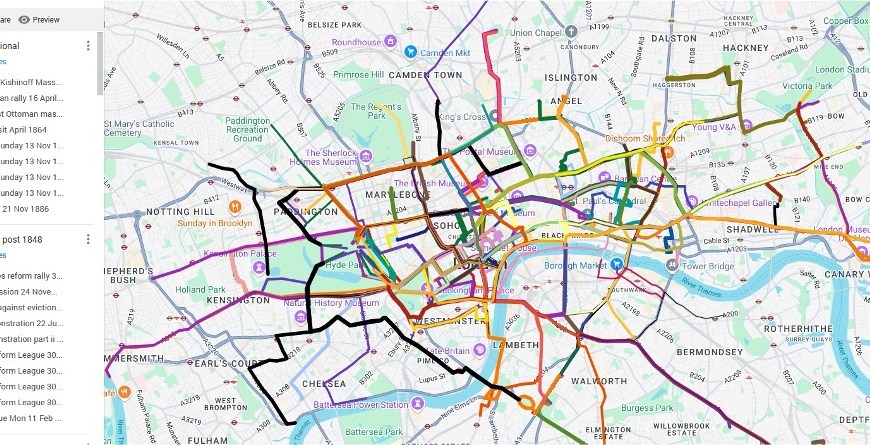
How did the routes of political processions and protest marches evolve in London during the nineteenth century?

At the IHR Parliaments, Politics and People seminar on 20 May 2025, Professor Katrina Navickas of the University of Hertfordshire will be discussing ‘The development of political processions and protest marches in London, 1780-1939’. The seminar takes place on 20 May 2025, between 5:30 and 6.30 p.m. It will be hosted online via Zoom. Details of how to join the discussion are available here. Protest marches in … Continue reading How did the routes of political processions and protest marches evolve in London during the nineteenth century?

‘A negative achievement’: Behind the scenes of the House of Lords Act 1999

Ahead of major pieces of legislation designed to reform the composition of the House of Lords, and our recent event ‘Reforming the House of Lords’ discussing the history of this tricky issue, Dr Emma Peplow, Head of Contemporary History, draws upon our Oral History Project to revisit the last time significant reforms were introduced. The House of Lords Act 1999 was the last major reform … Continue reading ‘A negative achievement’: Behind the scenes of the House of Lords Act 1999

‘Made of Stone’ (or not): Statues in Parliament Square

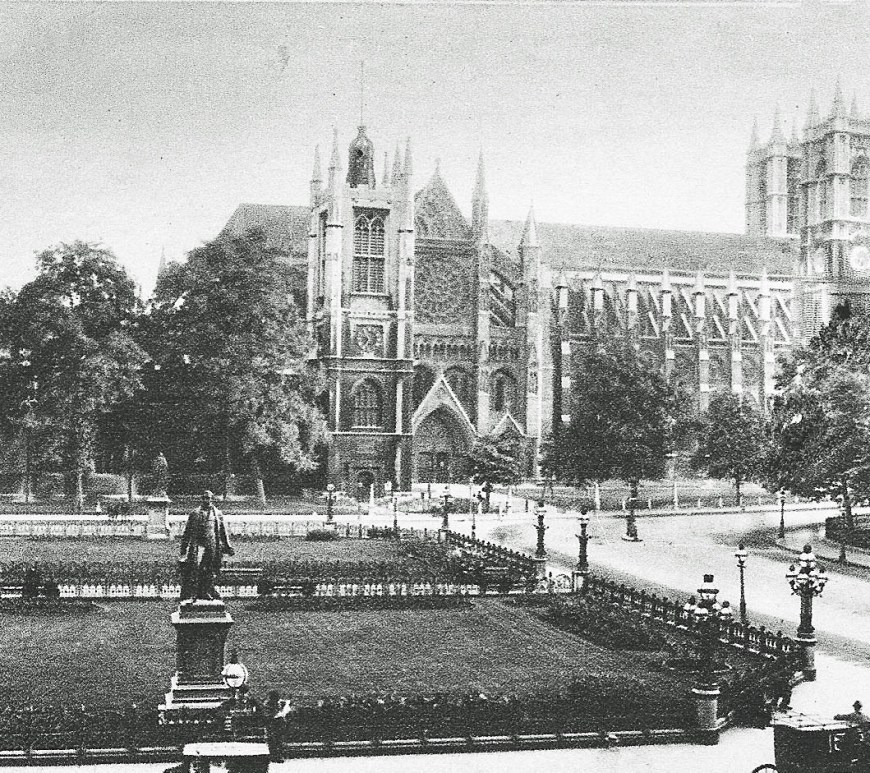
For the past few months our Head of Contemporary History, Dr Emma Peplow, has been on Matt Chorley’s Radio 5live show every Thursday afternoon discussing the figures commemorated in Parliament Square. Here she shares some of what she has learned…. Even if the statues in Parliament Square are not ‘Made of Stone’, as the introductory music to our feature on Matt Chorley’s Radio 5live programme … Continue reading ‘Made of Stone’ (or not): Statues in Parliament Square