Crossing the Floor: Tales from the Oral History Project

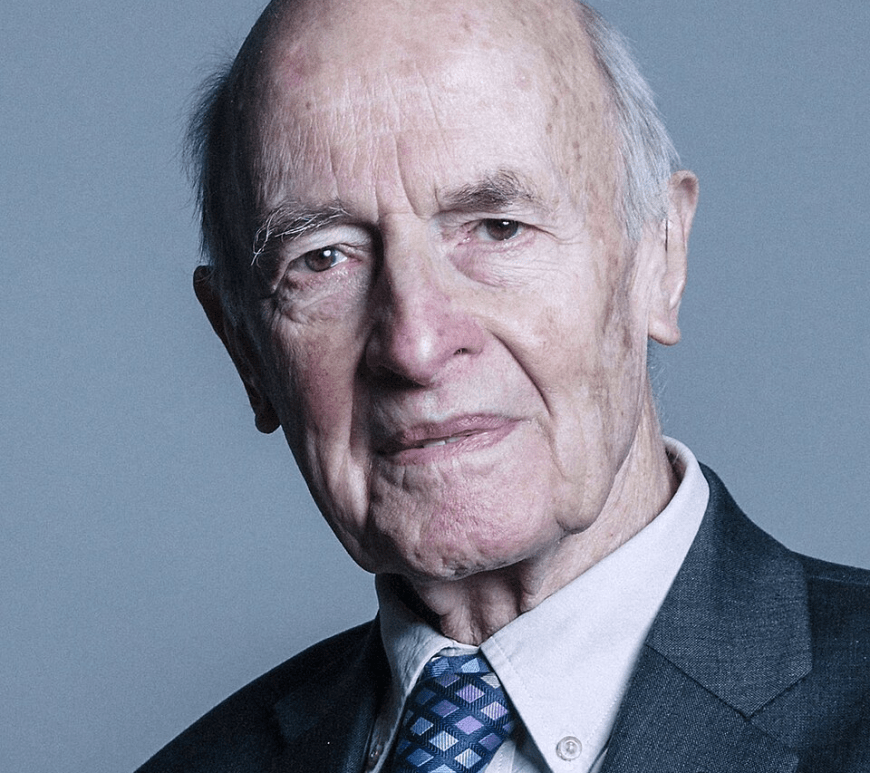
Following some recent, high-profile, political defections, Alfie Steer and Dr Emma Peplow have delved into the History of Parliament’s Oral History archive to explore historical cases of MPs changing their party affiliations: their causes, motivations and wider significance. Political defections, commonly known in Westminster parlance as ‘Crossing the Floor’, have been a phenomenon in Parliament since at least the 17th century. This has either happened … Continue reading Crossing the Floor: Tales from the Oral History Project

‘Confirmation of the People’s Rights’: commemorating the ‘Glorious Revolution’ of 1688

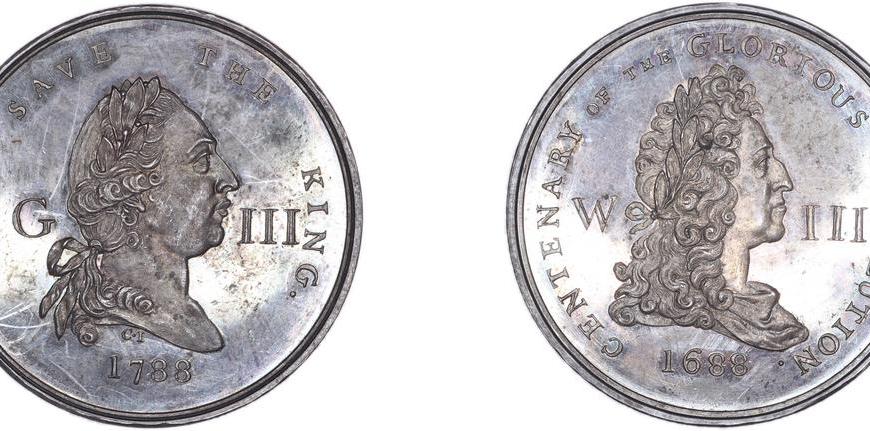
For many, the beginning of November means the advent of longer nights as the year winds down to Christmas. Some may still enjoy attending firework displays marking the failure of the 1605 Gunpowder Plot. In November 1788, though, serious efforts were made to establish a lasting memorial to the Revolution of 1688, whose centenary was celebrated nationwide. However, as Dr Robin Eagles shows, no one … Continue reading ‘Confirmation of the People’s Rights’: commemorating the ‘Glorious Revolution’ of 1688

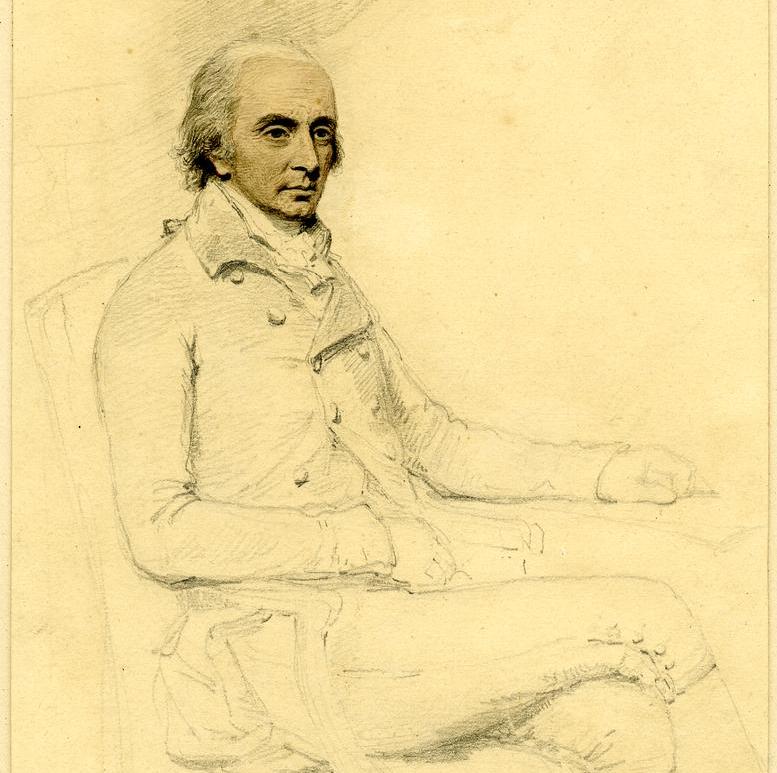
‘The sect of Alarmists’: The Third Party and the reluctant leadership of William Windham, 1793-4

In this latest post, the Georgian Lords welcomes a guest article by James Orchin, PhD student at Queen’s University, Belfast, re-examining William Windham’s ‘Third Party’, known as ‘The Alarmists’. The group was mostly made up of former Foxite Whigs, who had split from Fox over the French Revolution, and found itself positioned somewhat unhappily between Pitt the Younger’s administration and the Foxite opposition in the … Continue reading ‘The sect of Alarmists’: The Third Party and the reluctant leadership of William Windham, 1793-4

‘I have attached myself to no party’: Daniel Gaskell and parliamentary life in the 1830s

Our Victorian Commons project is shedding new light on the increasingly important role played in the behind-the-scenes business of the post-1832 House of Commons, particularly in the committee-rooms, by MPs who came from non-elite backgrounds. Dr Kathryn Rix looks at the life and career of Daniel Gaskell (1782-1875), including his friendship with the author Mary Shelley. Described by the novelist Mary Shelley as ‘a plain … Continue reading ‘I have attached myself to no party’: Daniel Gaskell and parliamentary life in the 1830s

From bills to bullets: Spring 1775 and the approach to war in America

A recent article in this series [Background to the American Revolution] looked at the debates in the House of Lords in early February 1775 on a bill for conciliation with the American colonies. After its rejection the imperial crisis continued to occupy the House’s attention. In the latest post for the Georgian Lords, Dr Charles Littleton considers the debates and divisions occasioned by the addresses, … Continue reading From bills to bullets: Spring 1775 and the approach to war in America

The evolving electoral system: the 1835 and 1865 general elections compared

This year marks the 190th anniversary of the 1835 general election and the 160th anniversary of the 1865 general election. Our assistant editor Dr Kathryn Rix looks at some of the ways in which the electoral system had evolved in the thirty years between them. The 1835 and 1865 general elections both took place under the electoral system established by the 1832 Reform Act, with … Continue reading The evolving electoral system: the 1835 and 1865 general elections compared

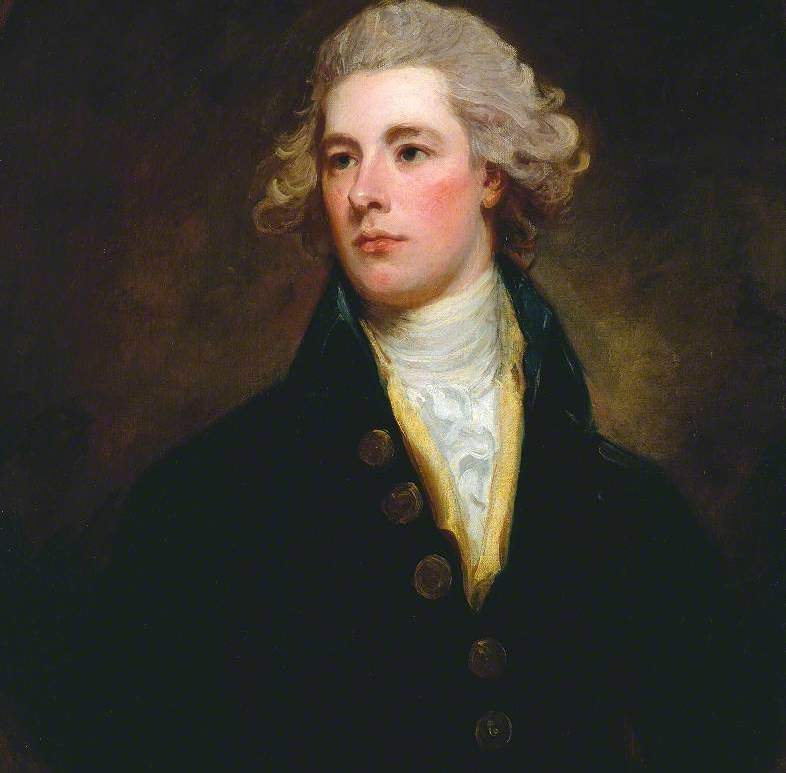
portrait of a young man in 18th-century dress

‘of all others most desirable’: Pitt the Younger and elections for Cambridge

From the onset of his lengthy political career, William Pitt the Younger had his eyes fixed on representing his alma mater, the University of Cambridge. Writing to his mother in July 1779, he observed that the University seat was ‘of all others most desirable, as being free from expense, perfectly independent, and I think in every respect extremely honourable’. In this latest guest post for … Continue reading ‘of all others most desirable’: Pitt the Younger and elections for Cambridge

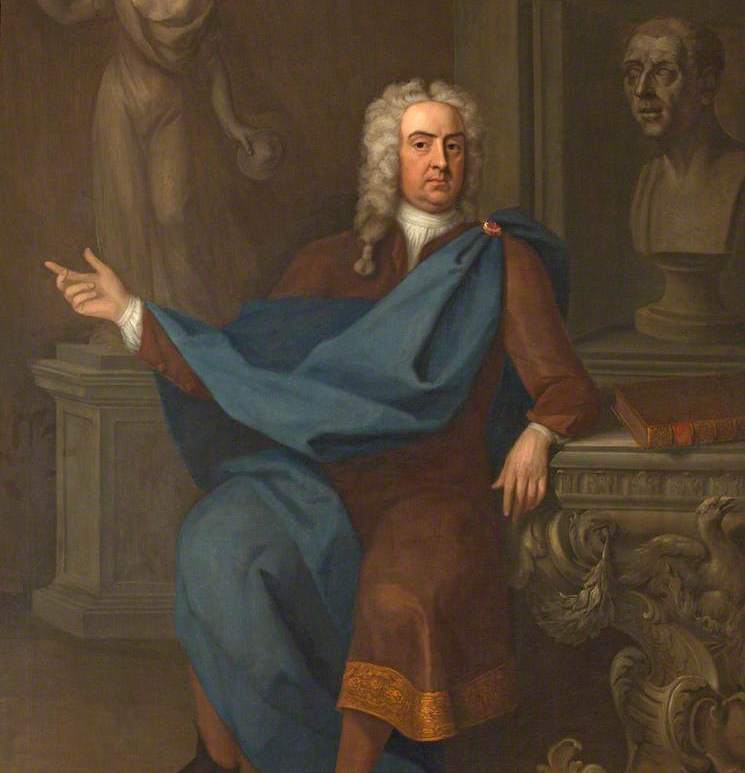
Painting of a man in 18th-century dress with a long grey wig, wearing a brown coat with a blue robe set among classical figures.

Some thoughts on William Pulteney, earl of Bath

The 31 May 2025 marks Dr Stuart Handley’s last day at the History of Parliament. One of his last biographies for The House of Lords, 1715-90 has been William Pulteney, earl of Bath. It will be the third History of Parliament biography of Pulteney, his long career having been covered by Dr Andrew Hanham in The House of Commons, 1690-1715, and by Dr Romney Sedgwick … Continue reading Some thoughts on William Pulteney, earl of Bath

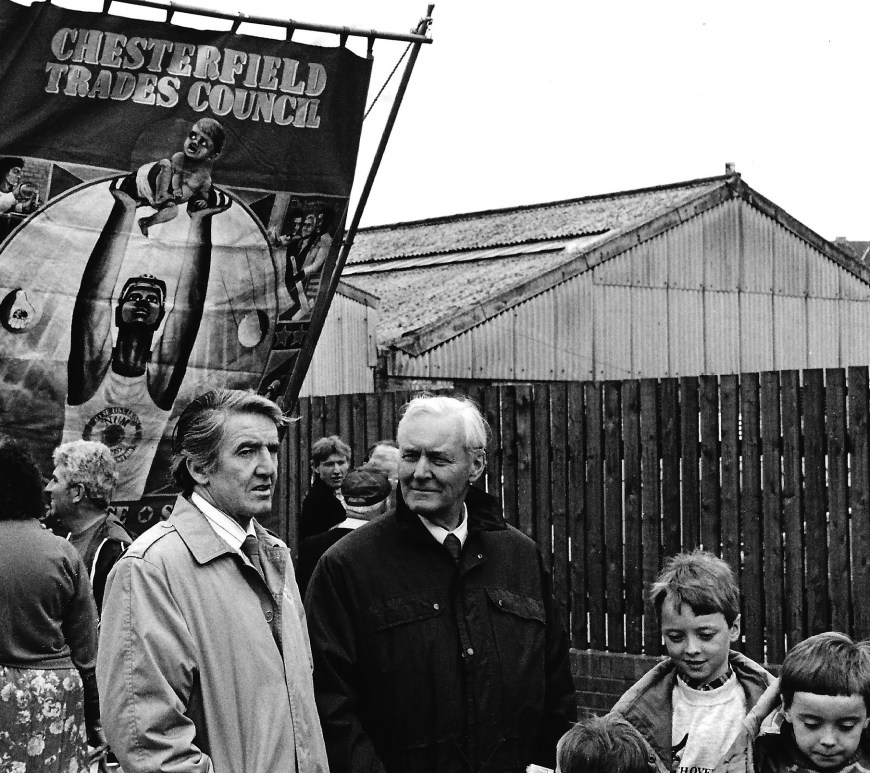
‘A Socialist Identity in Parliament’? The Campaign Group of Labour MPs, 1982-2015

Ahead of next Tuesday’s Parliaments, Politics and People seminar, we hear from Alfie Steer of Hertford College, University of Oxford. On 11 February Alfie will discuss the Campaign Group of Labour MPs, 1982-2015. The seminar takes place on 11 February 2025, between 5:30 and 6.30 p.m. It is fully ‘hybrid’, which means you can attend either in-person in London at the IHR, or online via Zoom. Details of … Continue reading ‘A Socialist Identity in Parliament’? The Campaign Group of Labour MPs, 1982-2015

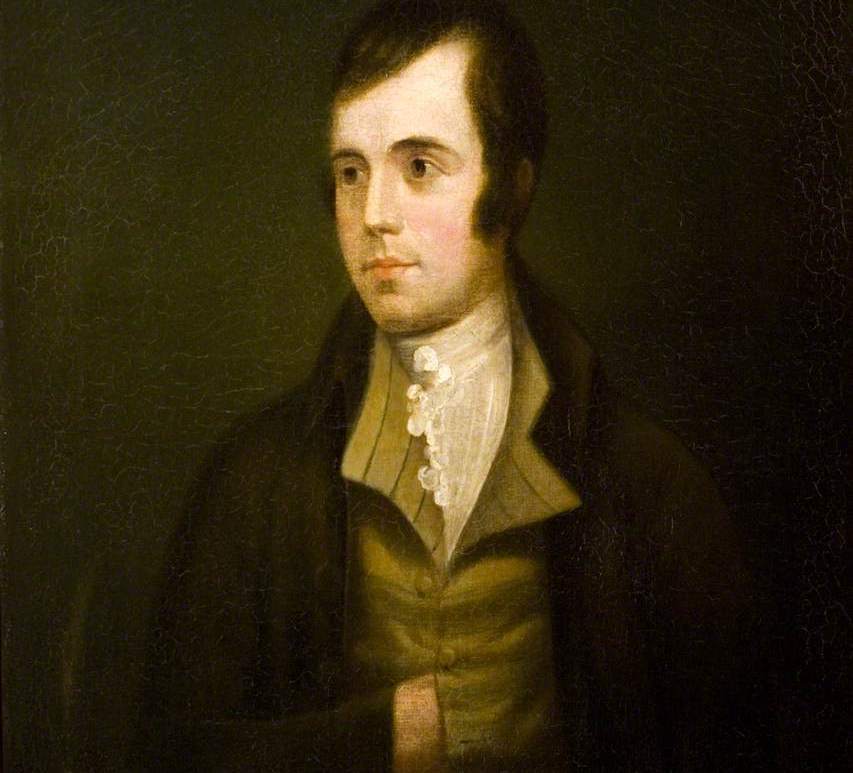
Portrait of a young man with dark hair wearing 18th-century clothing, a dark coat and a buff waistcoat

Robert Burns in Edinburgh: peers, patrons, and politics

In the wake of Burns Night, it is worth considering how the patronage of a small number of Scottish nobles helped Robert Burns become established as the national bard. In his latest piece for the Georgian Lords, Dr Charles Littleton, considers the important role played by a clutch of elite Scots families. Burns first published his Poems, Chiefly in the Scottish Dialect, in Kilmarnock in … Continue reading Robert Burns in Edinburgh: peers, patrons, and politics