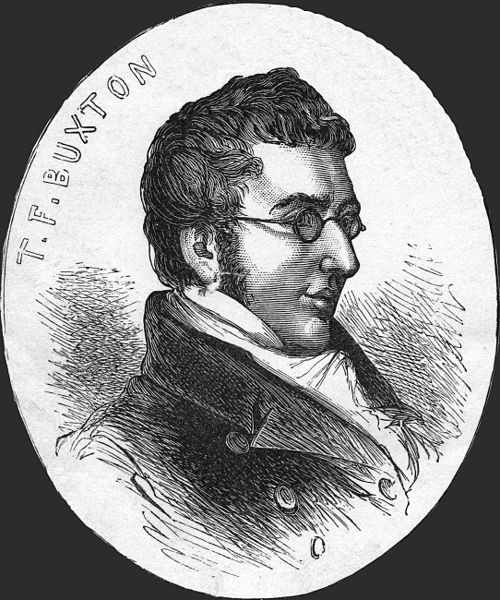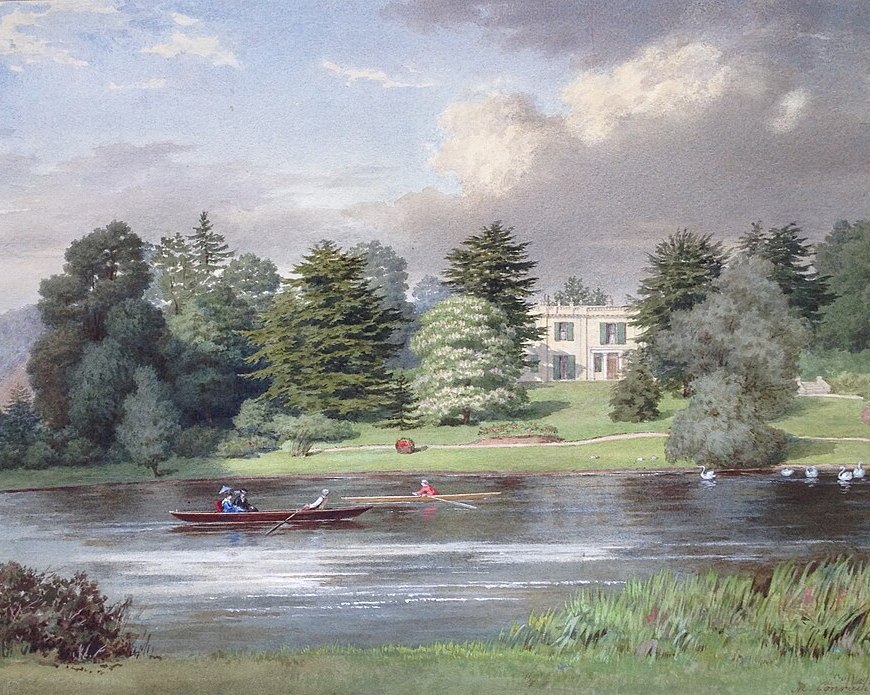
‘Good for nothing and lived like a hog’: the destructive obsession of Francis, Lord Deincourt

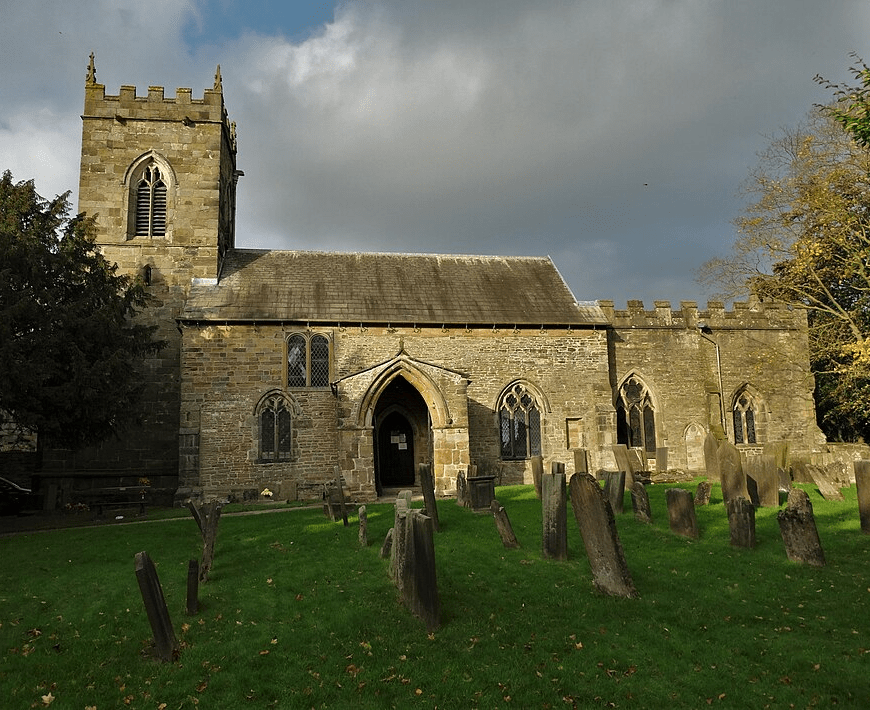
Dr Patrick Little of the 1640-60 Lords section, explores the strange life of a peer who valued money above everything. It had started so well. Francis Leak, the son of Sir Francis Leak, a prosperous landowner in Derbyshire and Nottinghamshire, was the first of his family to try to establish himself on the national stage. He had already taken the important first step of marrying … Continue reading ‘Good for nothing and lived like a hog’: the destructive obsession of Francis, Lord Deincourt

‘The most surprising instance of a change of fortune raised by a man himself’: the case of James Brydges, 1st duke of Chandos

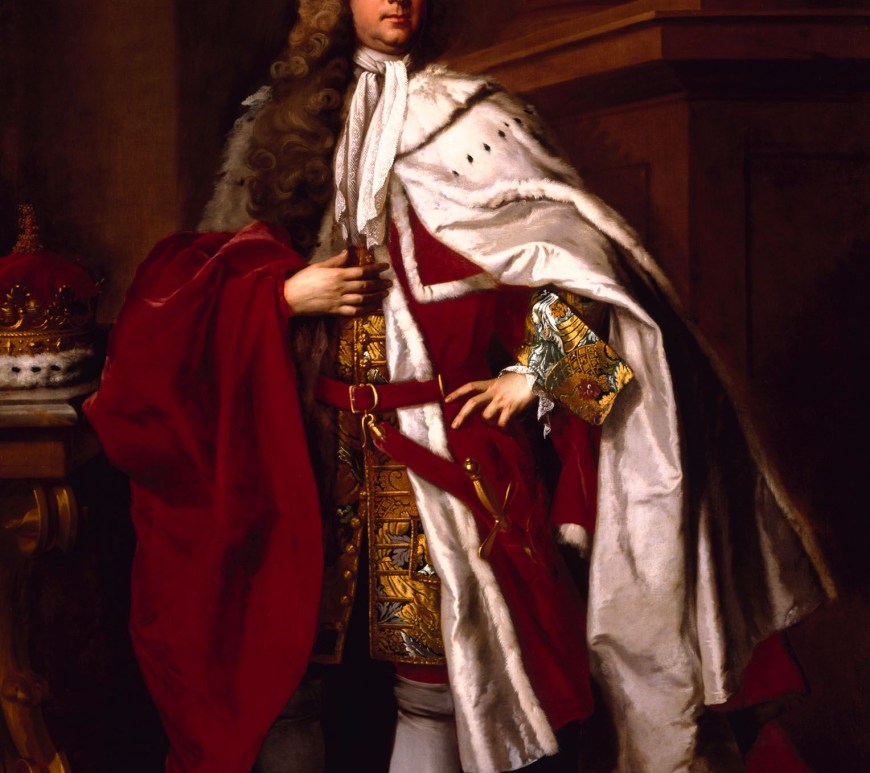
In the latest blog for the Georgian Lords, Dr Charles Littleton, considers the career of the 1st duke of Chandos, a man who rose to become one of the most flamboyant peers of the early 18th century and a key patron of the composer, Handel. Last month saw the 280th anniversary of the death of an intriguing and, in his time, prominent 18th-century aristocrat. Intriguing, … Continue reading ‘The most surprising instance of a change of fortune raised by a man himself’: the case of James Brydges, 1st duke of Chandos

1833 Slavery Abolition Act: The Long Road to Emancipation in the British West Indies

Today marks the anniversary of the 1833 Slavery Abolition Act receiving royal assent. But why was this bill necessary 26 years after the passing of the 1807 Slave Trade Act, and why was full emancipation not reached until 1838? Our Public Engagement Assistant Joe Baker looks further into the specifics of the Act… In 1807, Parliament passed An Act for the Abolition of the Slave … Continue reading 1833 Slavery Abolition Act: The Long Road to Emancipation in the British West Indies

Great Parliamentary Gardeners- The Nineteenth and Twentieth Centuries Compared

The beginning of May marks the Royal Horticultural Society’s National Gardening Week, but many of the Parliamentarians in our volumes didn’t need extra encouragement to tend to their gardens. In this, the first of two blogs, guest blogger Dr Jonathan Denby looks at differing level of importance that was placed on gardening for MPs across the 19th and 20th centuries… Sir Roderick Floud’s magisterial ‘An … Continue reading Great Parliamentary Gardeners- The Nineteenth and Twentieth Centuries Compared

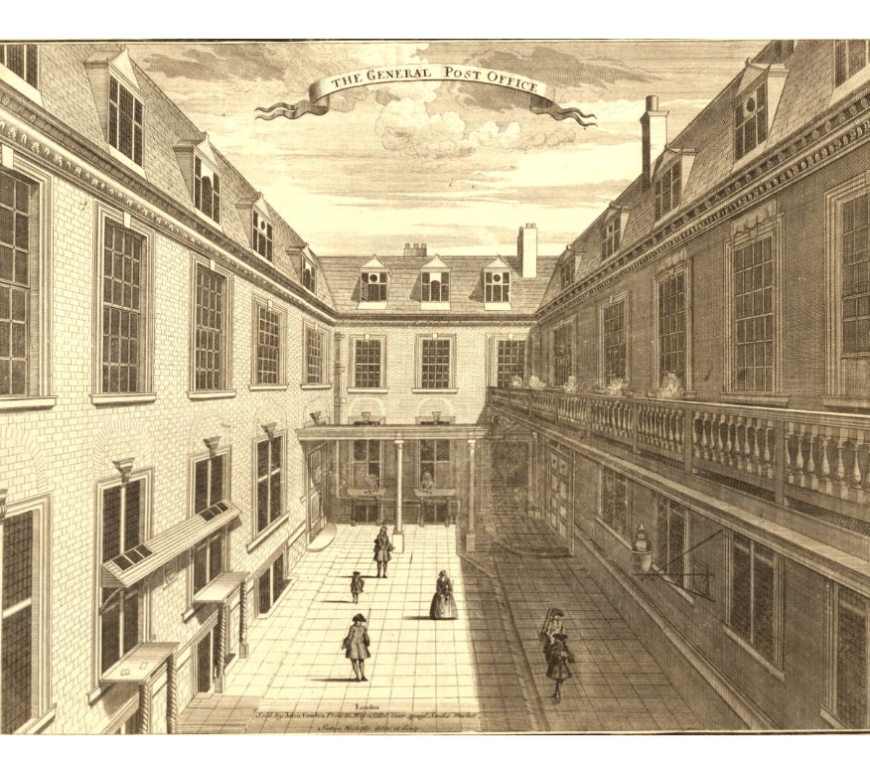
‘A very good bed for old courtiers to rest in’: The 18th-century Post Office and its Postmasters-General

Much attention has concentrated recently on the scandal surrounding the Post Office’s prosecutions of numerous sub-postmasters and -mistresses. The 18th-century Post Office was established and run on very different lines than that of today, but as Dr Charles Littleton shows, it too was not immune from scandal, parliamentary scrutiny, or partisan politics. The Post Office Act of 1711 had established a single Post Office for … Continue reading ‘A very good bed for old courtiers to rest in’: The 18th-century Post Office and its Postmasters-General

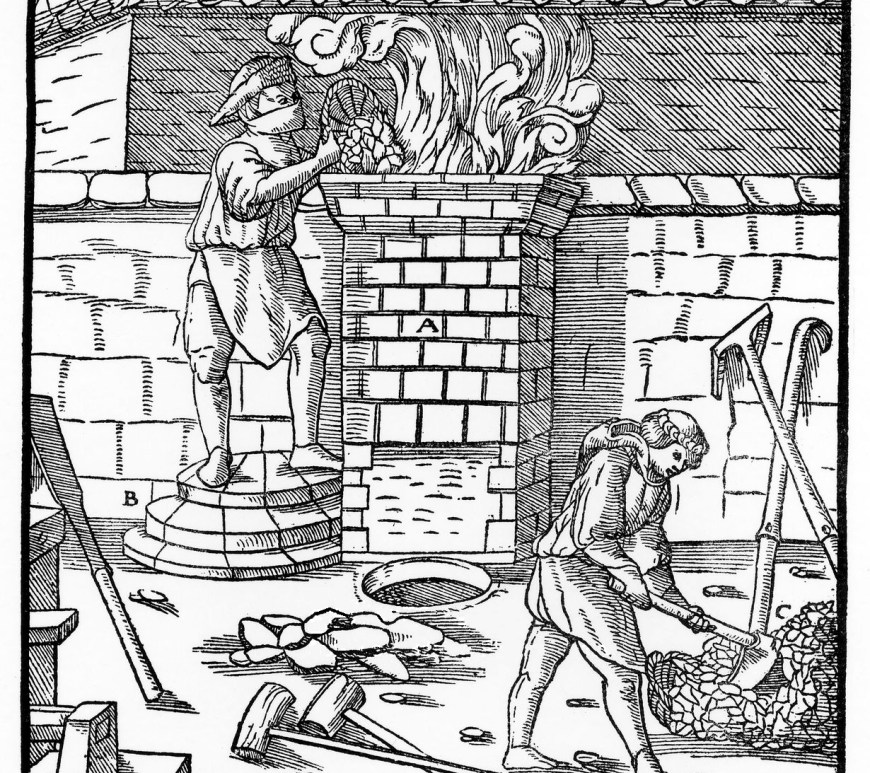
Parliament and the Elizabethan energy crisis

Steep increases in fuel bills are not just a modern problem, as Dr Paul Hunneyball of our Lords 1558-1603 section explains… The picture sounds all too familiar: rapidly rising fuel prices; people on low incomes struggling to heat their homes; concerns about long-term supplies; and suspicions of profiteering by those in a position to manipulate the market. But these aren’t the woes of 2023. We’re … Continue reading Parliament and the Elizabethan energy crisis

Funding the defence of the realm (or not…)

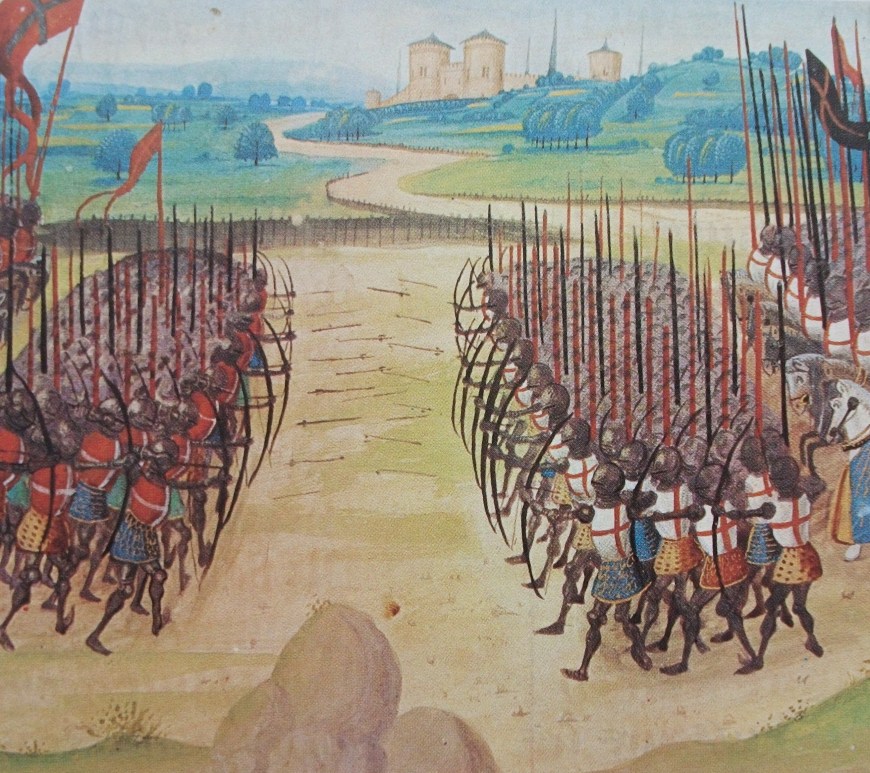
As questions of defence spending continue to be discussed in the chambers of Westminster, here Dr Hannes Kleineke, editor of our Commons 1461-1504 project, looks into 15th century attempts to secure more money for this purpose, to varying degrees of success… The story of the rise of the English Parliament is inextricably interwoven with the Crown’s acceptance in the 13th century that it should not … Continue reading Funding the defence of the realm (or not…)

The Union in Peril: The British Government and the Scottish Question in the Shadow of the Oil Crisis, c. 1973-1975.

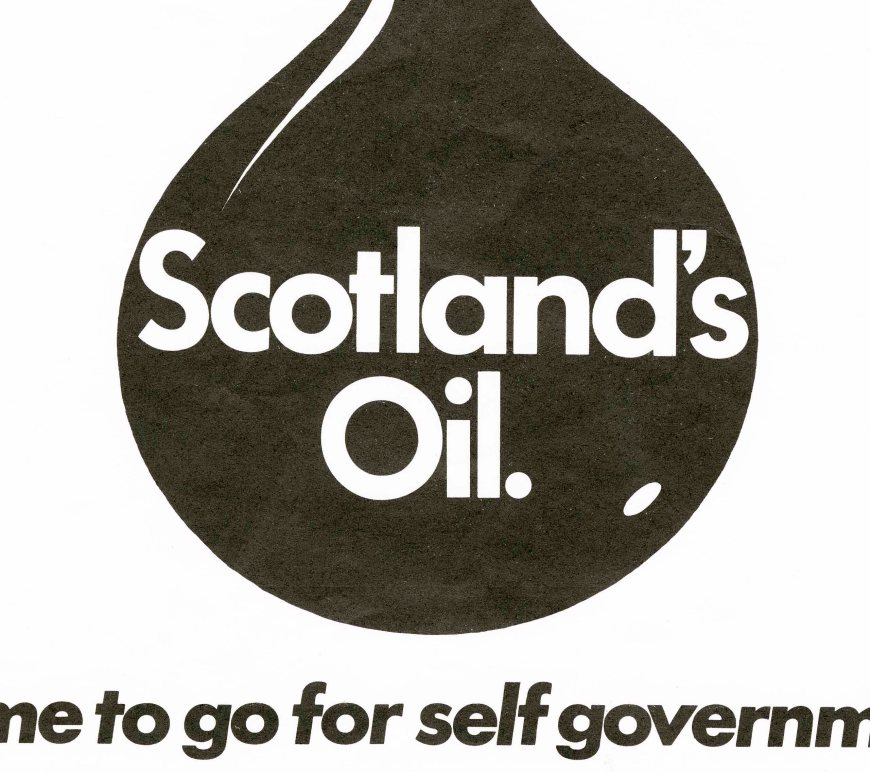
Ahead of next Tuesday’s Virtual IHR Parliaments, Politics and People seminar, we hear from Robbie Johnston of the University of Edinburgh. On 10 May 2022, between 5.15 p.m. and 6.30 p.m., Robbie will be responding to your questions about his paper on Parliament and the Scottish question in the 1970s. Robbie’s full-length paper is available by signing up to his seminar and contacting seminar@histparl.ac.uk. Details of how to join the discussion are … Continue reading The Union in Peril: The British Government and the Scottish Question in the Shadow of the Oil Crisis, c. 1973-1975.

Legislature meets library: Parliament at Oxford in 1625

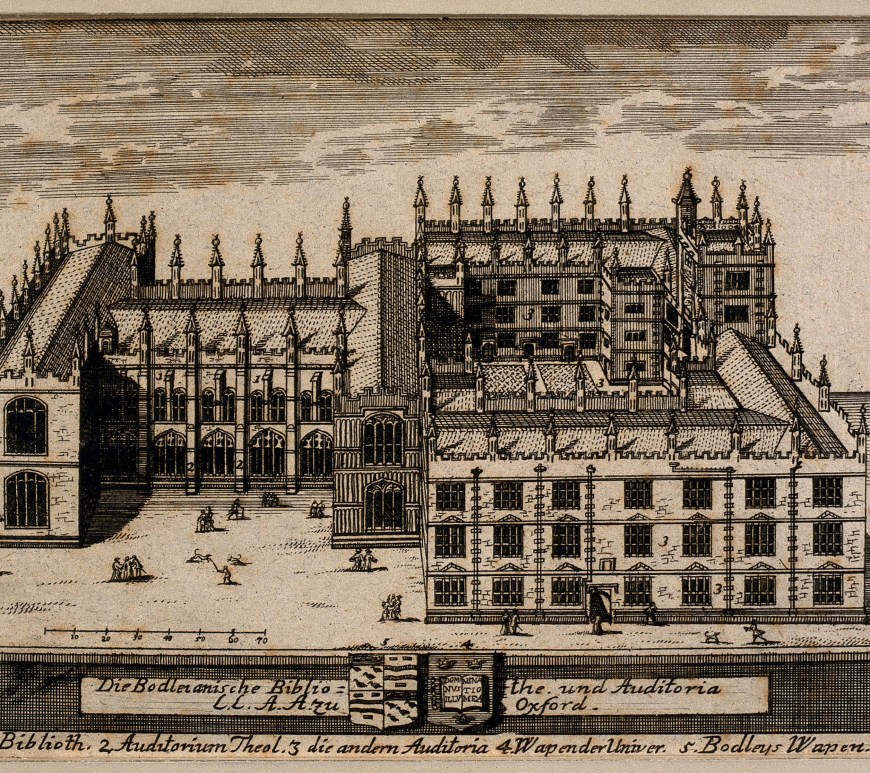
As part of our Parliament away from Westminster series, Dr Paul Hunneyball of our Lords 1558-1603 section explores the factors which led to England’s oldest university hosting Parliament for the first time since 1258… In July 1625 Charles I faced the first crisis of his reign. England was currently at war with Spain, and the king urgently needed money to fund a fresh campaign. Parliament … Continue reading Legislature meets library: Parliament at Oxford in 1625

Gladstone and Ireland: A Financial Approach

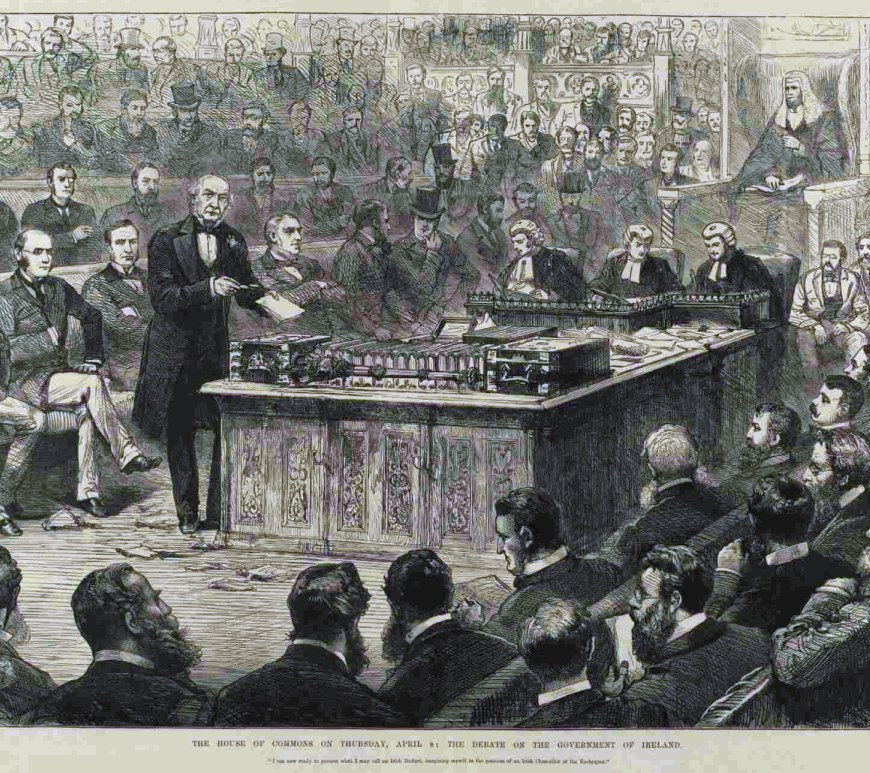
Ahead of next Tuesday’s Virtual IHR Parliaments, Politics and People seminar, we hear from Dr Douglas Kanter of Florida Atlantic University. On 7 December 2021, between 5.15 p.m. and 6.30 p.m., Douglas will be responding to your questions about his pre-circulated paper on ‘Gladstone and Ireland: A Financial Approach’. Details of how to join the discussion are available here, or by contacting seminar@histparl.ac.uk. William Ewart … Continue reading Gladstone and Ireland: A Financial Approach