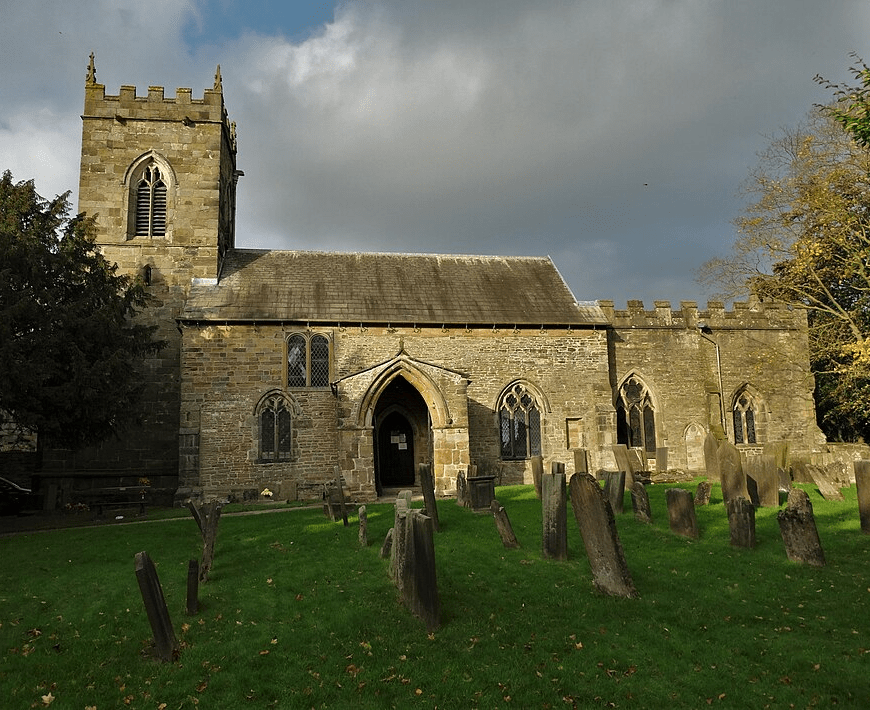
‘Good for nothing and lived like a hog’: the destructive obsession of Francis, Lord Deincourt

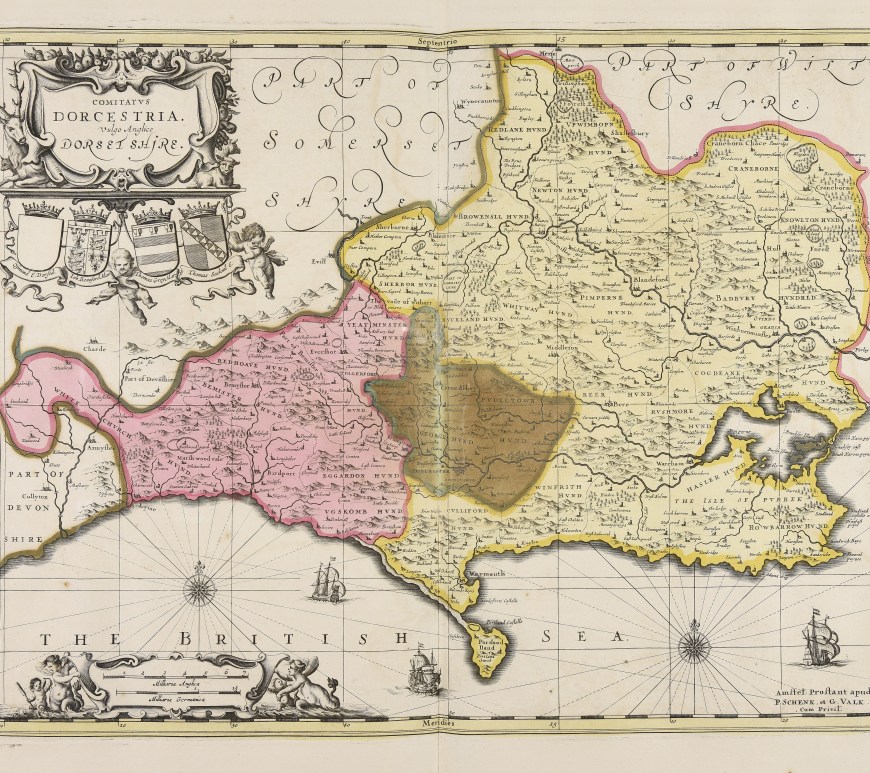
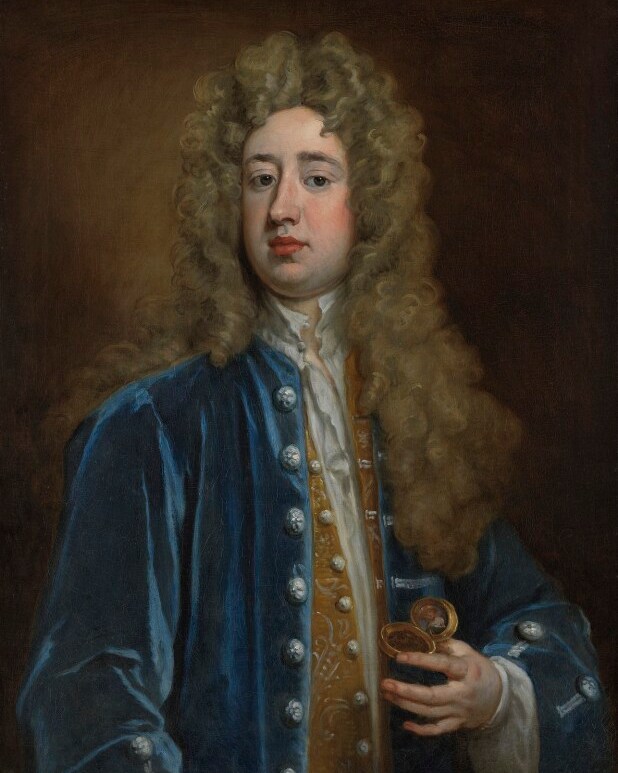
Dr Patrick Little of the 1640-60 Lords section, explores the strange life of a peer who valued money above everything. It had started so well. Francis Leak, the son of Sir Francis Leak, a prosperous landowner in Derbyshire and Nottinghamshire, was the first of his family to try to establish himself on the national stage. He had already taken the important first step of marrying … Continue reading ‘Good for nothing and lived like a hog’: the destructive obsession of Francis, Lord Deincourt

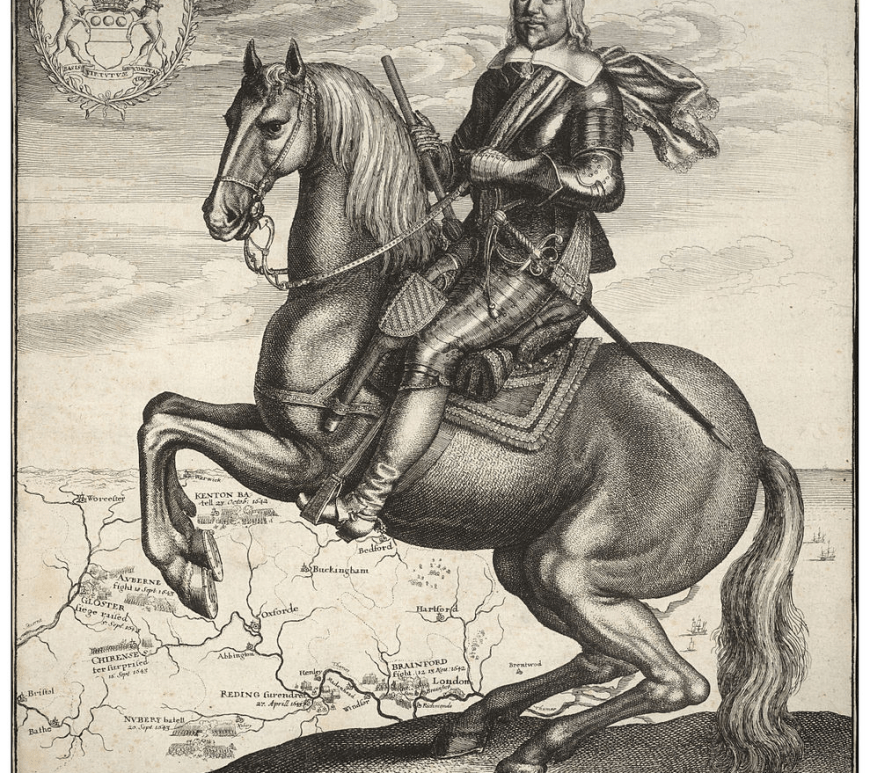
‘Friendship and alliance’: the marquess of Hertford and the earl of Essex

In the latest Revolutionary Stuart Parliaments article, Dr Patrick Little looks at the relationship between two brothers-in-law who ended up on opposing sides during the civil war. William Seymour, 2nd earl (and later 1st marquess) of Hertford married Frances Devereux, sister of Robert Devereux, 3rd earl of Essex, in 1617. This was a match between two powerful families, both of which had experienced the ups … Continue reading ‘Friendship and alliance’: the marquess of Hertford and the earl of Essex

The Sport of Kings – and Protectors!

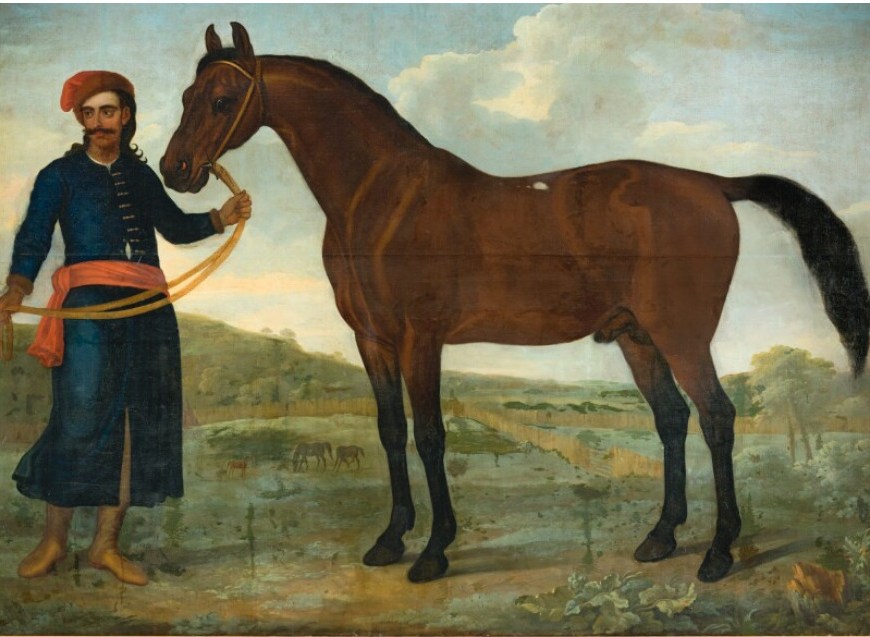
In this blog, Dr Patrick Little, of the 1640-60 Lords section, explores the enduring popularity of horse-racing, even during the rule of that archetypal puritan, Oliver Cromwell… Oliver Cromwell is blamed for many things without any basis. There are ruined castles said to have been destroyed by him (even though he never went near them); Christmas was famously banned by him (it wasn’t – blame … Continue reading The Sport of Kings – and Protectors!

Changing sides: ‘turncoats’ in the English Civil Wars

Throughout the English Civil Wars, it was common for people to switch sides between Parliamentarians and Royalists; these people earned the nickname ‘turncoat’. Dr Patrick Little from our Lords 1640-1660 project explores two obscure figures in the Civil Wars and why they became turncoats. The English Civil War divided communities along religious and political lines. But those divisions did not always extend to social networks, the … Continue reading Changing sides: ‘turncoats’ in the English Civil Wars

The Madness of the Mohuns

Violence was not uncommon among the early modern aristocracy, but the behaviour of the Mohun (pronounced ‘Moon’) family – Barons Mohun of Okehampton – was shocking even to contemporaries. In the next blog for our Revolutionary Stuart Parliaments series, Dr Patrick Little from our Lords 1640-1660 project explores the family weakness for mindless violence… John Mohun, 1st Baron Mohun, was proud of his ancestry, boasting … Continue reading The Madness of the Mohuns

Silence and Laughter in the Cromwellian House of Commons

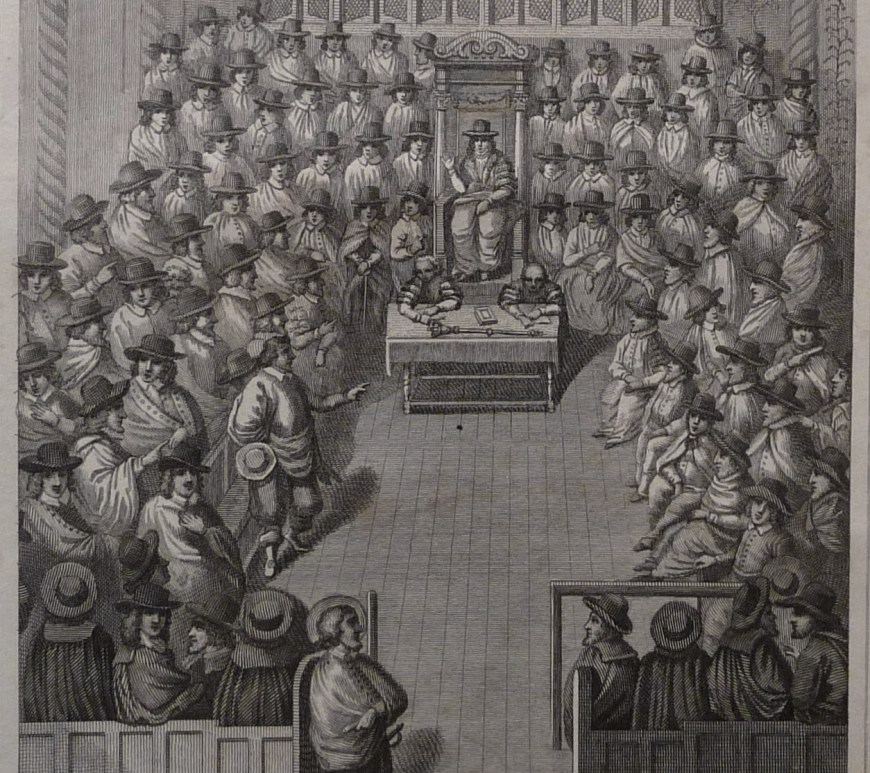
On our blog we have often heard about the origins of the many strange and enduring traditions that exist within Westminster. In today’s blog Dr Patrick Little from our Commons 1640-1660 project takes a look at the use of non-verbal reactions within the Cromwellian Commons Chamber… When trying to understand debates in early modern Parliaments, historians rely on diaries: the private journals kept by individual … Continue reading Silence and Laughter in the Cromwellian House of Commons

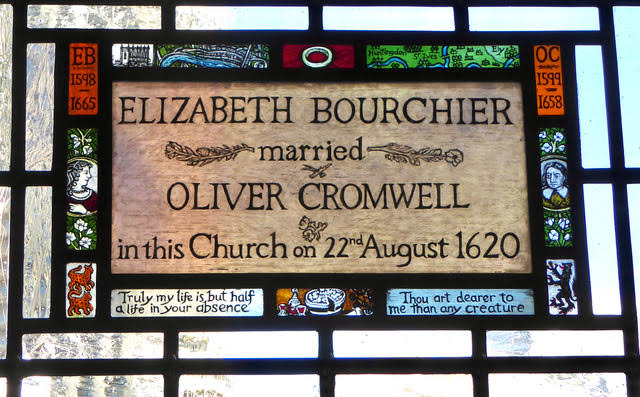
The Love Life of Oliver Cromwell

In the second of his posts exploring the popular reputation of the lord protector, Dr Patrick Little, senior research fellow on our Commons 1640-1660 project, takes a look at his private life… Stories of Oliver Cromwell’s sexual adventures became commonplace after the Restoration. Two rumours circulated. In the first, he was linked with Elizabeth Murray, countess of Dysart in her own right, wife of the … Continue reading The Love Life of Oliver Cromwell

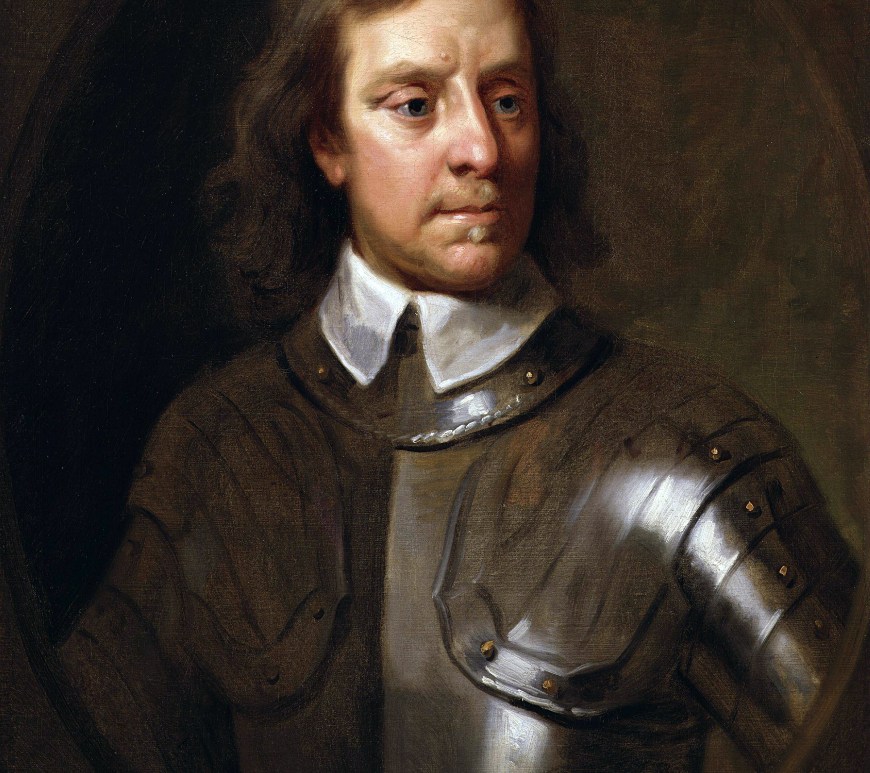
Oliver the red-nosed protector: Cromwell’s physiognomy revisited

In today’s blog we hear from Patrick Little, senior research fellow in our Commons 1640-1660 project, who is looking into one of Oliver Cromwell’s more famous assets… Oliver Cromwell is famous for his warts. In the Horrible Histories series, the volume devoted to the lord protector is called Oliver Cromwell and his Warts; a Google search of ‘Cromwell warts’ yields 1.4 million results; ‘warts and … Continue reading Oliver the red-nosed protector: Cromwell’s physiognomy revisited

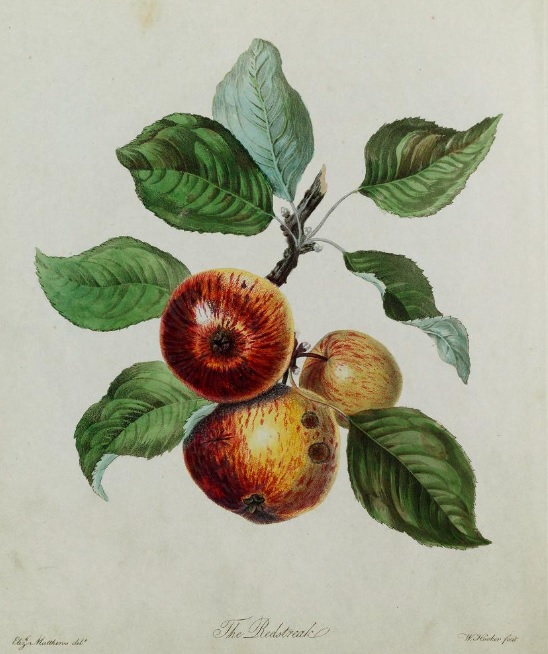
Red Streak: cider-making and drinking in Cromwellian Herefordshire

As we contemplate the further lifting of Covid restrictions on hospitality venues, Dr Patrick Little of our Commons 1640-1660 project looks at the pleasures and pitfalls of drinking a native beverage in the seventeenth century, and the science behind its production… Cider has been produced in England since Norman times, if not before, with different traditions emerging in the east (notably East Anglia and Kent) … Continue reading Red Streak: cider-making and drinking in Cromwellian Herefordshire

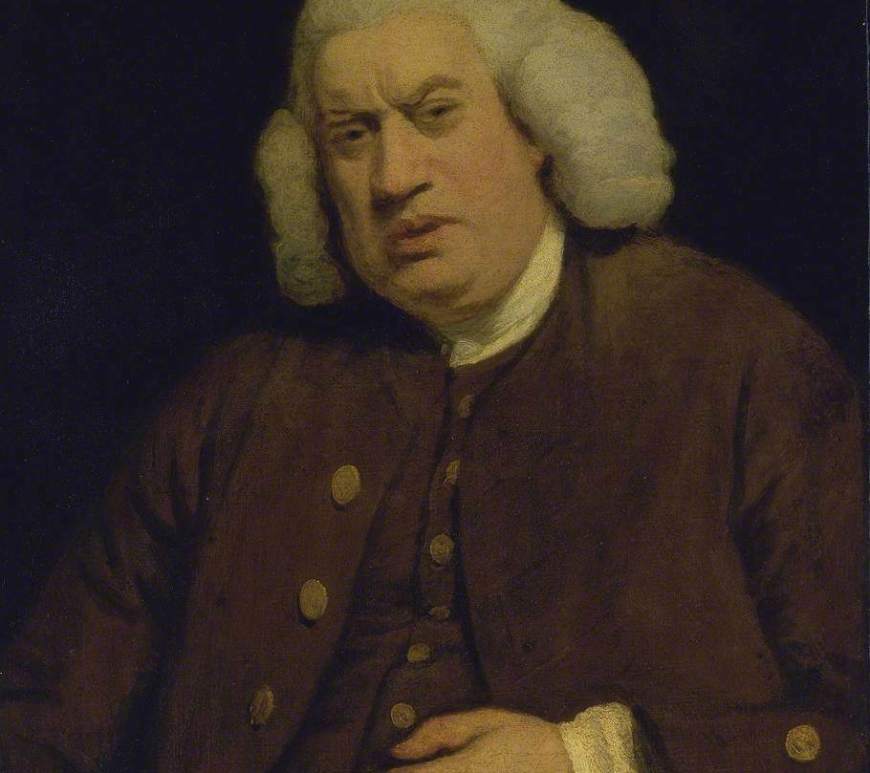
A History of Parliamentary Cucumbers

Our friends at Hansard at Huddersfield provide a great tool for tracking the popularity of certain words in parliamentary debate. It is unsurprising that the use of ‘deal’ and ‘Brexit’ have been common over the last few years, but, as Dr Patrick Little from our Commons 1640-1660 project explores below, there is one word little used in the chamber… cucumbers. Dr Samuel Johnson (1709-84) is … Continue reading A History of Parliamentary Cucumbers