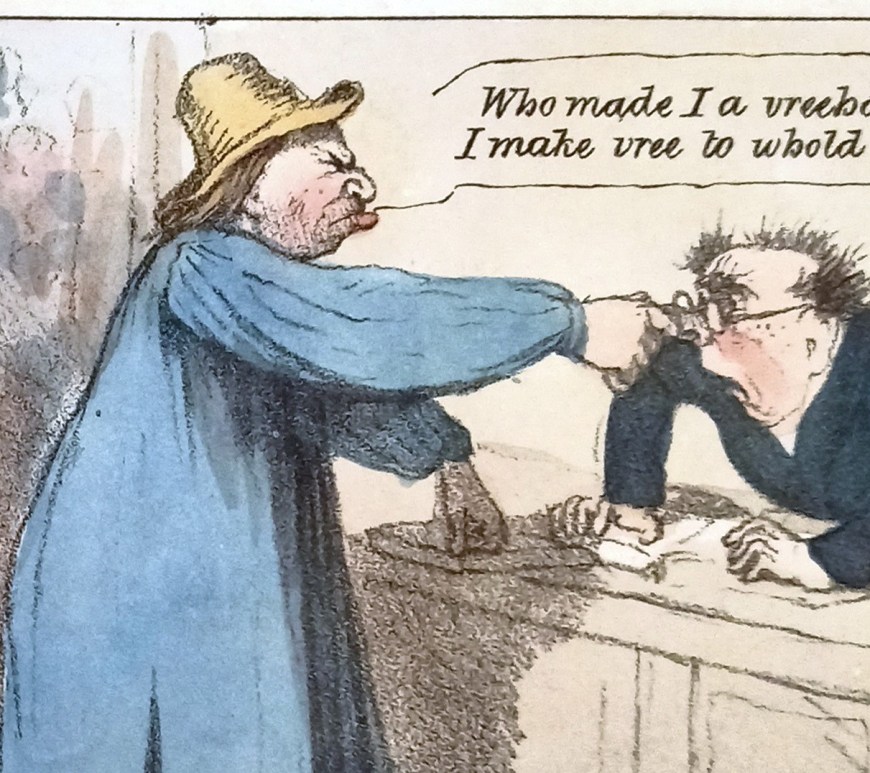
How many people could vote in the UK after the 1832 Reform Act?

As part of our series of ‘explainer’ articles, aimed at clarifying the workings of the United Kingdom’s historic political system, Dr Martin Spychal examines how many people could vote in the UK after the 1832 Reform Act. This article draws from a new dataset of voting information for each constituency between 1832 and 1867, which Martin has been developing for the History of Parliament’s Commons … Continue reading How many people could vote in the UK after the 1832 Reform Act?

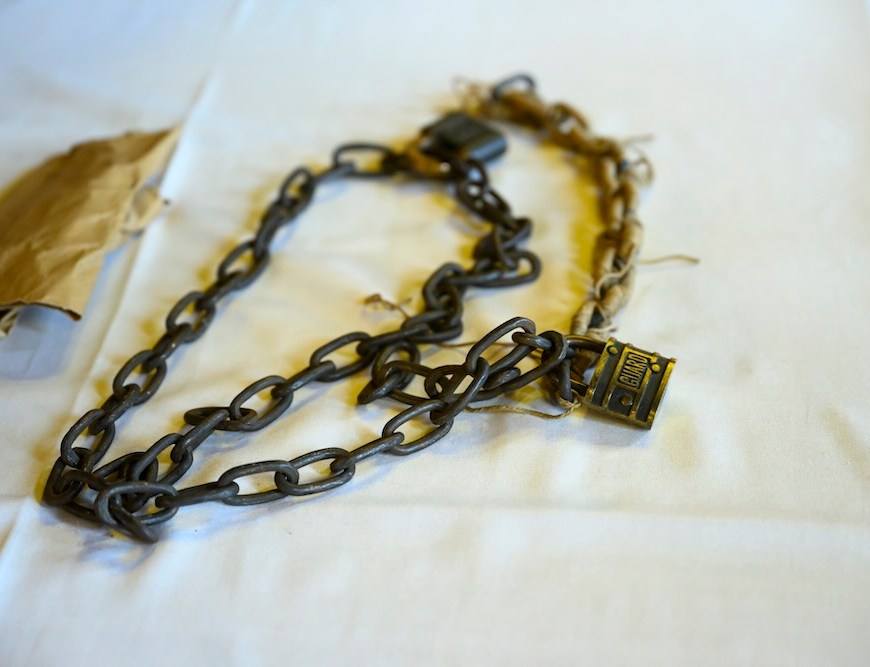
The Speakers and the Suffragettes

At the IHR Parliaments, Politics and People seminar on Tuesday 28 October, Dr Mari Takayanagi will be discussing ‘The Speakers and the Suffragettes’. The seminar takes place on 28 October 2025, between 5:30 and 6:30 p.m. It is fully ‘hybrid’, which means you can attend either in-person in London at the IHR, or online via Zoom. Details of how to join the discussion are available … Continue reading The Speakers and the Suffragettes

The 1832 Reform Act

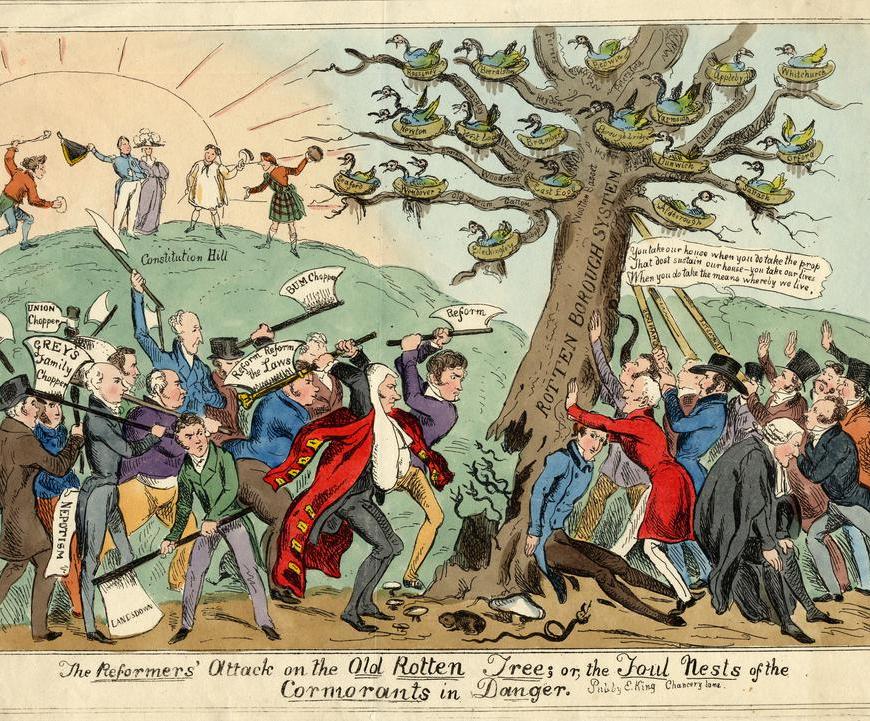
‘Was the 1832 Reform Act “Great”?’ may not be the standard exam question it once was, but ongoing research about the Act’s broader legacy and impact on political culture, based on new resources and analytical techniques, continues to reshape our understanding of its place in modern British political development, as Dr Philip Salmon of our House of Commons, 1832-1945 project explains. For a 20 minute … Continue reading The 1832 Reform Act

House of Lords reform: a Victorian perspective

Unlike the House of Commons, which underwent major ‘democratic’ reform in the 19th century, the Lords remained virtually unchanged during the entire Victorian period. With a new hereditary peers bill now entering its final stages, Dr Philip Salmon explores how and why the House of Lords was able to survive the ‘age of reform’, highlighting constitutional difficulties that still have relevance today. The 19th century … Continue reading House of Lords reform: a Victorian perspective

The 1872 Secret Ballot and Multiple Member Seats

In this post about the introduction of the ballot in UK elections, based on a seminar talk (click here to view), Dr Philip Salmon examines some of the problems secret voting initially caused and their unintended consequences. The Ballot Act of 1872 sits alongside the three major Reform Acts of the 19th century (and various Corrupt Practices Acts) in helping to transform British elections into … Continue reading The 1872 Secret Ballot and Multiple Member Seats

‘Damn the secret ballot’: the UK’s public voting system before 1872

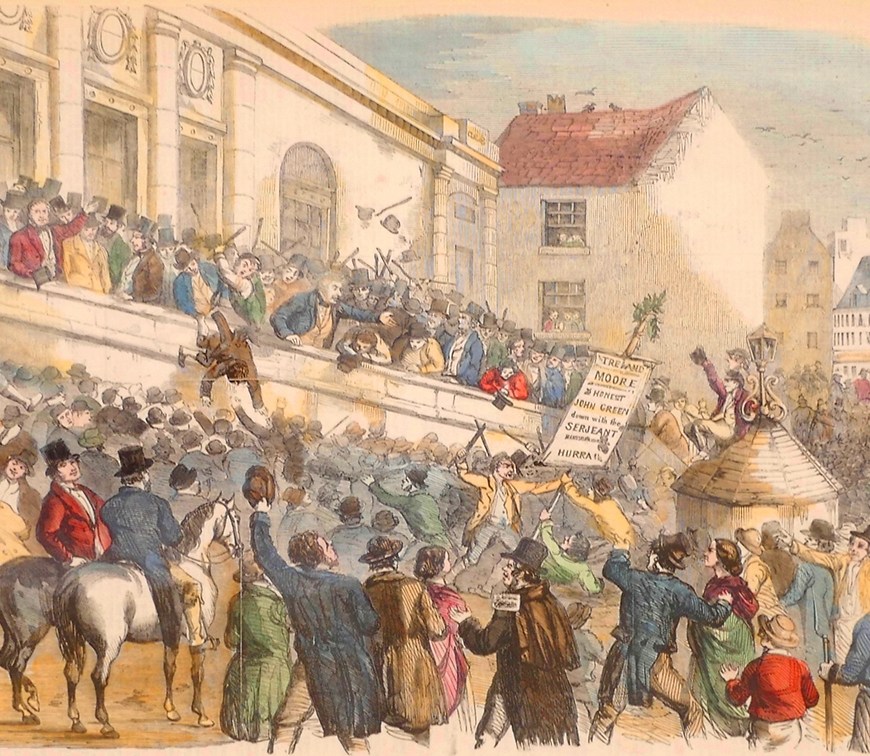
Today (18 July) marks another anniversary of the 1872 Secret Ballot Act, a topic we examined in more detail in a seminar back in 2022 (click here to view). But secret voting is now so engrained in our political culture that it’s easy to lose sight of the way the public voting system that served Britain for so many centuries worked. We’ve touched on public … Continue reading ‘Damn the secret ballot’: the UK’s public voting system before 1872

Harriet Grote (1792-1878) and the first reformed Parliament, 1833-34: a woman at Westminster

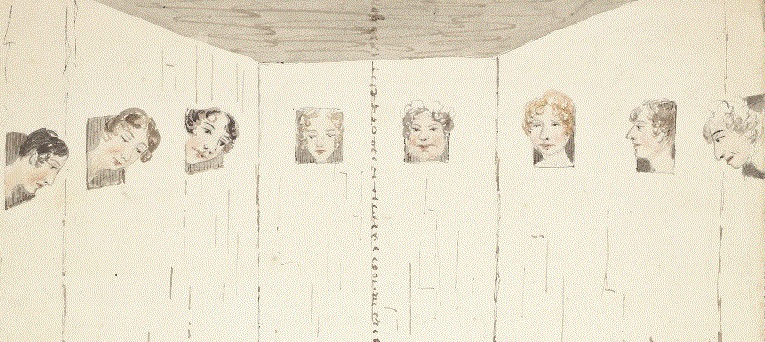
In the third of his articles on Harriet Grote (1792-1878), our research fellow Dr Martin Spychal looks at Harriet’s introduction to politics at Westminster during the first ‘reformed’ Parliament of 1833-34. Harriet Grote (1792-1878) was one of the most important British politicians of the 1830s. As I’ve discussed in my previous articles, she had been a key figure among London’s intellectual radicals during the previous … Continue reading Harriet Grote (1792-1878) and the first reformed Parliament, 1833-34: a woman at Westminster

The evolving electoral system: the 1835 and 1865 general elections compared

This year marks the 190th anniversary of the 1835 general election and the 160th anniversary of the 1865 general election. Our assistant editor Dr Kathryn Rix looks at some of the ways in which the electoral system had evolved in the thirty years between them. The 1835 and 1865 general elections both took place under the electoral system established by the 1832 Reform Act, with … Continue reading The evolving electoral system: the 1835 and 1865 general elections compared

Oliver Cromwell’s ‘Other House’ and the perils of Lords ‘reform’

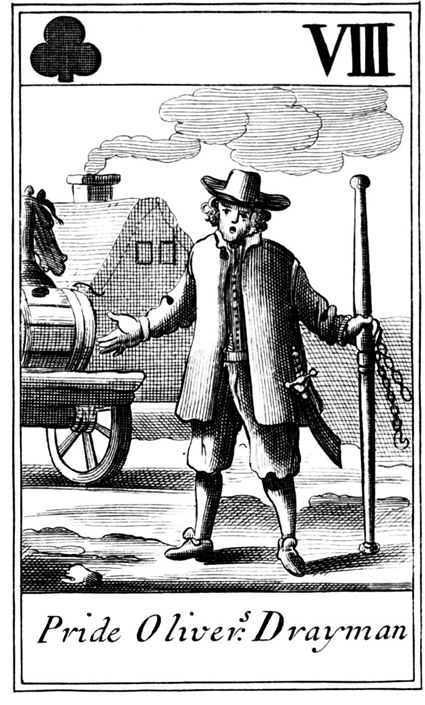
In this guest post, Dr Jonathan Fitzgibbons of Lincoln University, looks at a constitutional issue from the 1650s with obvious contemporary relevance: the place of the House of Lords. As politicians continue to debate the House of Lords’ future, including legislation to eliminate its remaining hereditary peers, they might draw lessons from its past. Particularly instructive are the events of the English Revolution, which saw … Continue reading Oliver Cromwell’s ‘Other House’ and the perils of Lords ‘reform’

‘The first humble beginnings of an agitation’: the women’s suffrage petition of 7 June 1866

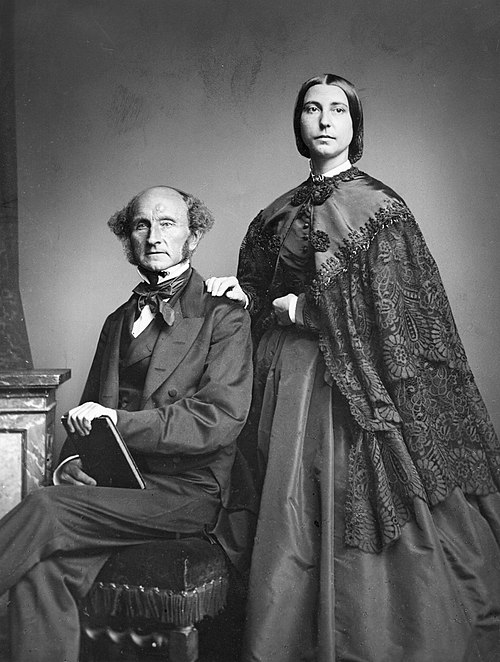
The campaign to secure the parliamentary vote for women was a long-running one. Dr Kathryn Rix, assistant editor of our House of Commons, 1832-1868 project, looks at the first mass petition on this issue. On 7 June 1866 the first mass petition for women’s suffrage was presented to Parliament. Signed by around 1,500 women, it was presented to the Commons by John Stuart Mill, who … Continue reading ‘The first humble beginnings of an agitation’: the women’s suffrage petition of 7 June 1866