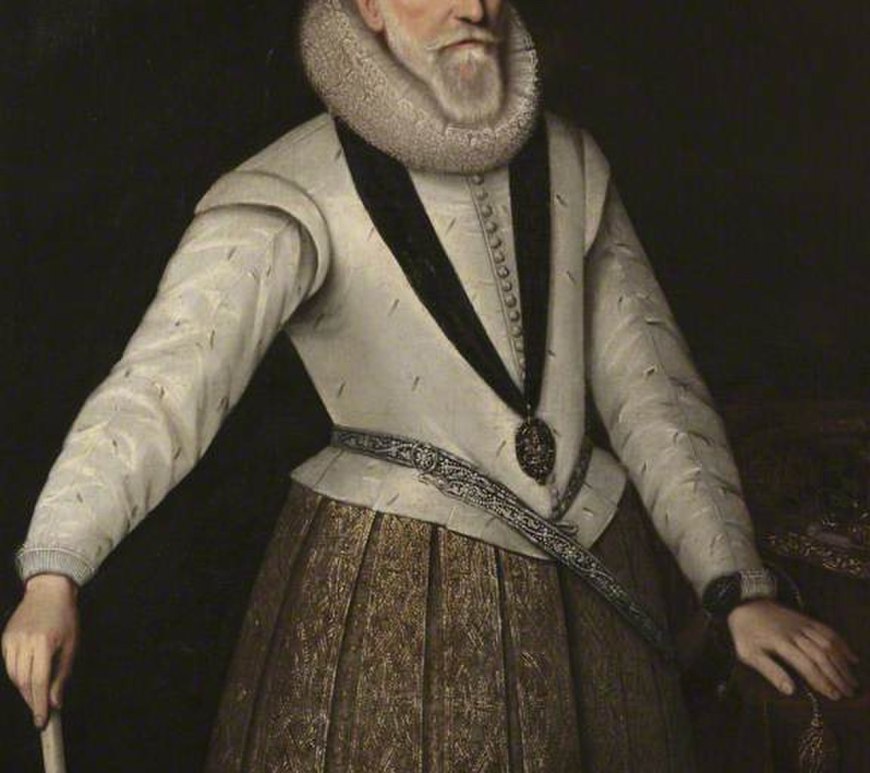
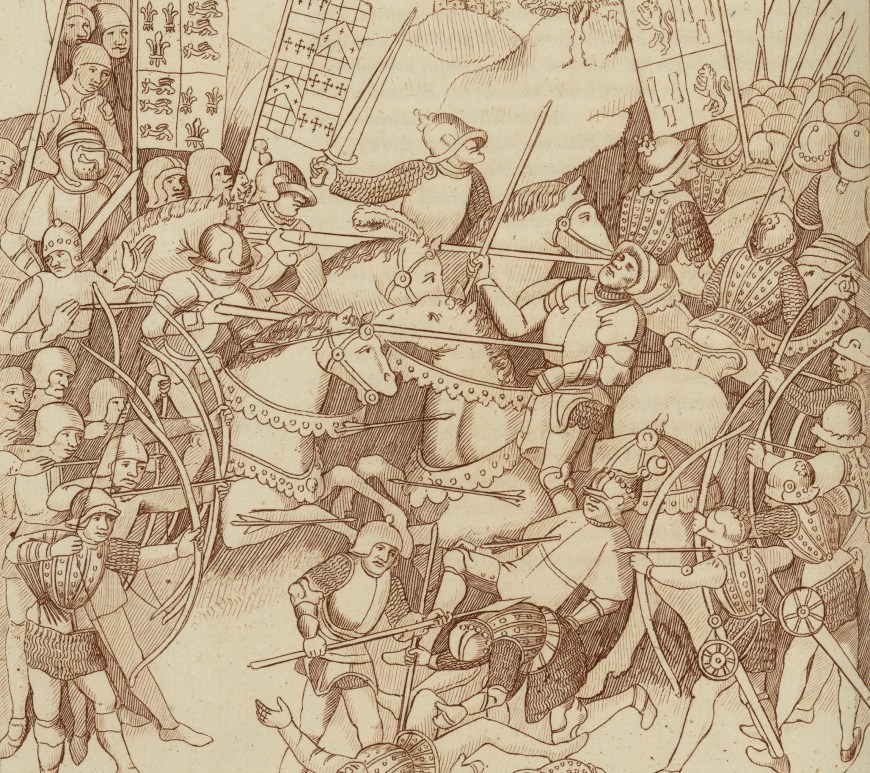
‘One of the wyrste bataylys that ever came to Inglonde, and unkyndyst’: The battle of Shrewsbury on 21 July 1403

Dr Simon Payling, of our Commons 1461-1504 section, explores the background and significance of the battle of Shrewsbury, which took place on this day in 1403. In defeating the rebellion of the Percys at the battle of Shrewsbury, Henry IV overcame an existential threat to the infant Lancastrian regime. It was a threat that came upon him suddenly and undeservedly. The rebellion had but one cause, … Continue reading ‘One of the wyrste bataylys that ever came to Inglonde, and unkyndyst’: The battle of Shrewsbury on 21 July 1403

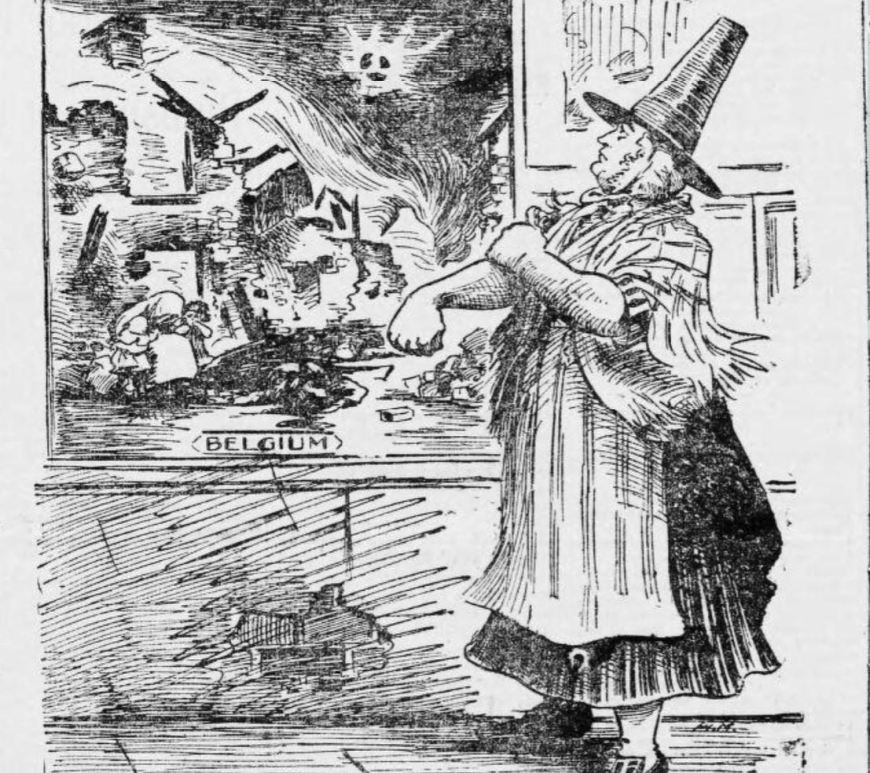
The Recording Angel and the expression of English Welsh identities during the First World War

Ahead of next Tuesday’s Parliaments, Politics and People seminar, we hear from Professor Wendy Ugolini of the University of Edinburgh. On 3 June she will discuss The Recording Angel and the expression of English Welsh identities during the First World War. The seminar takes place on 3 June 2025, between 5:30 and 6.30 p.m. It is fully ‘hybrid’, which means you can attend either in-person … Continue reading The Recording Angel and the expression of English Welsh identities during the First World War

Cynog Dafis: Britain’s first Green MP?

While Caroline Lucas is commonly referred to as Britain’s first Green Member of Parliament, Cynog Dafis, who entered parliament as the Plaid Cymru MP for Ceredigion and North Pembrokeshire nearly twenty years earlier, could also claim this title. Alfie Steer explores Dafis’ political career, and the unusual electoral alliance between Plaid Cymru and the Green Party in the 1990s. The 2024 general election saw the … Continue reading Cynog Dafis: Britain’s first Green MP?

A War for ‘Small Nations’: Wales and Empire from the Boer War to the Great War, 1899-1918

In today’s blog we hear from Robert Crosby, formerly of the London School of Economics, winner of the History of Parliament Undergraduate Dissertation Competition 2022. Here Robert has adapted his winning essay, exploring how those in Wales viewed themselves and their position in the British Empire during the early 20th century. The History of Parliament’s 2023 Undergraduate Dissertation Competition is open for entries until 29 September. Find all the … Continue reading A War for ‘Small Nations’: Wales and Empire from the Boer War to the Great War, 1899-1918

One of our seals is missing! How a summer vacation brought Charles I’s government to a grinding halt

During the coronavirus pandemic we have grown used to government interventions disrupting our travel plans. However, in 1625 the government itself was disrupted by a holiday in Wales, as Dr Paul Hunneyball of our Lords 1558-1603 section explains… In the context of contemporary British government, the office of lord privy seal – more correctly lord keeper of the privy seal – is a non-job, a … Continue reading One of our seals is missing! How a summer vacation brought Charles I’s government to a grinding halt

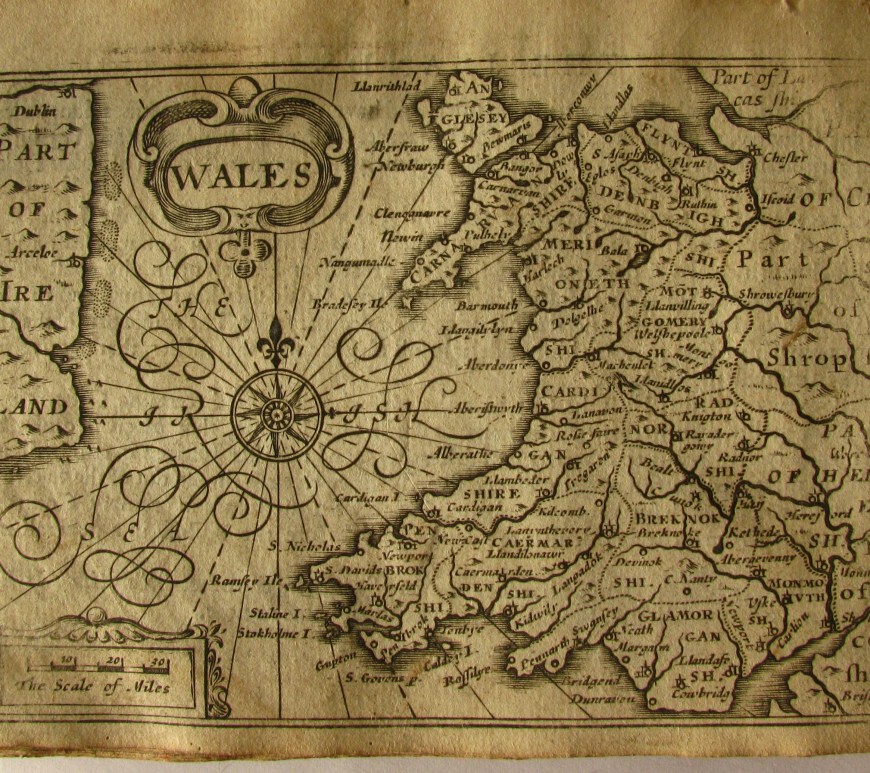
Parliament and the Welsh Language/Dydd Gwyl Dewi: Y Senedd a’r Iaith Gymraeg.

To mark St David’s Day this year, we are publishing a translation into Welsh of a blog written in 2018, which provides an overview of relations between the Westminster Parliament and the Welsh language. There will no doubt be future legislation on the language, but its locus will be the Senedd in Cardiff rather than the Houses of Parliament in London. We are very grateful … Continue reading Parliament and the Welsh Language/Dydd Gwyl Dewi: Y Senedd a’r Iaith Gymraeg.

Post-war politics in the Welsh valleys: ‘socialists by birth and background’

Today, Emma Peplow, co-ordinator of the History of Parliament’s oral history project and co-editor of the new collection of extracts from the project, The Political Lives of Postwar British MPs: an Oral History of Parliament, contributes to our local history focus for September with this blog about the political leanings of Welsh MPs in Glamorgan and the Welsh Valleys… By the 20th century the historic … Continue reading Post-war politics in the Welsh valleys: ‘socialists by birth and background’

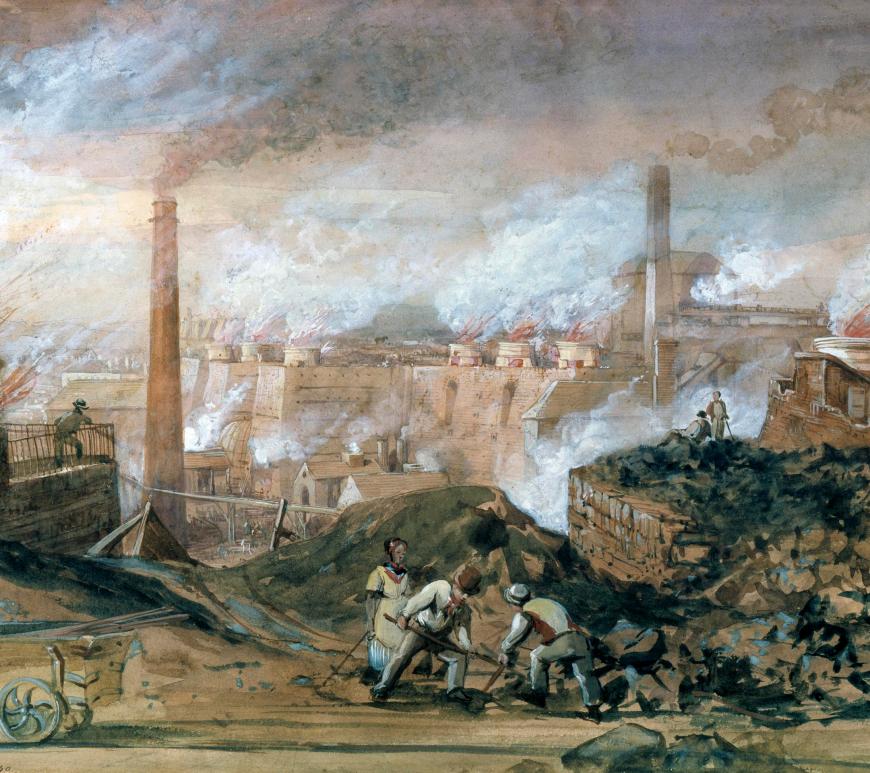
Representing Glamorgan, 1832-85: Christopher Rice Mansel Talbot and his colleagues

Continuing our Local History focus on Glamorgan, Dr. Kathryn Rix, Assistant Editor of our House of Commons, 1832-68 project looks at the constituency’s elections after the 1832 Reform Act, when the long-serving MP, Christopher Rice Mansel Talbot, exerted a strong influence over the county. Described in 1841 as ‘the Lancashire of Wales’, Glamorgan was Wales’s wealthiest and most industrialised county. Coal mining employed almost one … Continue reading Representing Glamorgan, 1832-85: Christopher Rice Mansel Talbot and his colleagues

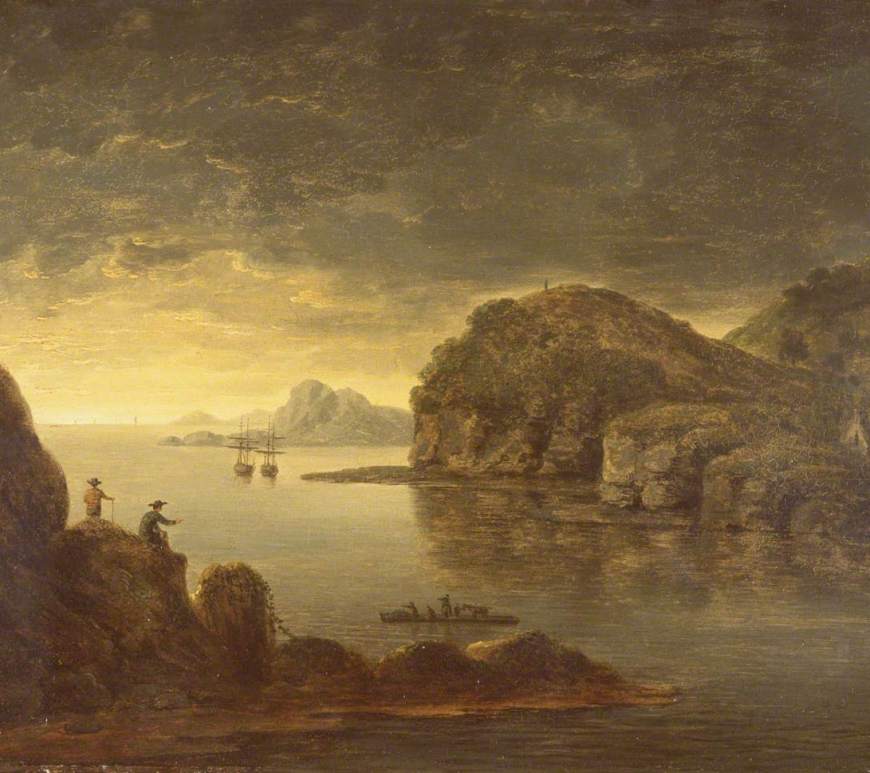
‘A few slight alterations would make it picturesque’: Glamorgan and Monmouthshire in the 18th century

In our latest blog we return to Glamorgan and Monmouthshire as part of our local history blog series. Part one, discussing the constituencies in the mid-17th century can be read here. But today Dr Robin Eagles, editor of our Lords 1715-1790 project, takes a look into the 18th century, as leading gentry families tussled for control… In his 1776 tour of Wales, Arthur Young thought … Continue reading ‘A few slight alterations would make it picturesque’: Glamorgan and Monmouthshire in the 18th century

Electoral change in South-East Wales in the 1640s: the Recruiter Elections in Glamorgan and Monmouthshire

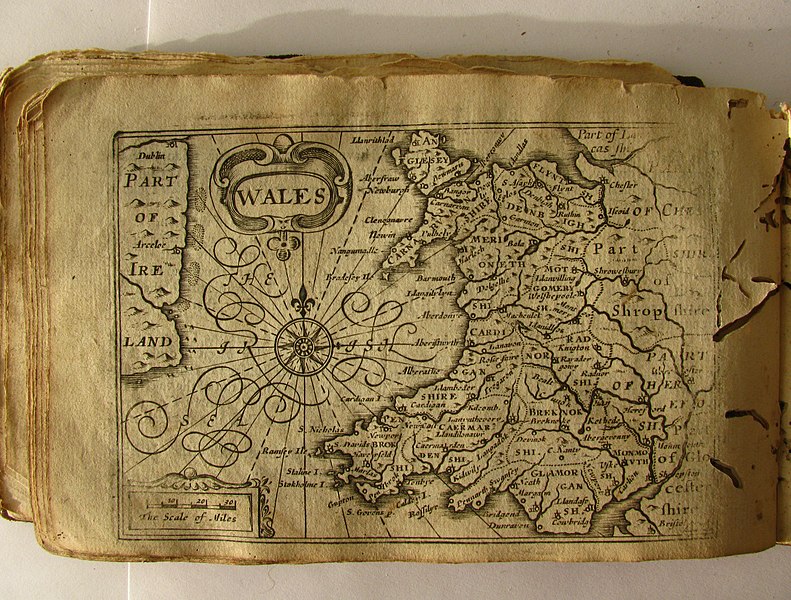
This month, as part of our local history blog series, we’re looking into the parliamentary history of a number of Welsh constituencies. The country first started returning members to Westminster in the 16th century, and in today’s post our History of Parliament director, Dr Stephen Roberts, discusses the electoral change in South-East Wales in the century that followed. The topography of Glamorgan and Monmouthshire had … Continue reading Electoral change in South-East Wales in the 1640s: the Recruiter Elections in Glamorgan and Monmouthshire