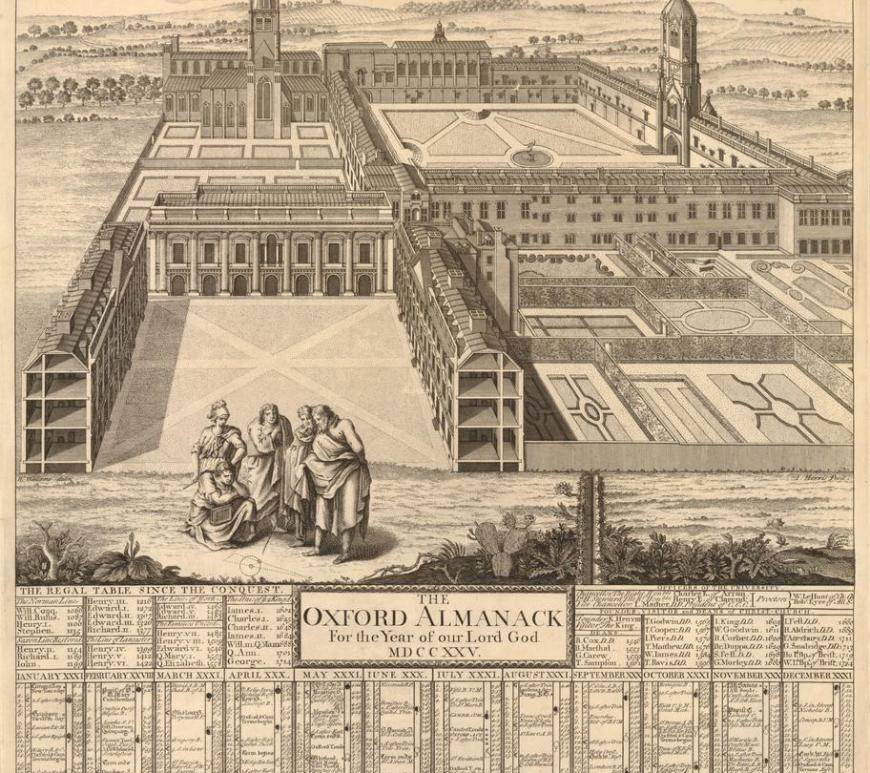
“Wilful murder by persons unknown”: death in an Oxford college (1747)

In the latest post for the Georgian Lords, Dr Robin Eagles examines an unpleasant incident that took place in Oxford in the 1740s, which left a college servant dead and several high profile students under suspicion of his murder… In April 1784, George Nevill, 17th Baron Abergavenny, was approached to ask whether he would accept promotion to an earldom. In the wake of Pitt the … Continue reading “Wilful murder by persons unknown”: death in an Oxford college (1747)

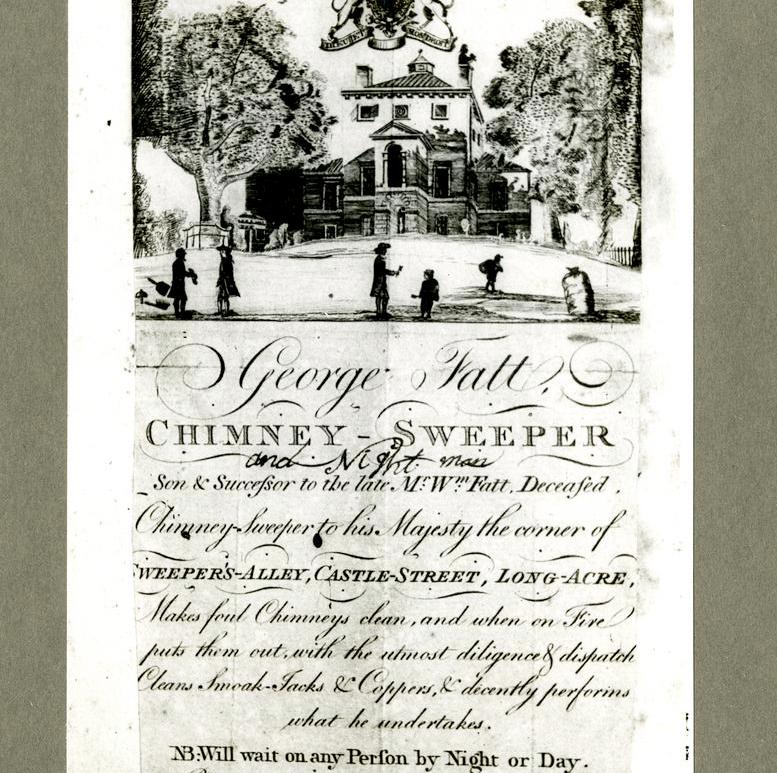
Steps towards identifying new Black voters in 18th-century Westminster and Hertfordshire

A few months ago, the History welcomed a guest post by Dr Gillian Williamson with her groundbreaking research into John London, to date the earliest known Black voter in Britain, who lodged his vote in the 1749 by-election for Westminster. In this latest post, Dr Robin Eagles explains the potential discovery of further Black voters taking part in the same contest and subsequent polls in … Continue reading Steps towards identifying new Black voters in 18th-century Westminster and Hertfordshire

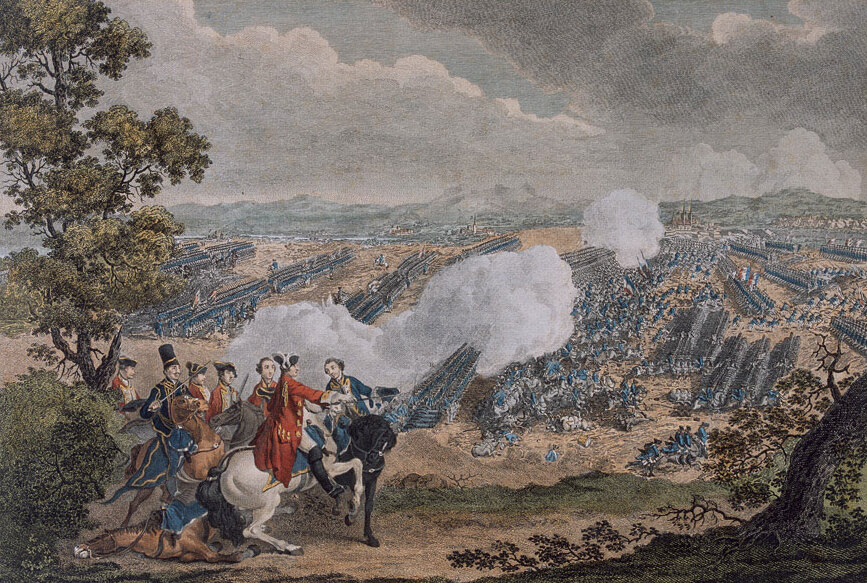
Putting ‘spirit in the conduct of the war’: the November 1775 government reshuffle

In his last post for the Georgian Lords, From bills to bullets: Spring 1775 and the approach to war in America, on the advent of the American War of Independence, Dr Charles Littleton left things hanging with the prorogation on 26 May 1775. Now, he continues the story into the autumn with the declaration of war and a key government reshuffle. Following the prorogation of … Continue reading Putting ‘spirit in the conduct of the war’: the November 1775 government reshuffle

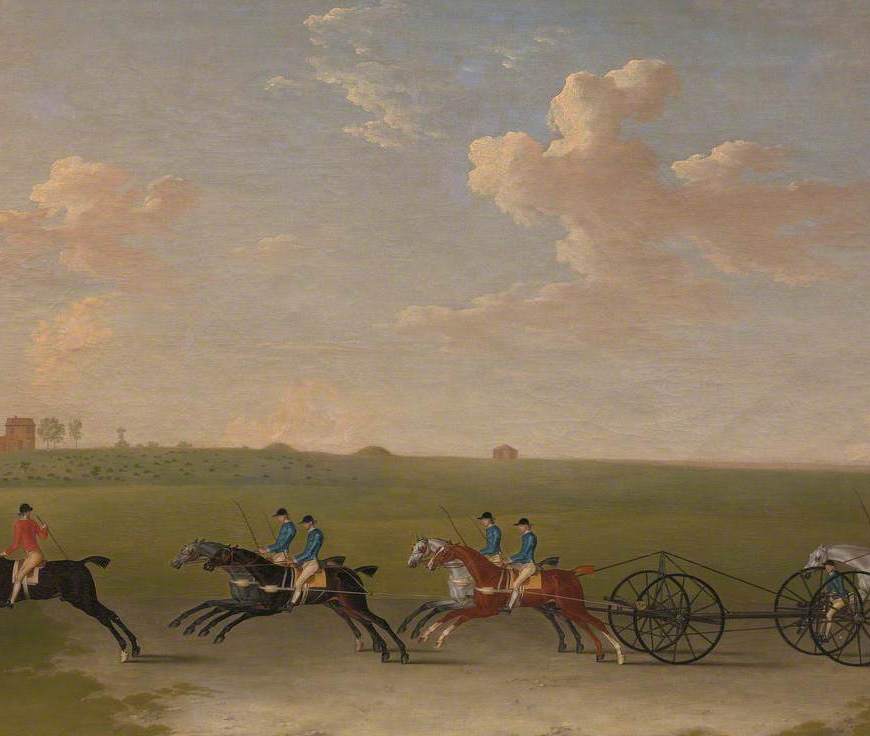
From Jockeys to Ministers: How Horse Racing Shaped Rockingham’s First Ministry

In the latest post for the Georgian Lords, we welcome Ioannes Chountis de Fabbri from the University of Aberdeen, who considers the importance of horse racing in the formation of the Rockingham administration of 1765. The structure of mid-eighteenth-century politics was often defined as much by social custom as by constitutional form. What Leslie Mitchell has called the ‘circle of acquaintances’ of the ruling, largely … Continue reading From Jockeys to Ministers: How Horse Racing Shaped Rockingham’s First Ministry

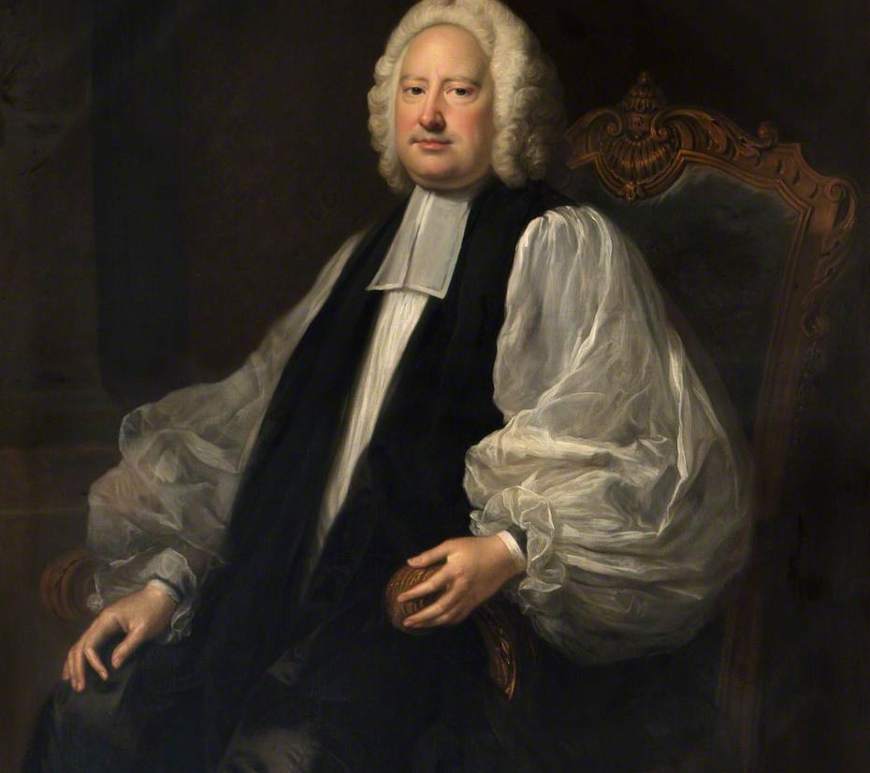
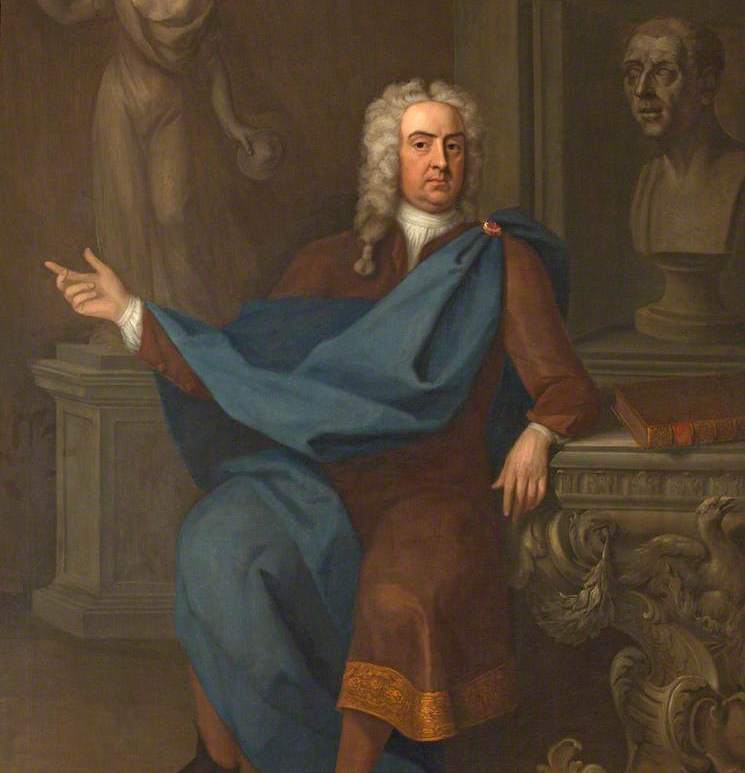
John Potter, an unusual Archbishop of Canterbury

In the latest blog for the Georgian Lords, Dr Robin Eagles examines the career of one of the lesser known Archbishops of Canterbury, who was able to make use of his August 1715 sermon celebrating the accession of George I to press forward his career in the Church. Every 30 January, the rhythm of the parliamentary session in the 17th and 18th centuries was adjusted … Continue reading John Potter, an unusual Archbishop of Canterbury

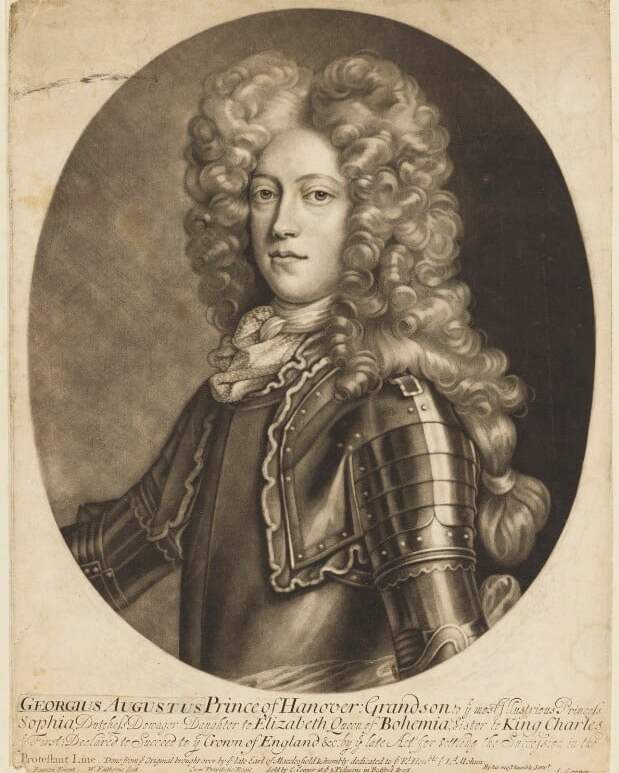
The Duke of Cambridge and the Hanoverian Succession, 1706-14

Early modern monarchs often were jealous of their heirs. In the early 18th century this was especially the case when the childless Queen Anne faced the prospect of seeing her crown pass to foreign cousins. In this article, marking the anniversary of Anne’s death and the accession of George I, we consider the manoeuvring around the creation of George’s heir as an English duke. The … Continue reading The Duke of Cambridge and the Hanoverian Succession, 1706-14

Painting of a man in 18th-century dress with a long grey wig, wearing a brown coat with a blue robe set among classical figures.

Some thoughts on William Pulteney, earl of Bath

The 31 May 2025 marks Dr Stuart Handley’s last day at the History of Parliament. One of his last biographies for The House of Lords, 1715-90 has been William Pulteney, earl of Bath. It will be the third History of Parliament biography of Pulteney, his long career having been covered by Dr Andrew Hanham in The House of Commons, 1690-1715, and by Dr Romney Sedgwick … Continue reading Some thoughts on William Pulteney, earl of Bath

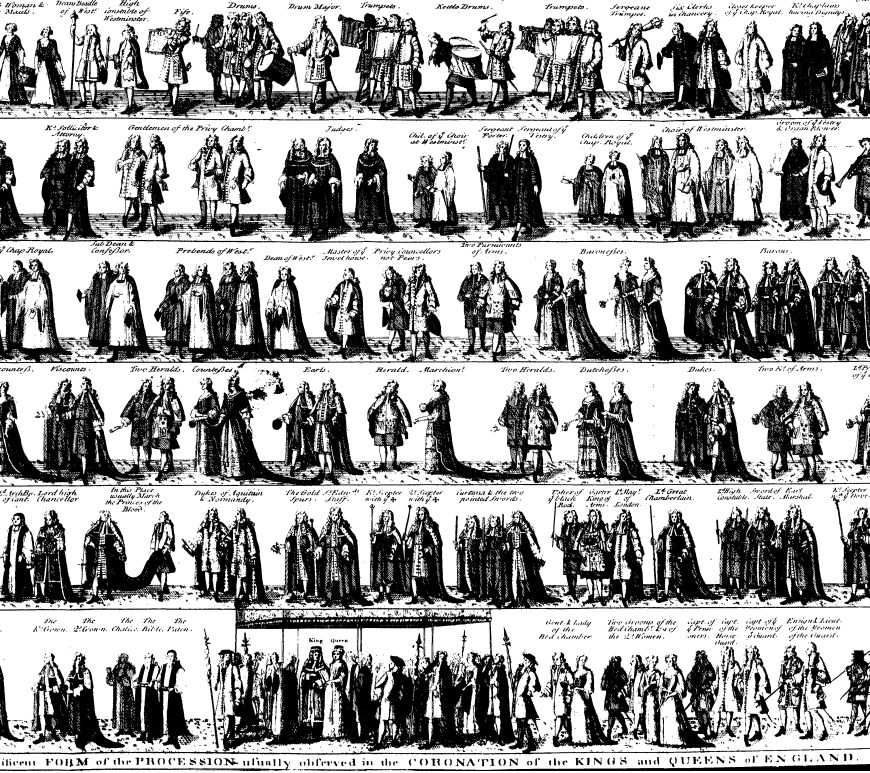
‘The most solemn, magnificent, and sumptuous ceremony’: The coronation of George II and Queen Caroline, 11 October 1727

Contemporaries were agreed that the coronation of George II and Queen Caroline on 11 October 1727 was spectacular. In our second Coronation-themed blog, Dr Charles Littleton looks back on the event and considers the roles played by some of those involved in it. For the Swiss traveller César de Saussure the coronation of 1727 was ’the most solemn, magnificent, and sumptuous ceremony it is anyone’s … Continue reading ‘The most solemn, magnificent, and sumptuous ceremony’: The coronation of George II and Queen Caroline, 11 October 1727

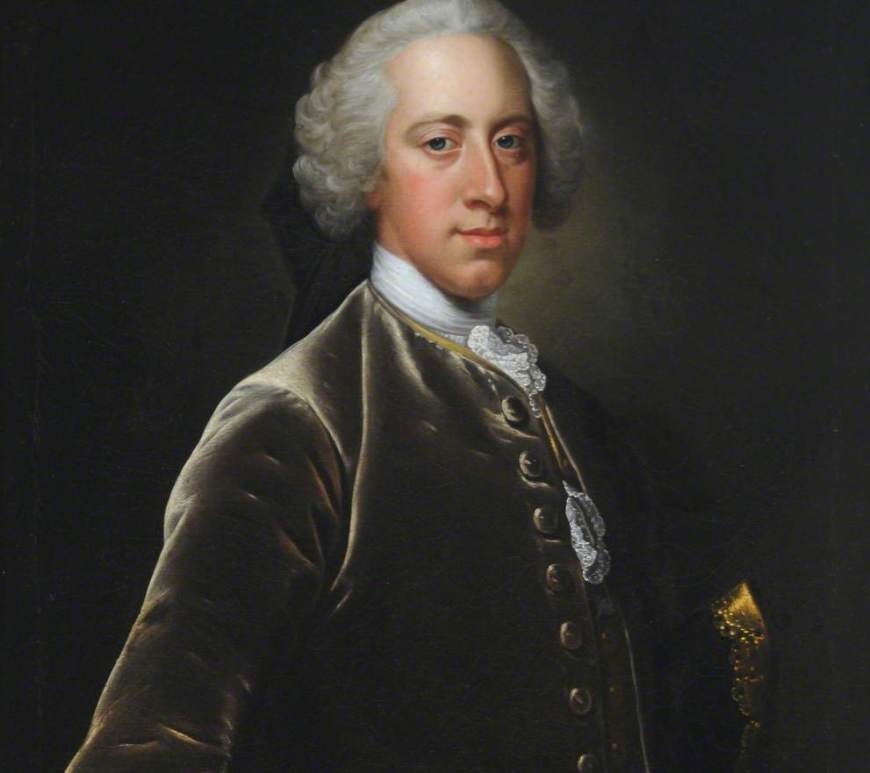
‘A very disagreeable situation’: the brief premiership of William Cavendish, 4th duke of Devonshire

Following Liz Truss’s record-breaking short tenure as Prime Minister, recently much attention has turned towards some of the historical figures who held the post of Premier for only a short period of time. William Cavendish, 4th duke of Devonshire, is amongst this list, serving only 255 days in office. But as Charles Littleton from our Lords 1715-1790 project explores, it was never Devonshire’s intention to … Continue reading ‘A very disagreeable situation’: the brief premiership of William Cavendish, 4th duke of Devonshire

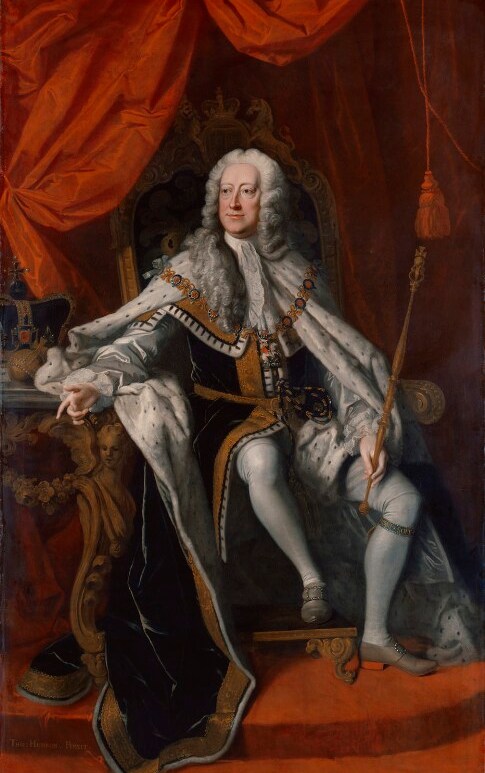
The Last Burial of a King in Westminster Abbey

The death of Queen Elizabeth II has meant the revival of a practice that had in effect been suspended for over two centuries: the funeral of a monarch in Westminster Abbey. The last king to have his funeral there was George II on 11 November 1760, and even though this was technically a ‘private funeral’, thereafter more private – though still very public – ceremonies … Continue reading The Last Burial of a King in Westminster Abbey