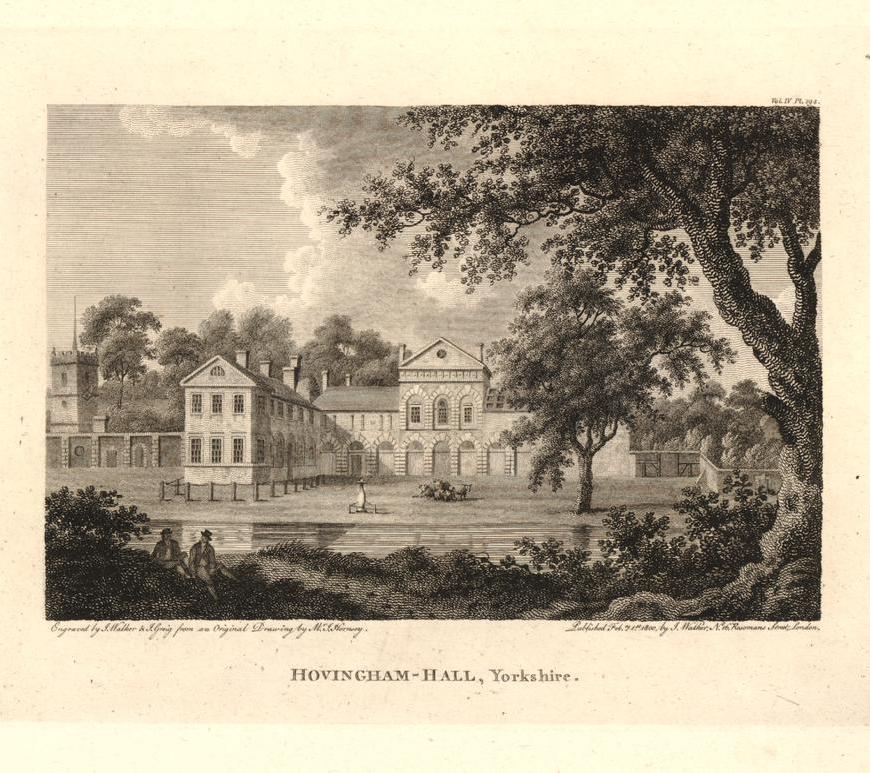
Descended from a giant: the Worsleys of Hovingham

The recent death of HRH the Duchess of Kent, who was married to the late queen’s cousin at York Minister in 1961, reminds us of her family’s long association with Yorkshire. This has included two brothers who served as archbishop of York and several members of her family who were elected to Parliament. Dr Robin Eagles considers the Worsley family’s connection with the north of … Continue reading Descended from a giant: the Worsleys of Hovingham

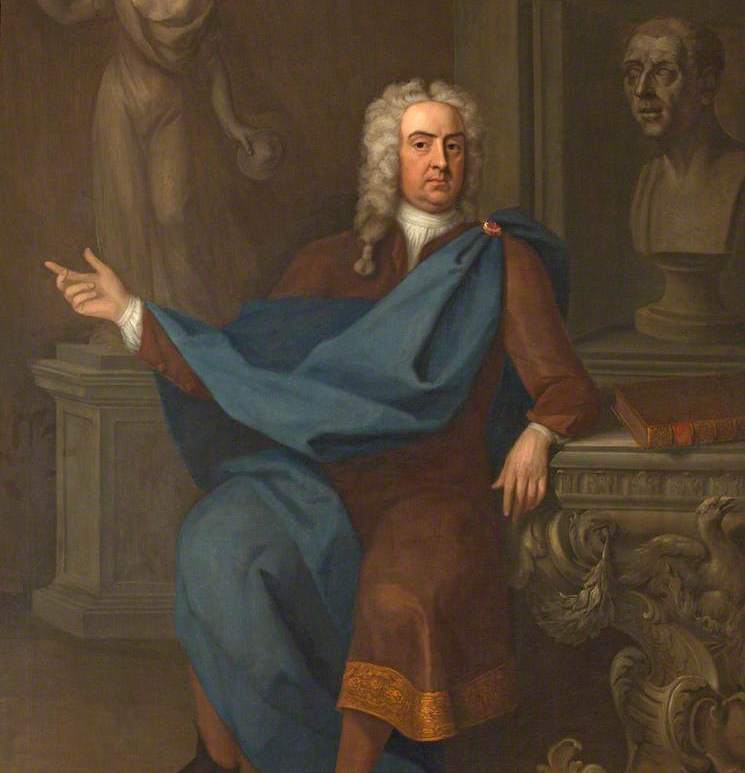
Painting of a man in 18th-century dress with a long grey wig, wearing a brown coat with a blue robe set among classical figures.

Some thoughts on William Pulteney, earl of Bath

The 31 May 2025 marks Dr Stuart Handley’s last day at the History of Parliament. One of his last biographies for The House of Lords, 1715-90 has been William Pulteney, earl of Bath. It will be the third History of Parliament biography of Pulteney, his long career having been covered by Dr Andrew Hanham in The House of Commons, 1690-1715, and by Dr Romney Sedgwick … Continue reading Some thoughts on William Pulteney, earl of Bath

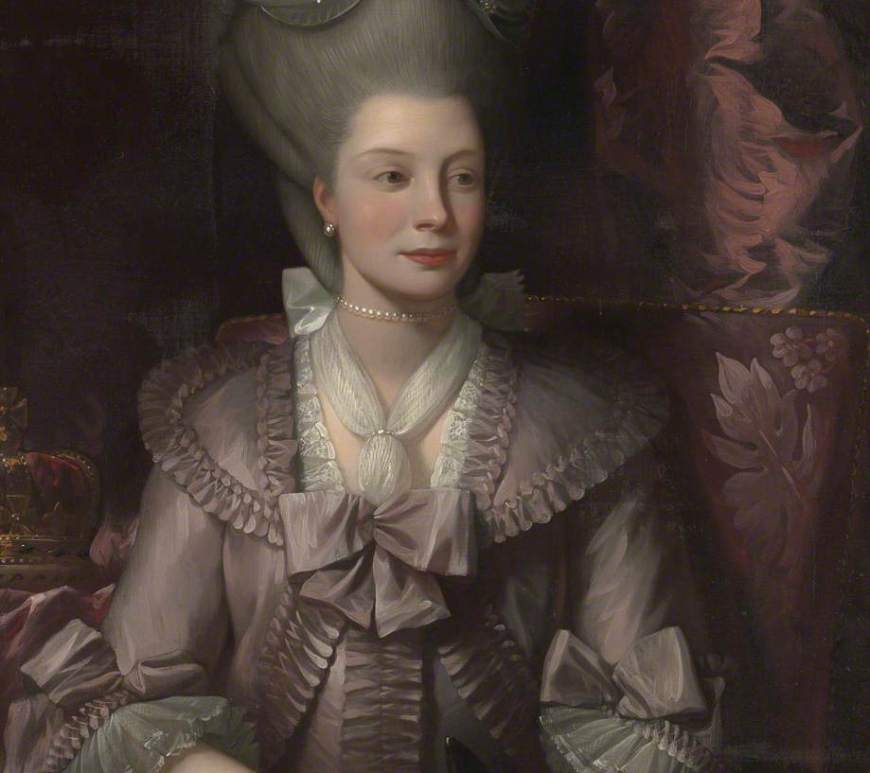
A Meddlesome Mother? Queen Charlotte and the Regency Crisis

In October 1788, George III fell ill with an unknown ‘malady’ which rendered him unable to fulfil his duties as sovereign: the beginning of the king’s famous ‘madness’. In the latest post for the Georgian Lords, we welcome Dr Natalee Garrett, who considers the role of Queen Charlotte during the period of the king’s illness, and more broadly. As the Prince of Wales was 26 … Continue reading A Meddlesome Mother? Queen Charlotte and the Regency Crisis

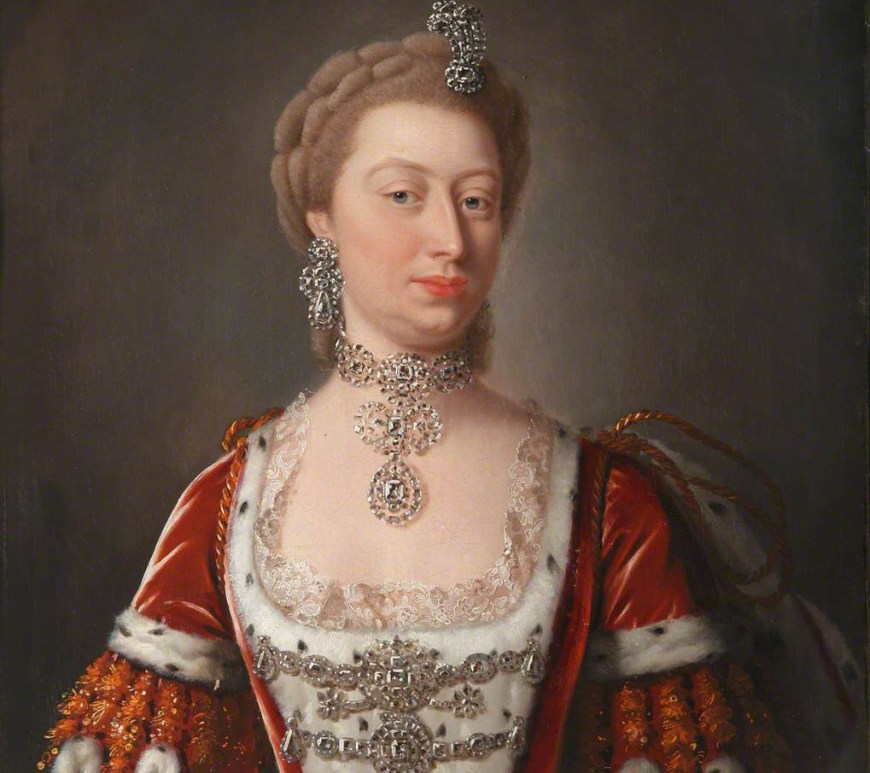
The Princess Mother: Augusta, Princess of Wales, the power behind the throne?

Today, on International Women’s Day, Dr Robin Eagles, editor of our Lords 1715-1790 project, looks at the life of Augusta, Princess of Wales. As mother of the heir to the throne, Augusta had great political importance- but how did she use this to her advantage…? In March 1771 James Townsend spoke in the Commons of his concerns of secret influence behind the throne. He insisted … Continue reading The Princess Mother: Augusta, Princess of Wales, the power behind the throne?

The Treaty of Paris, John Wilkes and North Briton Number 45

On 23 April 1763, John Wilkes published his famous ‘North Briton No.45’, attacking George III and his Prime Minister, the Earl of Bute. Dr Robin Eagles tells us more… George III came to the throne in 1760 determined to bring to fruition plans for a fundamental change in the political balance of power within Britain. Emulating the programme of his father’s opposition court based at … Continue reading The Treaty of Paris, John Wilkes and North Briton Number 45