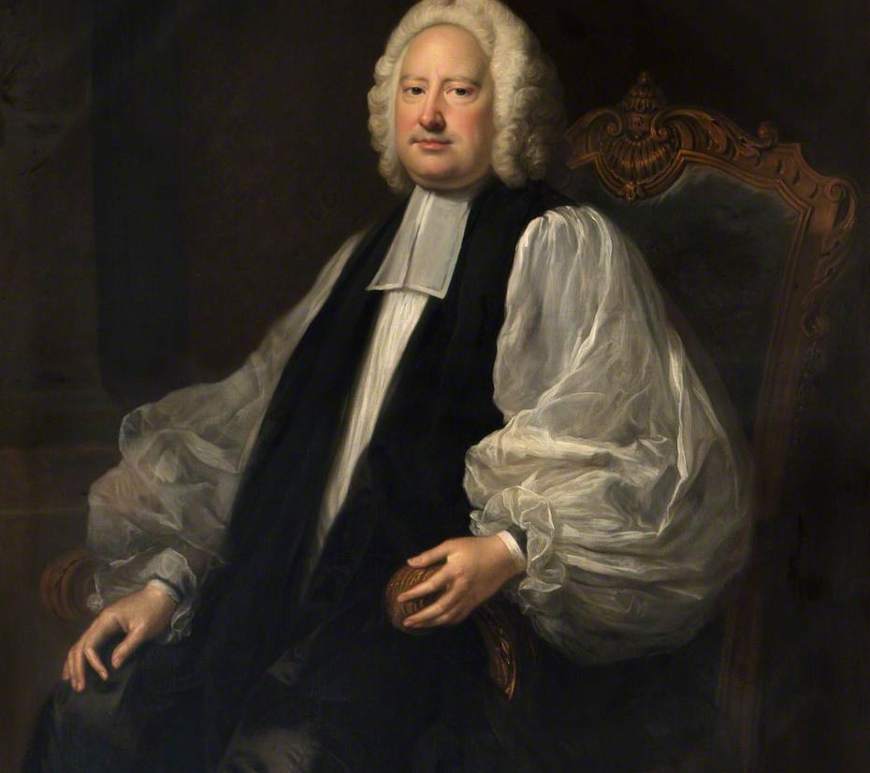
John Potter, an unusual Archbishop of Canterbury

In the latest blog for the Georgian Lords, Dr Robin Eagles examines the career of one of the lesser known Archbishops of Canterbury, who was able to make use of his August 1715 sermon celebrating the accession of George I to press forward his career in the Church. Every 30 January, the rhythm of the parliamentary session in the 17th and 18th centuries was adjusted … Continue reading John Potter, an unusual Archbishop of Canterbury

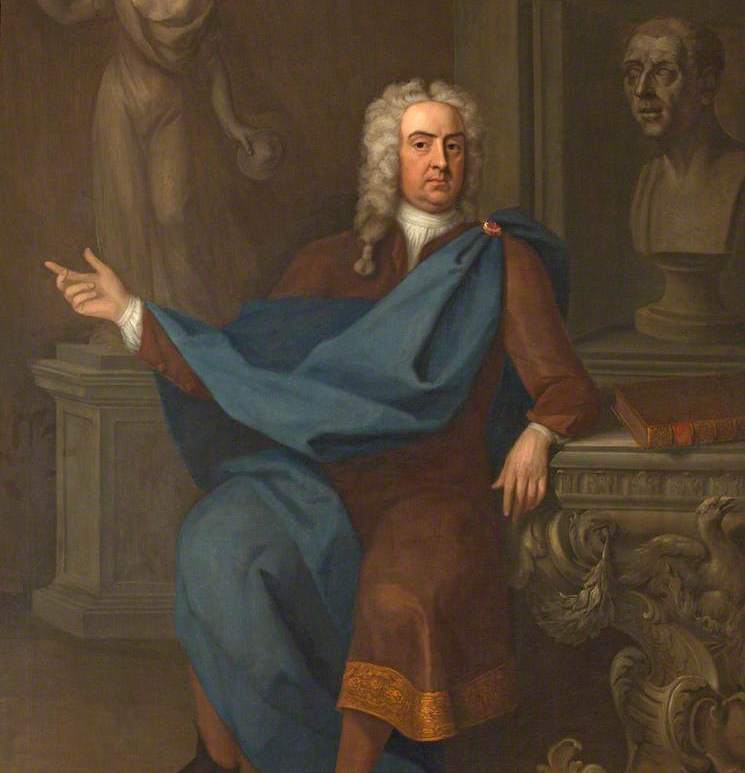
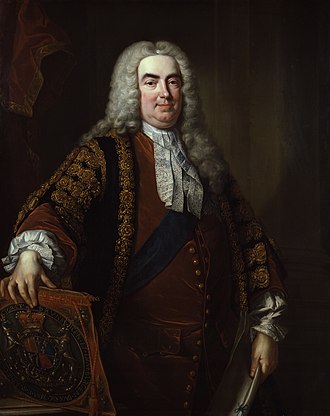
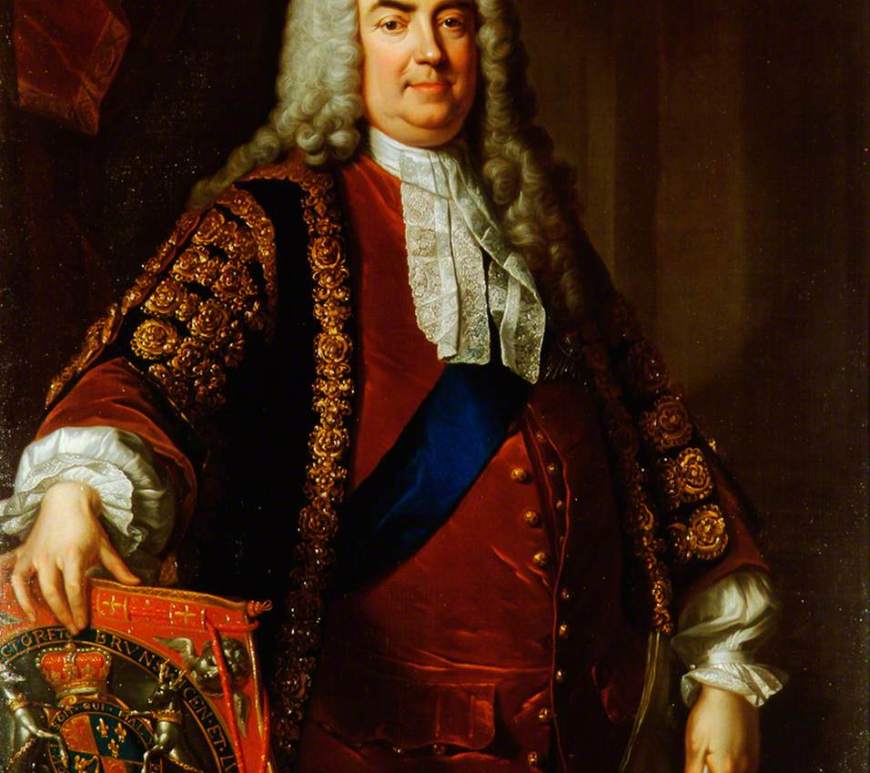
Painting of a man in 18th-century dress with a long grey wig, wearing a brown coat with a blue robe set among classical figures.

Some thoughts on William Pulteney, earl of Bath

The 31 May 2025 marks Dr Stuart Handley’s last day at the History of Parliament. One of his last biographies for The House of Lords, 1715-90 has been William Pulteney, earl of Bath. It will be the third History of Parliament biography of Pulteney, his long career having been covered by Dr Andrew Hanham in The House of Commons, 1690-1715, and by Dr Romney Sedgwick … Continue reading Some thoughts on William Pulteney, earl of Bath

Of Pretenders and Prime Ministers: Robert Walpole and the Atterbury Plot 300 years on

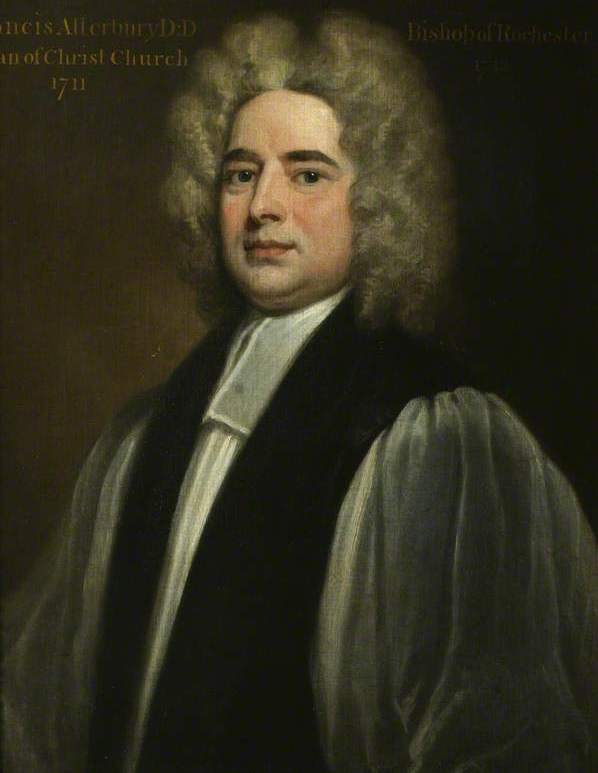
As 2022 draws to an end Dr Charles Littleton considers the tercentenary of the Atterbury Plot, the failed plan for a Jacobite insurrection in England in 1722. The investigation of the conspiracy by Parliament in 1722-23 had far-reaching effects, as it consolidated the incoming premiership of Robert Walpole and contributed to the weakening of English Jacobitism. As its name suggests, the direction of the ‘Plot’ … Continue reading Of Pretenders and Prime Ministers: Robert Walpole and the Atterbury Plot 300 years on

“From wickedness or from weakness”: the beginning of the end for Sir Robert Walpole

During July we welcomed year 12 student Thomas O’Donoghue to the History of Parliament office, to carry out a work experience placement with our research and outreach teams. During his time, Thomas worked with Dr Robin Eagles, editor of our Lords 1715-1790 project, to explore an attempt in 1741 to topple Sir Robert Walpole from power. Here Thomas writes about the impact of two key … Continue reading “From wickedness or from weakness”: the beginning of the end for Sir Robert Walpole

The true premier? Charles Spencer, 3rd earl of Sunderland

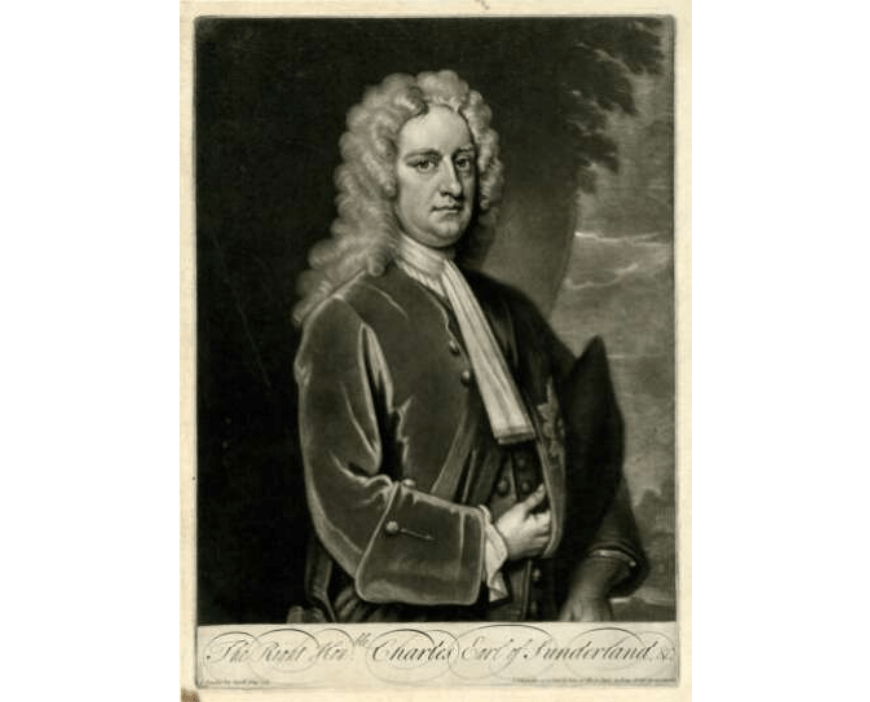
300 years ago, on 19 April 1722, Charles Spencer, 3rd earl of Sunderland, Walpole’s rival for the premiership, died following his stakhanovite efforts during that year’s general election. Dr Robin Eagles reconsiders Sunderland’s legacy and his claim to have been George I’s first premier. Sunderland had been under enormous pressure for well over two years before, having been caught up in the South Sea Bubble, … Continue reading The true premier? Charles Spencer, 3rd earl of Sunderland

Comings and goings: the other houses of Downing Street

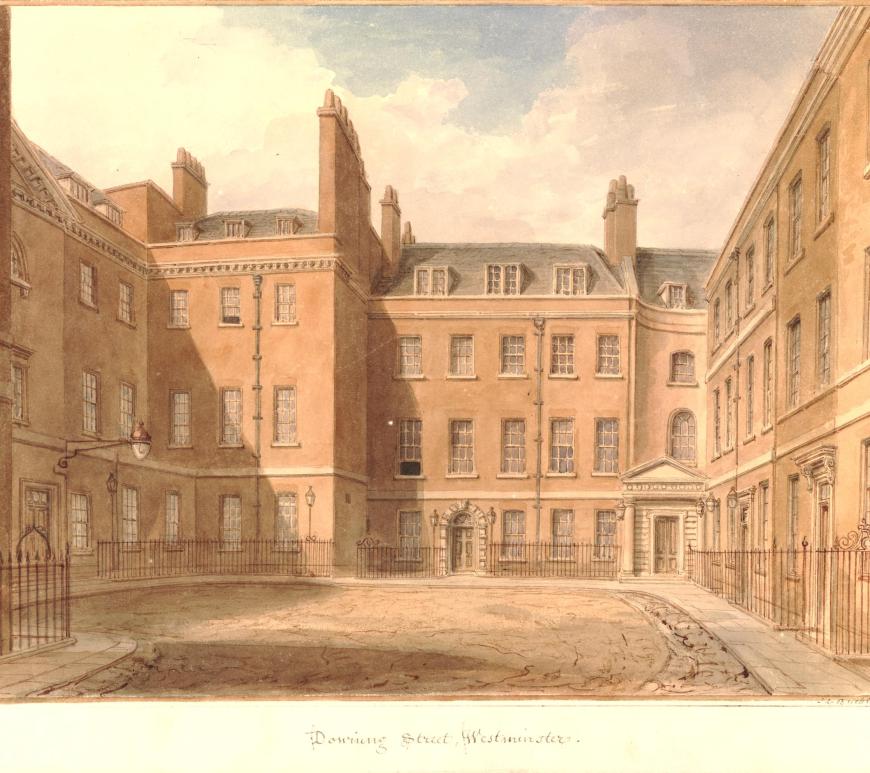
Previously on the History of Parliament blog we looked into the history of No.10 Downing Street, the famous residence of the Prime Minister since the mid-18th century. But who called the other houses of this well-known street home? Dr Robin Eagles, editor of our House of Lords 1715-1790 project, investigates… In 1742 Sir Robert Walpole left 10 Downing Street for the last time. His tenure … Continue reading Comings and goings: the other houses of Downing Street

Seven Jobs for Seven Brothers: The case of Bishop Reynolds of Lincoln

In the latest blog for the Georgian Lords, Dr Stuart Handley considers the case of Bishop Reynolds of Lincoln, one of a minority in the episcopate to stand out against Walpole, possibly because of frustration both at his own lack of promotion, but also his endless efforts to find employment for his children. Richard Reynolds (1674-1744), was chancellor of the diocese of Peterborough (1704-1718), rector … Continue reading Seven Jobs for Seven Brothers: The case of Bishop Reynolds of Lincoln

A family affair? Sir Robert Walpole and the ‘Robinocracy’, 1721-1742

April 3 marks the 300th anniversary of Robert Walpole becoming first lord of the treasury and, with it, assuming the title ‘Prime Minister’ for the first time. In today’s blog Dr Robin Eagles, editor of our Lords 1715-1790 project, explores Walpole’s rise to power and the familiarity of his surname within the walls of Westminster… On 3 April 1721, 300 years ago today, Robert Walpole … Continue reading A family affair? Sir Robert Walpole and the ‘Robinocracy’, 1721-1742

From Chicken House to Palace: 10 Downing Street in the 18th century

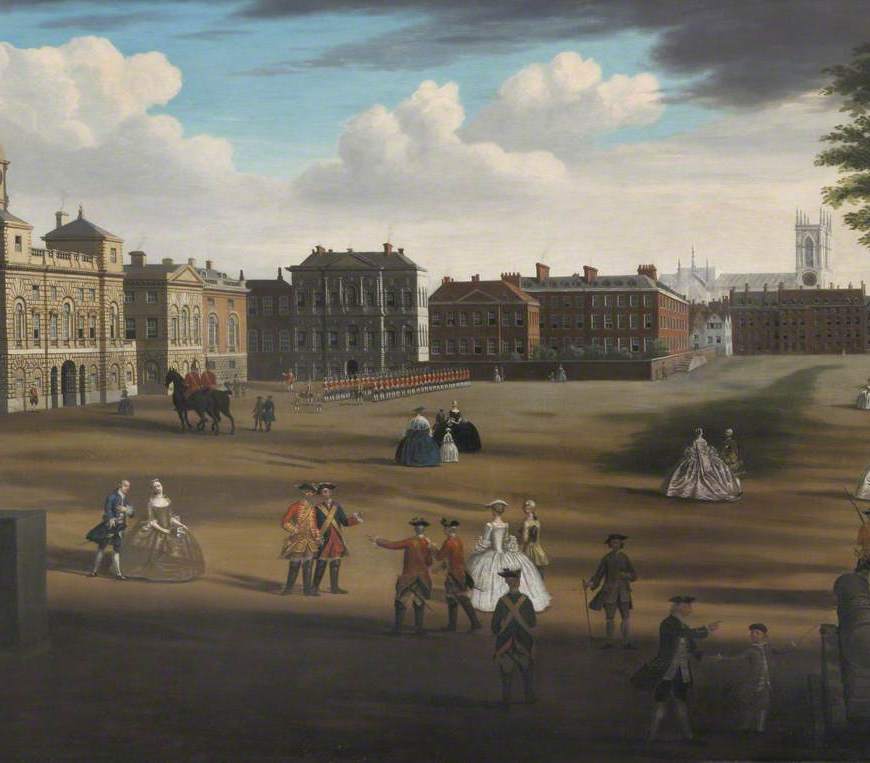
In February 1742, Sir Robert Walpole, newly ennobled as earl of Orford quit 10 Downing Street for the last time. It was expected that his successor, the earl of Wilmington, would replace him there, but in the event it was the chancellor of the exchequer who took up residence instead. As part of our posts marking the 300th anniversary of Walpole becoming Prime Minister, Dr … Continue reading From Chicken House to Palace: 10 Downing Street in the 18th century

Party in Eighteenth-Century Politics

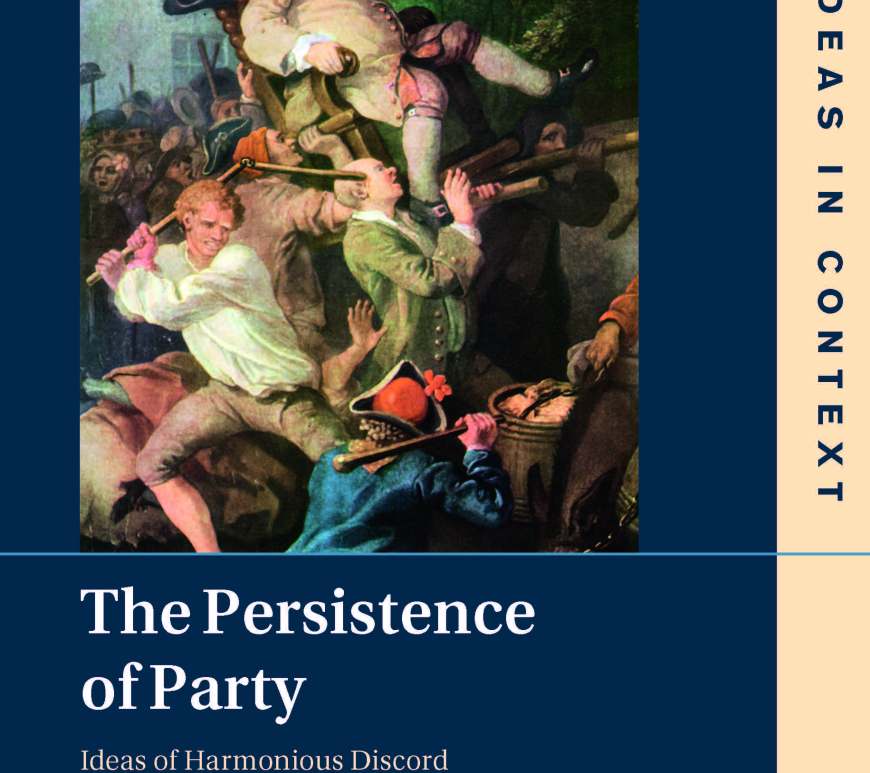
Ahead of next Tuesday’s Virtual IHR Parliaments, Politics and People seminar, we hear from Dr Max Skjönsberg, of the University of Liverpool. On 2 March 2021, between 5.15 p.m. and 6.30 p.m., Max will be responding to your questions about his pre-circulated paper, based on his recently published book: The Persistence of Party: Ideas of Harmonious Discord in Eighteenth-Century Britain and we will also be welcoming … Continue reading Party in Eighteenth-Century Politics