Happy New Year from the Victorian Commons for 2026!

Here’s wishing all our readers a very enjoyable New Year! 2025 was a particularly memorable year for our 1832-68 House of Commons project and the History of Parliament. After 20 years based at Bloomsbury Square in the so-called ‘knowledge quarter’ around the British Museum, we sorted and packed decades of research materials and relocated to a new open-plan office at 14-18 Old Street in Islington. The volume … Continue reading Happy New Year from the Victorian Commons for 2026!

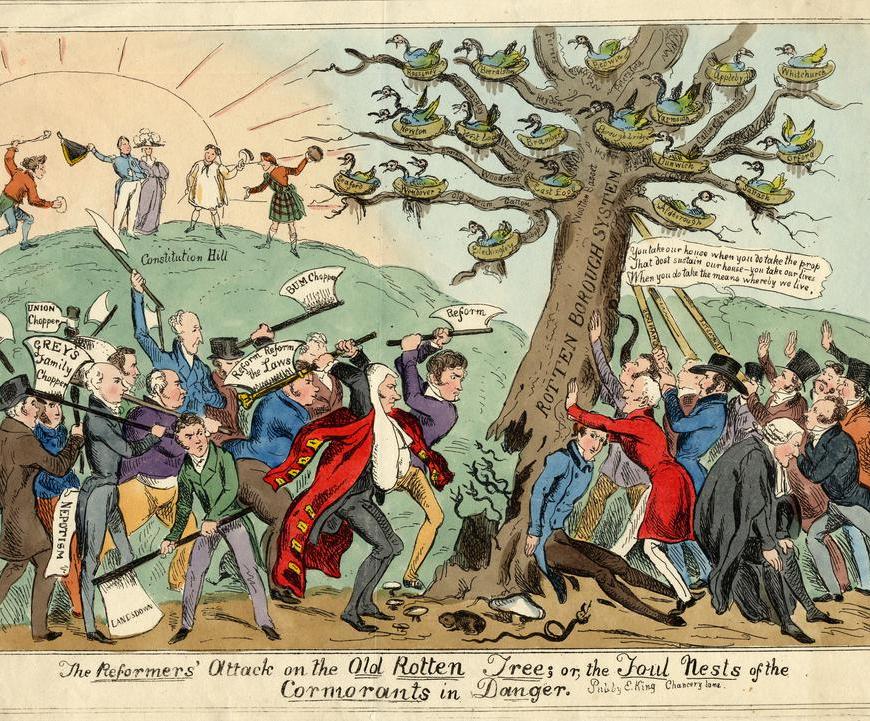
The 1832 Reform Act

‘Was the 1832 Reform Act “Great”?’ may not be the standard exam question it once was, but ongoing research about the Act’s broader legacy and impact on political culture, based on new resources and analytical techniques, continues to reshape our understanding of its place in modern British political development, as Dr Philip Salmon of our House of Commons, 1832-1945 project explains. For a 20 minute … Continue reading The 1832 Reform Act

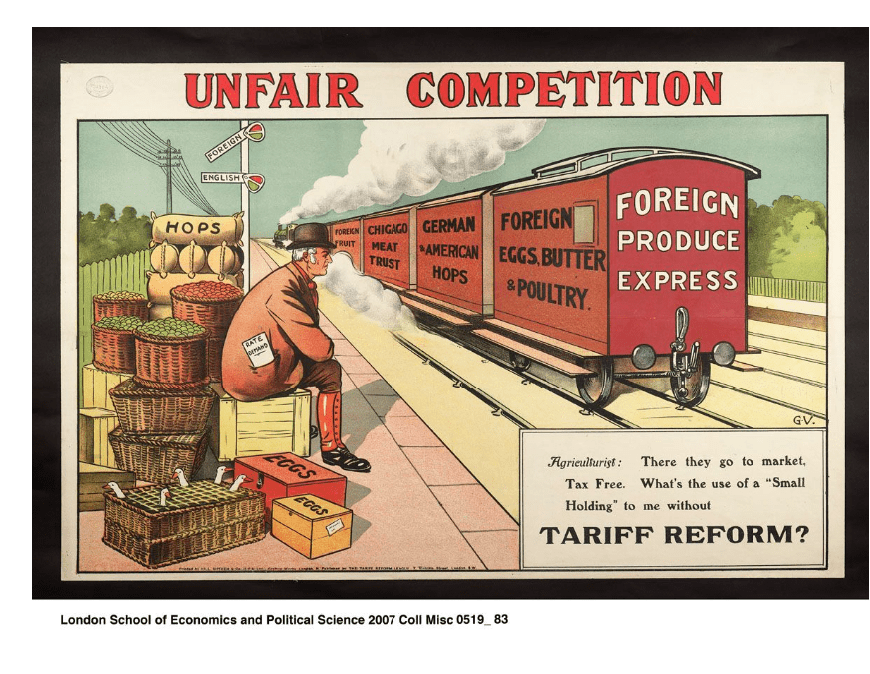
A colourful election poster produced by the Tariff Reform League. A farmer sits on a railway platform with crates and baskets of produce, watching a train called the Foreign Produce Express loaded with foreign produce, steaming past. He laments the need for tariff reform.

A ‘revolution’ in electioneering? The impact of the 1883 Corrupt Practices Act

Concluding her series on the 1883 Corrupt Practices Act, Dr Kathryn Rix of our House of Commons, 1832-1945 project looks at the long-term consequences of this major reform. In the wake of the corruption and expense of the 1880 general election, Sir Henry James, attorney general in Gladstone’s Liberal government, oversaw a landmark piece of legislation which aimed to clean up Britain’s elections: the 1883 … Continue reading A ‘revolution’ in electioneering? The impact of the 1883 Corrupt Practices Act

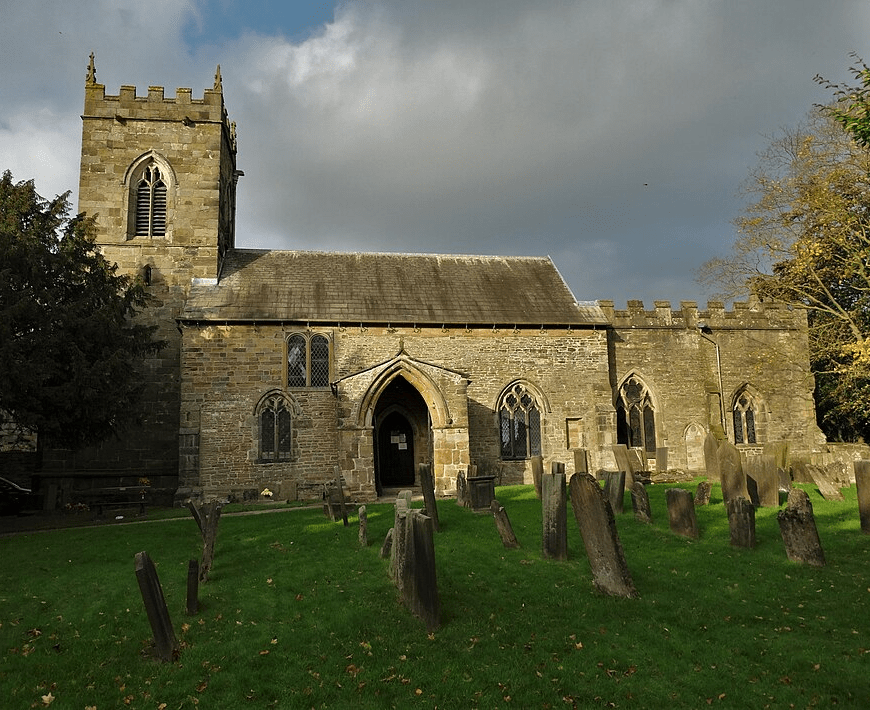
‘Good for nothing and lived like a hog’: the destructive obsession of Francis, Lord Deincourt

Dr Patrick Little of the 1640-60 Lords section, explores the strange life of a peer who valued money above everything. It had started so well. Francis Leak, the son of Sir Francis Leak, a prosperous landowner in Derbyshire and Nottinghamshire, was the first of his family to try to establish himself on the national stage. He had already taken the important first step of marrying … Continue reading ‘Good for nothing and lived like a hog’: the destructive obsession of Francis, Lord Deincourt

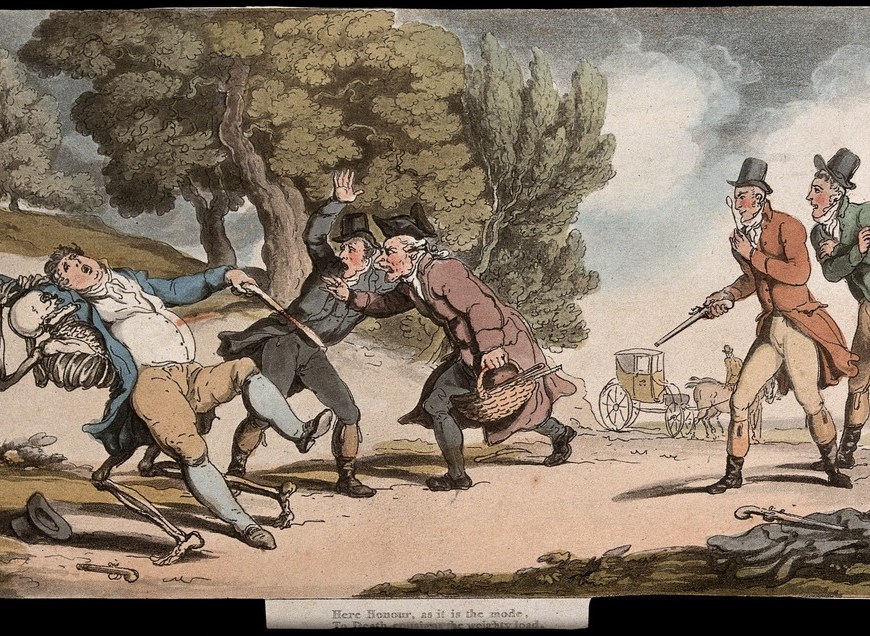
A ‘new Canterbury Tale’: George Smythe, Frederick Romilly and England’s ‘last political duel’

Drawing on her research into Canterbury for the House of Commons, 1832-1868 project, our research fellow Dr Naomi Lloyd-Jones looks at the 1852 pre-election duel between the city’s MPs, Frederick Romilly and George Smythe, a notorious would-be duellist, believed to be the last political duel fought in England. In the early hours of 20 May 1852, six weeks before polling in that summer’s general election, … Continue reading A ‘new Canterbury Tale’: George Smythe, Frederick Romilly and England’s ‘last political duel’

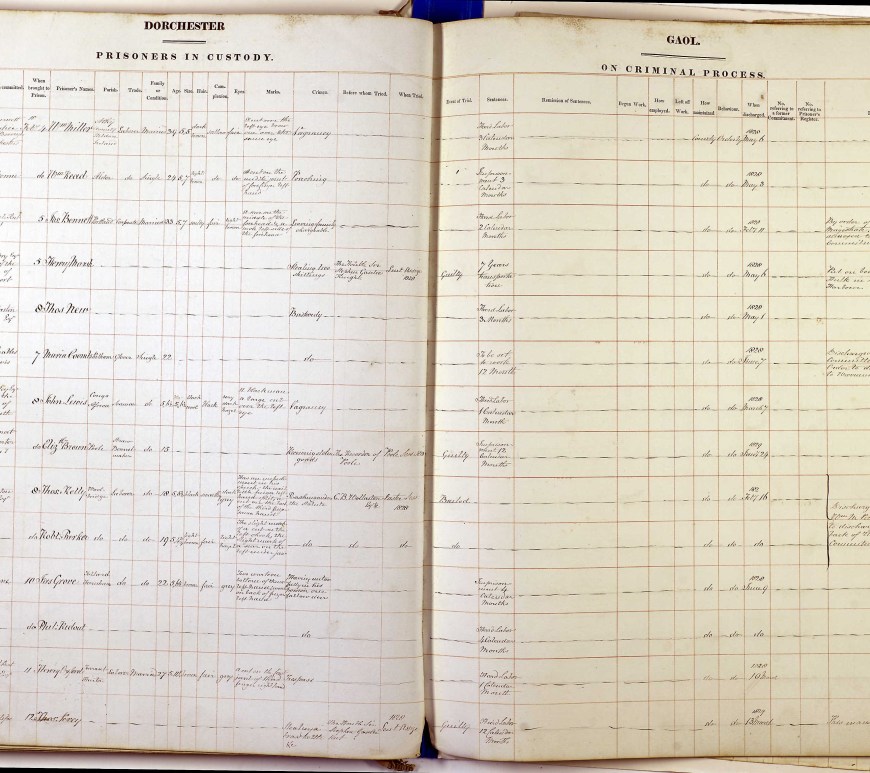
John Lewis: A Black Sailor at the 1828 Weymouth By-Election

In this guest article Dr Joe Cozens discusses his research into John Lewis, a Black sailor who was arrested during the 1828 Weymouth by-election. Dr Cozens is a Nineteenth Century Social and Political Records Researcher at The National Archives, Kew. On the eve of the February 1828 Weymouth and Melcombe Regis by-election, a Black seaman named John Lewis was arrested for being ‘at the head … Continue reading John Lewis: A Black Sailor at the 1828 Weymouth By-Election

The evolving electoral system: the 1835 and 1865 general elections compared

This year marks the 190th anniversary of the 1835 general election and the 160th anniversary of the 1865 general election. Our assistant editor Dr Kathryn Rix looks at some of the ways in which the electoral system had evolved in the thirty years between them. The 1835 and 1865 general elections both took place under the electoral system established by the 1832 Reform Act, with … Continue reading The evolving electoral system: the 1835 and 1865 general elections compared

‘Those dark little rooms’: Cecil Forester, the Carlton Club and electoral corruption

Drawing on her first biography for the House of Commons, 1832-1868 project, our new research fellow Dr Naomi Lloyd-Jones looks at the behind the scenes involvement of the long-serving Conservative MP Cecil Forester in the electioneering activities of the Carlton Club and the murky world of electoral corruption. George Cecil Weld Forester (1807-86), or Cecil Forester as he was known, was Conservative MP for the … Continue reading ‘Those dark little rooms’: Cecil Forester, the Carlton Club and electoral corruption