Oliver Cromwell’s ‘Other House’ and the perils of Lords ‘reform’

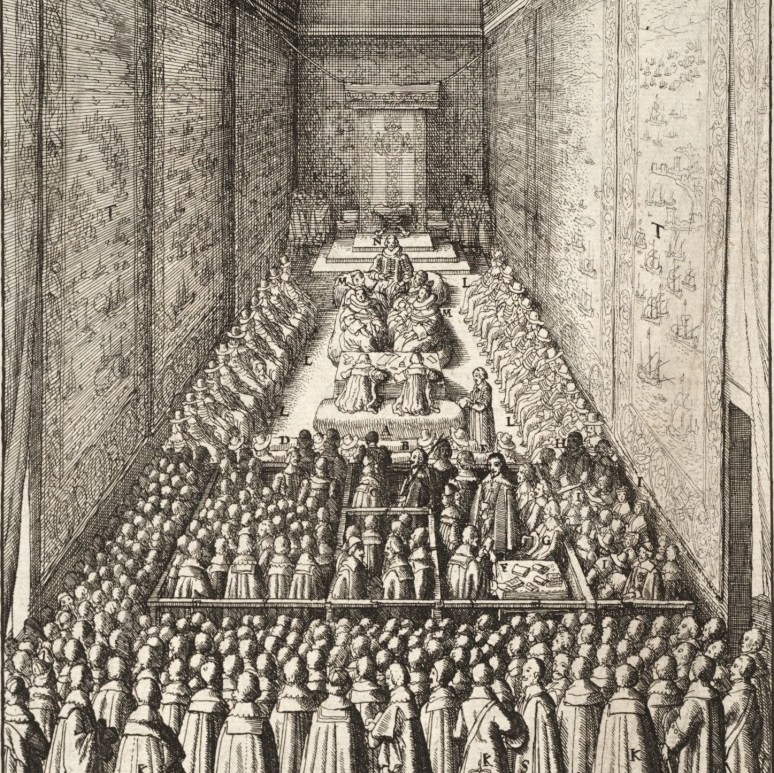
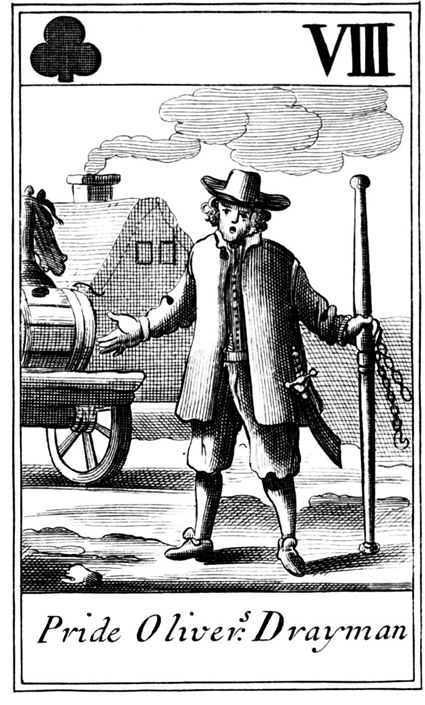
In this guest post, Dr Jonathan Fitzgibbons of Lincoln University, looks at a constitutional issue from the 1650s with obvious contemporary relevance: the place of the House of Lords. As politicians continue to debate the House of Lords’ future, including legislation to eliminate its remaining hereditary peers, they might draw lessons from its past. Particularly instructive are the events of the English Revolution, which saw … Continue reading Oliver Cromwell’s ‘Other House’ and the perils of Lords ‘reform’

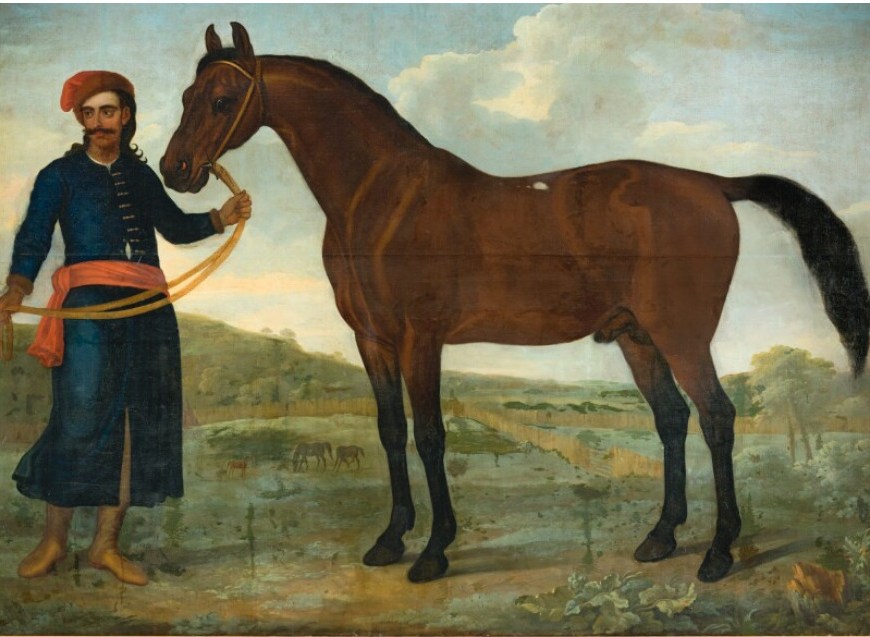
The Sport of Kings – and Protectors!

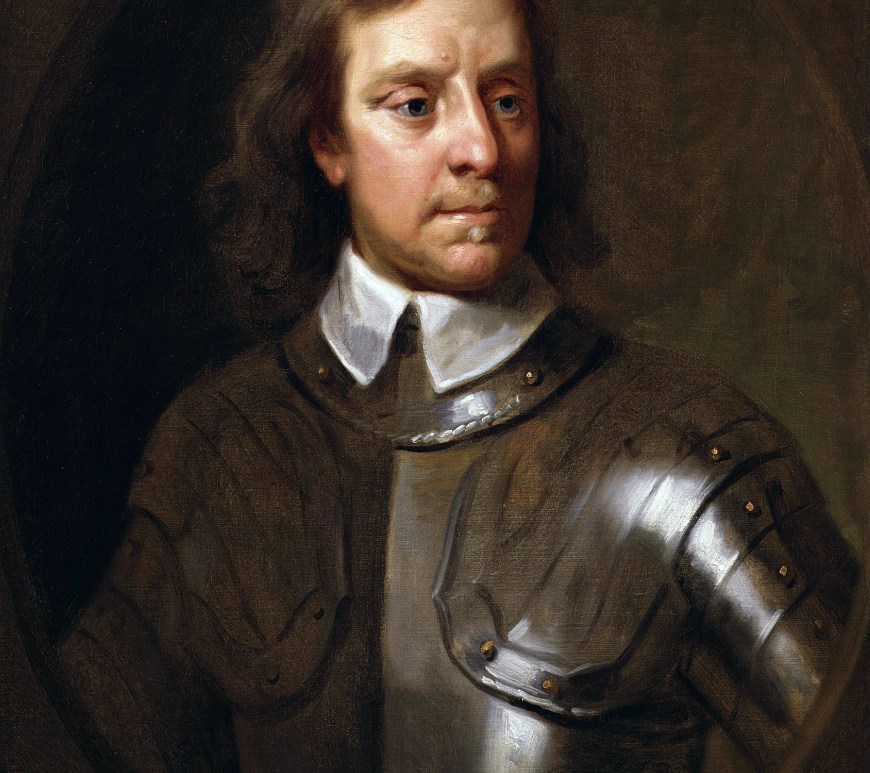
In this blog, Dr Patrick Little, of the 1640-60 Lords section, explores the enduring popularity of horse-racing, even during the rule of that archetypal puritan, Oliver Cromwell… Oliver Cromwell is blamed for many things without any basis. There are ruined castles said to have been destroyed by him (even though he never went near them); Christmas was famously banned by him (it wasn’t – blame … Continue reading The Sport of Kings – and Protectors!

Crisis? What Crisis? Parliament and Revolutionary Britain

At the end of April, the History of Parliament hosted a colloquium to celebrate the publication of the House of Commons 1640-60 volumes and the beginning of a new section on the Lords in the same period. In this blog, Dr Alex Beeton reports on a very successful day. In the last decade, it has become common to describe parliamentary democracy in England and the … Continue reading Crisis? What Crisis? Parliament and Revolutionary Britain

New Evidence for Old Stories: The Scribbled Books of the House of Lords

In this blog, Dr Alex Beeton from our House of Lords 1640-1660 project explores a little-used parliamentary source – the ‘Scribbled Books’ – and reveals some of the important information that can be found within them… John Browne, the Clerk of the Parliaments (i.e. the House of Lords) in the Long Parliament, did not have an easy job. His primary purpose was, with the help … Continue reading New Evidence for Old Stories: The Scribbled Books of the House of Lords

The History of Parliament, House of Commons, 1640-60: a roundtable discussion

Ahead of next Tuesday’s Parliaments, Politics and People roundtable seminar, we hear from Alex Beeton and Patrick Little of the History of Parliament. On 13 February Alex and Patrick will join Andrew Barclay, Vivienne Larminie and David Scott to discuss the recently published History of Parliament, House of Commons, 1640-60 volumes The roundtable seminar takes place on 13 February 2024, between 17:30 and 19:00. It is fully … Continue reading The History of Parliament, House of Commons, 1640-60: a roundtable discussion

The Stuart Brothers in the English Civil War: the Road to Royalist Martyrdom

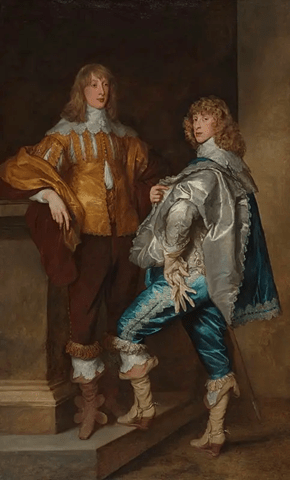
UNIQ+ Intern, Thomas Fallais, and David Scott, editor of the House of Lords 1640-1660 section, consider the deaths of three prominent royalist brothers, and how they were remembered. The Stuart brothers George Lord d’Aubigny, Lord John Stuart and Lord Bernard Stuart came from a powerful aristocratic family. Their father, Esmé Stuart, 3rd duke of Lennox, was a cousin and favourite of King James I, and their elder … Continue reading The Stuart Brothers in the English Civil War: the Road to Royalist Martyrdom

Richard Ingoldsby – Reluctant Regicide?

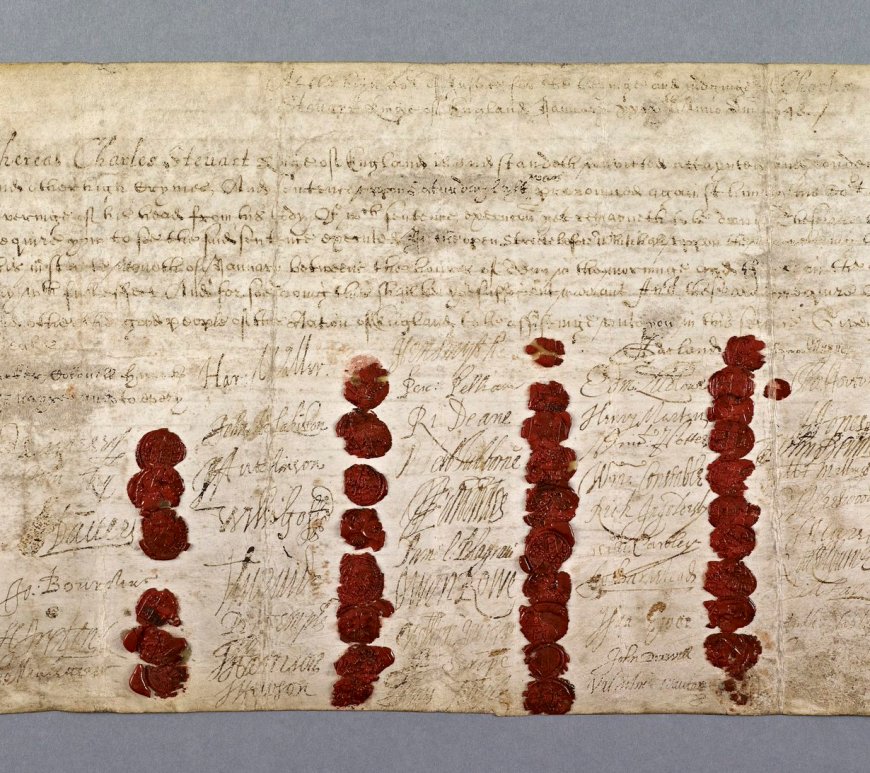
On 29 January 1649, Charles I’s death warrant was signed by 59 men. One of these men, Richard Ingoldsby, later claimed during the restoration of the monarchy that Oliver Cromwell had forced him to sign it. Dr Andrew Barclay, senior research fellow of our House of Lords 1640-1660 project, investigates whether he was in fact forced to sign the death warrant. The signing of the death … Continue reading Richard Ingoldsby – Reluctant Regicide?

Post-Mortem by Print: Reflections on the Death of Lucius Cary, 2nd Viscount Falkland

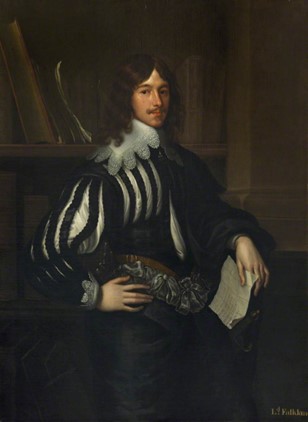
In the latest Revolutionary Stuart Parliaments blog, guest blogger William Poulter, a postgraduate researcher at the University of Leeds, discusses how the death of Lucius Cary, 2nd Viscount Falkland in 1643 was memorialised decades later during the Restoration of the monarchy. Lucius Cary, Viscount Falkland [S], was killed fighting for the king in the English Civil War on 20 September 1643. Explanations for his death range … Continue reading Post-Mortem by Print: Reflections on the Death of Lucius Cary, 2nd Viscount Falkland

The Civil War and the First Age of Party

May 2023 saw the publication of the History of Parliament House of Commons 1640-1660 volumes. This research has uncovered that many of the political identities, behaviours and structures that constitute a recognisable party-political system first came together during this time. Dr David Scott, editor of the House of Lords 1640-1660 section, explains… On trial for his life in 1662, the former parliamentarian statesman Sir Henry Vane referred … Continue reading The Civil War and the First Age of Party

Time and the Hard Night’s Day in the Long Parliament

During the 1640s the parliamentary day grew longer and longer until all-night sittings became a regular feature in the House of Commons. Dr Stephen Roberts, editor of the House of Commons 1640-1660, explains the debates that kept the Commons sitting late and how orders and divisions on candles became a regular feature. UK Parliament is celebrated for its traditions: consider the Speaker’s daily procession, the spectacle … Continue reading Time and the Hard Night’s Day in the Long Parliament