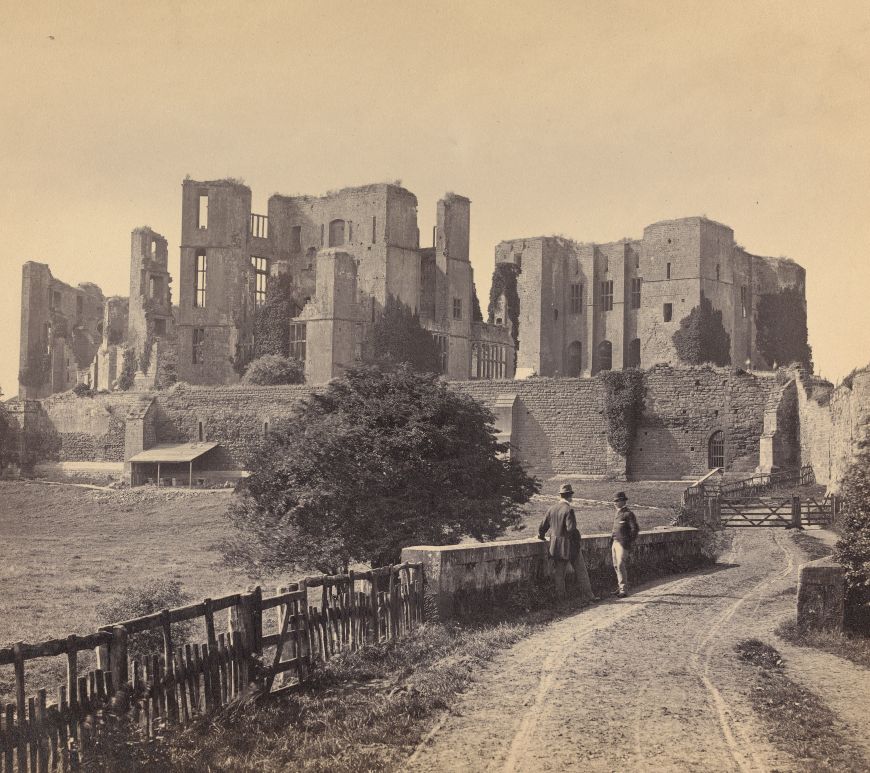
The true beginning of troubles? The Parliament of Bats, 1426

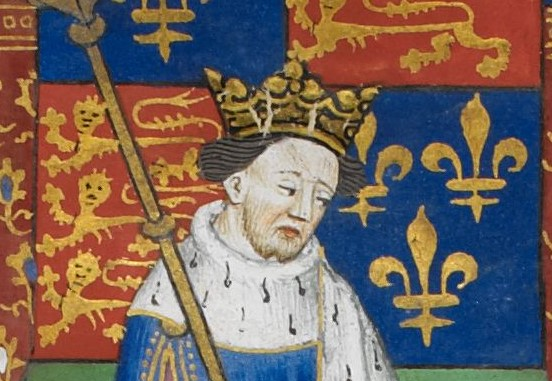
Dr Hannes Kleineke explores the acrimonious ‘Parliament of Bats’, which first met in Leicester on this day 600 years ago, amidst tensions between two of Henry VI’s closest political advisors. At the end of 1425, just three years into the reign of the infant Henry VI, the English polity, such as it was, was in turmoil. Although arrangements for the conduct of government during the … Continue reading The true beginning of troubles? The Parliament of Bats, 1426

“Wilful murder by persons unknown”: death in an Oxford college (1747)

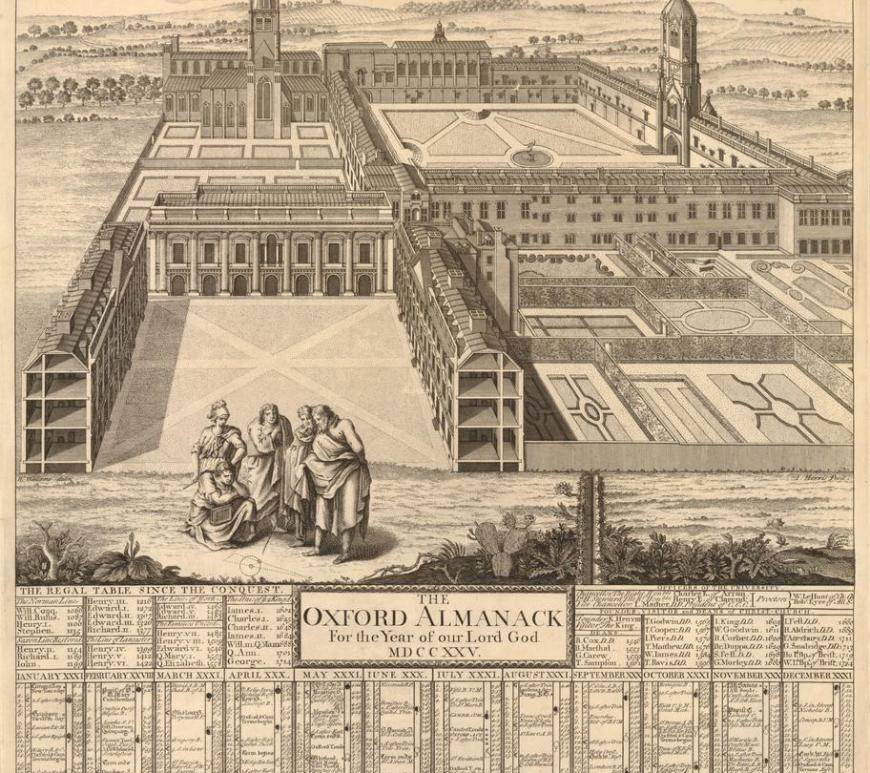
In the latest post for the Georgian Lords, Dr Robin Eagles examines an unpleasant incident that took place in Oxford in the 1740s, which left a college servant dead and several high profile students under suspicion of his murder… In April 1784, George Nevill, 17th Baron Abergavenny, was approached to ask whether he would accept promotion to an earldom. In the wake of Pitt the … Continue reading “Wilful murder by persons unknown”: death in an Oxford college (1747)

Steps towards identifying new Black voters in 18th-century Westminster and Hertfordshire

A few months ago, the History welcomed a guest post by Dr Gillian Williamson with her groundbreaking research into John London, to date the earliest known Black voter in Britain, who lodged his vote in the 1749 by-election for Westminster. In this latest post, Dr Robin Eagles explains the potential discovery of further Black voters taking part in the same contest and subsequent polls in … Continue reading Steps towards identifying new Black voters in 18th-century Westminster and Hertfordshire

A Lancastrian City? Coventry and the Wars of the Roses, 1451-1471

This piece is in memory of Professor Peter W. Fleming, who died in April 2025. His publishing career spanned 40 years, from an article on the religious faith of the gentry of Kent in 1984 to a defining monograph on the history of late-medieval Bristol in 2024.  His career would have been yet more notable but for the ill-health that blighted his last years.  A … Continue reading A Lancastrian City? Coventry and the Wars of the Roses, 1451-1471

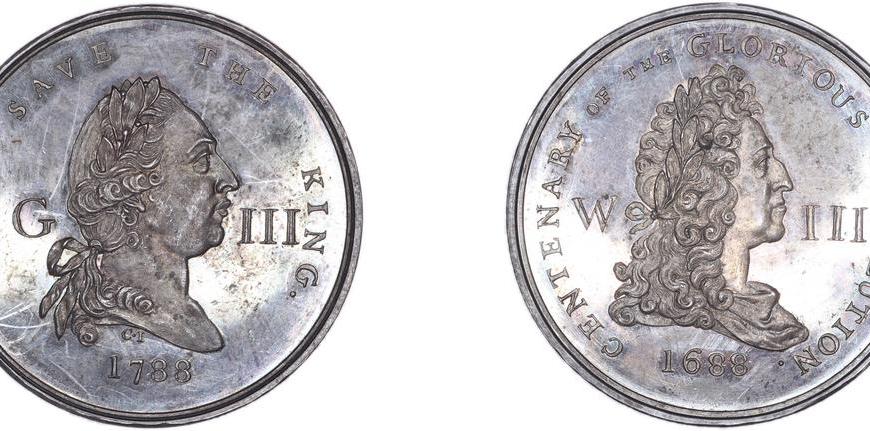
‘Confirmation of the People’s Rights’: commemorating the ‘Glorious Revolution’ of 1688

For many, the beginning of November means the advent of longer nights as the year winds down to Christmas. Some may still enjoy attending firework displays marking the failure of the 1605 Gunpowder Plot. In November 1788, though, serious efforts were made to establish a lasting memorial to the Revolution of 1688, whose centenary was celebrated nationwide. However, as Dr Robin Eagles shows, no one … Continue reading ‘Confirmation of the People’s Rights’: commemorating the ‘Glorious Revolution’ of 1688

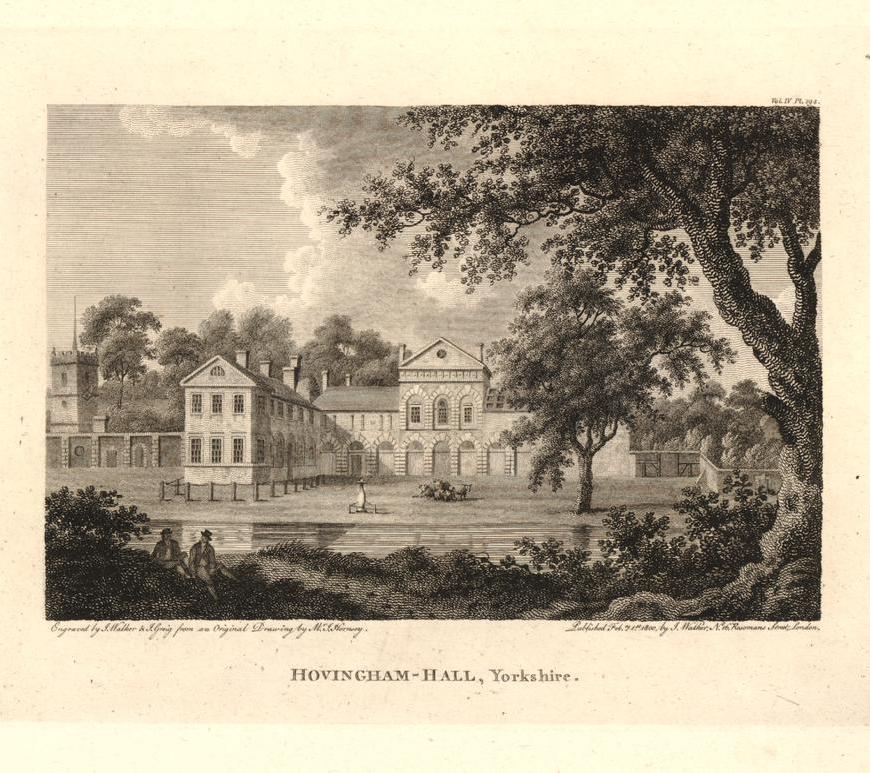
Descended from a giant: the Worsleys of Hovingham

The recent death of HRH the Duchess of Kent, who was married to the late queen’s cousin at York Minister in 1961, reminds us of her family’s long association with Yorkshire. This has included two brothers who served as archbishop of York and several members of her family who were elected to Parliament. Dr Robin Eagles considers the Worsley family’s connection with the north of … Continue reading Descended from a giant: the Worsleys of Hovingham

From Lancaster to York and back again: the political evolution of the Derbyshire Blounts

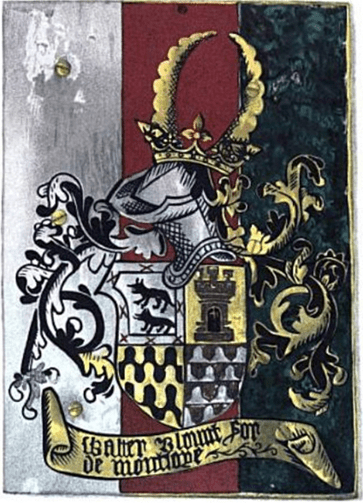
Dr Simon Payling, of our Commons 1461-1504 section, explores the fortunes and shifting loyalties of one gentry family in Derbyshire during the Wars of the Roses. The troubled politics of the mid-fifteenth century are illuminated by the histories of leading gentry families just as much as they are by those of Neville, Stafford and other great aristocratic families. In one sense, lesser families offer a more … Continue reading From Lancaster to York and back again: the political evolution of the Derbyshire Blounts

‘One of the wyrste bataylys that ever came to Inglonde, and unkyndyst’: The battle of Shrewsbury on 21 July 1403

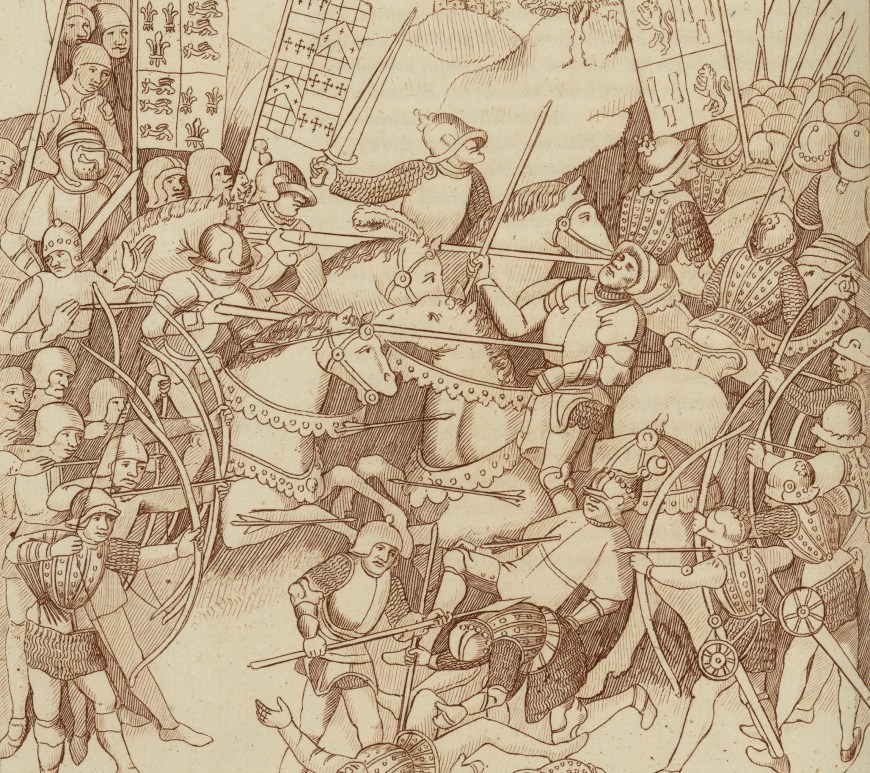
Dr Simon Payling, of our Commons 1461-1504 section, explores the background and significance of the battle of Shrewsbury, which took place on this day in 1403. In defeating the rebellion of the Percys at the battle of Shrewsbury, Henry IV overcame an existential threat to the infant Lancastrian regime. It was a threat that came upon him suddenly and undeservedly. The rebellion had but one cause, … Continue reading ‘One of the wyrste bataylys that ever came to Inglonde, and unkyndyst’: The battle of Shrewsbury on 21 July 1403

‘Good for nothing and lived like a hog’: the destructive obsession of Francis, Lord Deincourt

Dr Patrick Little of the 1640-60 Lords section, explores the strange life of a peer who valued money above everything. It had started so well. Francis Leak, the son of Sir Francis Leak, a prosperous landowner in Derbyshire and Nottinghamshire, was the first of his family to try to establish himself on the national stage. He had already taken the important first step of marrying … Continue reading ‘Good for nothing and lived like a hog’: the destructive obsession of Francis, Lord Deincourt

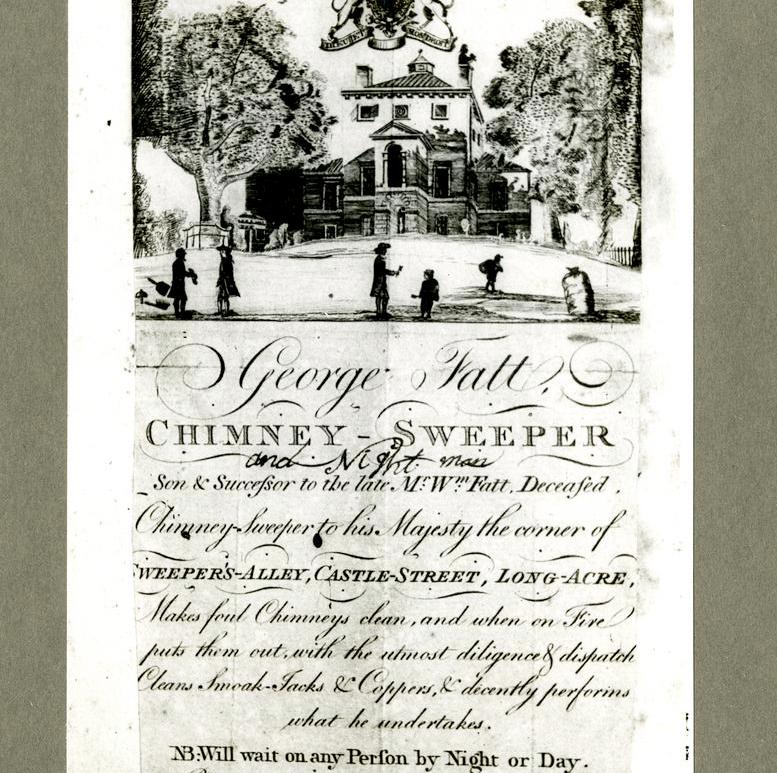
Bloomsbury Square and the Gordon Riots

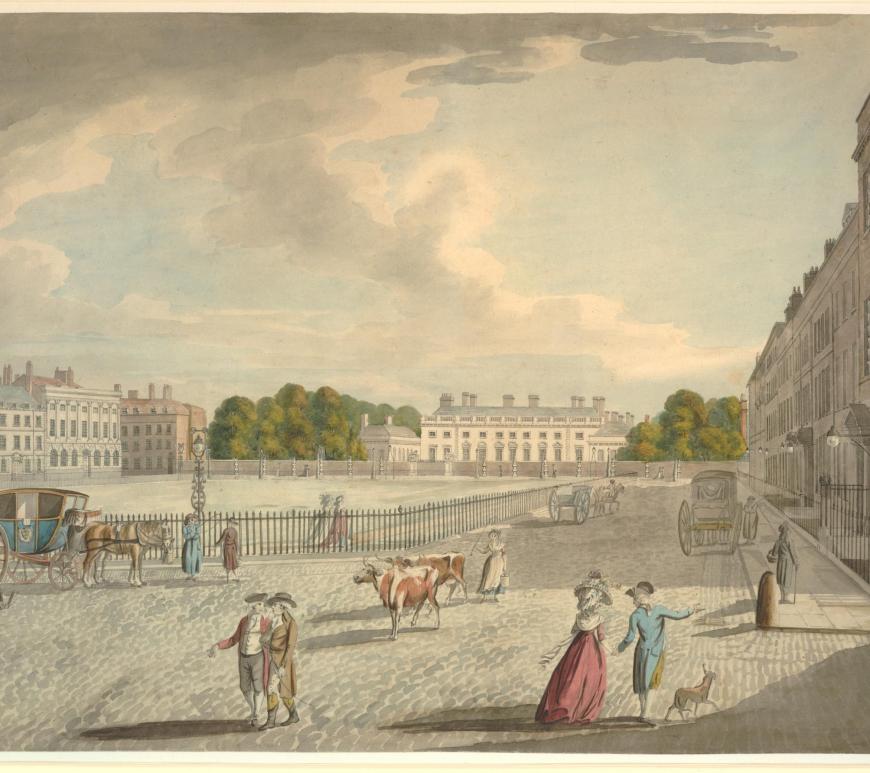
For almost 20 years, Bloomsbury Square has been the home to the History of Parliament. In the latest post for the Georgian Lords, Dr Robin Eagles considers the history of the square in one of its most turbulent periods. Bloomsbury Square, and its immediate surroundings, have long been associated with prominent political figures. In 1706, several peers had residences in the square, notably the (2nd) … Continue reading Bloomsbury Square and the Gordon Riots