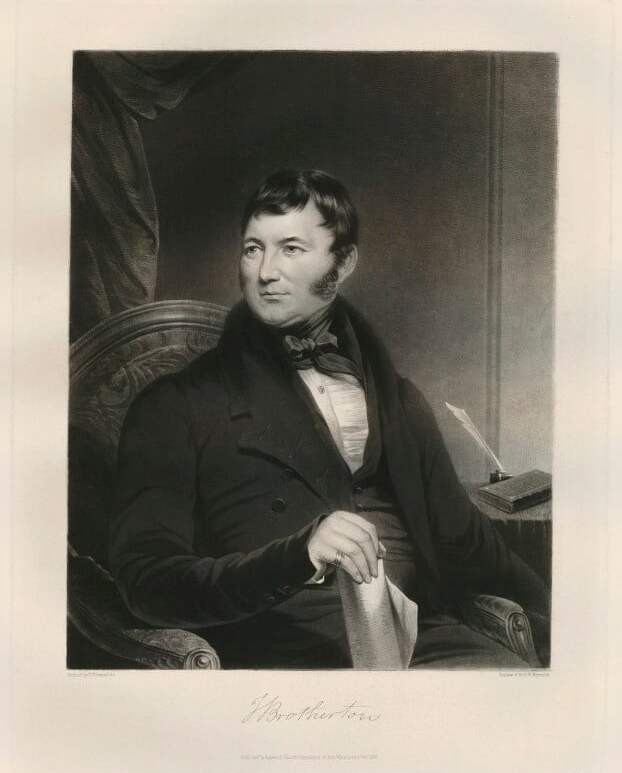
‘I shall persist’: Joseph Brotherton (1783-1857) and late hours in the Commons

Among the new constituencies created by the 1832 Reform Act was Salford, whose first MP, Joseph Brotherton, proved to be a notably hard-working member of the Commons. Dr Kathryn Rix, Assistant Editor of our House of Commons, 1832-1945 project, examines the career of this diligent backbencher, shedding light on the timetable of the parliamentary day. In 1832 the borough of Salford elected its first MP, … Continue reading ‘I shall persist’: Joseph Brotherton (1783-1857) and late hours in the Commons

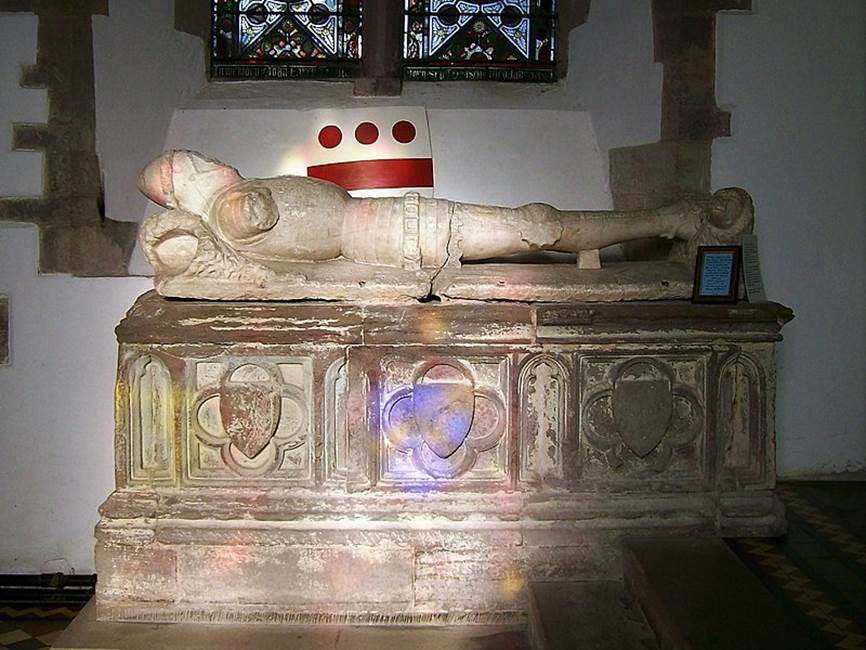
A Yorkist Family during the Wars of the Roses: the Devereuxs of Weobley in Herefordshire

Dr Simon Payling, of our Commons 1461-1504 section, explores the fortunes of one particularly loyal Yorkist family during the Wars of the Roses. For leading landowning families ready to commit themselves to one side or the other, the Wars of the Roses offered both hazard and opportunity. In terms of the latter, that commitment needed to be whole-hearted, but not necessarily consistent. So frequent were the … Continue reading A Yorkist Family during the Wars of the Roses: the Devereuxs of Weobley in Herefordshire

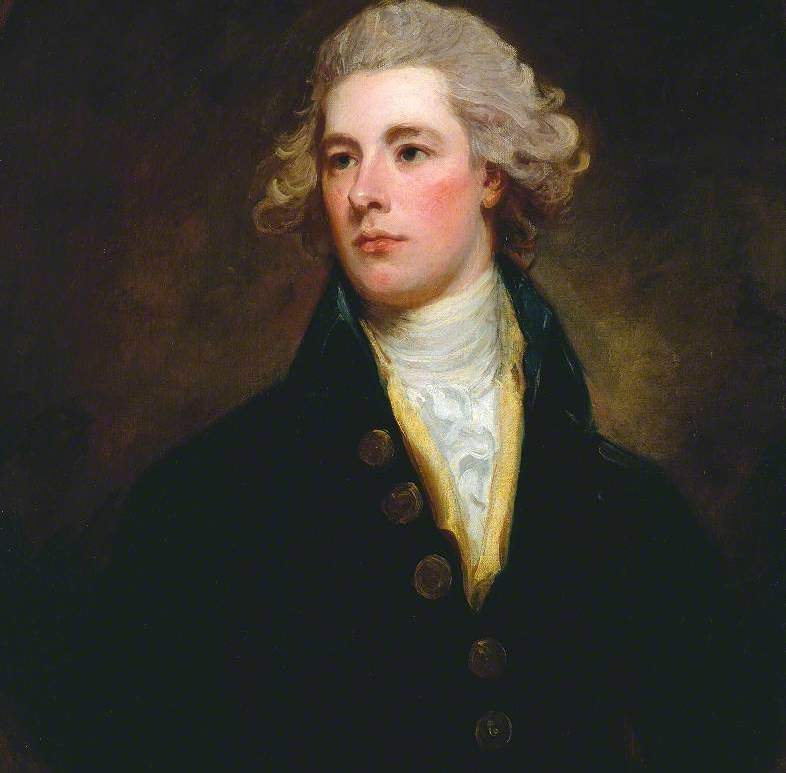
portrait of a young man in 18th-century dress

‘of all others most desirable’: Pitt the Younger and elections for Cambridge

From the onset of his lengthy political career, William Pitt the Younger had his eyes fixed on representing his alma mater, the University of Cambridge. Writing to his mother in July 1779, he observed that the University seat was ‘of all others most desirable, as being free from expense, perfectly independent, and I think in every respect extremely honourable’. In this latest guest post for … Continue reading ‘of all others most desirable’: Pitt the Younger and elections for Cambridge

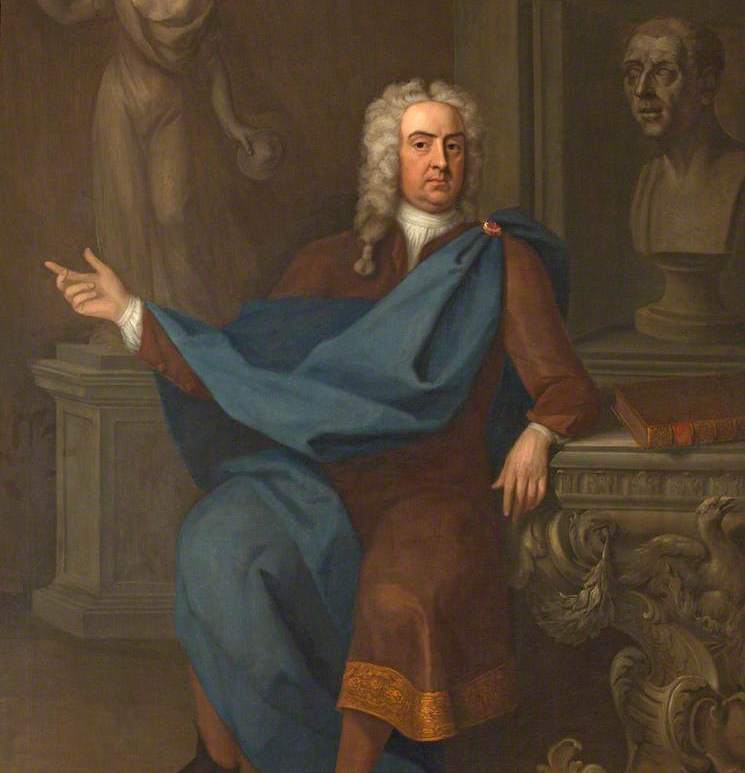
Painting of a man in 18th-century dress with a long grey wig, wearing a brown coat with a blue robe set among classical figures.

Some thoughts on William Pulteney, earl of Bath

The 31 May 2025 marks Dr Stuart Handley’s last day at the History of Parliament. One of his last biographies for The House of Lords, 1715-90 has been William Pulteney, earl of Bath. It will be the third History of Parliament biography of Pulteney, his long career having been covered by Dr Andrew Hanham in The House of Commons, 1690-1715, and by Dr Romney Sedgwick … Continue reading Some thoughts on William Pulteney, earl of Bath

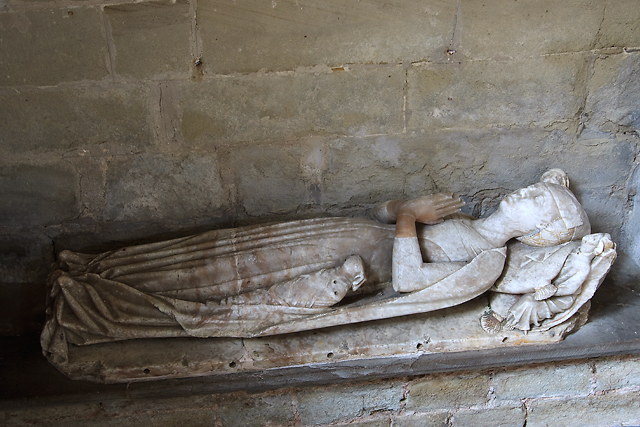
The story of a manor in memorials: the early tombs in the Shropshire church of Kinlet

The Shropshire church of Kinlet stands isolated in parkland, the village it once served re-sited in the early-eighteenth century on the building of the still-extant Kinlet Hall. It contains a fine series of memorials, the two earliest of which mark the end of one Kinlet dynasty, the Cornwalls, and the beginning of another, the Blounts. The first commemorates an early-fifteenth century heiress of the manor, … Continue reading The story of a manor in memorials: the early tombs in the Shropshire church of Kinlet

The Making of a Marcher Town: Ludlow and the Wars of the Roses

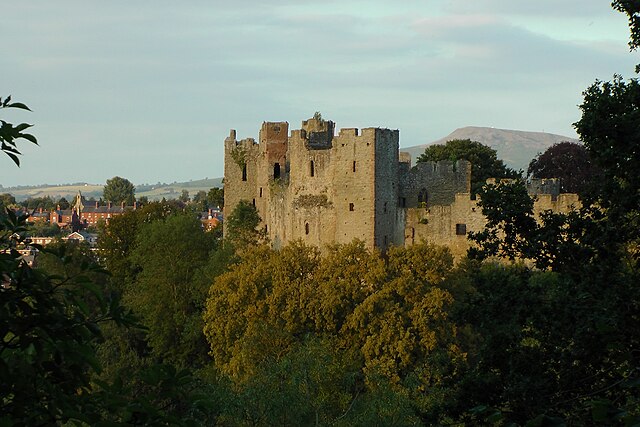
Dr Simon Payling, of our Commons 1461-1504 section, explores the crucial role of the Shropshire town of Ludlow during the Wars of the Roses. Political geography ensured that the town of Ludlow would, for good or ill, play some part in the great civil conflict that began when its lord, Richard, duke of York, moved into active opposition to the government of his cousin, Henry VI. … Continue reading The Making of a Marcher Town: Ludlow and the Wars of the Roses

The town of Shrewsbury and the Wars of the Roses: The campaigns of 1459-61

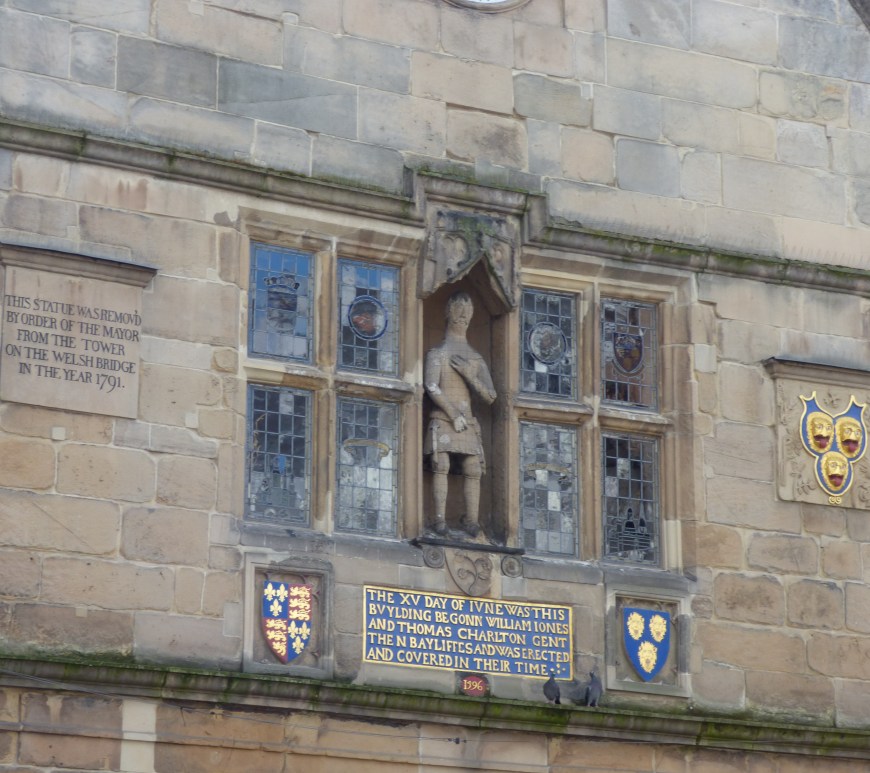
Dr Simon Payling, of our Commons 1461-1504 section, explores the political allegiance of the Shropshire town of Shrewsbury during the Wars of the Roses. While, during the Wars of the Roses, the political allegiances of individual noblemen are relatively easy to determine, those of individual towns are generally obscured. This is not surprising, for the notion of the corporate allegiance of a town is a … Continue reading The town of Shrewsbury and the Wars of the Roses: The campaigns of 1459-61

Lord Saye and Sele and the Battle for Oxford

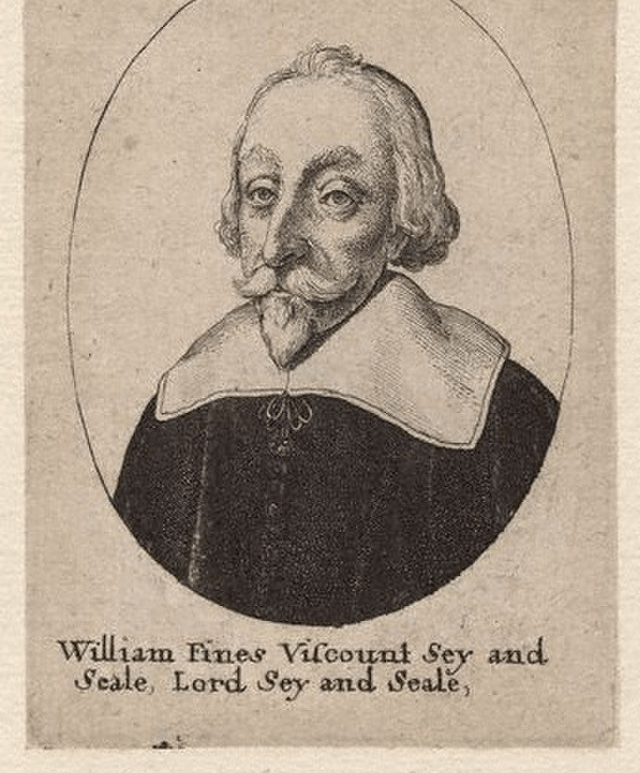
In our first ‘Revolutionary Stuart Parliaments‘ article of 2025, Editor of the 1640-60 House of Lords section, Dr David Scott, considers the leading parliamentarian peer, Viscount Saye and Sele, and his relationship with the archbishop of Canterbury, William Laud. ‘The Warre was begun in our streets before the King or Parliament had any Armies’ concluded the renowned church leader Richard Baxter about the outbreak of … Continue reading Lord Saye and Sele and the Battle for Oxford

Unrest in the West: The Perkin Warbeck Conspiracy

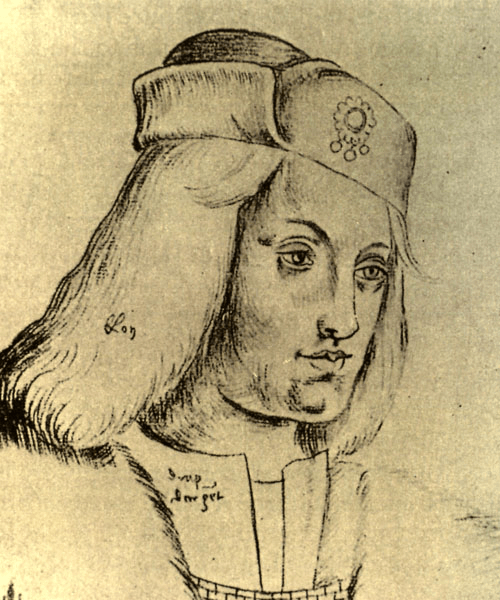
On this day, 1499, Perkin Warbeck, a pretender to the English throne, was hanged for treason, bringing an end to one of the most significant threats to Henry VII’s reign. Dr Hannes Kleineke, editor of our House of Commons 1461-1504 section, recounts the story of the Warbeck Conspiracy. Some three years after Lambert Simnel had taken up his post as Henry VII’s kitchen boy, another … Continue reading Unrest in the West: The Perkin Warbeck Conspiracy

The impact of the 1883 Corrupt Practices Act: the York by-election

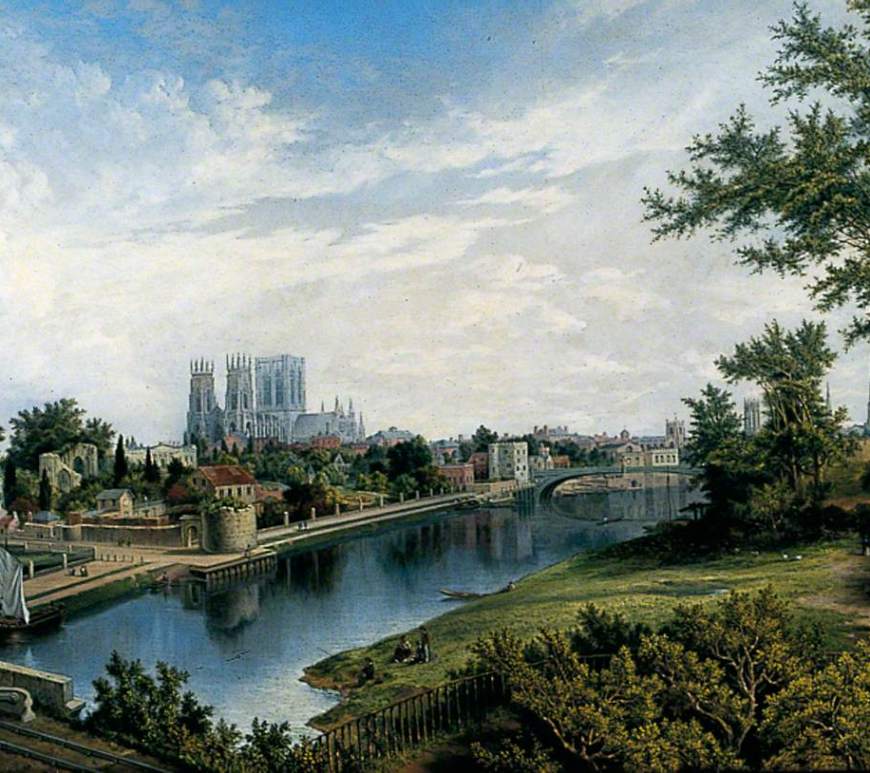
Continuing her series on the 1883 Corrupt Practices Act, Dr Kathryn Rix looks at its impact on electioneering, focusing on the November 1883 York by-election, which was the first parliamentary election held in England under the Act’s terms. The 1883 Corrupt and Illegal Practices Prevention Act, a landmark reform aimed at tackling the corruption and expense of elections, received royal assent on 25 August 1883, … Continue reading The impact of the 1883 Corrupt Practices Act: the York by-election