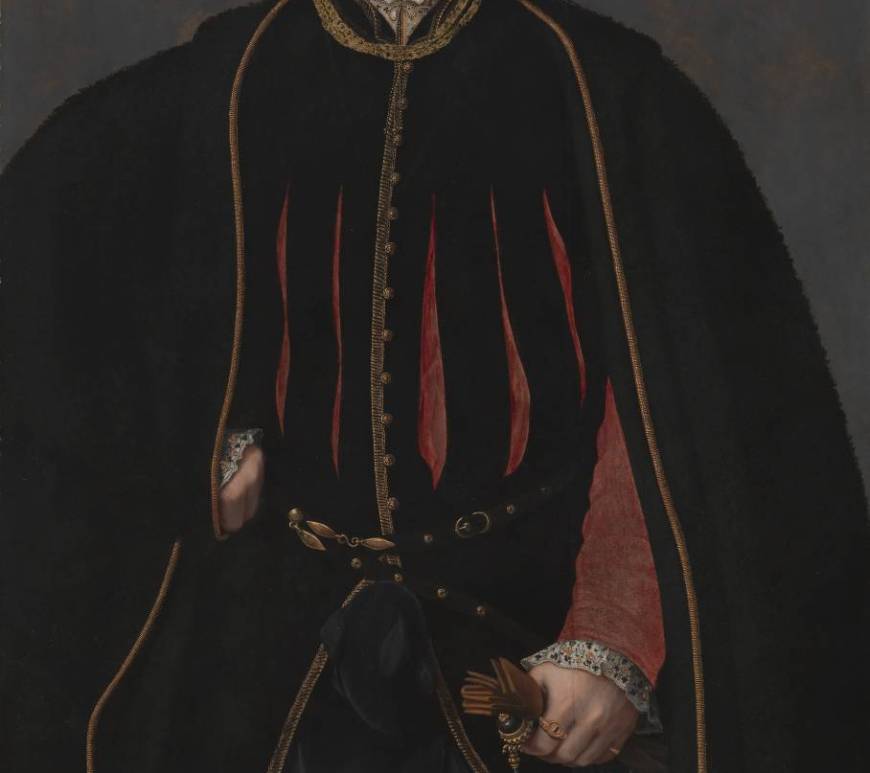
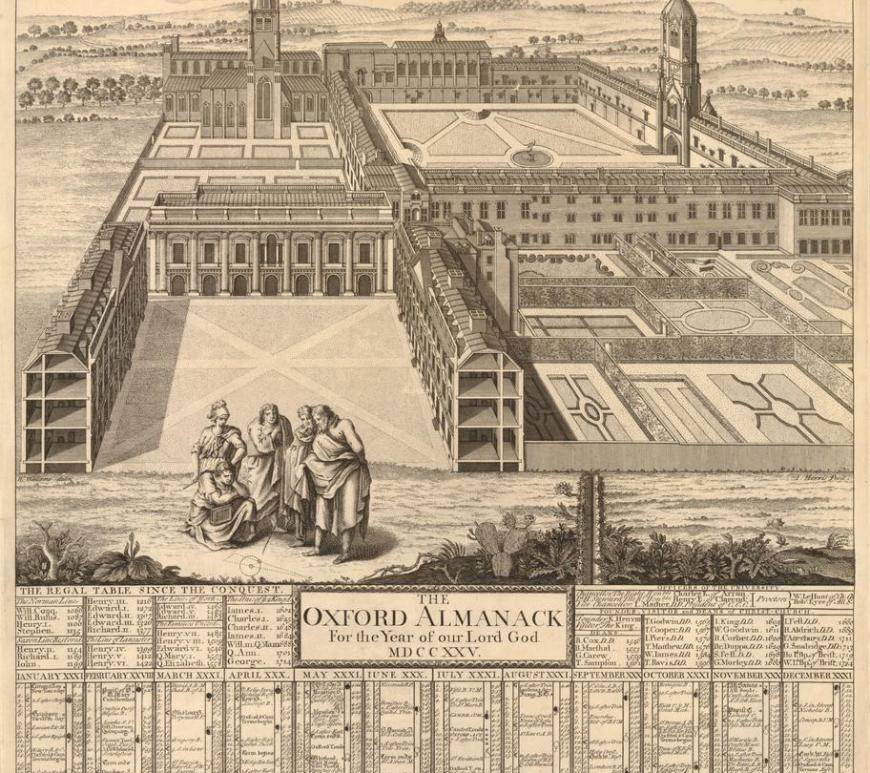
“Wilful murder by persons unknown”: death in an Oxford college (1747)

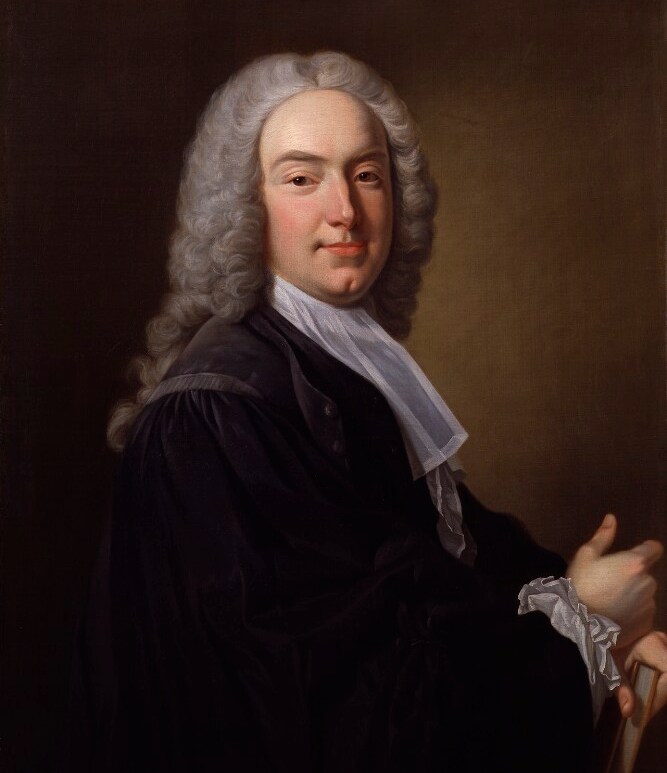
In the latest post for the Georgian Lords, Dr Robin Eagles examines an unpleasant incident that took place in Oxford in the 1740s, which left a college servant dead and several high profile students under suspicion of his murder… In April 1784, George Nevill, 17th Baron Abergavenny, was approached to ask whether he would accept promotion to an earldom. In the wake of Pitt the … Continue reading “Wilful murder by persons unknown”: death in an Oxford college (1747)

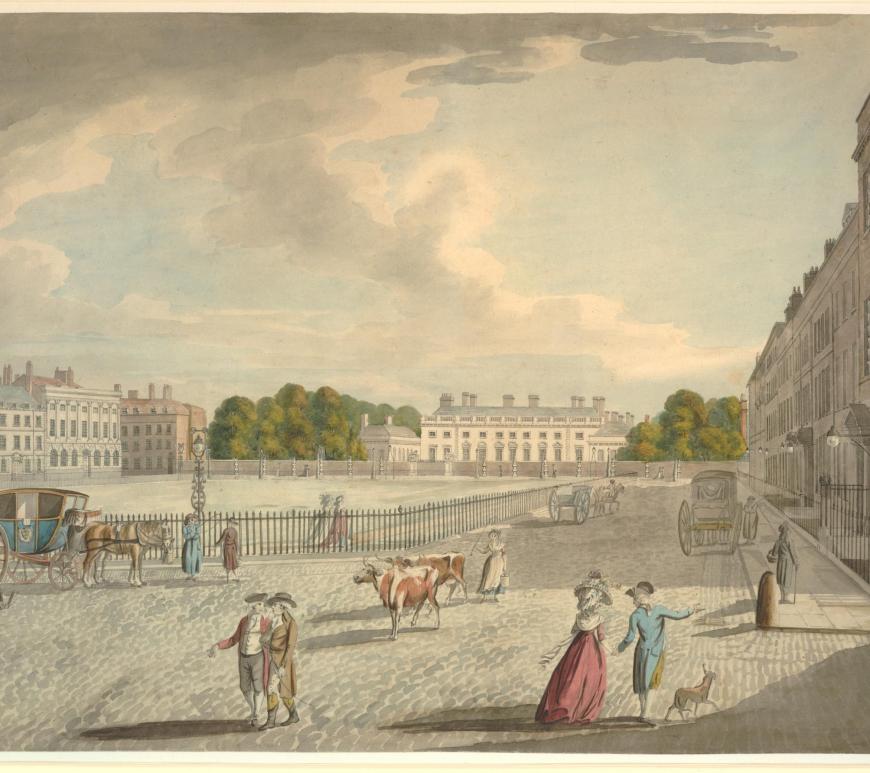
Bloomsbury Square and the Gordon Riots

For almost 20 years, Bloomsbury Square has been the home to the History of Parliament. In the latest post for the Georgian Lords, Dr Robin Eagles considers the history of the square in one of its most turbulent periods. Bloomsbury Square, and its immediate surroundings, have long been associated with prominent political figures. In 1706, several peers had residences in the square, notably the (2nd) … Continue reading Bloomsbury Square and the Gordon Riots

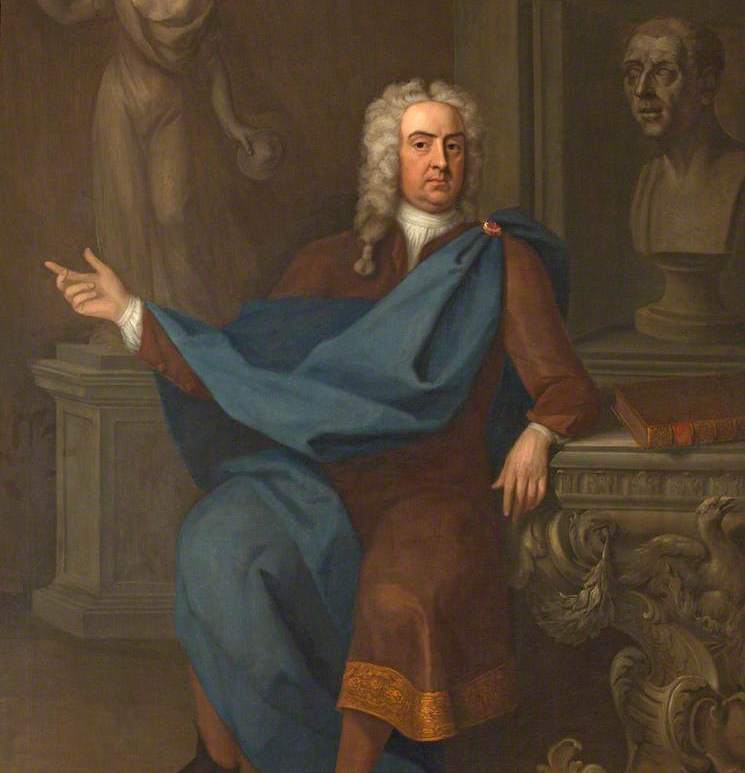
Painting of a man in 18th-century dress with a long grey wig, wearing a brown coat with a blue robe set among classical figures.

Some thoughts on William Pulteney, earl of Bath

The 31 May 2025 marks Dr Stuart Handley’s last day at the History of Parliament. One of his last biographies for The House of Lords, 1715-90 has been William Pulteney, earl of Bath. It will be the third History of Parliament biography of Pulteney, his long career having been covered by Dr Andrew Hanham in The House of Commons, 1690-1715, and by Dr Romney Sedgwick … Continue reading Some thoughts on William Pulteney, earl of Bath

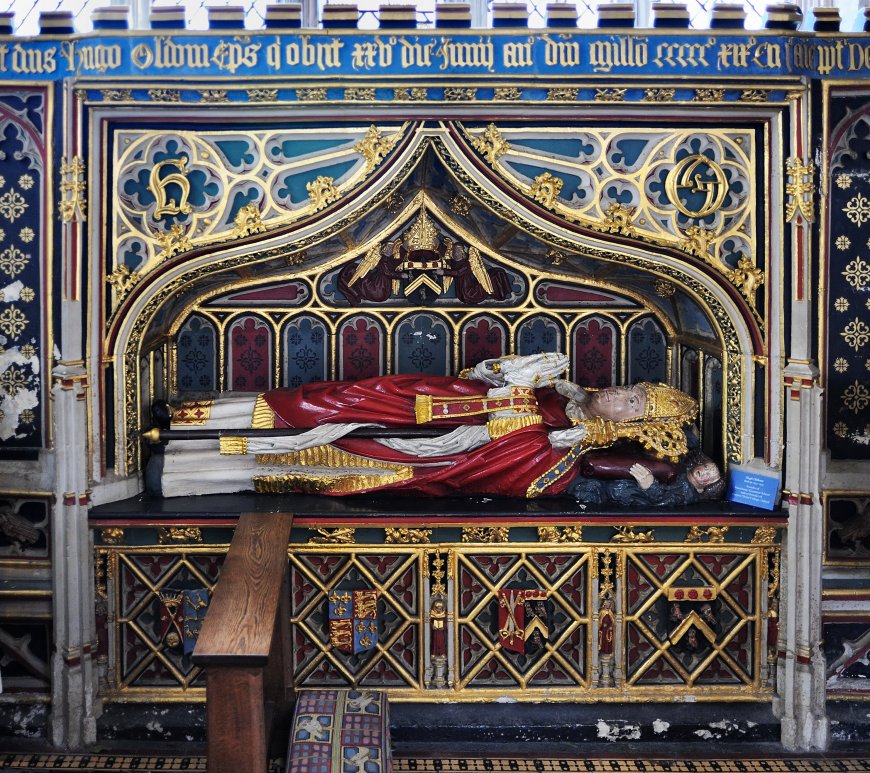
Hugh Oldham, bishop of Exeter, ‘hath more poison in that grete fowle bely of hys then all the Bysshoppes in Englond’: scandalum magnatum in early-sixteenth century England

For the first article of 2025, Dr Simon Payling of our Commons 1461-1504 Section, explores the use of a unique form of medieval defamation law in the early 16th century. Hugh Oldham (c.1450-1519), bishop of Exeter from 1505, has had a good press from historians. Described by the Exeter MP and chronicler, John Hooker alias Vowell (d. 1601), ‘as a great favourer and a friend … Continue reading Hugh Oldham, bishop of Exeter, ‘hath more poison in that grete fowle bely of hys then all the Bysshoppes in Englond’: scandalum magnatum in early-sixteenth century England

Somerset v Stewart, 1772: an End to Slavery in Britain? 

The campaigning activities of abolitionist MPs such as William Wilberforce and Thomas Fowell Buxton are well-known, but one former MP, who had become a member of the House of Lords, was involved in this question in a rather different way. Joe Baker – Public Engagement Assistant for the History of Parliament – looks at the landmark decision made by Lord Mansfield in the case of … Continue reading Somerset v Stewart, 1772: an End to Slavery in Britain? 

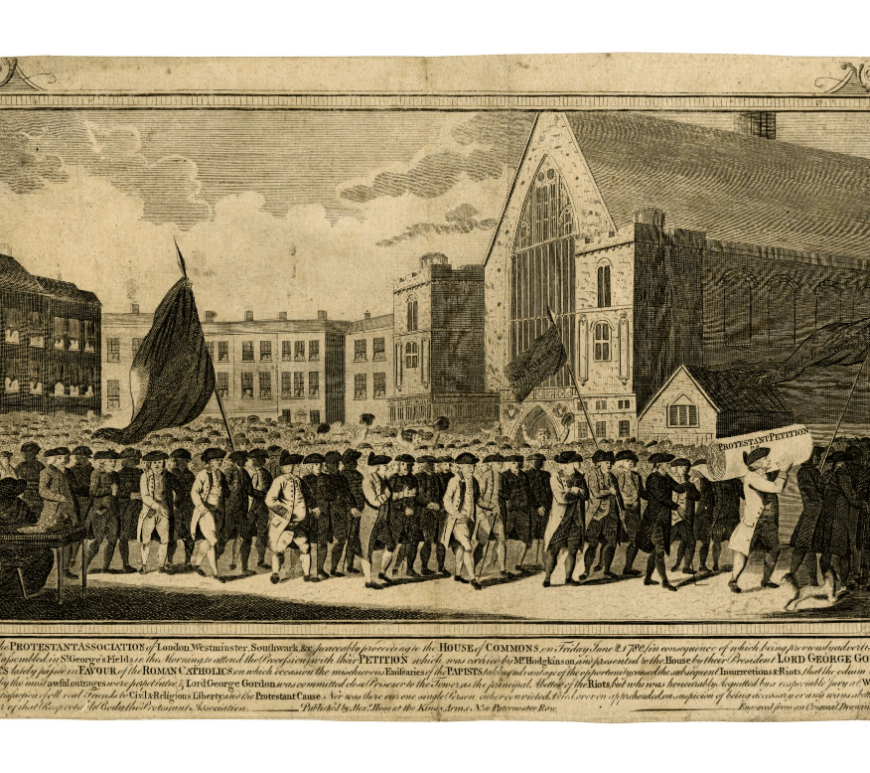
The day Parliament was invaded

In the summer of 1780 London, and several other cities across England, experienced some of the worst rioting they had seen in a generation, following the presentation of a petition to Parliament calling for the repeal of the Catholic Relief Act. In the latest post for the Georgian Lords, Dr Robin Eagles considers the evidence of Lord George Gordon’s trial report and the insights it … Continue reading The day Parliament was invaded

Poison and the Tudor nobility: the De La Warr peerage case

With House of Lords membership once again on the political agenda, Dr Ben Coates of our Lords 1558-1603 section explores how one aristocratic family’s murderous internal struggles played out in Parliament in the sixteenth century… On 26 Feb. 1549 a private bill ‘to dis[in]herit William West, [for] attempting to poison’ his uncle Thomas West, 9th Lord De La Warr, received a first reading in the … Continue reading Poison and the Tudor nobility: the De La Warr peerage case

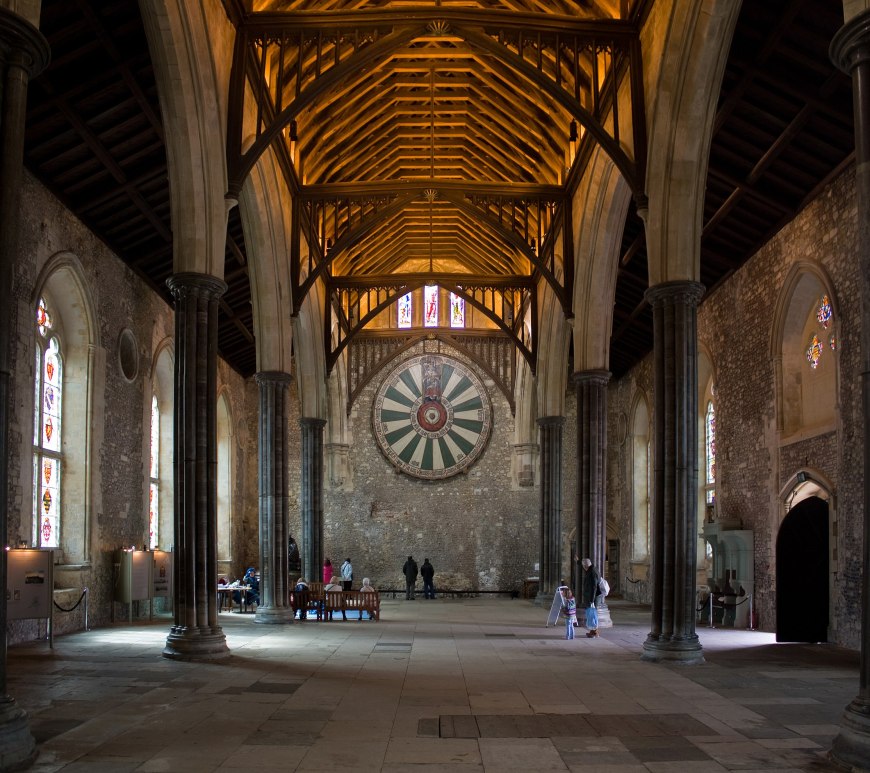
Winchester v. Winchester: rivalries and election-rigging in 1560s Hampshire

Whatever the outcome of a modern election, the process of voting is predictable, reliable, and well-understood. However, in the sixteenth century, the picture was a lot more complicated, and sometimes corrupt, as Dr Paul Hunneyball of our Elizabethan Lords section explains… Hampshire in the 1560s was a divided community. Despite the Elizabethan religious settlement of 1559, there was still a sizeable Catholic population in the … Continue reading Winchester v. Winchester: rivalries and election-rigging in 1560s Hampshire

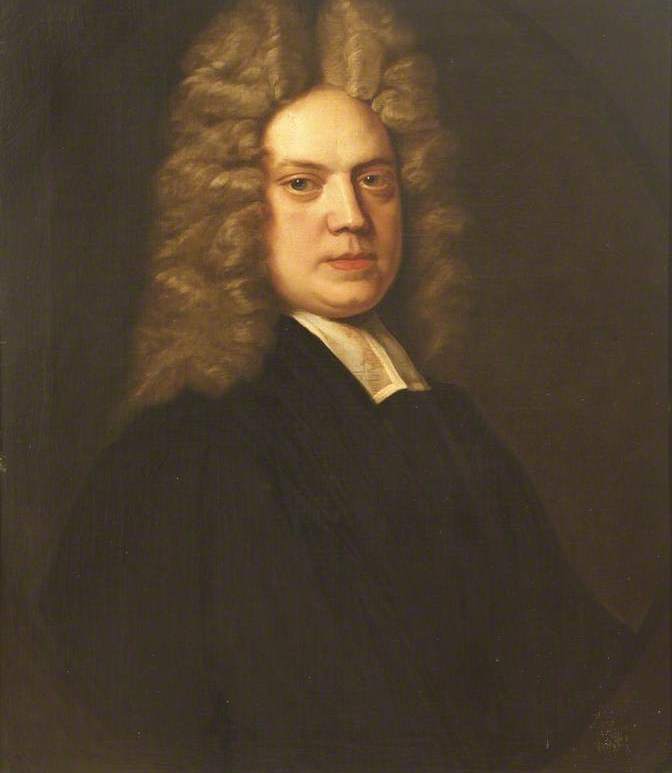
Two anniversaries, two impeachments and an election

In 2024 the tercentenaries of the deaths of two important 18th-century figures the fell within weeks of each other. Dr Charles Littleton compares the contrasting careers of Robert Harley, earl of Oxford, and Dr Henry Sacheverell, who both suffered impeachment by Parliament Robert Harley, Speaker of the Commons, secretary of state, earl of Oxford and Earl Mortimer and, ultimately, lord treasurer and de facto leader … Continue reading Two anniversaries, two impeachments and an election

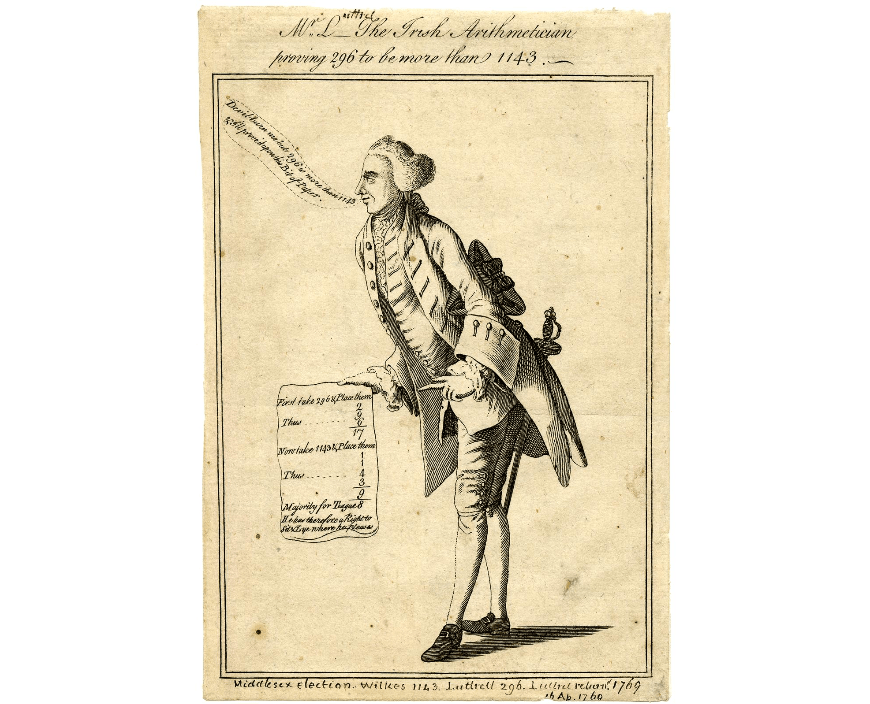
‘Not voting at all’: the election of an imprisoned MP in 1769

2024 represents the 250th anniversary of John Wilkes’s re-election for Middlesex and election as Lord Mayor of London. It was by any measure a remarkable achievement for a man who had been expelled from Parliament and imprisoned; but what of those who were so determined to cast their votes for someone Parliament deemed incapable of being elected? Dr Robin Eagles looks again at the Wilkes … Continue reading ‘Not voting at all’: the election of an imprisoned MP in 1769