Poison and the Tudor nobility: the De La Warr peerage case

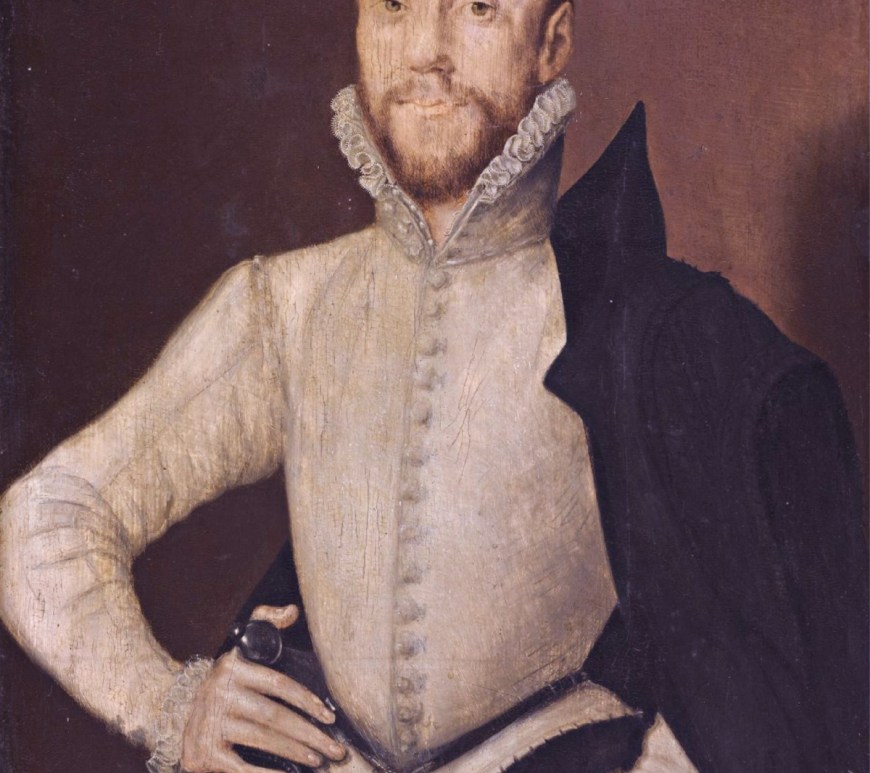
With House of Lords membership once again on the political agenda, Dr Ben Coates of our Lords 1558-1603 section explores how one aristocratic family’s murderous internal struggles played out in Parliament in the sixteenth century… On 26 Feb. 1549 a private bill ‘to dis[in]herit William West, [for] attempting to poison’ his uncle Thomas West, 9th Lord De La Warr, received a first reading in the … Continue reading Poison and the Tudor nobility: the De La Warr peerage case

The First Accession Council

In modern Britain, the death of a monarch has little political impact; the work of government continues uninterrupted, apart from a period of official mourning. But four centuries ago, when the king or queen actually ran the government, the situation was more complicated, as Dr Ben Coates of our Lords 1558-1603 section explains… When the succession of Charles III to the throne was formally proclaimed … Continue reading The First Accession Council

Did they marry? Lady Katherine Grey and Edward Seymour, earl of Hertford

For Elizabeth I’s closest relatives, the process of finding a spouse could be fraught with difficulties, as Dr Ben Coates of our Lords 1558-1603 section explains… On 9 August 1561 Lady Katherine Grey, one of Elizabeth I’s maids of honour, confided to her colleague, Elizabeth St Loe, that she was pregnant, and that she had secretly married the father, Edward Seymour, 1st earl of Hertford, … Continue reading Did they marry? Lady Katherine Grey and Edward Seymour, earl of Hertford

An English baron in early 17th century America: Thomas West, 3rd Baron De La Warr

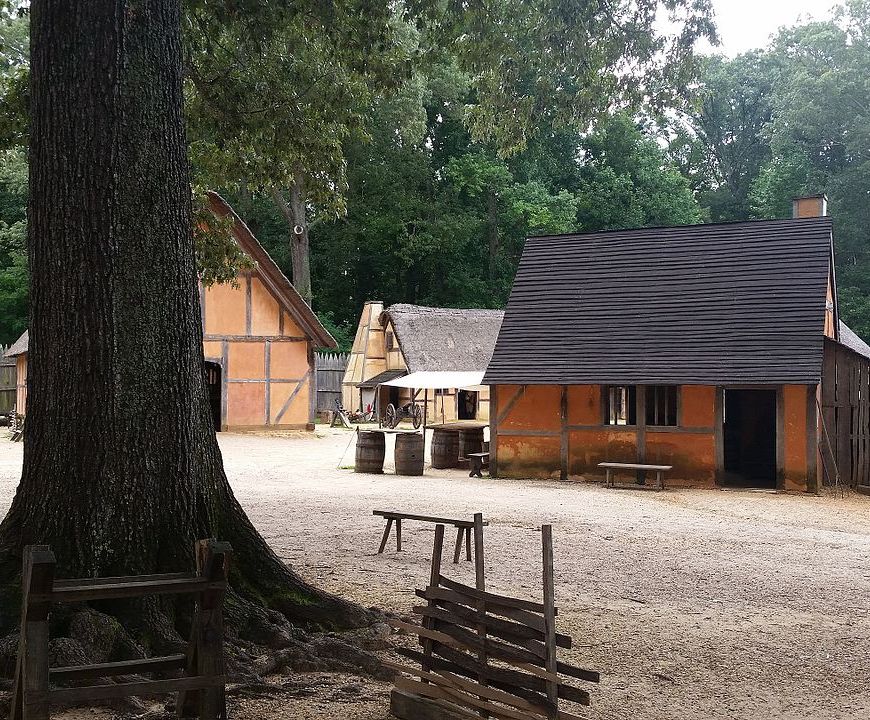
To mark Joe Biden’s inauguration as the 46th president of the United States, Dr Ben Coates of our Lords 1558-1603 section explains the surprising connection between the state of Delaware and the English peerage… The new American president, Joseph Robinette Biden Jr., was born in Pennsylvania, but moved as a child to Delaware, which he subsequently represented in Congress as a senator for over 30 … Continue reading An English baron in early 17th century America: Thomas West, 3rd Baron De La Warr

Thomas Sackville, 1st earl of Dorset: an overlooked Jacobean statesman?

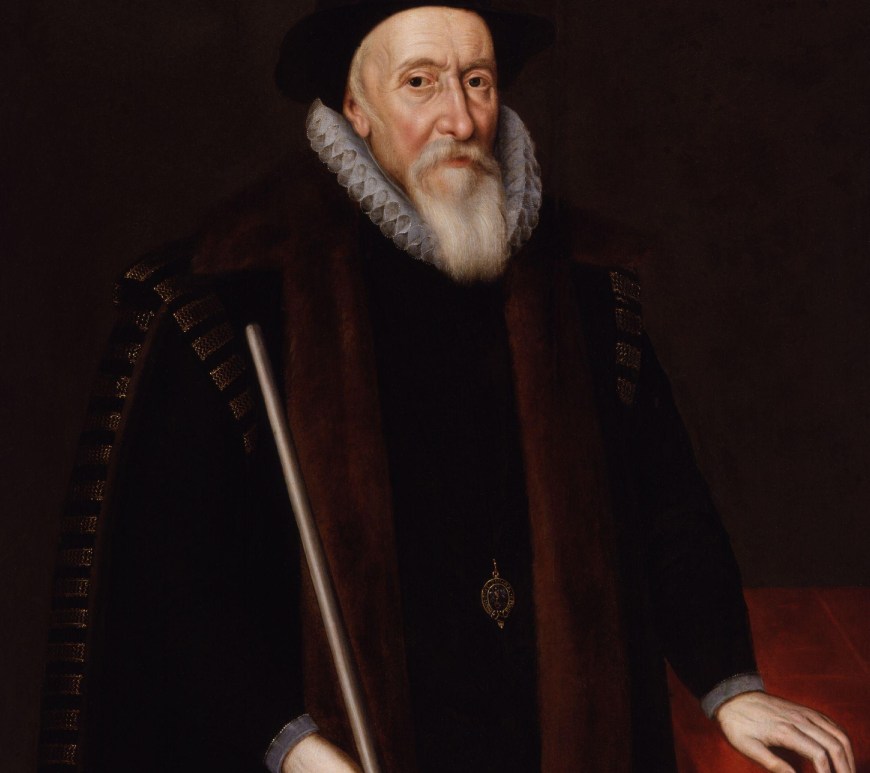
Continuing our preview of the History of Parliament’s forthcoming volumes on the House of Lords 1604-29, Dr Ben Coates of our new Lords 1558-1603 section considers a major figure in Jacobean government who is today less well known… Historians of the Elizabethan and early Jacobean periods have long been familiar with the vast trove of documents at Hatfield House, Hertfordshire, created during more than half … Continue reading Thomas Sackville, 1st earl of Dorset: an overlooked Jacobean statesman?

Catholic peers and the Gunpowder Plot

Remember, remember the fifth of November… Today we hear from Dr Ben Coates of the House of Lords 1604-29 Section about the warning of Catholic Peers before the Gunpowder Plot… On 26 October 1605 the Catholic nobleman William Parker, 5th Lord Monteagle, received an anonymous letter urging him to absent himself from the forthcoming session of Parliament, due to open on 5th November. This missive, … Continue reading Catholic peers and the Gunpowder Plot

Dudley North, 3rd Lord North and the discovery of the waters of Tunbridge Wells

As part of our focus on health and medicine, Dr Ben Coates of the Lords 1604-29 Section considers the origins of the famous spa at Tunbridge Wells, Kent, and ponders whether the parliamentary context might shed light on the date of these events… In March 2017 a new, cartoon-style mural by artist Chris Burke was unveiled on platform 2 of Tunbridge Wells station in Kent. … Continue reading Dudley North, 3rd Lord North and the discovery of the waters of Tunbridge Wells

More 17th century diplomatic incidents: the King of Denmark and his unfortunate gesture to the hero of the Armada

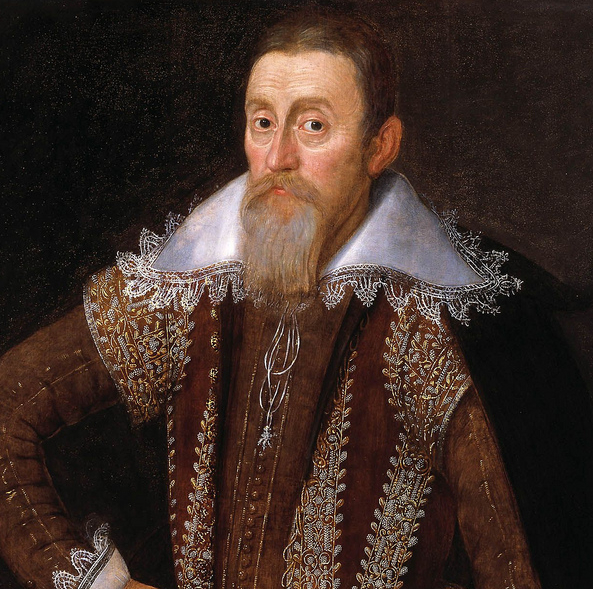
Dr Ben Coates, Senior Research Fellow on the Lords 1603-60 section, relates a less-than-diplomatic exchange in 1606 between King Christian IV of Denmark and the then Lord Admiral, the earl of Nottingham… Contrary to popular belief, Sir Francis Drake did not command the English fleet which defeated the Spanish Armada in 1588. That man was the then Lord Admiral Charles Howard, 2nd Lord Howard of … Continue reading More 17th century diplomatic incidents: the King of Denmark and his unfortunate gesture to the hero of the Armada