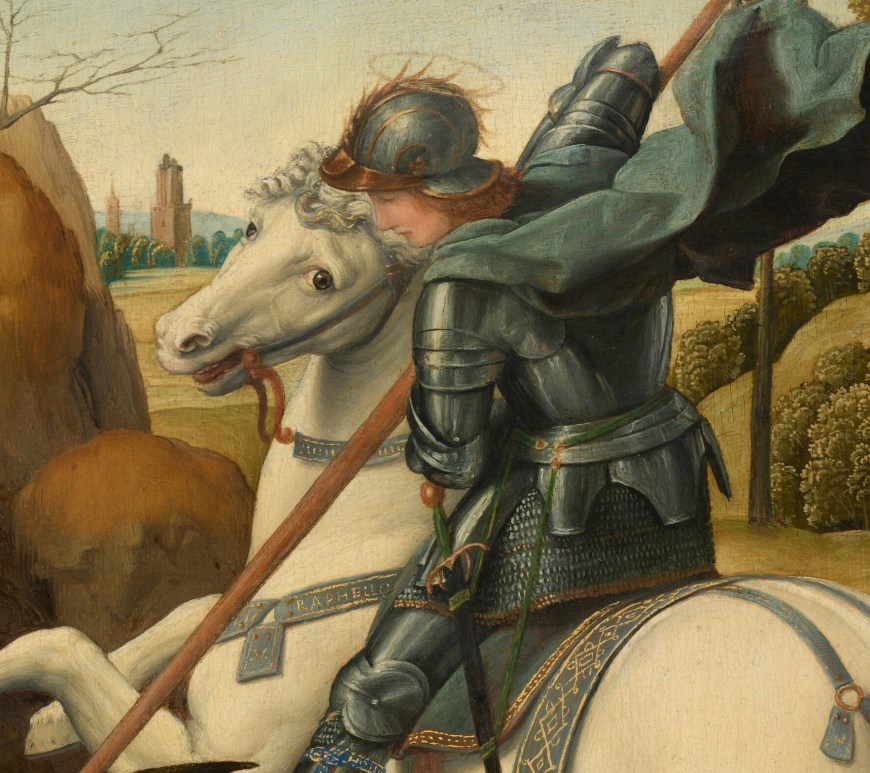
Bosworth and other battles: the illustrious career of Sir Gilbert Talbot (d.1517) of Grafton, KG

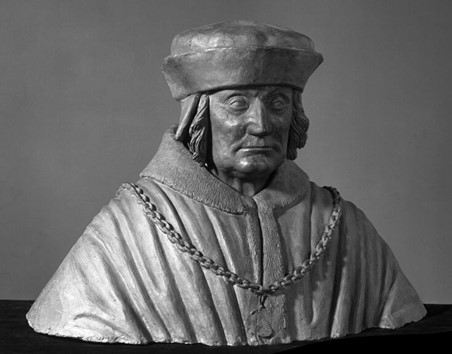
Dr Simon Payling of our Commons 1461-1504 project explores the career of the early Tudor figure Sir Gilbert Talbot, who in service of Henry VII was rewarded with a commissioned painting from Raphael… When the Tudor antiquarian, John Leland, visited the Shropshire church of Whitchurch in the 1530s, he saw the tomb of Sir Gilbert Talbot, a ‘knight of fame’, and noted, with apparent approval, … Continue reading Bosworth and other battles: the illustrious career of Sir Gilbert Talbot (d.1517) of Grafton, KG

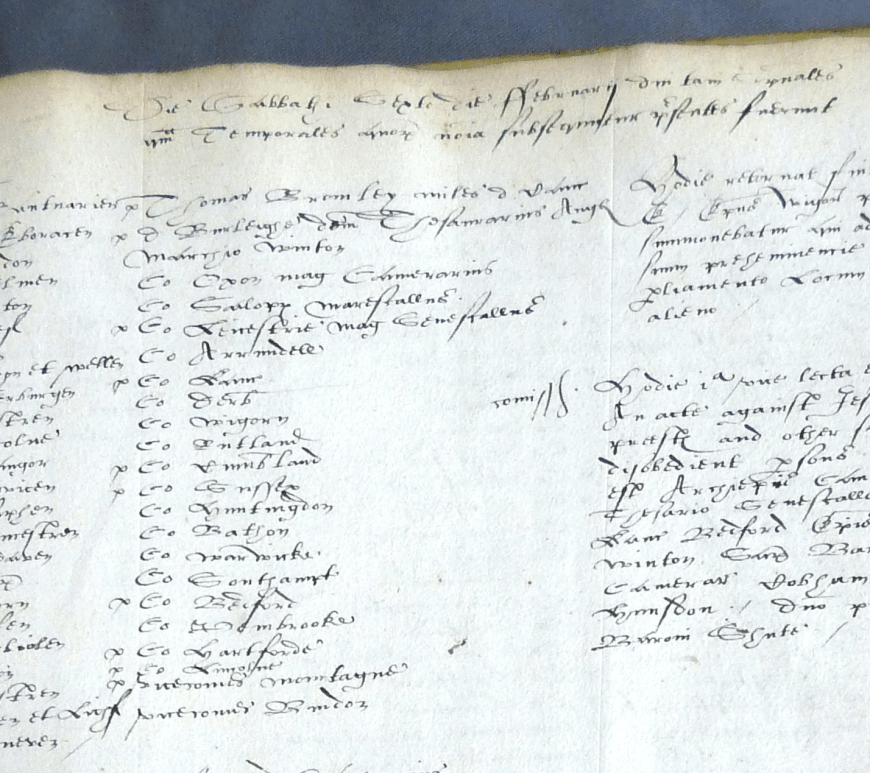
A page from the Lords' Journals in 1585 with three columns of text

Power struggles and group dynamics in the House of Lords, 1584-5

At the IHR Parliaments, Politics and People seminar on Tuesday 3 February, Dr Paul Hunneyball of the History of Parliament, will be discussing Power Struggles and Group Dynamics in the House of Lords, 1584-5. The seminar takes place on 3 February 2026, between 5:30 and 6:30 p.m. It is fully ‘hybrid’, which means you can attend either in-person in London at the IHR, or online … Continue reading Power struggles and group dynamics in the House of Lords, 1584-5

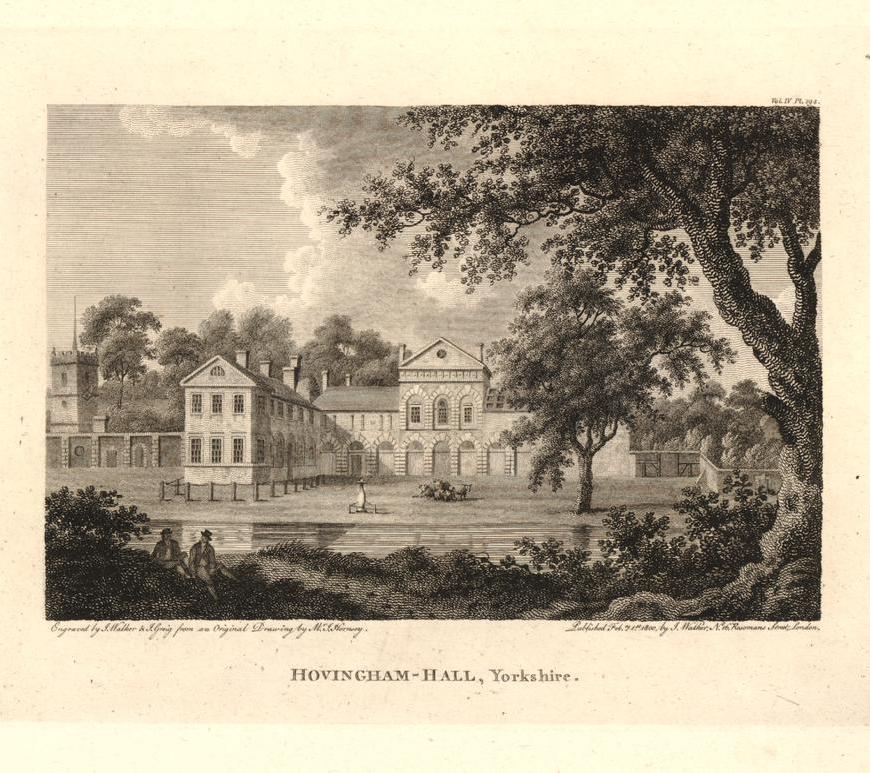
Descended from a giant: the Worsleys of Hovingham

The recent death of HRH the Duchess of Kent, who was married to the late queen’s cousin at York Minister in 1961, reminds us of her family’s long association with Yorkshire. This has included two brothers who served as archbishop of York and several members of her family who were elected to Parliament. Dr Robin Eagles considers the Worsley family’s connection with the north of … Continue reading Descended from a giant: the Worsleys of Hovingham

Reframing the political narrative, Tudor-style: the Westminster conference of 1559

The use of social media to influence political opinion has become a contentious issue in the past few years. However, there’s nothing new about the basic concept of politicians trying to shape popular perceptions to their own advantage, as Dr Paul Hunneyball of our Lords 1558-1603 project explains… In March 1559, Elizabeth I’s government had a serious problem on its hands. The first Parliament of … Continue reading Reframing the political narrative, Tudor-style: the Westminster conference of 1559

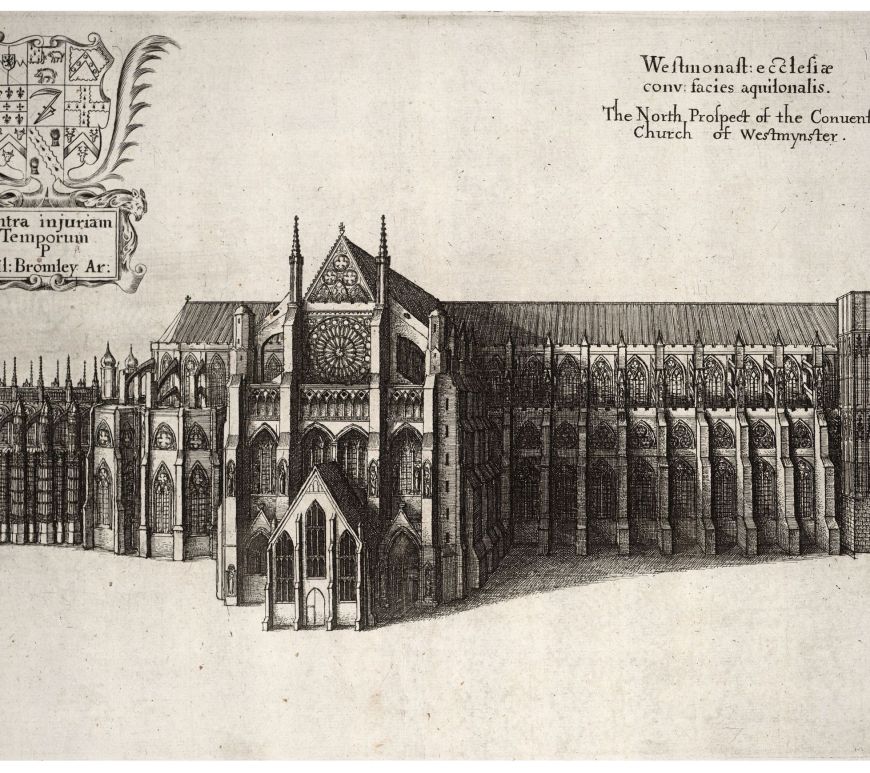
Parliament and the Church, c.1530-c.1630

In this blog, Dr Alex Beeton reviews a fascinating colloquium, held recently at the History of Parliament’s office in Bloomsbury Square. In the early modern period, both England’s Church and its Parliament changed. A Catholic country split from Rome and the importance and prominence of the two Houses of Parliament dramatically increased. These two seismic shifts were not isolated from one another. Parliament’s role in … Continue reading Parliament and the Church, c.1530-c.1630

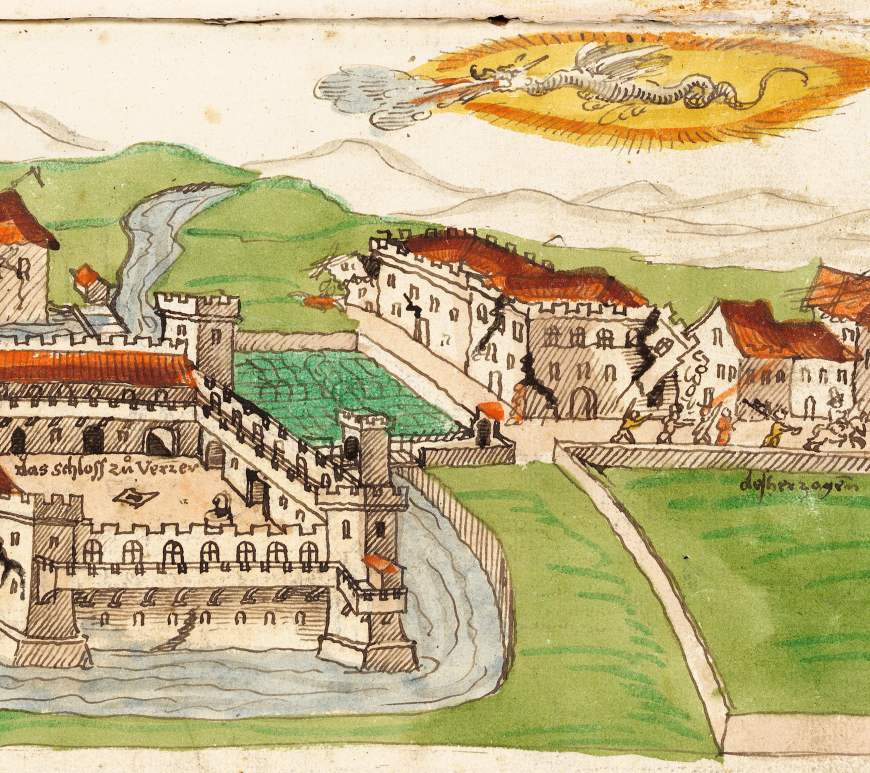
The 1580 Dover Straits Earthquake

On 6 April 1580, as Queen Elizabeth I was taking the air in the fields around Whitehall, south-east England experienced its greatest seismic event for two hundred years. Dr Andrew Thrush, editor of our Elizabethan House of Lords project, explains… On a clear, calm evening in April 1580, south-eastern England, as well as the Low Countries and parts of northern France and Germany, were struck … Continue reading The 1580 Dover Straits Earthquake

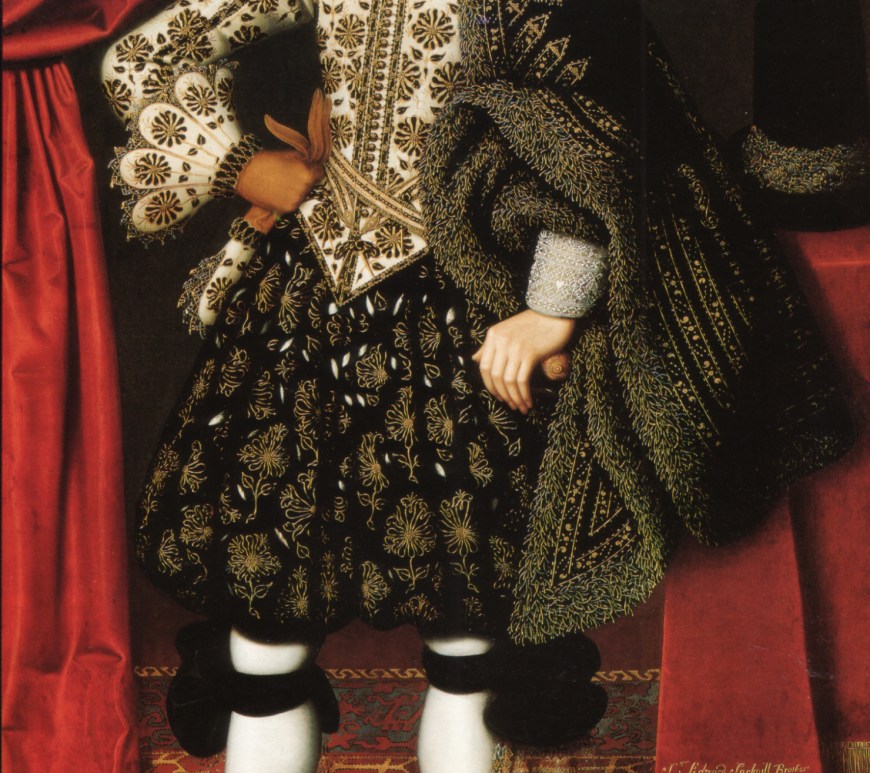
When tinsel was only for the rich: dressing to impress in early modern England

Wondering what to wear to a Christmas or New Year party? Deciding how to look one’s best can be a dilemma – but at least our fashion choices aren’t dictated by Acts of Parliament. In Tudor and Jacobean times it was a different story, as Dr Paul Hunneyball of our Lords 1558-1603 section explains… In 21st-century Britain, clothes are seen as a means of expressing … Continue reading When tinsel was only for the rich: dressing to impress in early modern England

The Last of the Cromwells

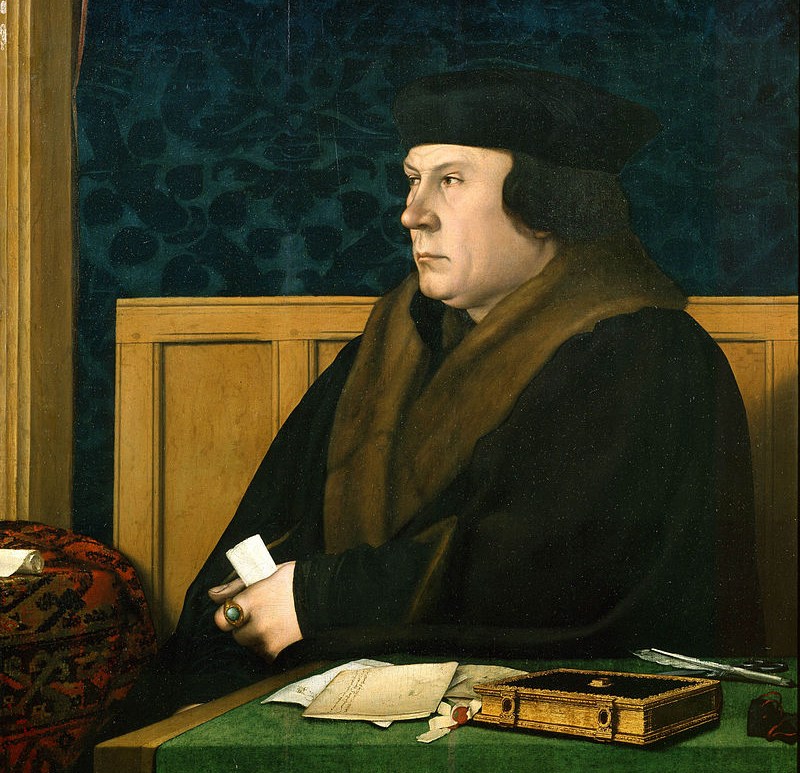
The current BBC production of Wolf Hall: the Mirror and the Light, the last of Hilary Mantel’s novels charting the rise and fall of Thomas Cromwell, is a reminder that Cromwell’s dynasty did not end with him on the block. In this post, Dr Robin Eagles considers the careers of some of the direct heirs and how Cromwell’s descendant, Elizabeth, attended the coronation of Queen … Continue reading The Last of the Cromwells

Richard Bancroft and the English mission to Emden, 1600

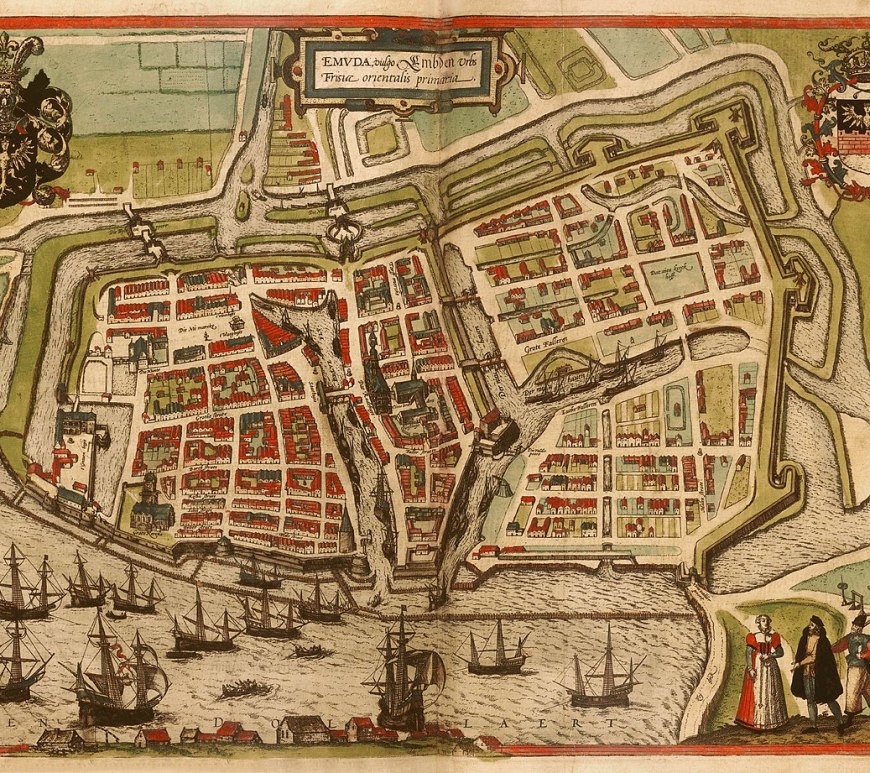
Richard Bancroft is well known to students of late Elizabethan and Jacobean England. A relentless enemy to nonconformist puritans, Bancroft served first as bishop of London (1597-1604) and then as archbishop of Canterbury (1604-1610). However, towards the end of Elizabeth’s reign this familiar prelate’s ecclesiastical career was briefly interrupted by a little known diplomatic episode, as Dr Andrew Thrush, the editor of our Elizabethan House … Continue reading Richard Bancroft and the English mission to Emden, 1600

A disputed election in the wake of the battle of Bosworth: the Shropshire election of 1485

Following the battle of Bosworth and Henry Tudor’s accession to the English throne, the country’s gentry who had sided with Henry seemed destined to be elected to Parliament uncontested. However, as Dr Simon Payling of our Commons 1461-1504 project explores, this was not always the case… Election disputes were rare in late-medieval England. Indeed, it was not until the early fifteenth-century that any legal framework … Continue reading A disputed election in the wake of the battle of Bosworth: the Shropshire election of 1485