Poison and the Tudor nobility: the De La Warr peerage case

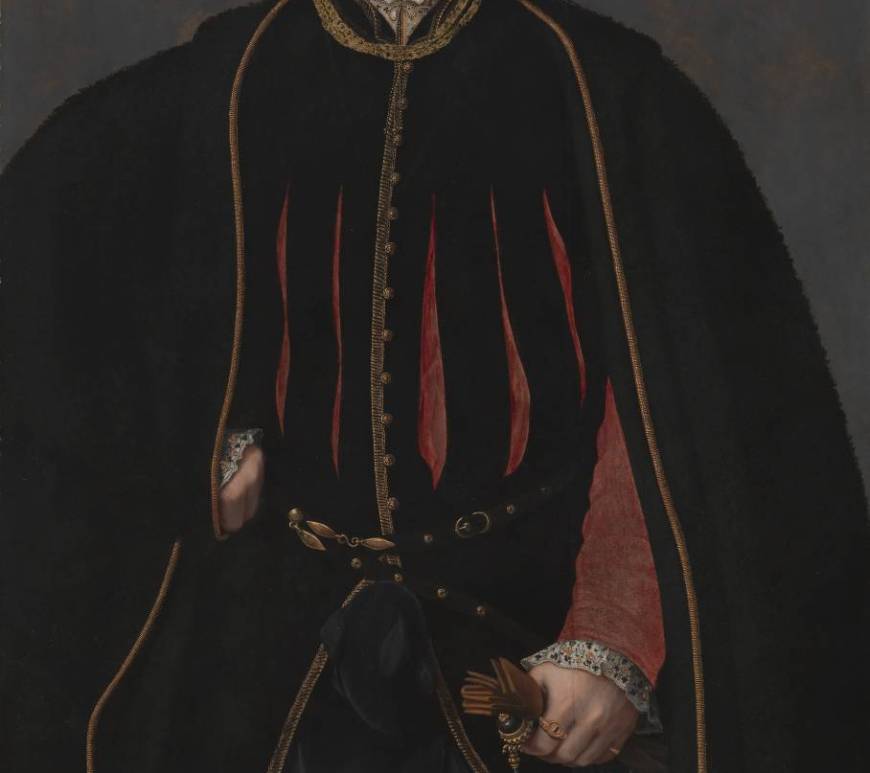
With House of Lords membership once again on the political agenda, Dr Ben Coates of our Lords 1558-1603 section explores how one aristocratic family’s murderous internal struggles played out in Parliament in the sixteenth century… On 26 Feb. 1549 a private bill ‘to dis[in]herit William West, [for] attempting to poison’ his uncle Thomas West, 9th Lord De La Warr, received a first reading in the … Continue reading Poison and the Tudor nobility: the De La Warr peerage case

Winchester v. Winchester: rivalries and election-rigging in 1560s Hampshire

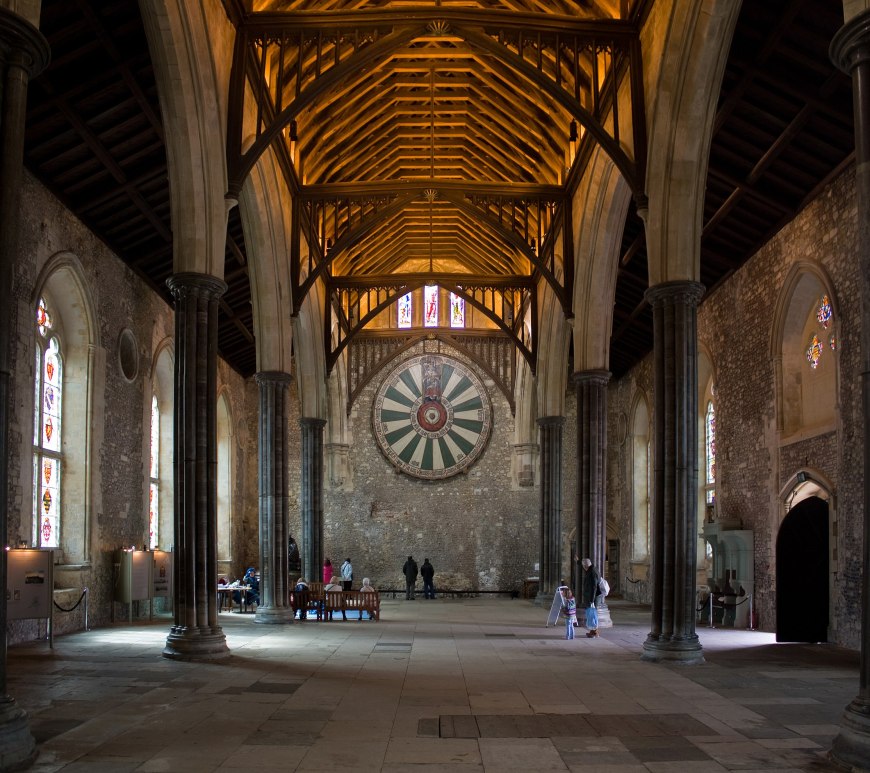
Whatever the outcome of a modern election, the process of voting is predictable, reliable, and well-understood. However, in the sixteenth century, the picture was a lot more complicated, and sometimes corrupt, as Dr Paul Hunneyball of our Elizabethan Lords section explains… Hampshire in the 1560s was a divided community. Despite the Elizabethan religious settlement of 1559, there was still a sizeable Catholic population in the … Continue reading Winchester v. Winchester: rivalries and election-rigging in 1560s Hampshire

A prisoner in the Lords: the curious case of William Grey, 13th Lord Grey of Wilton

The first Elizabethan Parliament (1559) famously witnessed the restoration of the royal supremacy and paved the way for the reintroduction of Protestantism. It also saw the House of Lords briefly become the main focus of parliamentary opposition to royal policy, a radical departure. However, this Parliament boasts another unusual feature, as Dr Andrew Thrush, the editor of our Elizabethan House of Lords section, explains… It … Continue reading A prisoner in the Lords: the curious case of William Grey, 13th Lord Grey of Wilton

Elizabeth I’s Swedish lady of the privy chamber: Helena Ulfsdotter née Snakenborg, marchioness of Northampton

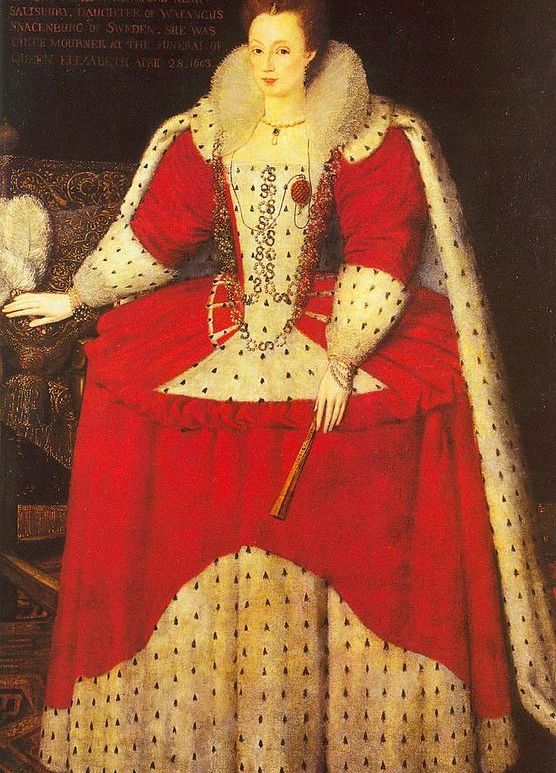
As we mark Women’s History Month throughout March, here Dr Andrew Thrush, editor of our Lords 1558-1603 project, looks into the life of Helena Snakenborg. How did this Swedish native become key figure in the court of Elizabeth I? One of the most striking features of Queen Elizabeth I’s funeral, held on 28 April 1603, is that the place of Chief Mourner in the procession … Continue reading Elizabeth I’s Swedish lady of the privy chamber: Helena Ulfsdotter née Snakenborg, marchioness of Northampton

‘So far out of order’: the scandalous career of Henry, 2nd Viscount Howard of Bindon

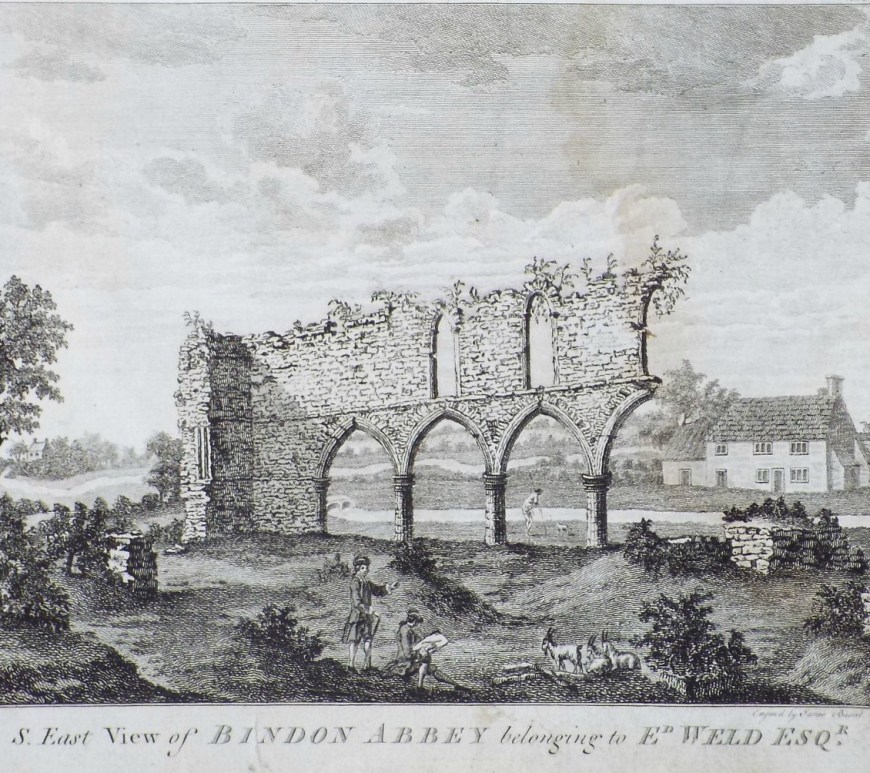
Elizabethan noblemen enjoyed enormous privileges, but generally recognized that there were limits to their freedom of action. However, one particular peer confounded his contemporaries with his convention-busting behaviour, as Dr Paul Hunneyball of our Lords 1558-1603 section explains… ‘Although he doth many times go apparelled like a nobleman, yet other times he useth such apparel as the poorest man in London can go no worse…; … Continue reading ‘So far out of order’: the scandalous career of Henry, 2nd Viscount Howard of Bindon

The man who would be king (-consort): Henry Fitzalan, earl of Arundel

Many of the leading figures at the Elizabethan court, like the queen’s chief minister, William Cecil, Lord Burghley and the royal favourite Robert Dudley, earl of Leicester, need no introduction. However, there were many other prominent men at the Elizabethan court, some of whom remain obscure even to Elizabethan historians. In the following blog, Dr Andrew Thrush, the editor of our House of Lords 1558-1603 … Continue reading The man who would be king (-consort): Henry Fitzalan, earl of Arundel

Bishop Jewel and the lost archdeaconry

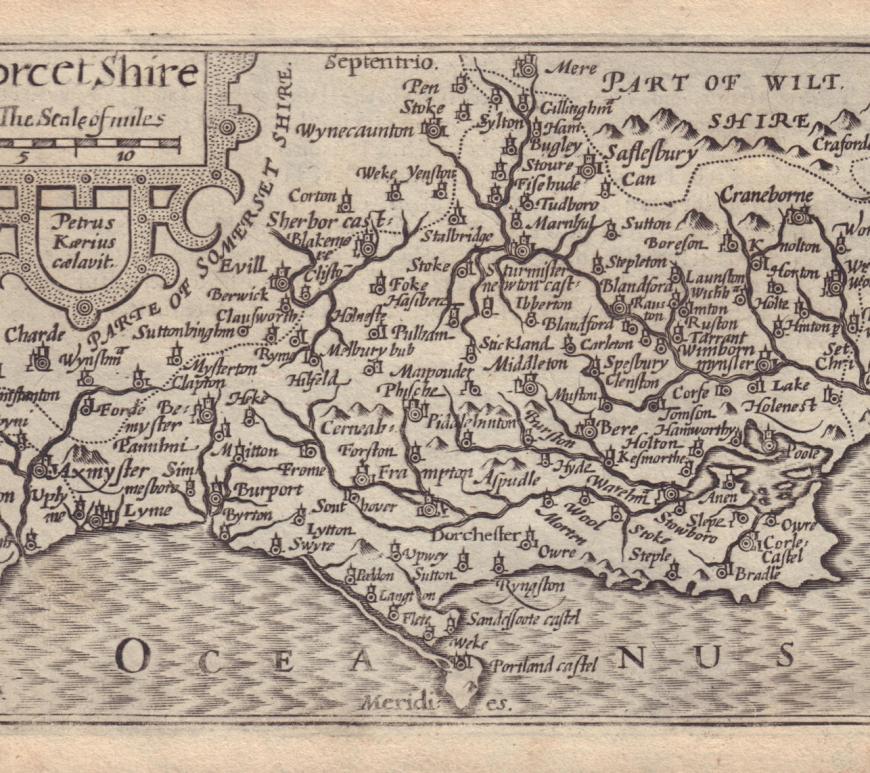
Many Elizabethan bills which failed to become Acts of Parliament don’t now survive, and little is known about them except their titles. But two lost bills to annex Dorset to the diocese of Salisbury shed new light on one of Reformation England’s most bizarre sagas. Dr Paul Hunneyball of our Lords 1558-1603 section explains… Medieval English dioceses varied considerably in size, some being much bigger … Continue reading Bishop Jewel and the lost archdeaconry

What if Elizabeth I had Died in 1562?

It is easy to take the long reign of Elizabeth I for granted. But less than four years after Elizabeth ascended the throne, her life was nearly cut short, threatening to bring down the curtain on the Tudor dynasty. What might have ensued is explored by Dr Andrew Thrush, editor of our Lords 1558-1603 section… On 10 October 1562 Elizabeth I, England’s 29-year old queen, the last … Continue reading What if Elizabeth I had Died in 1562?

The First Accession Council

In modern Britain, the death of a monarch has little political impact; the work of government continues uninterrupted, apart from a period of official mourning. But four centuries ago, when the king or queen actually ran the government, the situation was more complicated, as Dr Ben Coates of our Lords 1558-1603 section explains… When the succession of Charles III to the throne was formally proclaimed … Continue reading The First Accession Council

Picturing the Parliament of 1523

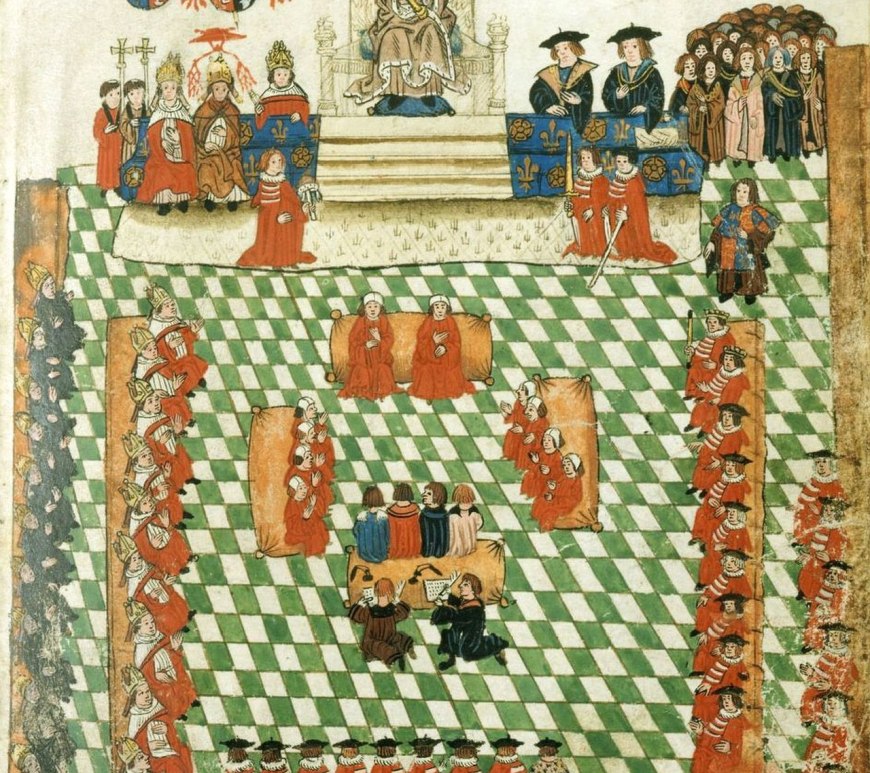
What did a meeting of the English Parliament look like 500 years ago? The earliest-known image of a state opening offers important clues, but also requires careful interpretation, as Dr Paul Hunneyball of our Lords 1558-1603 section explains… The picture shown below is the oldest near-contemporary image of an English Parliament that we know of. As such it has almost iconic status, and has been … Continue reading Picturing the Parliament of 1523