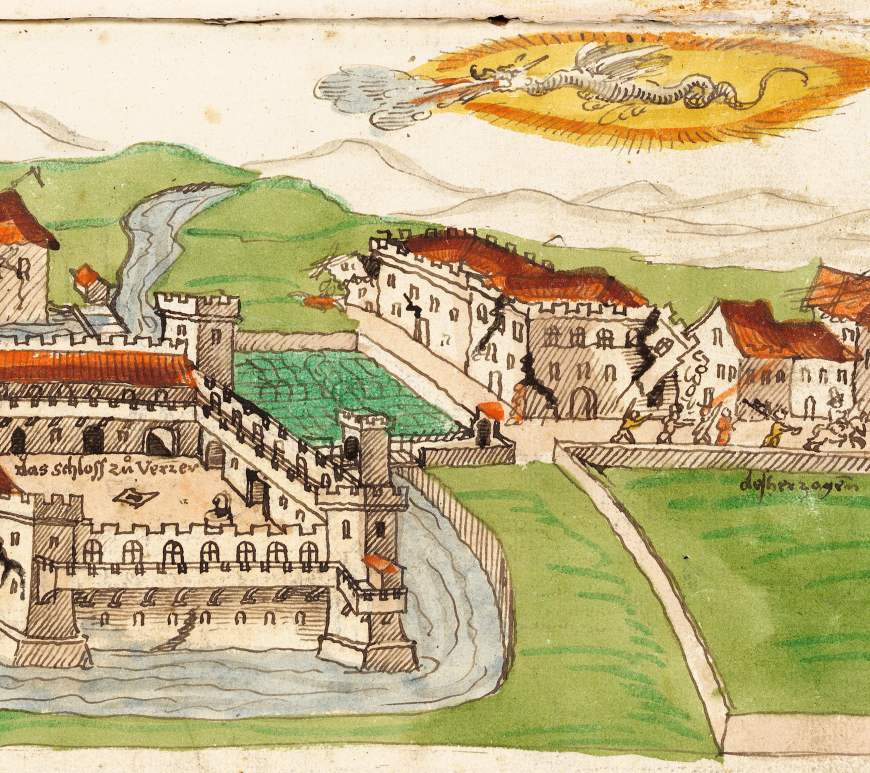
The 1580 Dover Straits Earthquake

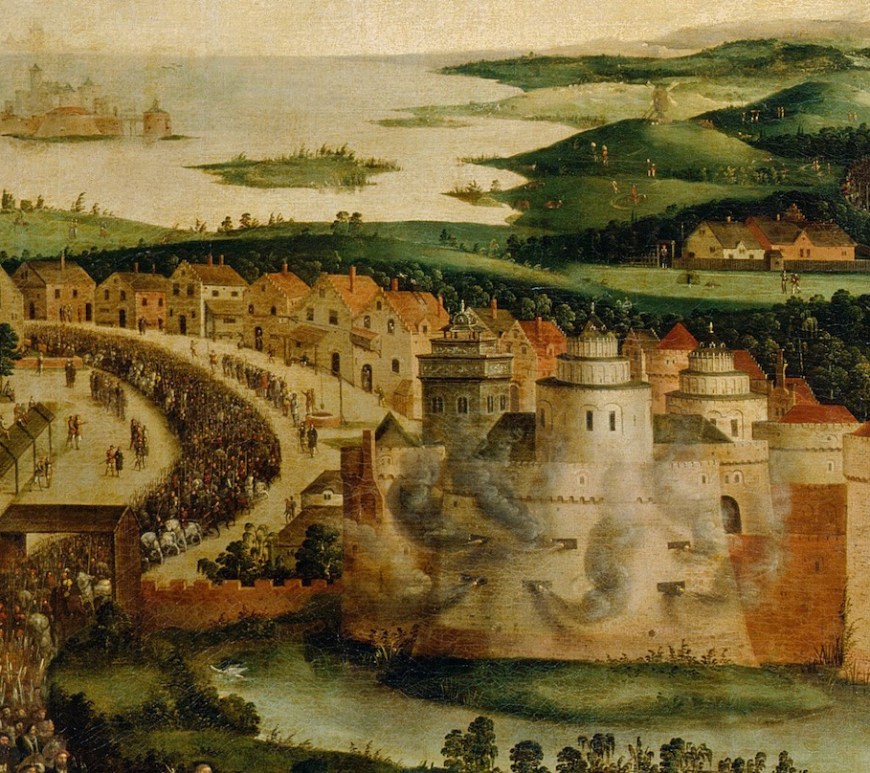
On 6 April 1580, as Queen Elizabeth I was taking the air in the fields around Whitehall, south-east England experienced its greatest seismic event for two hundred years. Dr Andrew Thrush, editor of our Elizabethan House of Lords project, explains… On a clear, calm evening in April 1580, south-eastern England, as well as the Low Countries and parts of northern France and Germany, were struck … Continue reading The 1580 Dover Straits Earthquake

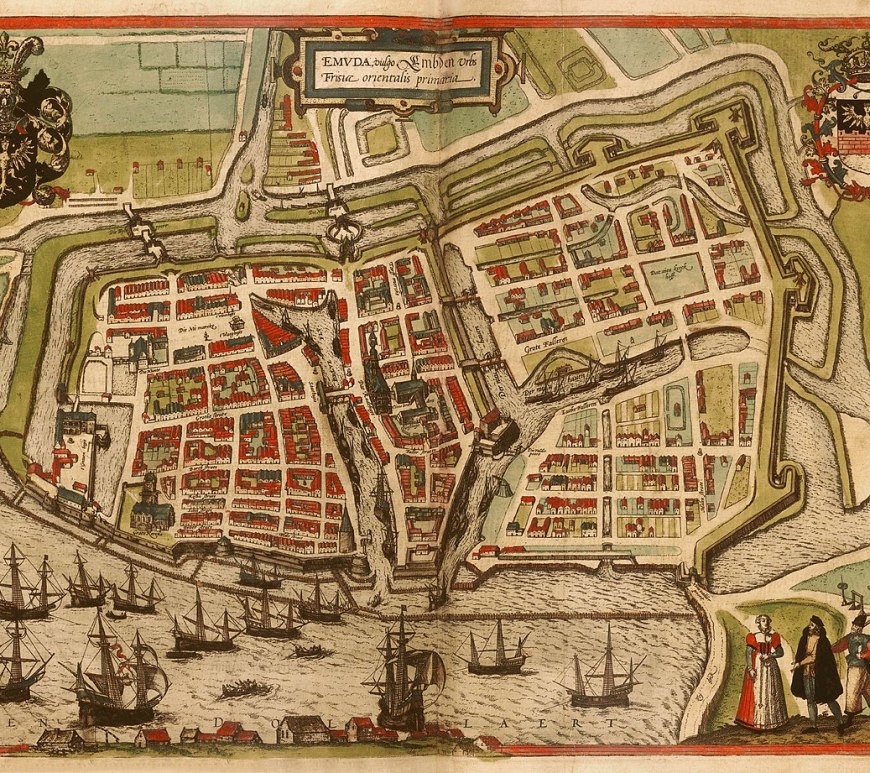
Richard Bancroft and the English mission to Emden, 1600

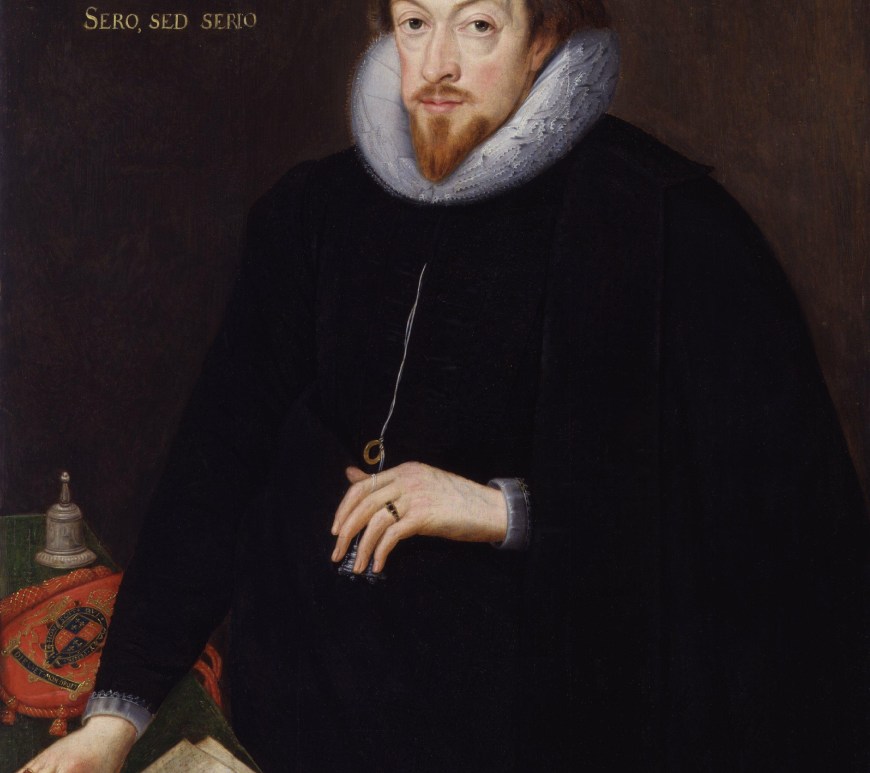
Richard Bancroft is well known to students of late Elizabethan and Jacobean England. A relentless enemy to nonconformist puritans, Bancroft served first as bishop of London (1597-1604) and then as archbishop of Canterbury (1604-1610). However, towards the end of Elizabeth’s reign this familiar prelate’s ecclesiastical career was briefly interrupted by a little known diplomatic episode, as Dr Andrew Thrush, the editor of our Elizabethan House … Continue reading Richard Bancroft and the English mission to Emden, 1600

A prisoner in the Lords: the curious case of William Grey, 13th Lord Grey of Wilton

The first Elizabethan Parliament (1559) famously witnessed the restoration of the royal supremacy and paved the way for the reintroduction of Protestantism. It also saw the House of Lords briefly become the main focus of parliamentary opposition to royal policy, a radical departure. However, this Parliament boasts another unusual feature, as Dr Andrew Thrush, the editor of our Elizabethan House of Lords section, explains… It … Continue reading A prisoner in the Lords: the curious case of William Grey, 13th Lord Grey of Wilton

Elizabeth I’s Swedish lady of the privy chamber: Helena Ulfsdotter née Snakenborg, marchioness of Northampton

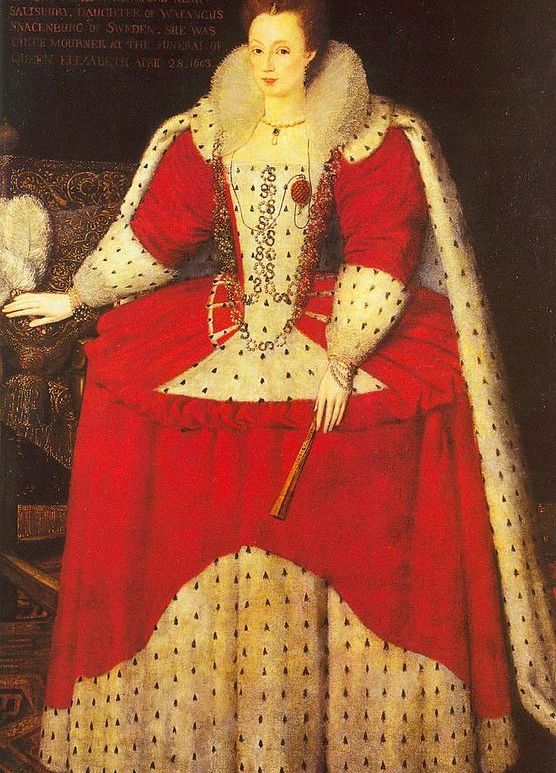
As we mark Women’s History Month throughout March, here Dr Andrew Thrush, editor of our Lords 1558-1603 project, looks into the life of Helena Snakenborg. How did this Swedish native become key figure in the court of Elizabeth I? One of the most striking features of Queen Elizabeth I’s funeral, held on 28 April 1603, is that the place of Chief Mourner in the procession … Continue reading Elizabeth I’s Swedish lady of the privy chamber: Helena Ulfsdotter née Snakenborg, marchioness of Northampton

The man who would be king (-consort): Henry Fitzalan, earl of Arundel

Many of the leading figures at the Elizabethan court, like the queen’s chief minister, William Cecil, Lord Burghley and the royal favourite Robert Dudley, earl of Leicester, need no introduction. However, there were many other prominent men at the Elizabethan court, some of whom remain obscure even to Elizabethan historians. In the following blog, Dr Andrew Thrush, the editor of our House of Lords 1558-1603 … Continue reading The man who would be king (-consort): Henry Fitzalan, earl of Arundel

What if Elizabeth I had Died in 1562?

It is easy to take the long reign of Elizabeth I for granted. But less than four years after Elizabeth ascended the throne, her life was nearly cut short, threatening to bring down the curtain on the Tudor dynasty. What might have ensued is explored by Dr Andrew Thrush, editor of our Lords 1558-1603 section… On 10 October 1562 Elizabeth I, England’s 29-year old queen, the last … Continue reading What if Elizabeth I had Died in 1562?

A Forgotten Elizabethan Noblewoman: Katherine Bertie, Dowager Duchess of Suffolk and Baroness Willoughby de Eresby

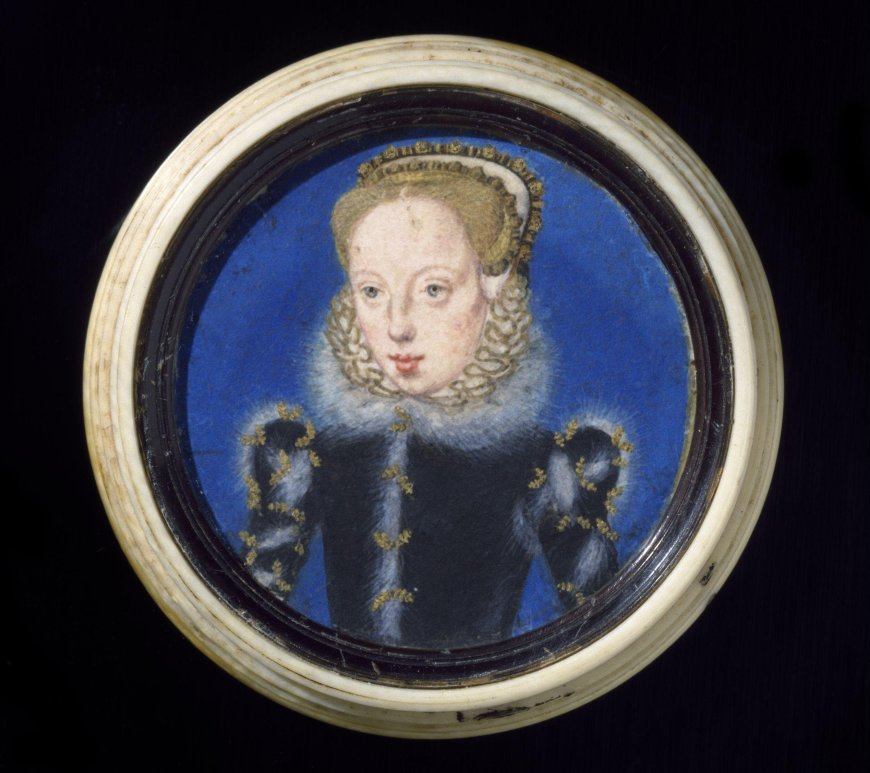
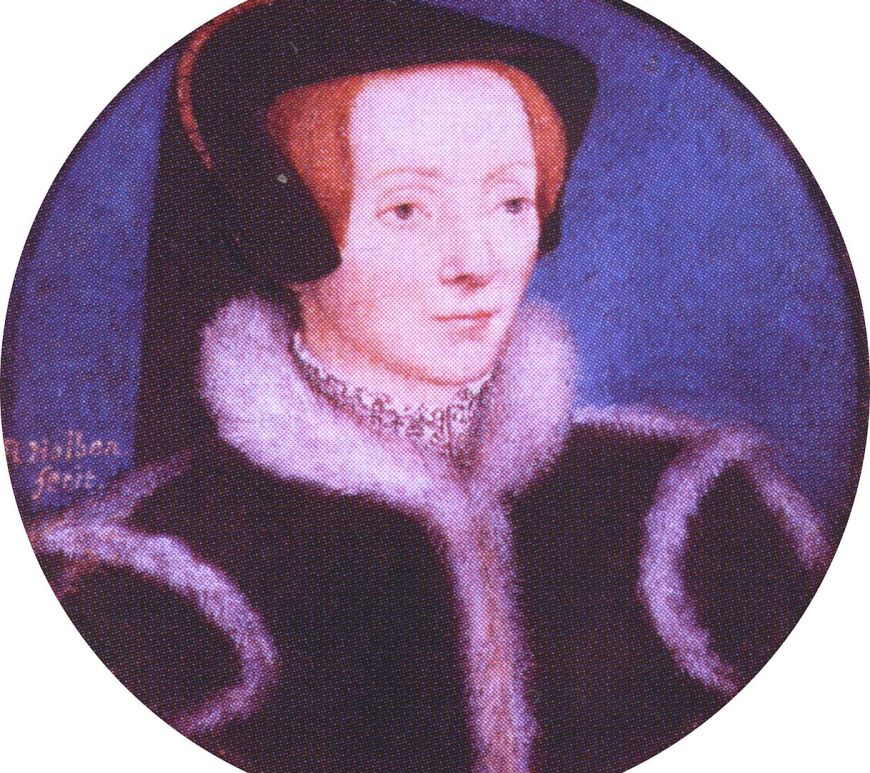
With the notable exception of ‘Bess of Hardwick’ (Elizabeth Talbot (née Cavendish), countess of Shrewsbury), most Elizabethan noblewomen are barely remembered today. Among those who deserve to be better known is Katherine Bertie (née Willoughby), dowager duchess of Suffolk, as Dr Andrew Thrush, editor of our Elizabethan House of Lords section, explains… Katherine Willoughby was the only child of Lincolnshire’s leading magnate, William, eleventh Baron … Continue reading A Forgotten Elizabethan Noblewoman: Katherine Bertie, Dowager Duchess of Suffolk and Baroness Willoughby de Eresby

The other Elizabethan succession crisis: the fight to succeed the 1st Lord Burghley, 1592-1598

The long-running problem of who would inherit the English throne was not the only succession crisis of Elizabeth I’s reign. In the first of our series of blogs on faction in English politics, Dr Andrew Thrush, editor of the House of Lords 1558-1603 project, explores the bitter rivalry between the Cecils and Robert Devereux, 2nd earl of Essex over the succession to Lord Burghley as … Continue reading The other Elizabethan succession crisis: the fight to succeed the 1st Lord Burghley, 1592-1598

The ‘Answer Answerless’ and Elizabeth I’s attitude towards the Parliament of 1586-7

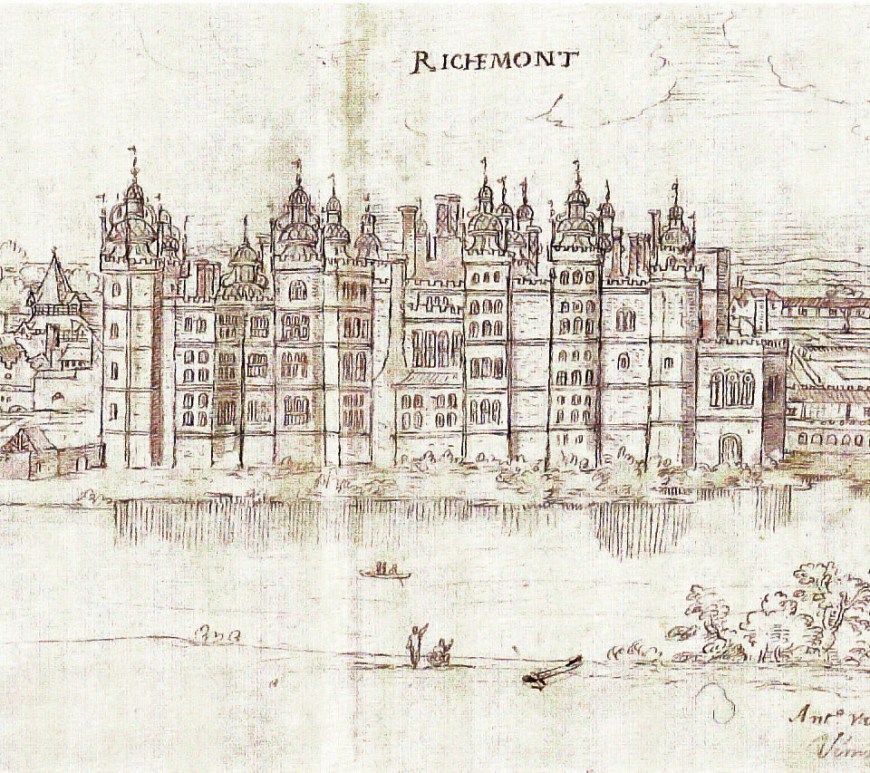
In the latest blog from our First Elizabethan Age series Dr Andrew Thrush, editor of our Lords 1558-1603 section, discusses the words- or lack of- given by Elizabeth I on this day 1586, and some of the more unusual features of the monarch’s sixth Parliament… At Richmond Palace on 24 November 1586, four hundred and twenty-six years ago to the day, Elizabeth I delivered a … Continue reading The ‘Answer Answerless’ and Elizabeth I’s attitude towards the Parliament of 1586-7

Execution or murder? Elizabeth I and the problem of how to kill Mary Queen of Scots

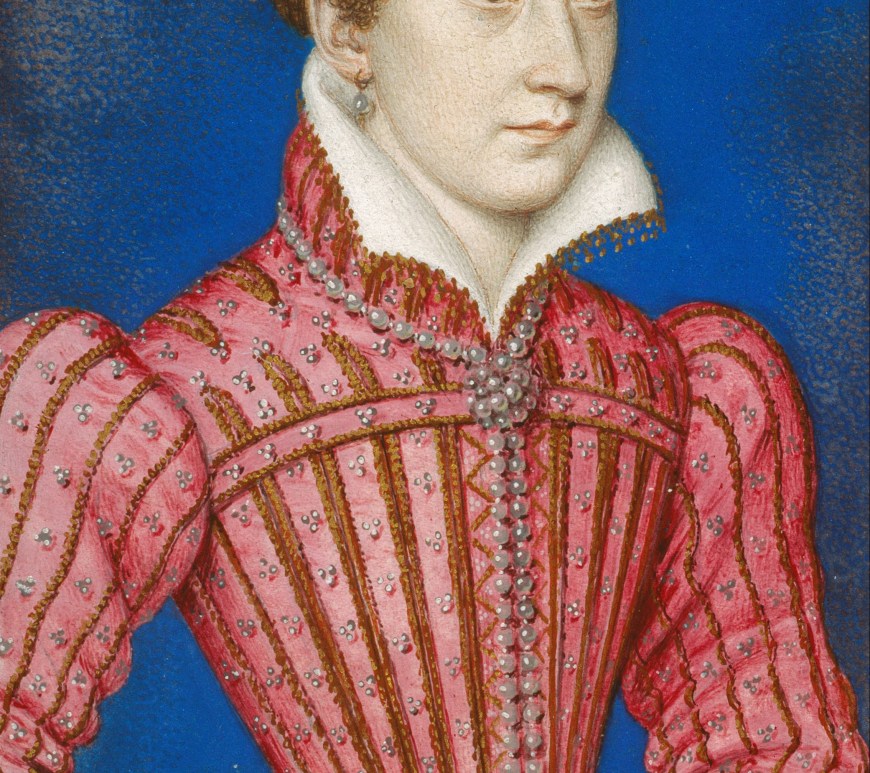
Dr Andrew Thrush, editor of our Lords 1558-1603 section, discusses the thorny issue that faced Elizabeth I in the wake of the discovery of Mary Queen of Scots’ role in the Babington Plot of 1586… On 1 February 1587 Sir Francis Walsingham and his fellow Secretary of State, William Davison, wrote on behalf of Elizabeth I to the privy councillor Sir Amias Paulet, one of … Continue reading Execution or murder? Elizabeth I and the problem of how to kill Mary Queen of Scots