Parliament and Politics in the Later Middle Ages

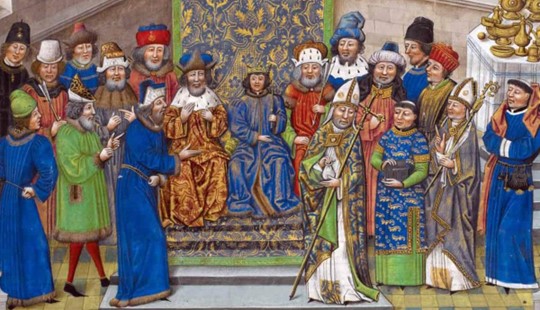
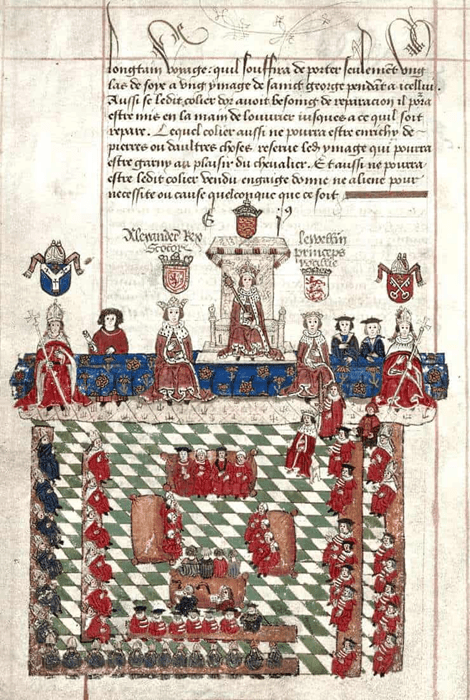
Dr Simon Payling, of our 1461-1504 section, tracks the development of Parliament and Politics in the Later Middle Ages, from its Anglo-Saxon roots to the more formal split between the House of Commons and House of Lords that we recognise today… All long-lived institutions have their antecedents, and the antecedents of Parliament (or, perhaps more accurately put, the origins of the House of Lords) are … Continue reading Parliament and Politics in the Later Middle Ages

Descended from a giant: the Worsleys of Hovingham

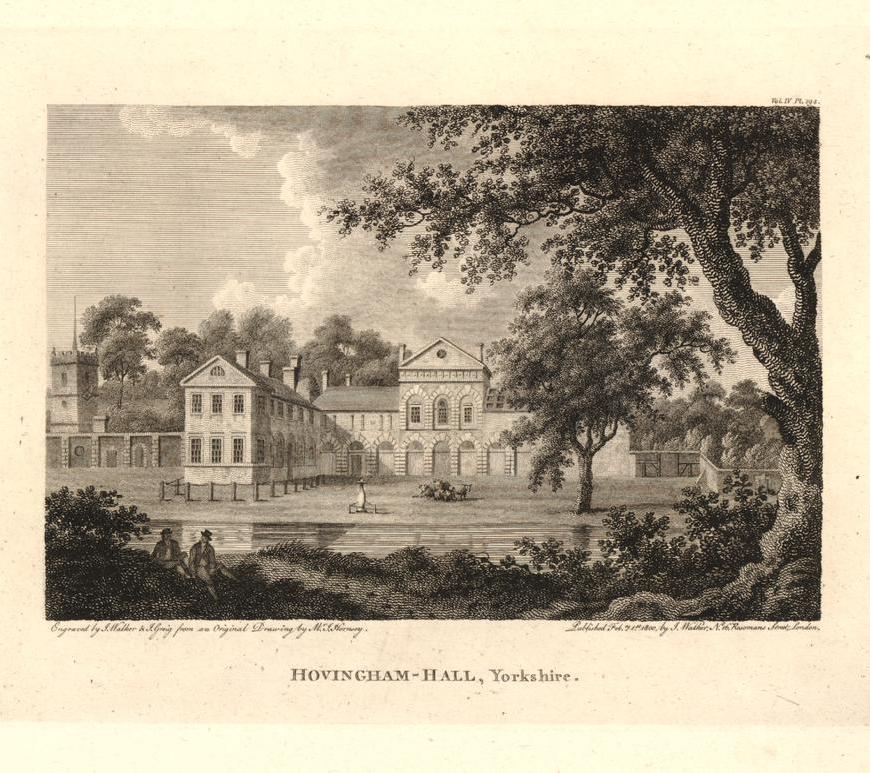
The recent death of HRH the Duchess of Kent, who was married to the late queen’s cousin at York Minister in 1961, reminds us of her family’s long association with Yorkshire. This has included two brothers who served as archbishop of York and several members of her family who were elected to Parliament. Dr Robin Eagles considers the Worsley family’s connection with the north of … Continue reading Descended from a giant: the Worsleys of Hovingham

Did they believe in portents? Severe weather and other extreme natural phenomena in Walsingham’s Chronica Maiora and other late-medieval monastic chronicles

Dr Simon Payling, of our Commons 1461-1504 section, explores the theme of extreme weather in medieval chronicles. It is a familiar theme in medieval chronicles, whether monkish or secular, that extreme weather, natural disaster or even just unusual events were, or, at least, could be interpreted as, manifestations of divine interaction with the temporal world. At the most extreme, they were seen as expressions of God’s … Continue reading Did they believe in portents? Severe weather and other extreme natural phenomena in Walsingham’s Chronica Maiora and other late-medieval monastic chronicles

A Medieval Monk’s View of Parliament: Thomas Walsingham’s Chronica Maiora and the Parliaments of 1376 to 1410

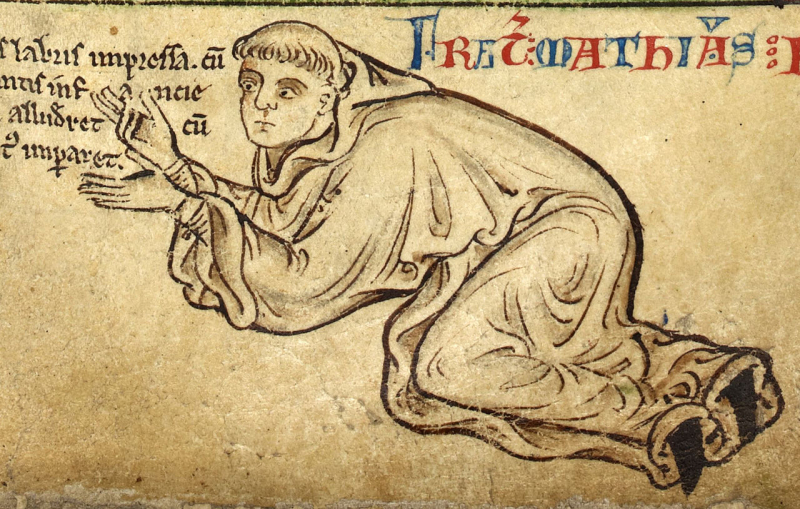
Thomas Walsingham is best known for his role as a chronicler of his own religious life, but he was also privy to many of the events that took place in Parliament in the late 14th century. Simon Payling, from our Commons 1461-1504 project, explores what Walsingham’s writing can tell us of the medieval political landscape as well as his own feelings towards Parliament. Ordained in … Continue reading A Medieval Monk’s View of Parliament: Thomas Walsingham’s Chronica Maiora and the Parliaments of 1376 to 1410

A King’s Sister buried in a Shropshire church: Elizabeth of Lancaster, sister of Henry IV, at Burford

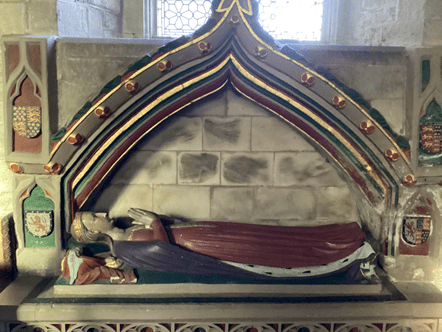
For Women’s History Month, Dr Simon Payling from our Commons 1461-1504 project discusses the life of Elizabeth Lancaster, the sister of Henry IV, who demonstrated a degree of independence unusual for an aristocratic woman. It is surprising to find the sister of a King buried in a remote Shropshire church.  Henry IV’s sister, Elizabeth, in marked contrast to her elder sister, Philippa (d.1415), wife of King John I … Continue reading A King’s Sister buried in a Shropshire church: Elizabeth of Lancaster, sister of Henry IV, at Burford

Preparations for the Coronation of Richard II

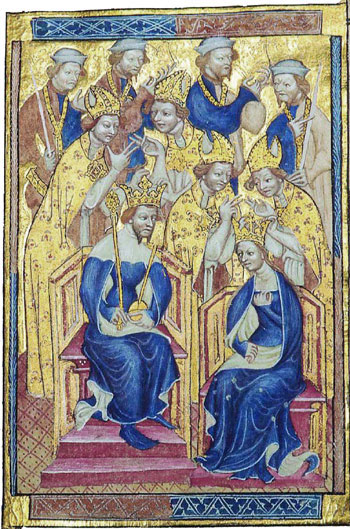
Continuing our blog series on coronations, Simon Payling from our Commons 1461-1504 project, reflects on the Coronation of the young King Richard II and the issue that hereditary roles had on the preparations for this Coronation. On 9 July 1377, a week before the day scheduled for the coronation of the ten-year-old Richard II, his uncle, John of Gaunt, duke of Lancaster, discharged a task … Continue reading Preparations for the Coronation of Richard II

‘Oh! Earl of Lancaster! Where is your power, where are your riches, with which you hoped to subdue all?’ Thomas of Lancaster’s defeat at the battle of Boroughbridge, 16 March 1322

On this day 1322, Thomas, earl of Lancaster was defeated at the battle of Boroughbridge. Simon Payling from our Commons 1461-1504 project discusses the events that led to Lancaster’s defeat and how his execution prompted a cult-like following for Lancaster. Thomas, earl of Lancaster (b. c.1278), cousin of Edward II and for much of that King’s reign the leader of opposition to him, has proved … Continue reading ‘Oh! Earl of Lancaster! Where is your power, where are your riches, with which you hoped to subdue all?’ Thomas of Lancaster’s defeat at the battle of Boroughbridge, 16 March 1322

The capture and execution of Sir Robert Tresilian, chief justice of King’s bench, and the ‘Merciless Parliament’ of 1388

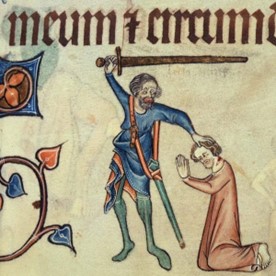
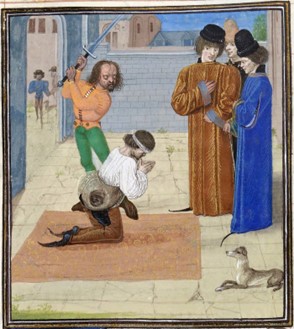
On the 19th February 1388, one of the most dramatic events of medieval parliamentary history took place. Simon Payling from our Commons 1461-1504 project reflects on the capture and execution of Sir Robert Tresilian and the unusual circumstances surrounding it… The appropriately and contemporaneously named ‘Merciless’ Parliament of 1388 was among the most dramatic of medieval Parliaments, and the capture and execution of Sir Robert … Continue reading The capture and execution of Sir Robert Tresilian, chief justice of King’s bench, and the ‘Merciless Parliament’ of 1388

‘Always look a gift horse in the mouth’: the abbey of Louth Park and the deathbed of Sir Henry Vavasour (d. 1342) of Cockerington, Lincolnshire

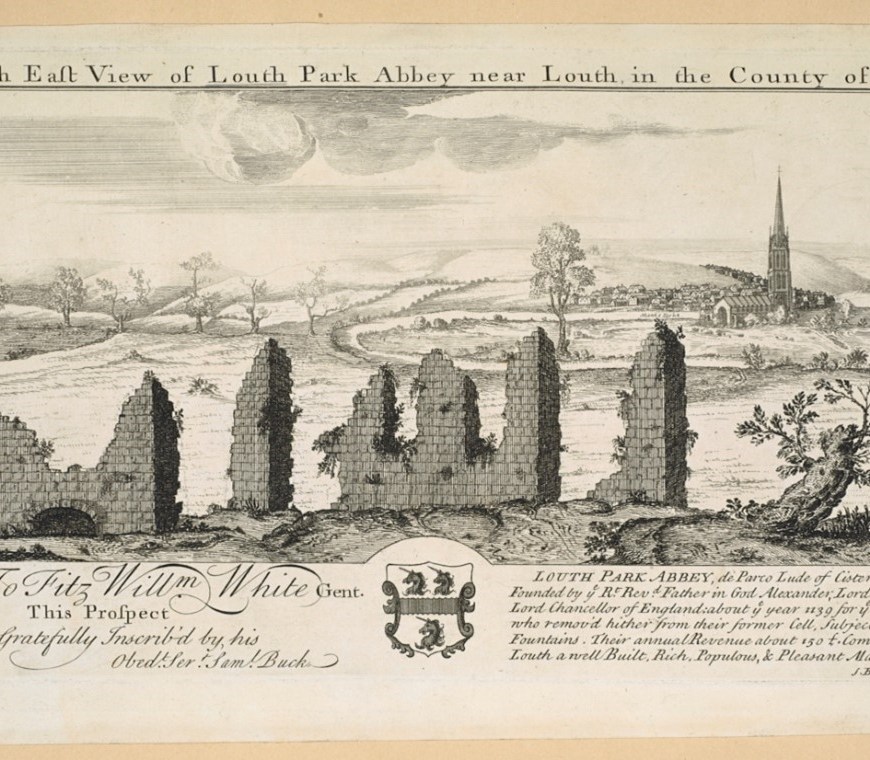
On his deathbed, Sir Henry Vavasour reflected on life after death and made some changes in his will to ensure the health of his soul. However, in doing so he compromised his family’s future. Simon Payling from our Commons 1461-1504 project explores Sir Henry’s last minute decisions and the fallout they caused… Death was a crucial moment of transition in the passage of property. At the … Continue reading ‘Always look a gift horse in the mouth’: the abbey of Louth Park and the deathbed of Sir Henry Vavasour (d. 1342) of Cockerington, Lincolnshire

Reflection on Parliament, Politics and Pandemics in Later Medieval England

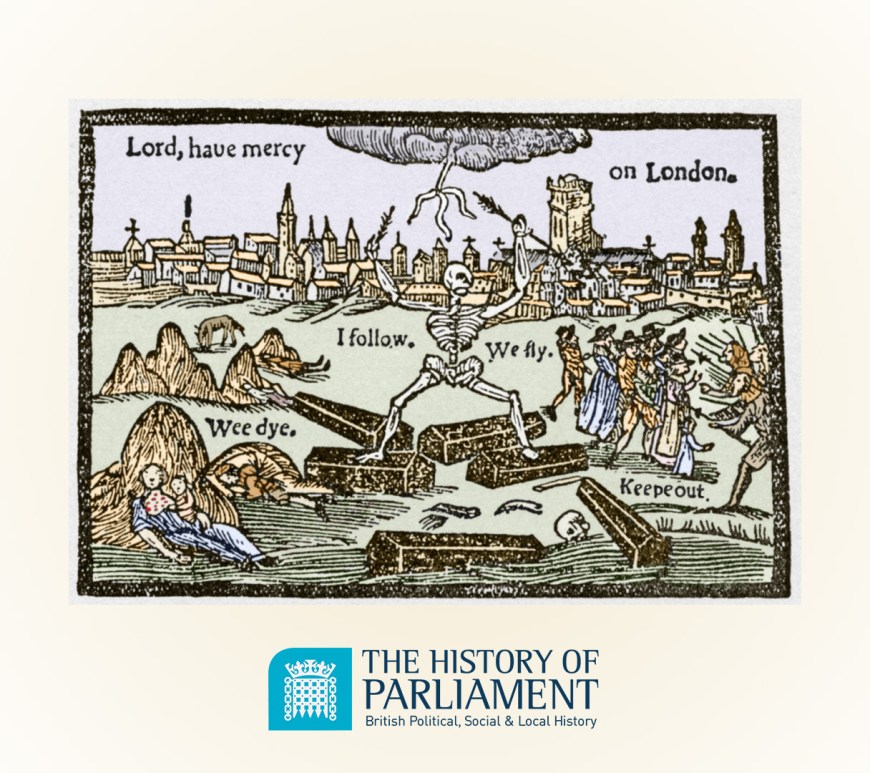
In October the History of Parliament were delighted to welcome a sell-out audience to Westminster for our 2022 Annual Lecture- our first in-person lecture after a hiatus of two years. Here our Public Engagement Assistant, and new addition to the History of Parliament team, Kirsty O’Rourke reflects on the lecture, ‘Parliament, Politics and Pandemics in Later Medieval England’, given by Professor Chris Given-Wilson. This year’s … Continue reading Reflection on Parliament, Politics and Pandemics in Later Medieval England