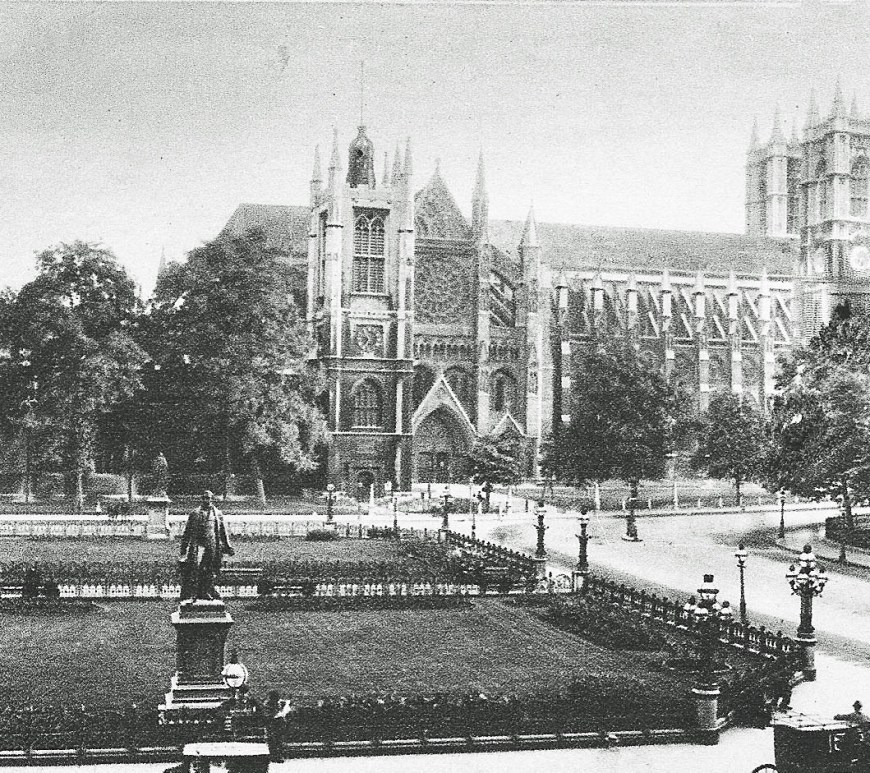
‘Made of Stone’ (or not): Statues in Parliament Square

For the past few months our Head of Contemporary History, Dr Emma Peplow, has been on Matt Chorley’s Radio 5live show every Thursday afternoon discussing the figures commemorated in Parliament Square. Here she shares some of what she has learned…. Even if the statues in Parliament Square are not ‘Made of Stone’, as the introductory music to our feature on Matt Chorley’s Radio 5live programme … Continue reading ‘Made of Stone’ (or not): Statues in Parliament Square

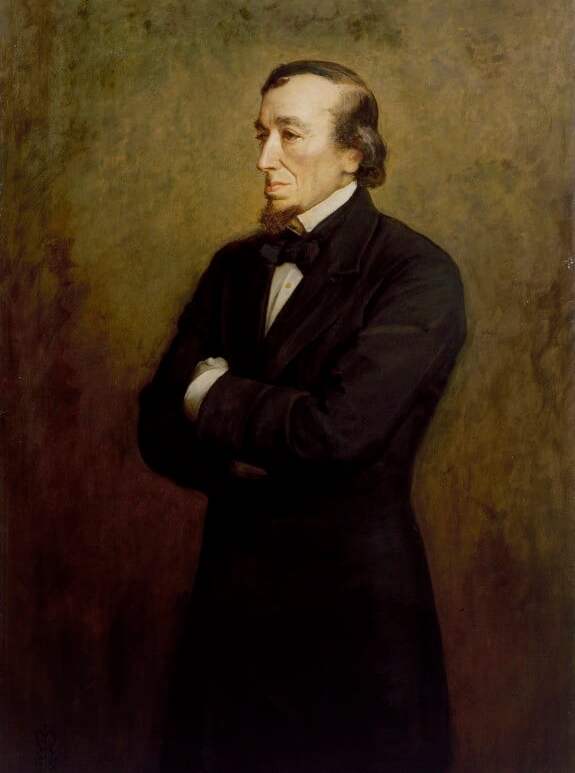
Disraeli and One Nation Conservatism

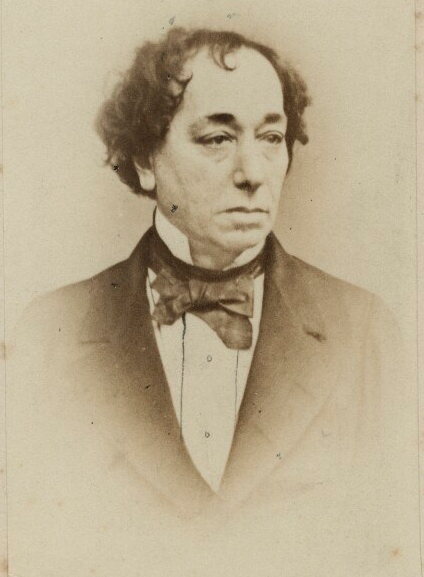
In this article our former colleague Dr Henry Miller explores the origins of the phrase ‘One Nation’, which is famously associated with the 19th century Conservative leader and prime minister Benjamin Disraeli (1803-81). He also explains its relevance to Disraeli’s career and its political legacy. The term ‘One Nation’ comes from Disraeli’s 1845 novel Sybil; or the two nations. After the young aristocrat Charles Egremont … Continue reading Disraeli and One Nation Conservatism

‘The first humble beginnings of an agitation’: the women’s suffrage petition of 7 June 1866

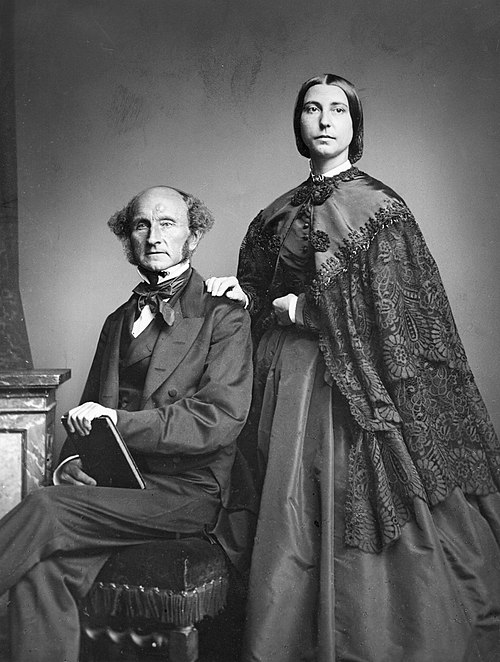
The campaign to secure the parliamentary vote for women was a long-running one. Dr Kathryn Rix, assistant editor of our House of Commons, 1832-1868 project, looks at the first mass petition on this issue. On 7 June 1866 the first mass petition for women’s suffrage was presented to Parliament. Signed by around 1,500 women, it was presented to the Commons by John Stuart Mill, who … Continue reading ‘The first humble beginnings of an agitation’: the women’s suffrage petition of 7 June 1866

Great Parliamentary Gardeners- The Nineteenth and Twentieth Centuries Compared

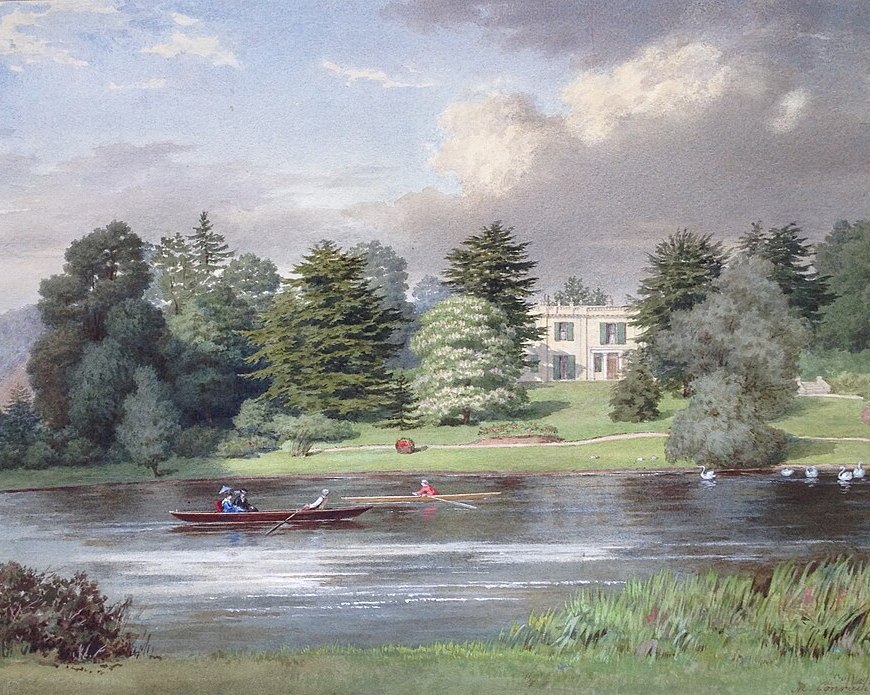
The beginning of May marks the Royal Horticultural Society’s National Gardening Week, but many of the Parliamentarians in our volumes didn’t need extra encouragement to tend to their gardens. In this, the first of two blogs, guest blogger Dr Jonathan Denby looks at differing level of importance that was placed on gardening for MPs across the 19th and 20th centuries… Sir Roderick Floud’s magisterial ‘An … Continue reading Great Parliamentary Gardeners- The Nineteenth and Twentieth Centuries Compared

A ‘noble’ and ‘magnificent’ occasion: MPs and Queen Victoria’s coronation

Recent reports indicate that the coronation of King Charles III will have a reduced audience; less than 100 MPs and peers have been formally invited. Dr Kathryn Rix, assistant editor of our Commons 1832-1868 project, reflects on the guestlist for Queen Victoria’s coronation and the privileged view MPs had of proceedings. Like the impending coronation of King Charles III, the coronation of Queen Victoria took place in the … Continue reading A ‘noble’ and ‘magnificent’ occasion: MPs and Queen Victoria’s coronation

Tackling electoral corruption: how Victorian Britain reformed the trial of election petitions in 1868

Today marks the 150th anniversary of the passing of the Election Petitions and Corrupt Practices at Elections Act, an important part of the electoral reforms which had begun with the Second Reform Act of 1867. Dr. Kathryn Rix of our Victorian Commons project explains why and how Benjamin Disraeli’s ministry aimed to tackle the problem of bribery and corruption at mid-Victorian elections. On 31 July 1868 … Continue reading Tackling electoral corruption: how Victorian Britain reformed the trial of election petitions in 1868

The 1868 Boundary Act: Disraeli’s attempt to control his ‘leap in the dark’?

This year marks the 150th anniversary of the 1868 Boundary Act. As Martin Spychal of the Commons 1832-68 Section discusses in today’s blog, the oft-neglected story of the Act provides several key insights into Britain’s second Reform Act and, in particular, the intentions of Benjamin Disraeli, the Conservative Prime Minister in 1868… It is often forgotten that Benjamin Disraeli intended to mitigate the democratising impact … Continue reading The 1868 Boundary Act: Disraeli’s attempt to control his ‘leap in the dark’?