How many people could vote in the UK after the 1832 Reform Act?

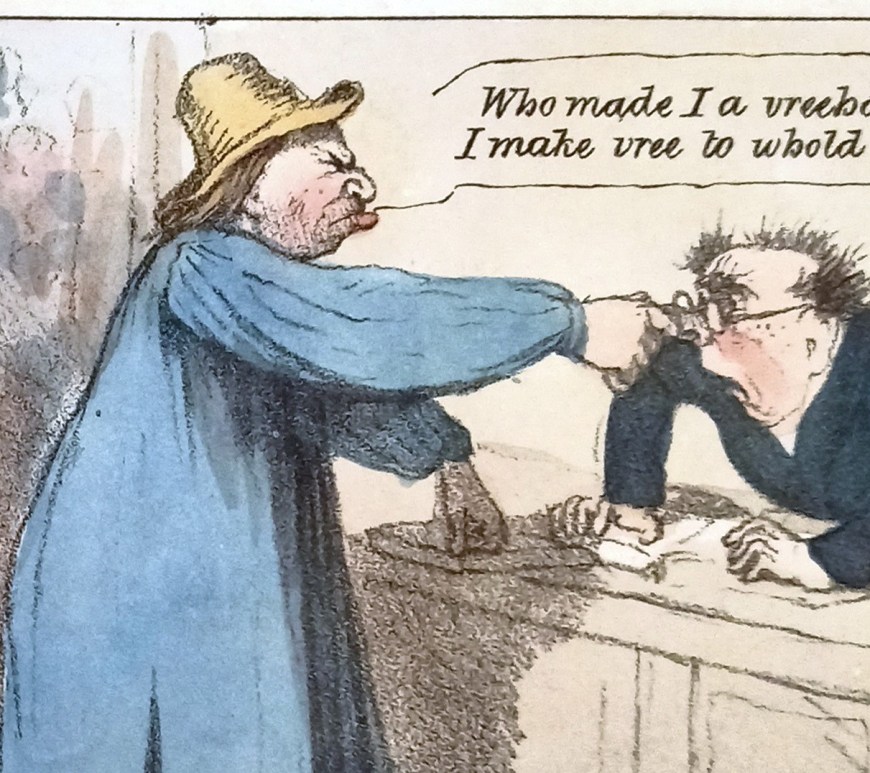
As part of our series of ‘explainer’ articles, aimed at clarifying the workings of the United Kingdom’s historic political system, Dr Martin Spychal examines how many people could vote in the UK after the 1832 Reform Act. This article draws from a new dataset of voting information for each constituency between 1832 and 1867, which Martin has been developing for the History of Parliament’s Commons … Continue reading How many people could vote in the UK after the 1832 Reform Act?

Peter McLagan senior (1774-1860): enslaver, plantation owner and landed proprietor

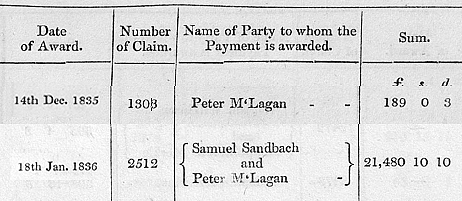
Dr Martin Spychal explores the life of Peter McLagan senior (1774-1860). A farmer’s son from Perthshire, McLagan senior acquired considerable wealth as an enslaver and plantation owner in Demerara (modern-day Guyana) during the early nineteenth century. He received extensive ‘compensation’ under the terms of the 1833 Abolition of Slavery Act. Continue reading Peter McLagan senior (1774-1860): enslaver, plantation owner and landed proprietor

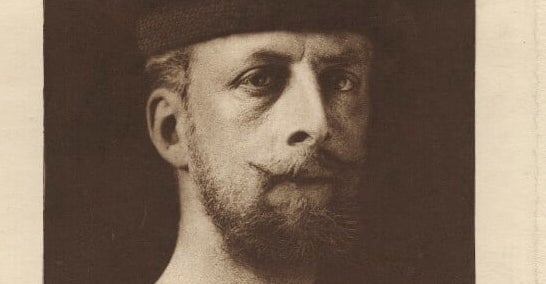
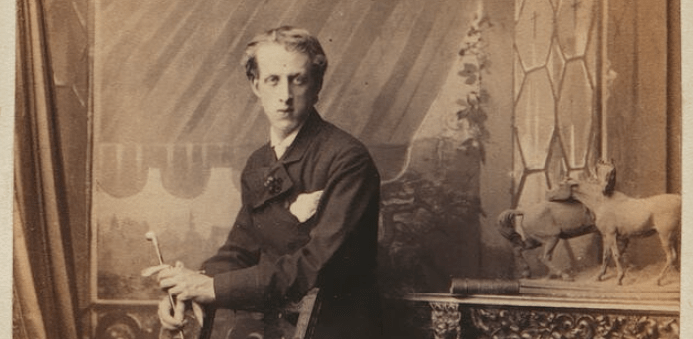
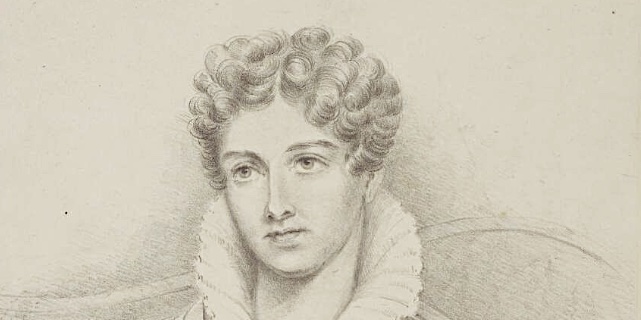
Lord Ronald Gower (1845-1916): the life of a queer MP at the time of the Second Reform Act

Dr Martin Spychal introduces his series of articles on Lord Ronald Gower (1845-1916), who was elected as MP for Sutherland in 1867. This is the first of five articles originally published on the Victorian Commons website between February 2020 and May 2021. Born into ‘the inner circle of English aristocratic life’, Lord Ronald Gower (1845-1916) is best known as the likely inspiration for the hedonistic … Continue reading Lord Ronald Gower (1845-1916): the life of a queer MP at the time of the Second Reform Act

Lord Ronald Gower (1845-1916): the social life of a queer MP at the time of the Second Reform Act

In the second article in his series on Lord Ronald Gower (1845-1916), Dr Martin Spychal explores Gower’s London social life during his first year in Parliament, including a brief summer romance with the son of the commissioner of the Metropolitan Police. One of the most privileged men in nineteenth-century Britain, Lord Ronald Gower (1845-1916), was returned to Parliament in May 1867, aged 21, for his … Continue reading Lord Ronald Gower (1845-1916): the social life of a queer MP at the time of the Second Reform Act

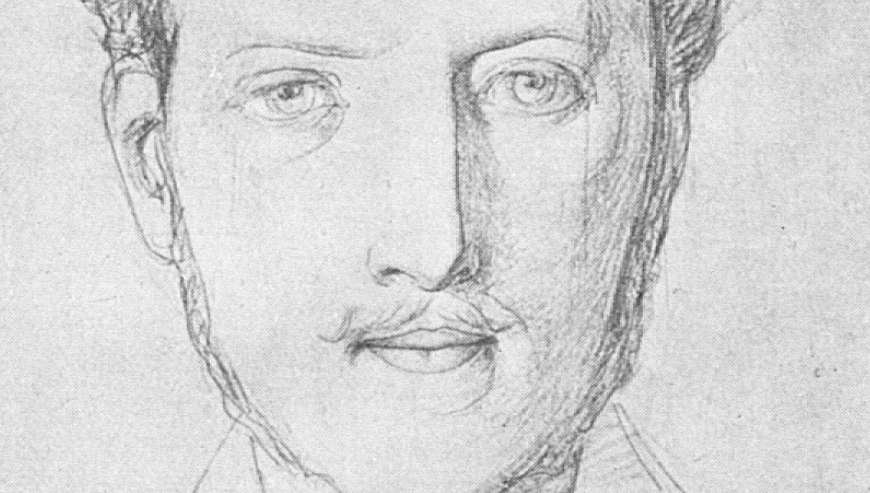
The ‘beautiful boy’ of the Commons: Lord Ronald Gower (1845-1916) and sexual identity in Parliament at the time of the Second Reform Act

In the third of his article series on Lord Ronald Gower (1845-1916), Dr Martin Spychal explores Gower’s parliamentary reputation as the ‘beautiful boy’ of the Commons, and his increasing disaffection with conventional aristocratic society during the 1868 parliamentary session. In May 1868 the twenty-two-year-old MP for Sutherlandshire, Ronald Gower (1845-1916), made his maiden parliamentary speech. When reporting on the speech the Leeds Mercury shared some … Continue reading The ‘beautiful boy’ of the Commons: Lord Ronald Gower (1845-1916) and sexual identity in Parliament at the time of the Second Reform Act

‘She, yes, she was the only member of parliament’: Harriet Grote, radical parliamentary tactics and House of Lords reform, 1835-6

In the fifth of his articles on Harriet Grote (1792-1878), our research fellow Dr Martin Spychal explores Harriet’s relationship with the veteran radical Francis Place (1771-1854), her views on radical tactics and her increasingly resourceful strategies for influencing Parliament during the 1835 and 1836 parliamentary sessions. In September 1836 the veteran radical, Francis Place (1771-1854), shared his thoughts on one of his closest Westminster allies, Harriet Grote (1792-1878). … Continue reading ‘She, yes, she was the only member of parliament’: Harriet Grote, radical parliamentary tactics and House of Lords reform, 1835-6

Harriet Grote (1792-1878) and the first reformed Parliament, 1833-34: a woman at Westminster

In the third of his articles on Harriet Grote (1792-1878), our research fellow Dr Martin Spychal looks at Harriet’s introduction to politics at Westminster during the first ‘reformed’ Parliament of 1833-34. Harriet Grote (1792-1878) was one of the most important British politicians of the 1830s. As I’ve discussed in my previous articles, she had been a key figure among London’s intellectual radicals during the previous … Continue reading Harriet Grote (1792-1878) and the first reformed Parliament, 1833-34: a woman at Westminster

The radical hostess of Parliament Street: Harriet Grote (1792-1878), the 1832 election and establishing influence as a woman at Westminster

In the second of his articles on Harriet Grote (1792-1878), our research fellow, Dr Martin Spychal, explores Harriet’s introduction to electoral politics at the 1832 election and her preparations for the 1833 parliamentary session… The 1832 election introduced Harriet Grote (1792-1878) to several of the traditional, and not so traditional, avenues through which a politician’s wife could engage in nineteenth-century electoral politics. As I discussed … Continue reading The radical hostess of Parliament Street: Harriet Grote (1792-1878), the 1832 election and establishing influence as a woman at Westminster

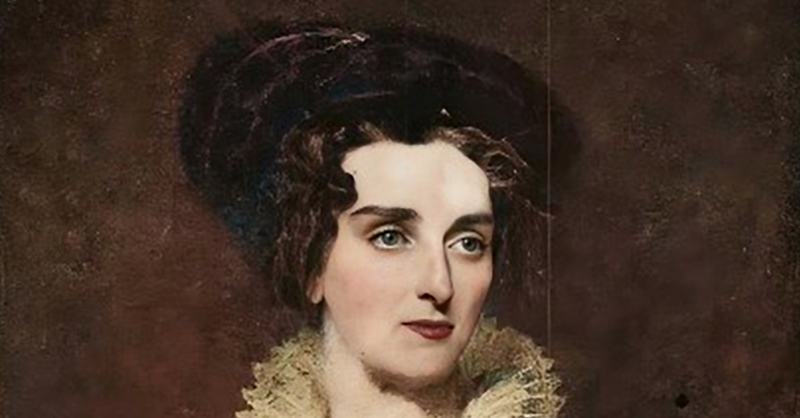
‘Had she been a man, she would have been the leader of a party’: Harriet Grote (1792-1878), radicalism and Parliament, 1820-41

In the first of his articles on Harriet Grote (1792-1878), our research fellow Dr Martin Spychal, explores Harriet’s early life, her emergence as a central figure among London’s intellectual radicals during the 1820s and her arrival on the Westminster political scene during the reform crisis of 1830-32… Harriet Grote, née Lewin, grew up in the comfortable surrounds of Ridgeway Castle near Southampton, which her father, … Continue reading ‘Had she been a man, she would have been the leader of a party’: Harriet Grote (1792-1878), radicalism and Parliament, 1820-41

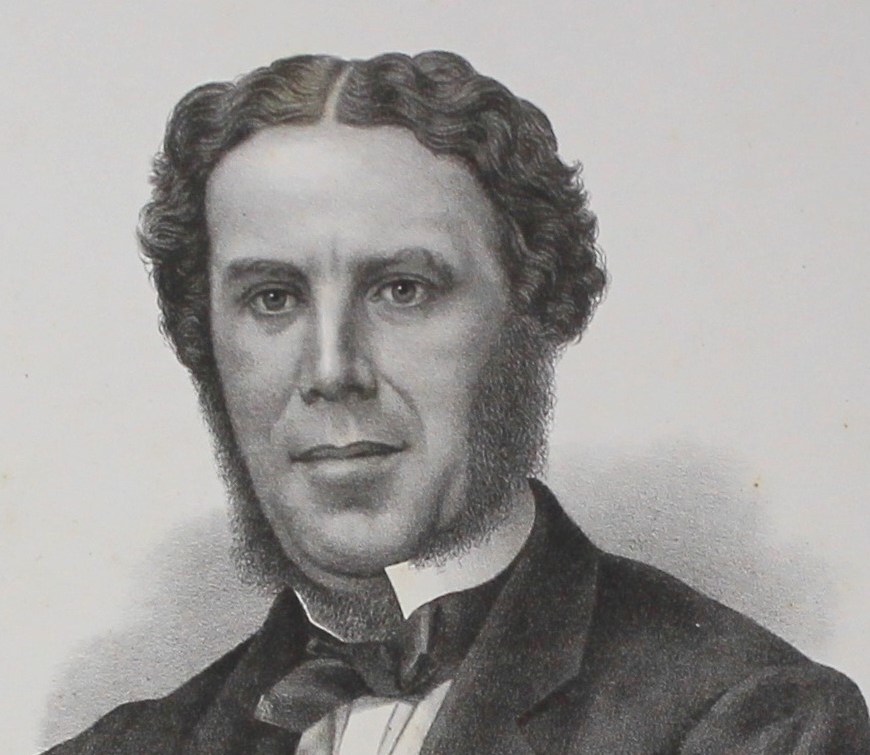
A man in head and shoulders profile with a three piece suit on and black bow tie

Peter McLagan (1823-1900): Scotland’s first Black MP

This is the first article in a new series for the Victorian Commons on Peter McLagan (1823-1900), by Dr Martin Spychal, Senior Research Fellow on our House of Commons 1832-1868 project. McLagan was the first Black MP to represent a Scottish constituency, sitting for Linlithgowshire between 1865 and 1893. The series will explore McLagan’s personal, political and professional life, the lives of his close family … Continue reading Peter McLagan (1823-1900): Scotland’s first Black MP