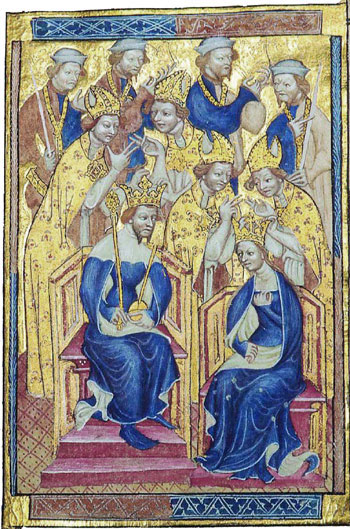
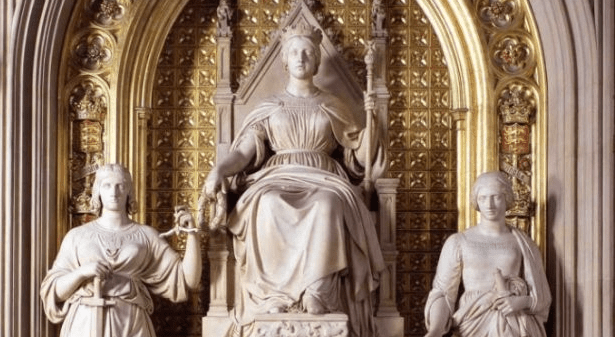
A statue of a queen on a throne with two women to either side

‘Unobtrusive But Not Unimportant’: Representations of Women and Sovereign Power at the New Palace of Westminster, 1841-1870

At the IHR Parliaments, Politics and People seminar on Tuesday 17 February, Dr Cara Gathern of UK Parliament Heritage Collections, will be discussing representations of women and sovereign power at the New Palace of Westminster, 1841-1870. The seminar takes place on 17 February 2026, between 5:30 and 6:30 p.m. It is fully ‘hybrid’, which means you can attend either in-person in London at the IHR, or online … Continue reading ‘Unobtrusive But Not Unimportant’: Representations of Women and Sovereign Power at the New Palace of Westminster, 1841-1870

Bosworth and other battles: the illustrious career of Sir Gilbert Talbot (d.1517) of Grafton, KG

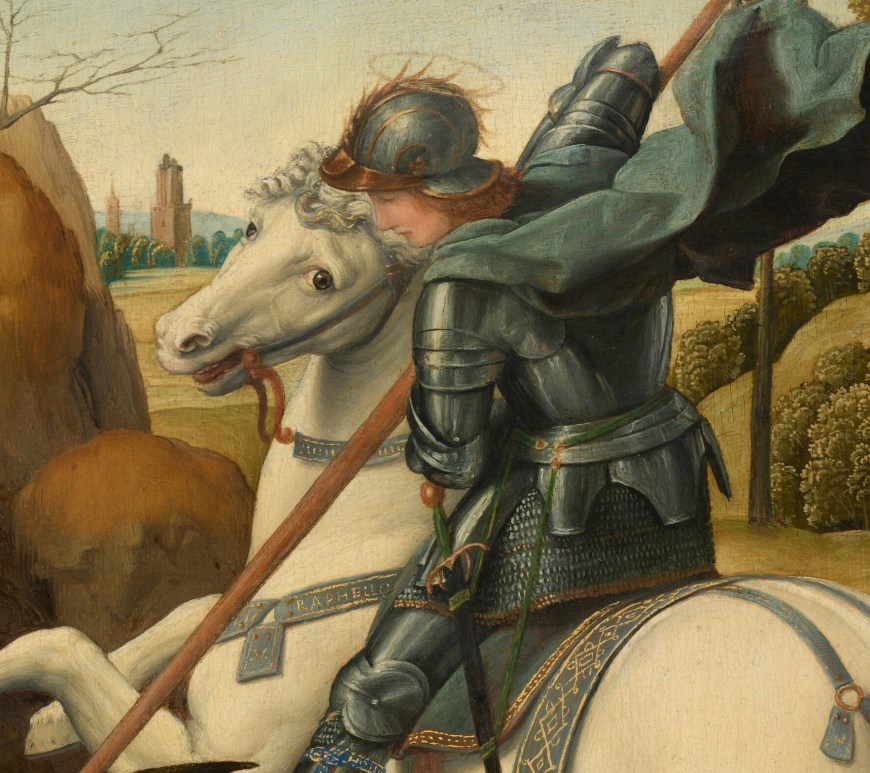
Dr Simon Payling of our Commons 1461-1504 project explores the career of the early Tudor figure Sir Gilbert Talbot, who in service of Henry VII was rewarded with a commissioned painting from Raphael… When the Tudor antiquarian, John Leland, visited the Shropshire church of Whitchurch in the 1530s, he saw the tomb of Sir Gilbert Talbot, a ‘knight of fame’, and noted, with apparent approval, … Continue reading Bosworth and other battles: the illustrious career of Sir Gilbert Talbot (d.1517) of Grafton, KG

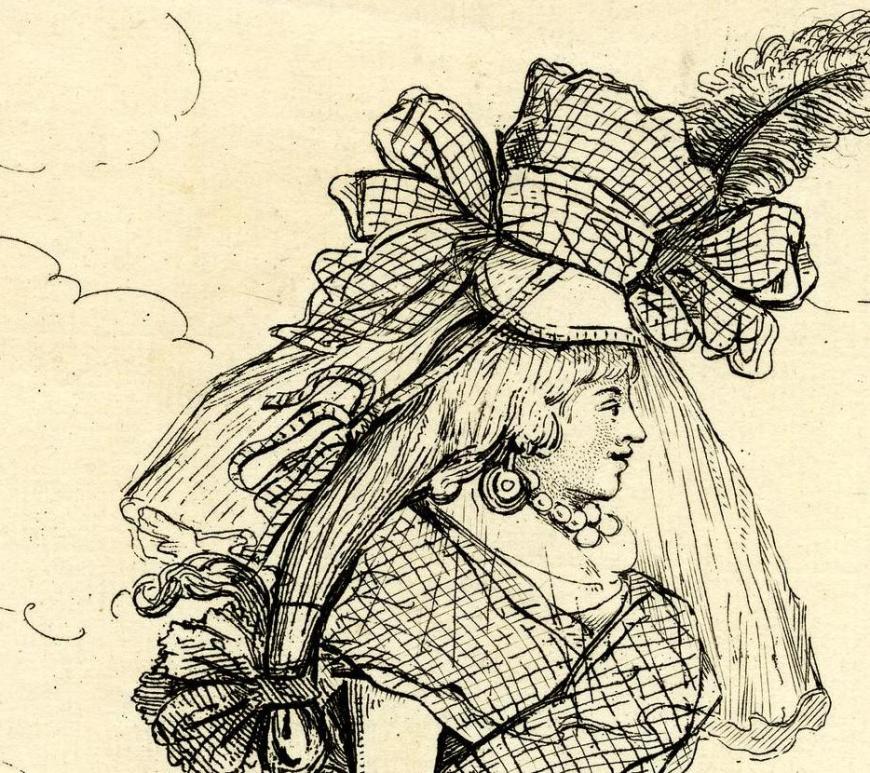
‘The Tartan Rage’: Fashion, High Society, and Scottish Identity in Eighteenth-Century London

At the IHR Parliaments, Politics and People seminar on Tuesday 25 November, Dr Natalee Garrett of The Open University, will be discussing Jane, duchess of Gordon and the Romanticisation of Scottish Identity in London, c.1780-1812. The seminar takes place on 25 November 2025, between 5:30 and 6:30 p.m. It will be hosted online via Zoom. Details of how to join the discussion are available here. ‘The … Continue reading ‘The Tartan Rage’: Fashion, High Society, and Scottish Identity in Eighteenth-Century London

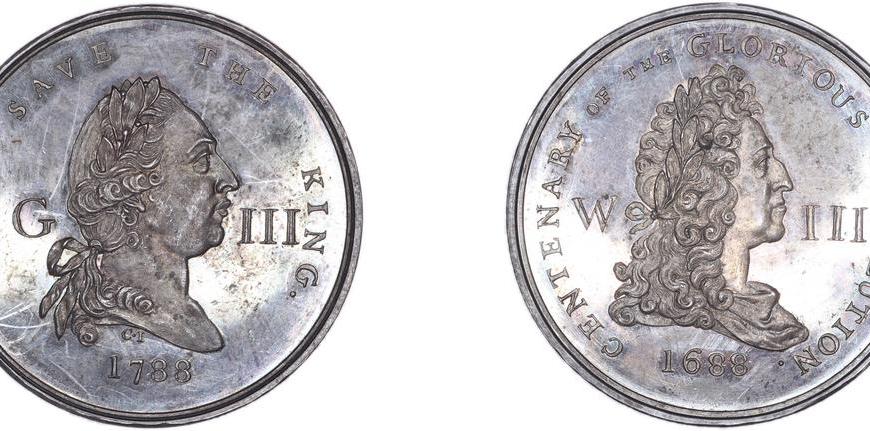
‘Confirmation of the People’s Rights’: commemorating the ‘Glorious Revolution’ of 1688

For many, the beginning of November means the advent of longer nights as the year winds down to Christmas. Some may still enjoy attending firework displays marking the failure of the 1605 Gunpowder Plot. In November 1788, though, serious efforts were made to establish a lasting memorial to the Revolution of 1688, whose centenary was celebrated nationwide. However, as Dr Robin Eagles shows, no one … Continue reading ‘Confirmation of the People’s Rights’: commemorating the ‘Glorious Revolution’ of 1688

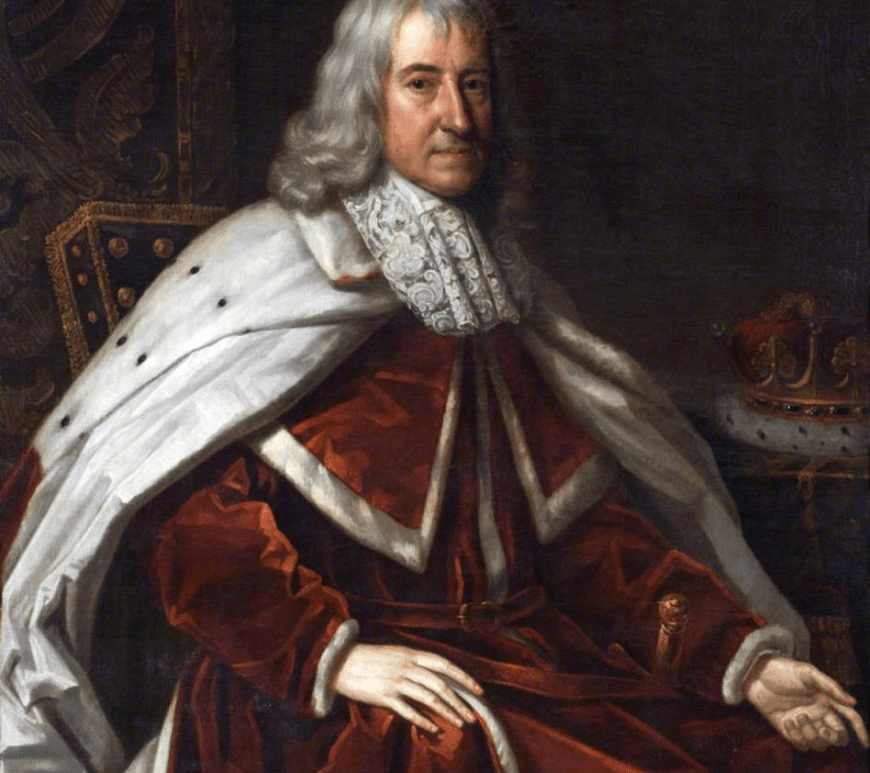
John Robartes, 2nd Baron Robartes of Truro (later earl of Radnor): reading in the revolution

In this guest article, Dr Sophie Aldred, lecturer in Early Modern History at the University of Oxford, explores the library of Lord Robartes and what it tells us of his political position during the revolutionary years of the 1640s. Variously described as of an ‘unsociable nature and impetuous disposition’, ‘sour’, ‘surly’, and a ‘destroyer of every body’s business’, John Robartes, 2nd Baron Robartes of Truro … Continue reading John Robartes, 2nd Baron Robartes of Truro (later earl of Radnor): reading in the revolution

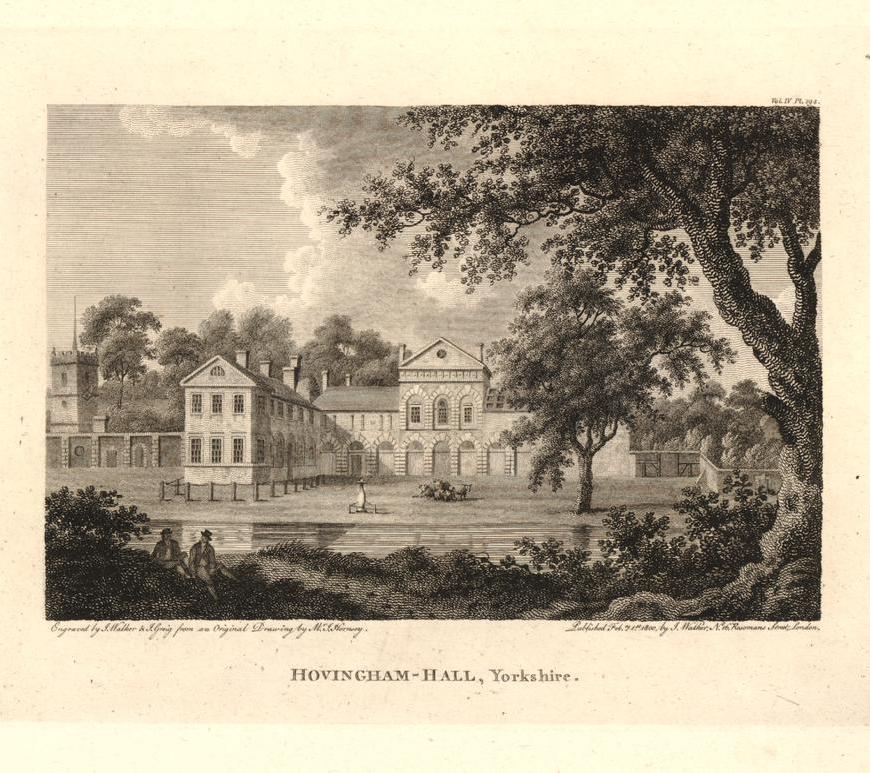
Descended from a giant: the Worsleys of Hovingham

The recent death of HRH the Duchess of Kent, who was married to the late queen’s cousin at York Minister in 1961, reminds us of her family’s long association with Yorkshire. This has included two brothers who served as archbishop of York and several members of her family who were elected to Parliament. Dr Robin Eagles considers the Worsley family’s connection with the north of … Continue reading Descended from a giant: the Worsleys of Hovingham

Did they believe in portents? Severe weather and other extreme natural phenomena in Walsingham’s Chronica Maiora and other late-medieval monastic chronicles

Dr Simon Payling, of our Commons 1461-1504 section, explores the theme of extreme weather in medieval chronicles. It is a familiar theme in medieval chronicles, whether monkish or secular, that extreme weather, natural disaster or even just unusual events were, or, at least, could be interpreted as, manifestations of divine interaction with the temporal world. At the most extreme, they were seen as expressions of God’s … Continue reading Did they believe in portents? Severe weather and other extreme natural phenomena in Walsingham’s Chronica Maiora and other late-medieval monastic chronicles

Lord Ronald Gower (1845-1916): the life of a queer MP at the time of the Second Reform Act

Dr Martin Spychal introduces his series of articles on Lord Ronald Gower (1845-1916), who was elected as MP for Sutherland in 1867. This is the first of five articles originally published on the Victorian Commons website between February 2020 and May 2021. Born into ‘the inner circle of English aristocratic life’, Lord Ronald Gower (1845-1916) is best known as the likely inspiration for the hedonistic … Continue reading Lord Ronald Gower (1845-1916): the life of a queer MP at the time of the Second Reform Act

Lord Ronald Gower (1845-1916): the social life of a queer MP at the time of the Second Reform Act

In the second article in his series on Lord Ronald Gower (1845-1916), Dr Martin Spychal explores Gower’s London social life during his first year in Parliament, including a brief summer romance with the son of the commissioner of the Metropolitan Police. One of the most privileged men in nineteenth-century Britain, Lord Ronald Gower (1845-1916), was returned to Parliament in May 1867, aged 21, for his … Continue reading Lord Ronald Gower (1845-1916): the social life of a queer MP at the time of the Second Reform Act

John Bowes (1811-85): the MP and his museum

In this article Dr James Owen looks at the career of John Bowes (1811-85). Best known as an art collector and colliery owner, Bowes was MP for Durham South, 1832-47, but had a far greater impact outside Parliament than at Westminster, with one of his major legacies being the museum which bears his name. The Bowes Museum, situated in the historic market town of Barnard … Continue reading John Bowes (1811-85): the MP and his museum