The Baronial Context of the 1641 Triennial Act

Dr David Scott, Editor of the 1640-60 House of Lords section, explores the role of the peers in securing the right of Parliament to meet regularly. The Triennial Act of February 1641 was the first piece of legislation passed by the ‘Long Parliament’ in its momentous thirteen-year history of reform, rule and, in 1649, regicide. Of course, none of the peers and MPs who had … Continue reading The Baronial Context of the 1641 Triennial Act

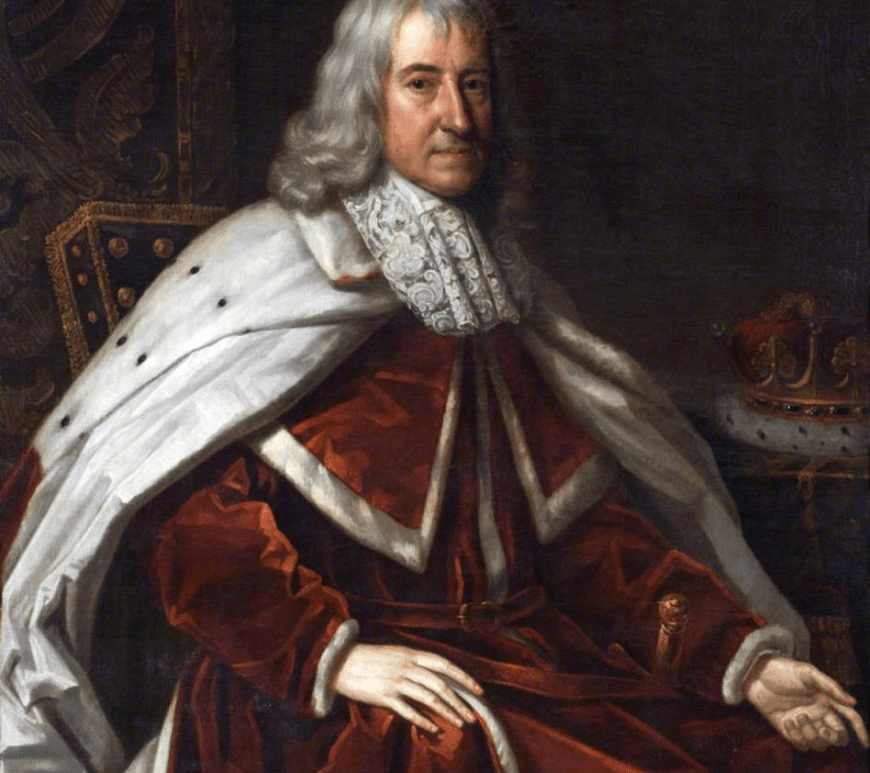
John Robartes, 2nd Baron Robartes of Truro (later earl of Radnor): reading in the revolution

In this guest article, Dr Sophie Aldred, lecturer in Early Modern History at the University of Oxford, explores the library of Lord Robartes and what it tells us of his political position during the revolutionary years of the 1640s. Variously described as of an ‘unsociable nature and impetuous disposition’, ‘sour’, ‘surly’, and a ‘destroyer of every body’s business’, John Robartes, 2nd Baron Robartes of Truro … Continue reading John Robartes, 2nd Baron Robartes of Truro (later earl of Radnor): reading in the revolution

John Potter, an unusual Archbishop of Canterbury

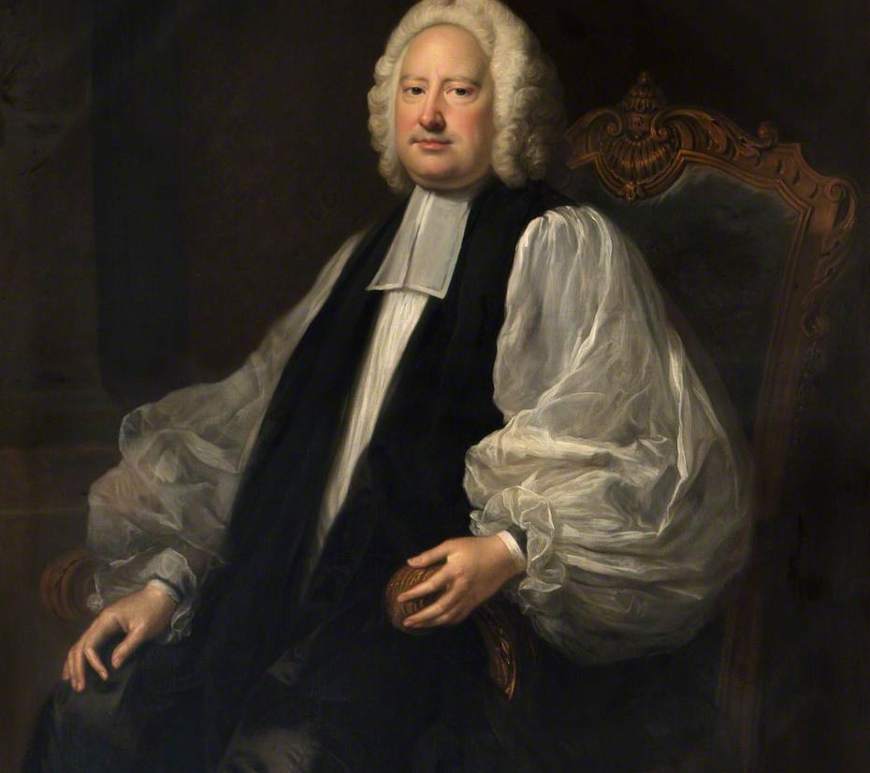
In the latest blog for the Georgian Lords, Dr Robin Eagles examines the career of one of the lesser known Archbishops of Canterbury, who was able to make use of his August 1715 sermon celebrating the accession of George I to press forward his career in the Church. Every 30 January, the rhythm of the parliamentary session in the 17th and 18th centuries was adjusted … Continue reading John Potter, an unusual Archbishop of Canterbury

‘Good for nothing and lived like a hog’: the destructive obsession of Francis, Lord Deincourt

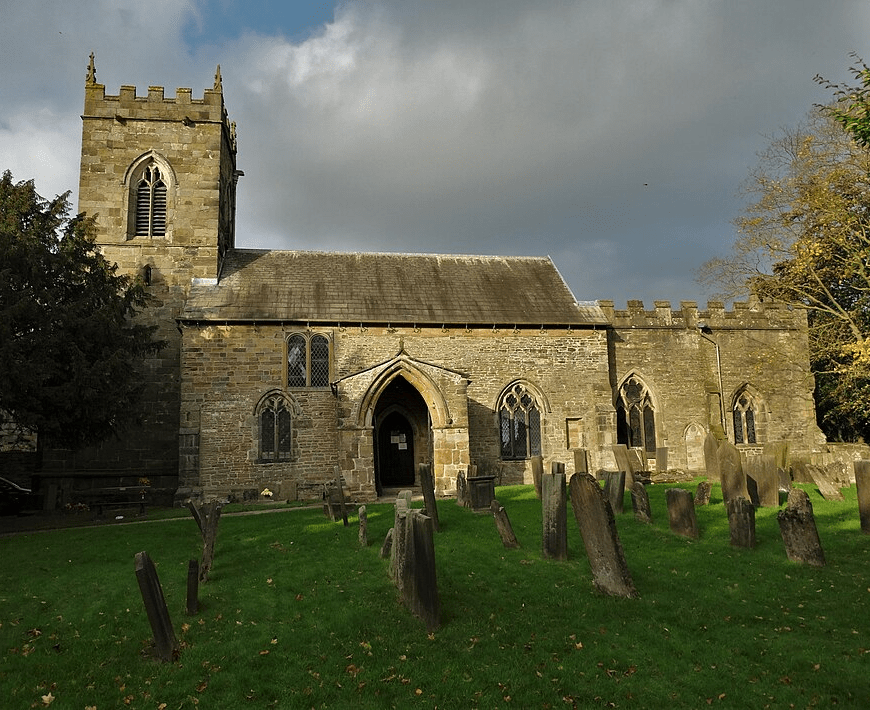
Dr Patrick Little of the 1640-60 Lords section, explores the strange life of a peer who valued money above everything. It had started so well. Francis Leak, the son of Sir Francis Leak, a prosperous landowner in Derbyshire and Nottinghamshire, was the first of his family to try to establish himself on the national stage. He had already taken the important first step of marrying … Continue reading ‘Good for nothing and lived like a hog’: the destructive obsession of Francis, Lord Deincourt

Approaching the ‘great Court of Justice now sitting’: petitioning and parliamentary memory in the Long Parliament (1640-1642)

Ahead of next Tuesday’s Parliaments, Politics and People seminar, we hear from Dr Ellen Paterson, Keble College, University of Oxford. On 11 March Ellen will discuss petitioning and parliamentary memory in the Long Parliament (1640-1642). The seminar takes place on 11 March 2025, between 5:30 and 6.30 p.m. It is fully ‘hybrid’, which means you can attend either in-person in London at the IHR, or online … Continue reading Approaching the ‘great Court of Justice now sitting’: petitioning and parliamentary memory in the Long Parliament (1640-1642)

‘History from above’ and ‘history from below’: the example of Philip Herbert, 4th earl of Pembroke, May to July 1641

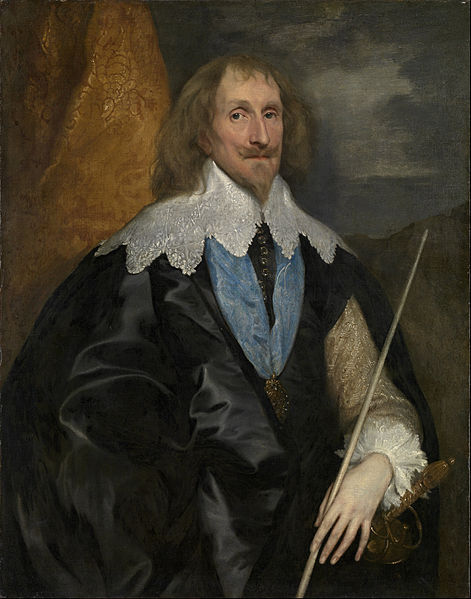
Guest blogger Dr Fraser Dickinson uses the events surrounding Philip Herbert, 4th earl of Pembroke, between May and July 1641, to illustrate the interaction between the paradigms of ‘history from above’ and ‘history from below.’ The past is often viewed as being either ‘history from above’ (the ‘great man theory’ of history), or ‘history from below’ (the Marxist emphasis on economic and social forces). Of … Continue reading ‘History from above’ and ‘history from below’: the example of Philip Herbert, 4th earl of Pembroke, May to July 1641

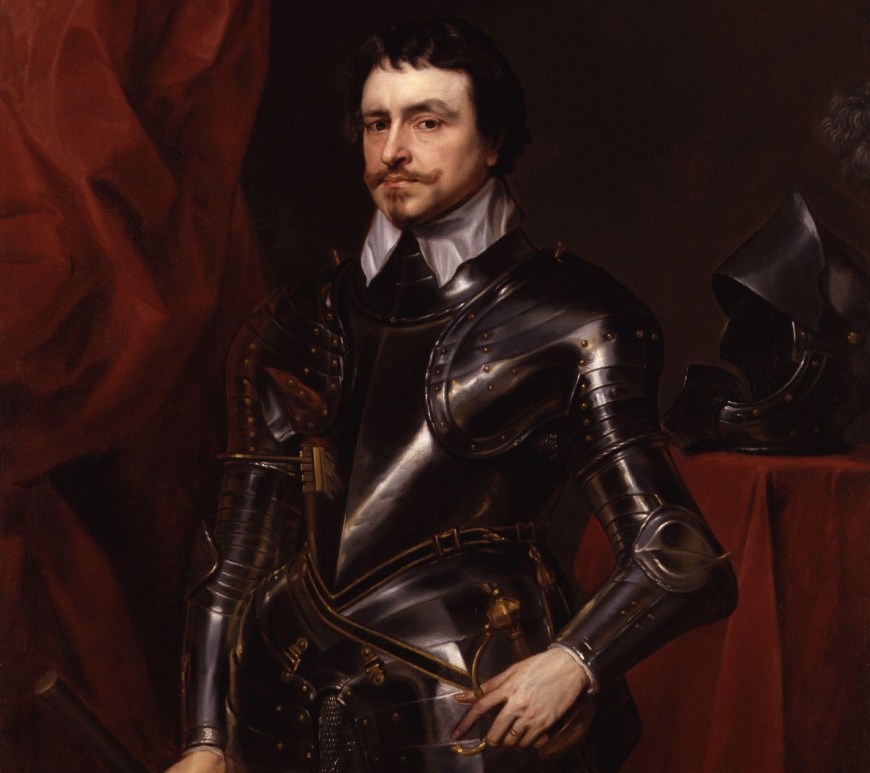
‘There is not a Minister on this Side, that knows any Thing I either write or intend, excepting the Master of the Rolls and Sir George Radcliffe’: Sir Thomas Wentworth’s reliance on his cabal in the Irish Parliaments of Charles I’s reign

Ahead of next Tuesday’s Parliaments, Politics and People seminar, we hear from Dr Charlotte Brownhill of the Open University. On 14 November Charlotte will discuss the management of Irish parliaments in the 1630s and 1640s. The seminar takes place between 5:30 and 6.30 p.m. You can attend online via Zoom. Details of how to join the discussion are available here. Sir Thomas Wentworth (later earl … Continue reading ‘There is not a Minister on this Side, that knows any Thing I either write or intend, excepting the Master of the Rolls and Sir George Radcliffe’: Sir Thomas Wentworth’s reliance on his cabal in the Irish Parliaments of Charles I’s reign

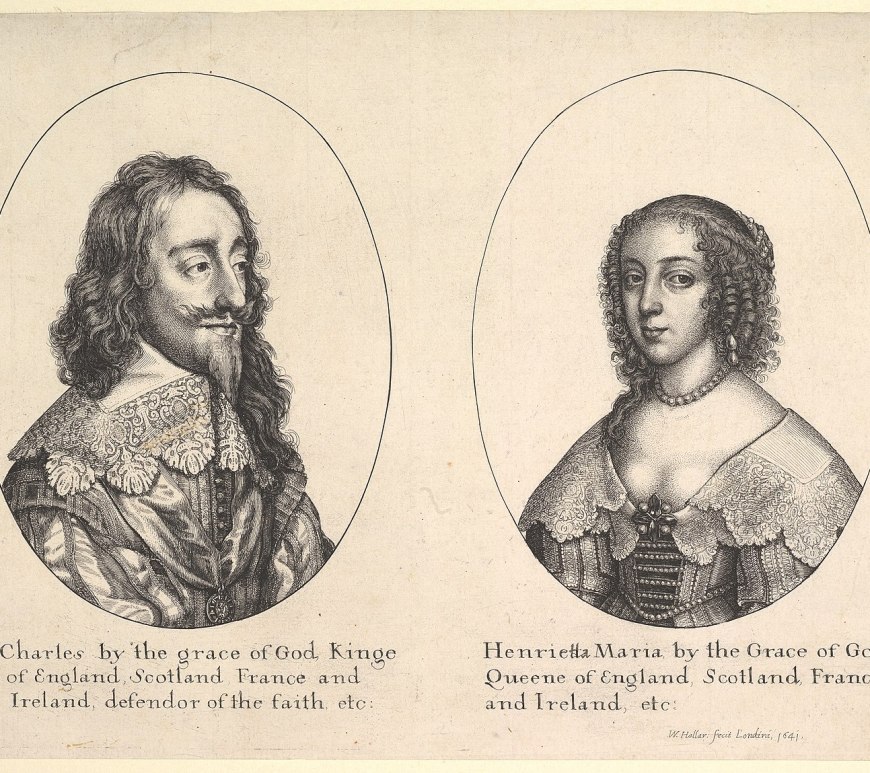
The Caroline court and the political breakdown of 1641-42

In the latest Revolutionary Stuart Parliaments blog, guest blogger Dr Fraser Dickinson considers the changes in the fortunes of the circles at the Caroline court as one of the reasons for the problems that Charles I faced during the crisis of 1641 and 1642. In the second half of the 1630s, England presented the appearance of stability. One cause of this state of affairs was that … Continue reading The Caroline court and the political breakdown of 1641-42

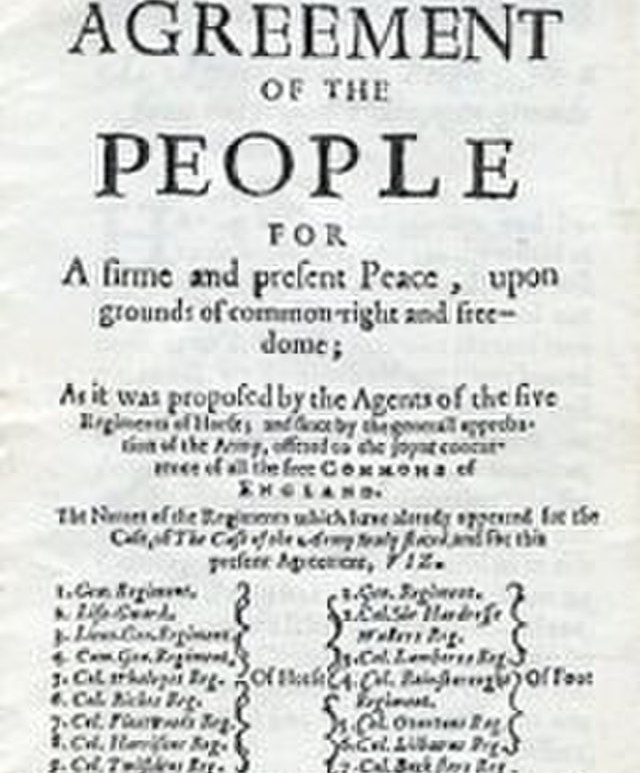
The Lords and the Putney Debates

Following the victory of Parliament over King Charles I in the first English Civil War, the New Model Army, Charles, and radical groups convened at Putney to discuss the political settlement. Sarah Mortimer, Associate Professor at Christ Church, Oxford, and David Scott, editor of the House of Lords 1640-1660 section, discuss the debates surrounding the constitutional status of king and Lords. With the old frame … Continue reading The Lords and the Putney Debates

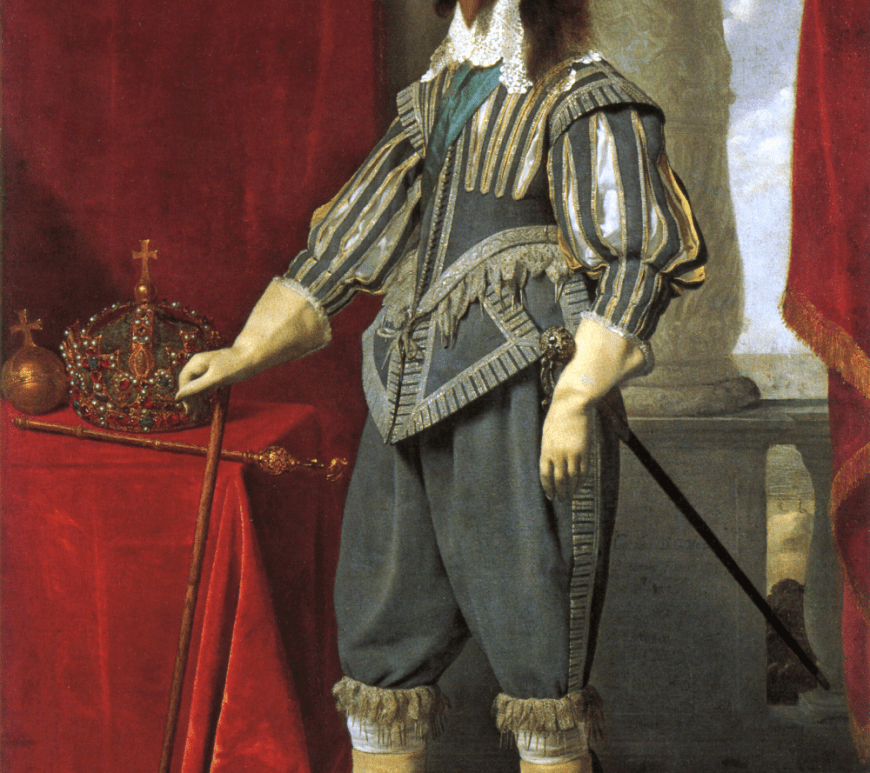
The 1626 coronation: Charles I’s botched political relaunch

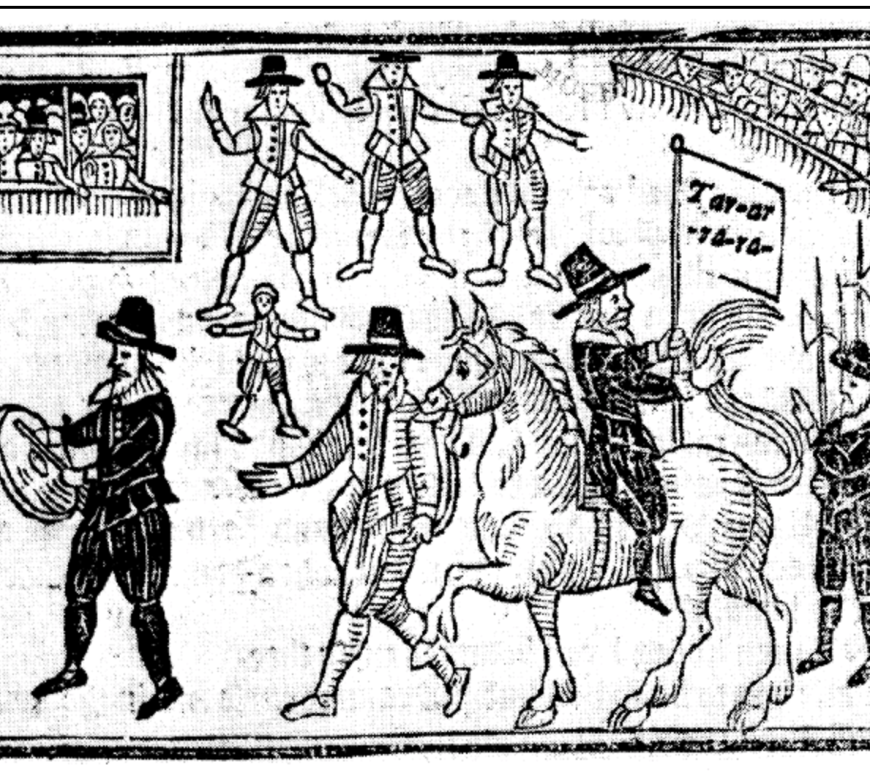
After a shaky start to his reign, the king intended his coronation to bolster his personal image and agenda ahead of the 1626 Parliament. However, things didn’t go according to plan, as Dr Paul Hunneyball of our Lords 1558-1603 section explains… Little went right for Charles I in the opening months of his reign. Following his accession in March 1625, a major outbreak of the … Continue reading The 1626 coronation: Charles I’s botched political relaunch