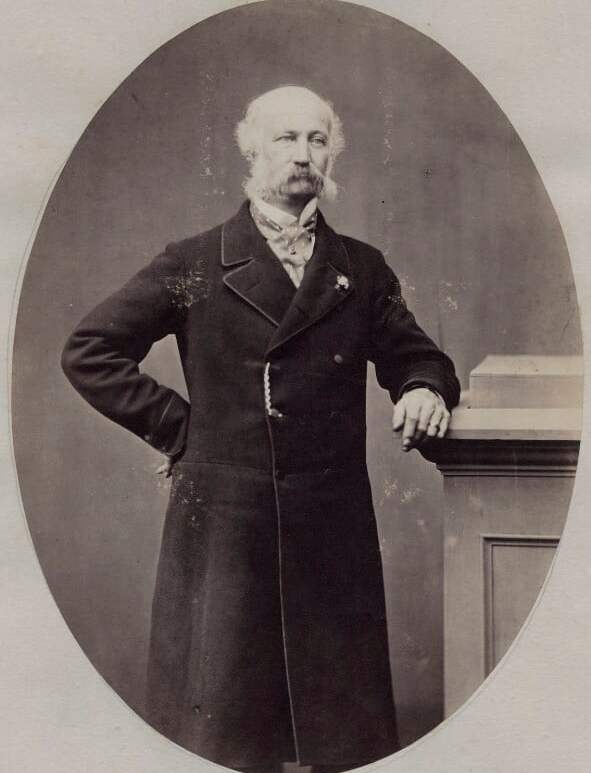
‘A kindhearted savage of a man’: Arthur Wills Blundell Sandys Trumbull Windsor Hill, Earl of Hillsborough (1812-68)

Today (6 August) marks the anniversary of both the birth and death of the Irish MP Arthur Wills Blundell Sandys Trumbull Windsor Hill, Earl of Hillsborough (and from 1845 Marquess of Downshire). Hillsborough‘s repeated physical altercations implicated him in two deaths and earned him a ferocious reputation, as this article from our House of Commons, 1832-1945 project explains. Hillsborough’s family (marquesses of Downshire) possessed large … Continue reading ‘A kindhearted savage of a man’: Arthur Wills Blundell Sandys Trumbull Windsor Hill, Earl of Hillsborough (1812-68)

Catholics in the Commons after emancipation

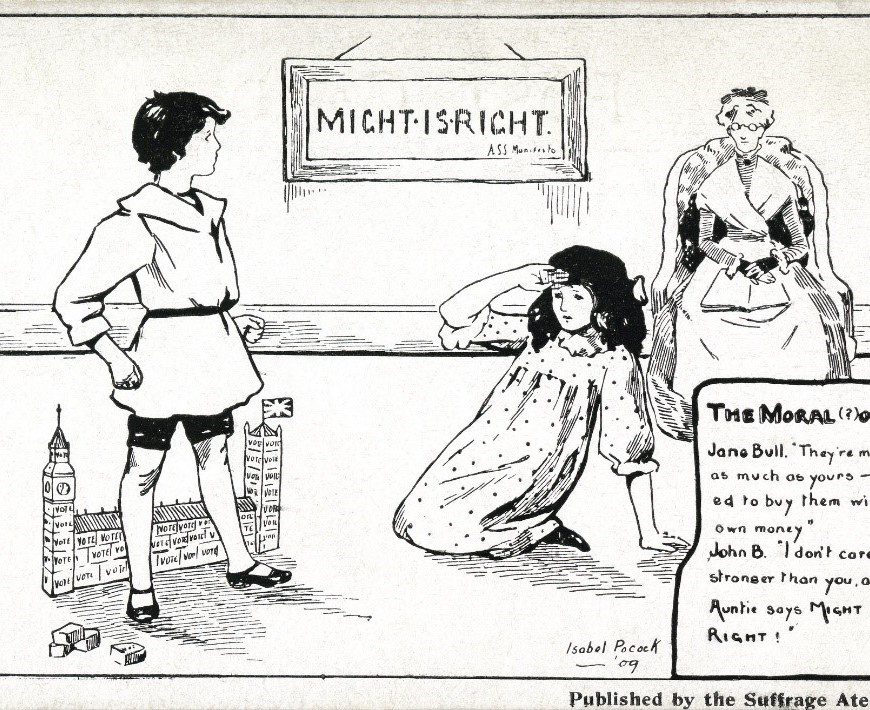
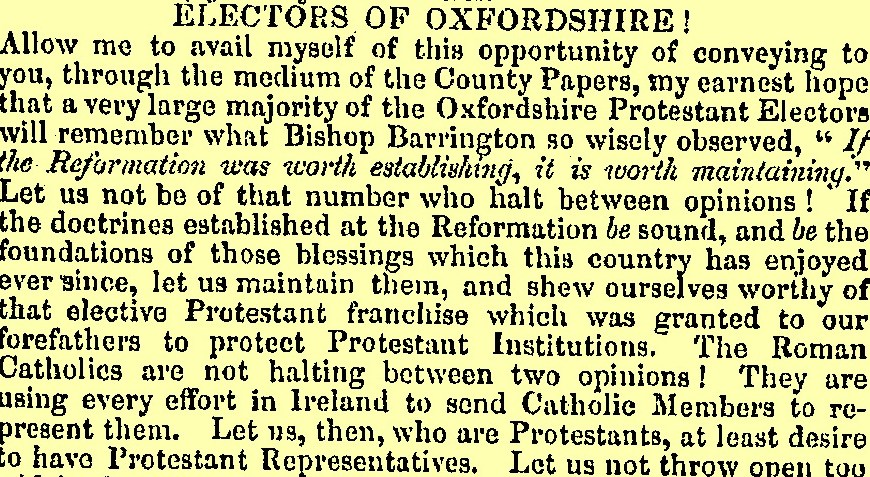
Today (13 April) marks the anniversary of the Roman Catholic Relief Act gaining royal assent in 1829, which removed many of the barriers restricting Roman Catholics from sitting in Parliament. However, as Dr Philip Salmon of the Victorian Commons explores, hostility to Catholics continued despite their emancipation … It may seem surprising to some that popular anti-Catholic sentiment continued to flourish in the decades after … Continue reading Catholics in the Commons after emancipation

The Southwells – from administrators to an ancient peerage

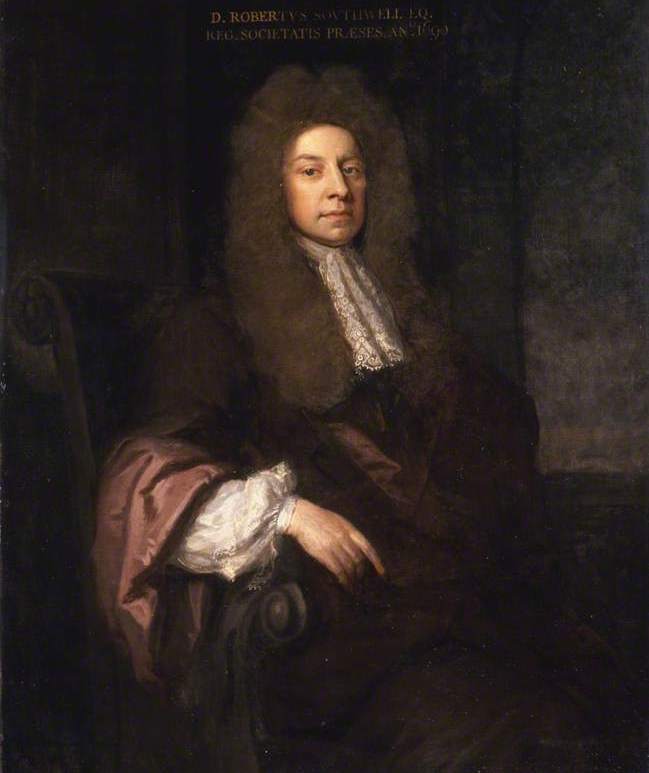
In the latest blog for the Georgian Lords, Dr Stuart Handley charts the history of the Southwell family, from their origins in Gloucestershire and as administrators in Ireland to their ultimate inheritance of one of the senior peerages in the House of Lords. It is particularly satisfying when the various sections of the History of Parliament allow the fortunes of one family to be traced … Continue reading The Southwells – from administrators to an ancient peerage

‘There is not a Minister on this Side, that knows any Thing I either write or intend, excepting the Master of the Rolls and Sir George Radcliffe’: Sir Thomas Wentworth’s reliance on his cabal in the Irish Parliaments of Charles I’s reign

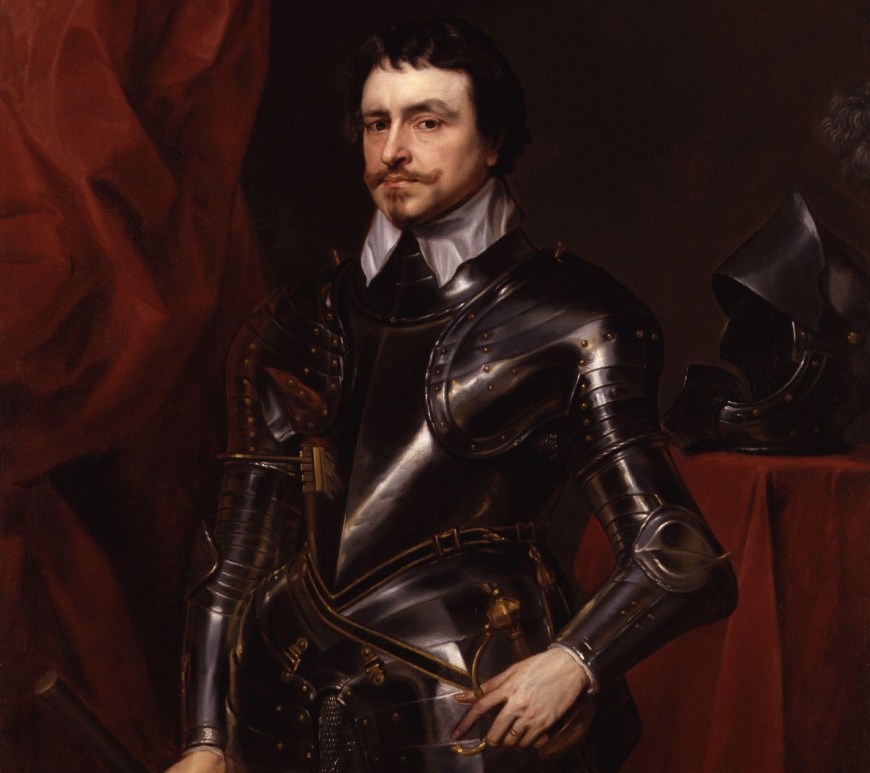
Ahead of next Tuesday’s Parliaments, Politics and People seminar, we hear from Dr Charlotte Brownhill of the Open University. On 14 November Charlotte will discuss the management of Irish parliaments in the 1630s and 1640s. The seminar takes place between 5:30 and 6.30 p.m. You can attend online via Zoom. Details of how to join the discussion are available here. Sir Thomas Wentworth (later earl … Continue reading ‘There is not a Minister on this Side, that knows any Thing I either write or intend, excepting the Master of the Rolls and Sir George Radcliffe’: Sir Thomas Wentworth’s reliance on his cabal in the Irish Parliaments of Charles I’s reign

Political practices: new directions in political history in the long nineteenth century

Continuing our series reflecting on the Organise! Organise! Organise! conference hosted by Durham University and supported by the History of Parliament, guest blogger Dr Helen Sunderland, a historian based at the University of Oxford, discusses the new directions of research that were presented and considers what might be next for political history. Two packed days at the Organise! Organise! Organise! conference at Durham University last month showcased the … Continue reading Political practices: new directions in political history in the long nineteenth century

Acts of Recovery: archival reconstruction in the digital age reflection

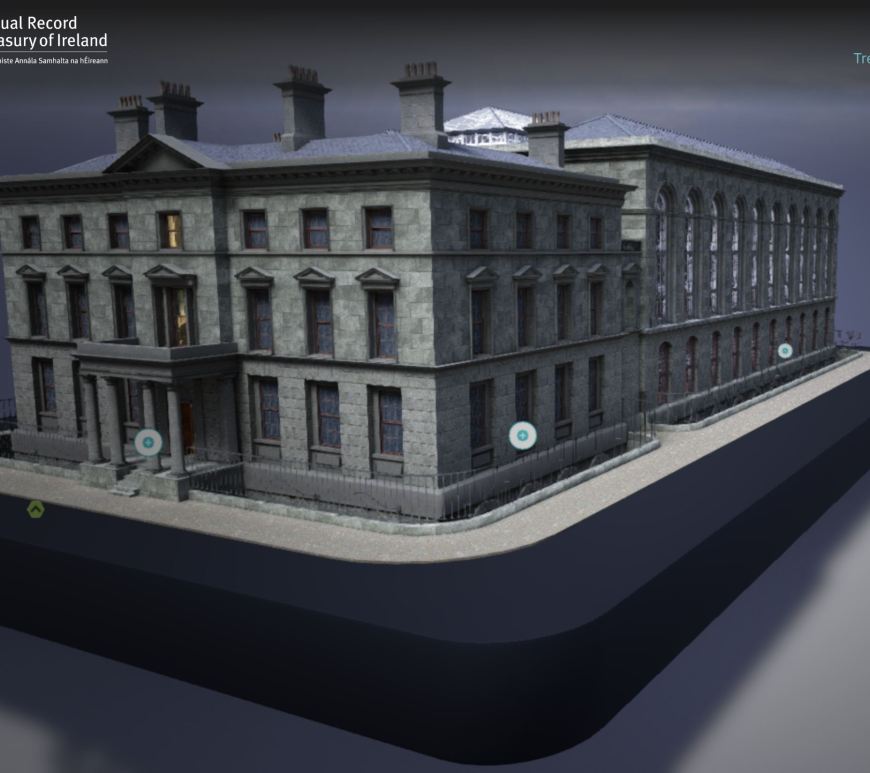
In September 2023, the UK Parliamentary Archives hosted an event to mark their collaboration with the Virtual Record Treasury of Ireland. In this blog, our Public Engagement Assistant, Kirsty O’Rourke, reflects on the event. To mark the collaboration between the Virtual Record Treasury of Ireland and the UK Parliamentary Archives, last month the UK Parliamentary Archives hosted an event to discuss the importance of sharing knowledge … Continue reading Acts of Recovery: archival reconstruction in the digital age reflection

The Early Career of Hugh Boulter, Archbishop of Armagh

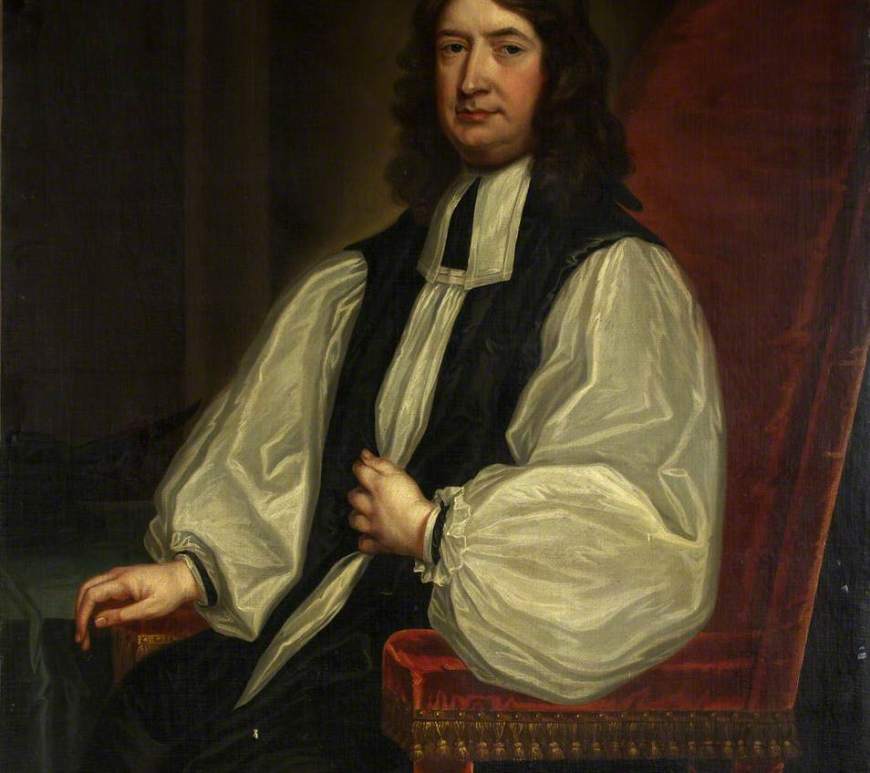
In the latest blog for the Georgian Lords, Dr Stuart Handley re-examines the early career of Hugh Boulter, briefly bishop of Bristol before being posted to Ireland, offering some corrections to his life story. Thomas Lindsay, archbishop of Armagh, died in the summer of 1724, after a long illness. Although William King, archbishop of Dublin, was widely expected to succeed to the Primacy, he was … Continue reading The Early Career of Hugh Boulter, Archbishop of Armagh

Sinn Féin: A 20th Century History of Party Splits

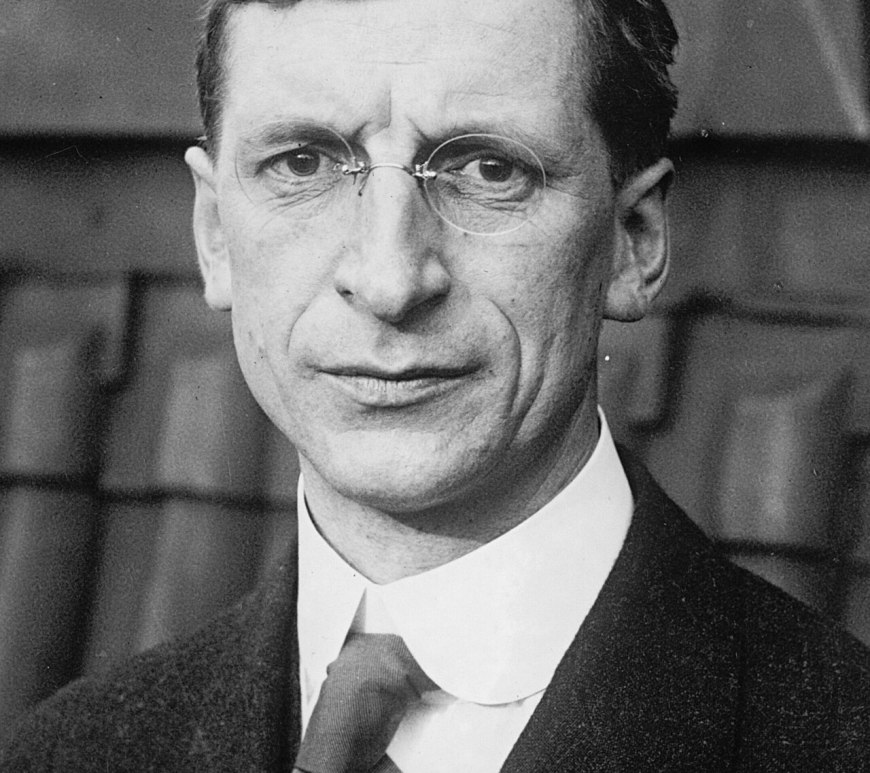
During the 20th century, Sinn Féin officially split three times and from these splits emerged some of the most central parties in Irish politics. In this second blog of a two-blog series, our Public Engagement Assistant, Kirsty O’Rourke, discusses the reasons behind the party splits. As discussed in an earlier blog, Sinn Féin (translated as we ourselves) garnered popularity following the 1916 Easter Rising and became … Continue reading Sinn Féin: A 20th Century History of Party Splits

The origins of Sinn Féin

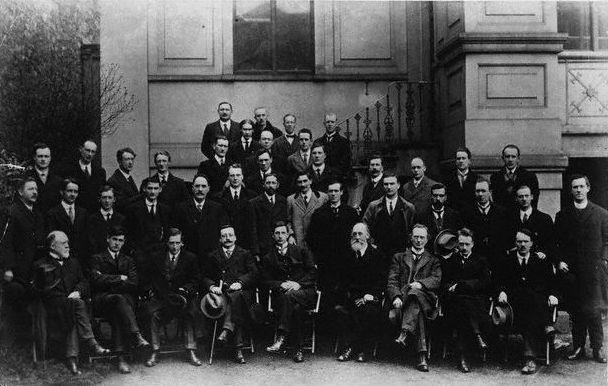
In a series of two blogs, our Public Engagement Assistant, Kirsty O’Rourke, will discuss the 20th century history of Sinn Féin. In this first blog, Kirsty looks at the origins of the party and its founder, Arthur Griffith. Throughout the 20th century, the Sinn Féin party (translated as we ourselves) underwent multiple changes and divisions. Between its formal founding of 1905 (Sinn Féin was not … Continue reading The origins of Sinn Féin

MPs and the coronation of Edward VII

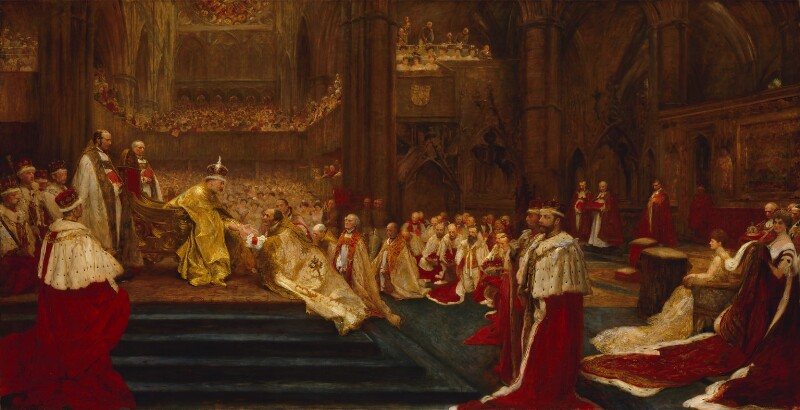
The members of the House of Lords have traditionally been far more involved with coronations than their Commons counterparts, and for the coronation of Edward VII it was Viscount Esher who worked closely with the king to plan the ceremony and adapt its traditions to suit the times. However, as this blog from Dr Kathryn Rix shows, MPs also played their part in coronation festivities … Continue reading MPs and the coronation of Edward VII