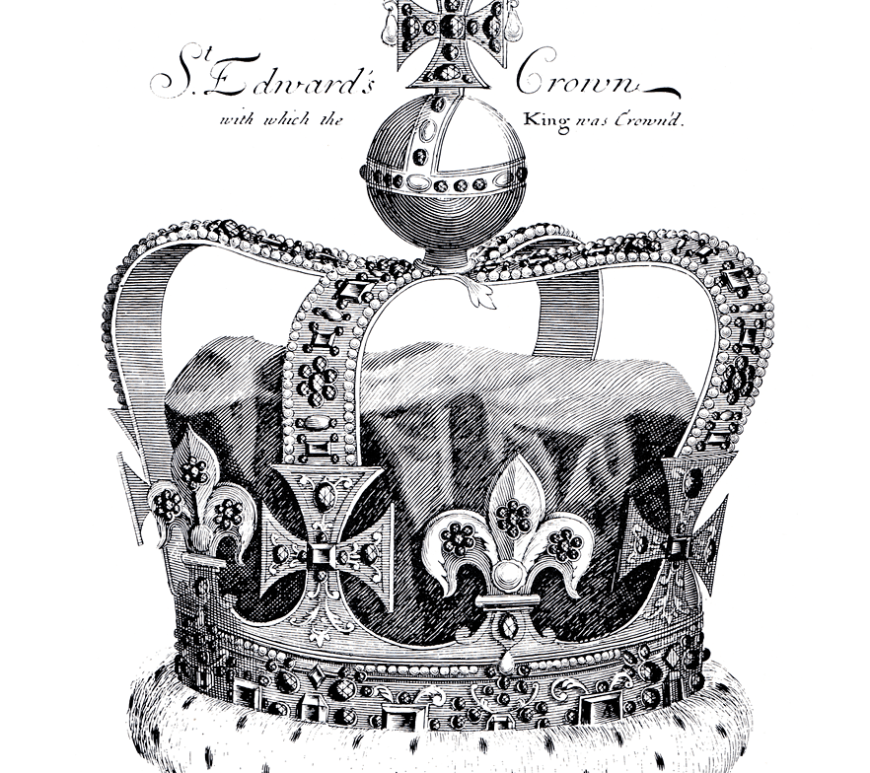
St Edward’s Crown: a Restoration gift from Parliament

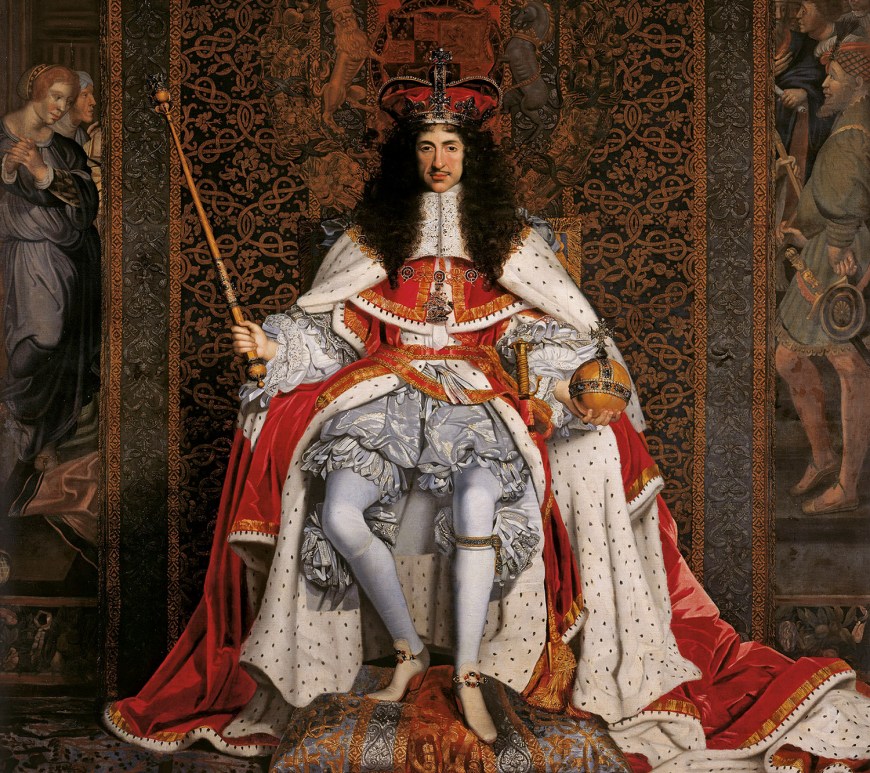
During the coronation of King Charles III this May, he will be crowned with the St Edward’s Crown. Dr Andrew Barclay, senior research fellow of our House of Lords 1640-1660 project, reflects on the origin of this crown and its purpose as a gift to an earlier King Charles. The central act of King Charles III’s coronation on 6 May will be his crowning with the … Continue reading St Edward’s Crown: a Restoration gift from Parliament

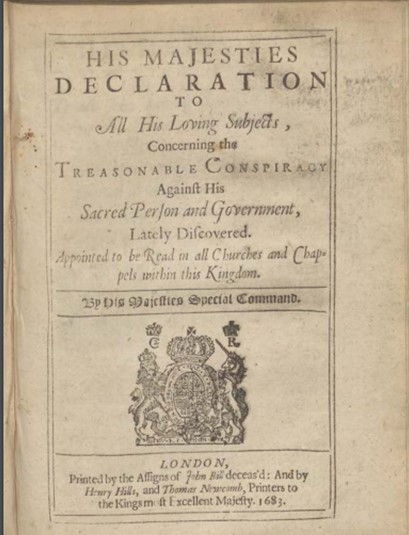
March 1672: The Declaration of Indulgence

In March 1672 Charles II issued a document to remove harsh sanctions against religious non-conformity. But what brought about this ‘Declaration of Indulgence’ and why was a supposedly tolerant measure met with heavy criticism? History of Parliament Director Dr Paul Seaward explores… On 15 March 1672, 350 years ago, the English government issued a document headed His Majesty’s Declaration to all his loving subjects, but … Continue reading March 1672: The Declaration of Indulgence

The Mystery of the ‘Black Box’ and the ‘true’ heirs of Charles II

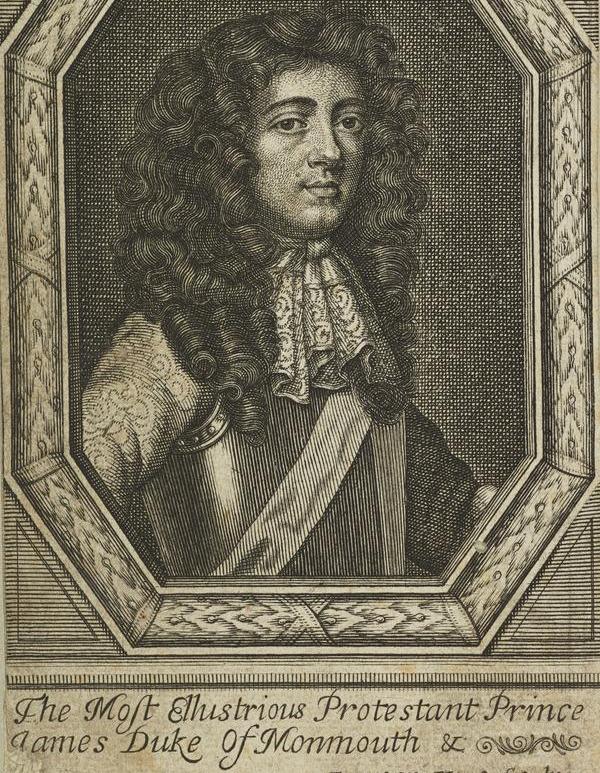
In the latest blog for the Georgian Lords, Dr Robin Eagles probes the mysteries of the ‘black box’ that was supposed to contain proof of Charles II’s marriage to his mistress, Lucy Walters, and how the family of the duke of Monmouth eventually made its way back into the House of Lords. In February 1735 Parliament was faced with a petition lodged by the Scots … Continue reading The Mystery of the ‘Black Box’ and the ‘true’ heirs of Charles II

The Return of Charles II, 29 May 1660

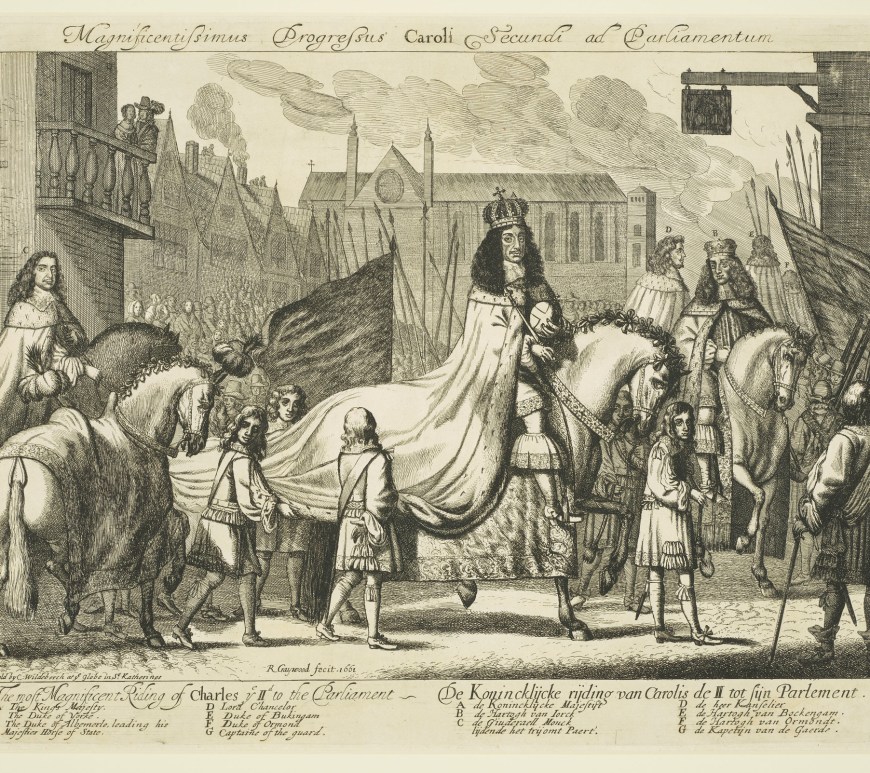
In today’s blog Dr Andrew Barclay, senior research fellow in our Commons 1640-1660 project, returns to his exploration of the days leading up to the restoration of Charles II. In this final instalment, we turn to 29 May 1660, as Charles entered London as King for the first time… Charles II entered London in triumph on 29 May 1660, his 30th birthday. Three weeks earlier … Continue reading The Return of Charles II, 29 May 1660

Towards the Restoration of the Monarchy, 1-8 May 1660

Today’s blog from Dr Andrew Barclay, senior research fellow for our Commons 1640-1660 project, is the second in a three-part series about the parliament responsible for the restoration of the monarchy in 1660 (part one available here). In this piece he explores the process that led to the accession of Charles II on 8 May 1660… When the new Parliament met on 25 April 1660 … Continue reading Towards the Restoration of the Monarchy, 1-8 May 1660

The Exclusion Parliaments

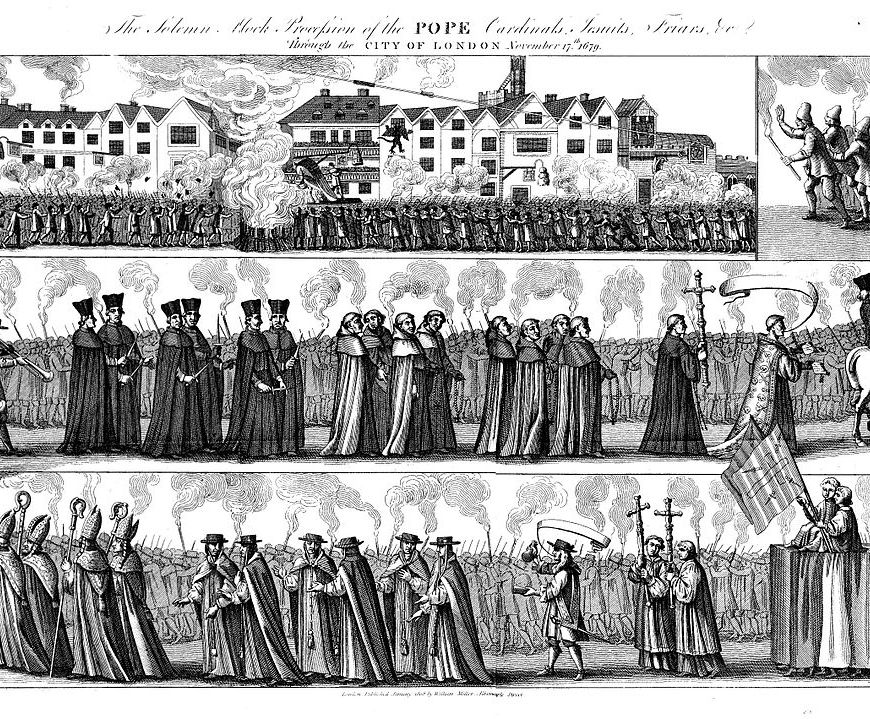
This blog from Paul Seaward, British Academy/Wolfson Research Professor at the History of Parliament Trust, is part of our Named Parliaments series. He explores the so-called exclusion crisis of the late seventeenth century. You might also be interested in Paul’s recent blog on the Cavalier Parliament. Three short Parliaments – those that assembled in March 1679, in October 1680, and March 1681 – are collectively … Continue reading The Exclusion Parliaments

The Cavalier Parliament

Our ‘Named Parliaments’ series continues. Today Paul Seaward, British Academy/Wolfson Research Professor at the History of Parliament Trust explores the Cavalier Parliament, the first Parliament after the Restoration of the monarchy in 1660… The Parliament elected in April 1661 was designed to sweep away the last vestiges of the English Revolution and restore the monarchy to its pre-Civil War glory. It was the Convention of … Continue reading The Cavalier Parliament

The importance of royal pardons in Restoration England.

The UK is celebrating the centenary of the passing of the Representation of the People Act 1918, which allowed some women to vote for the first time. This has enlivened a debate relating to the posthumous pardon of Suffragettes convicted of offences during the campaign for ‘Votes for Women’. The History of Parliament’s Director and editor of the Commons 1640-1660 section, Dr Stephen Roberts explains … Continue reading The importance of royal pardons in Restoration England.

Clarendon’s impeachment

Impeachment is a procedure rarely used in the British Parliament these days, but it is a procedure of historic importance, as discussed in our Director’s Blog here and in our post on its use in the early 17th century here. In today’s post our Director, Dr Paul Seaward, discusses the impeachment of the earl of Clarendon, 350 years ago… The impeachment of the earl of … Continue reading Clarendon’s impeachment

The Dismissal of Clarendon

350 years ago this month, the Lord Chancellor, Edward Hyde, earl of Clarendon, was dismissed following the disaster on the Medway. Our Director, Dr Paul Seaward, tells us more… On the evening of 30th August 1667 one of the two secretaries of state, Sir William Morrice, was sent by the King to the lord chancellor, Edward Hyde, earl of Clarendon in his grand, newly-completed palace … Continue reading The Dismissal of Clarendon