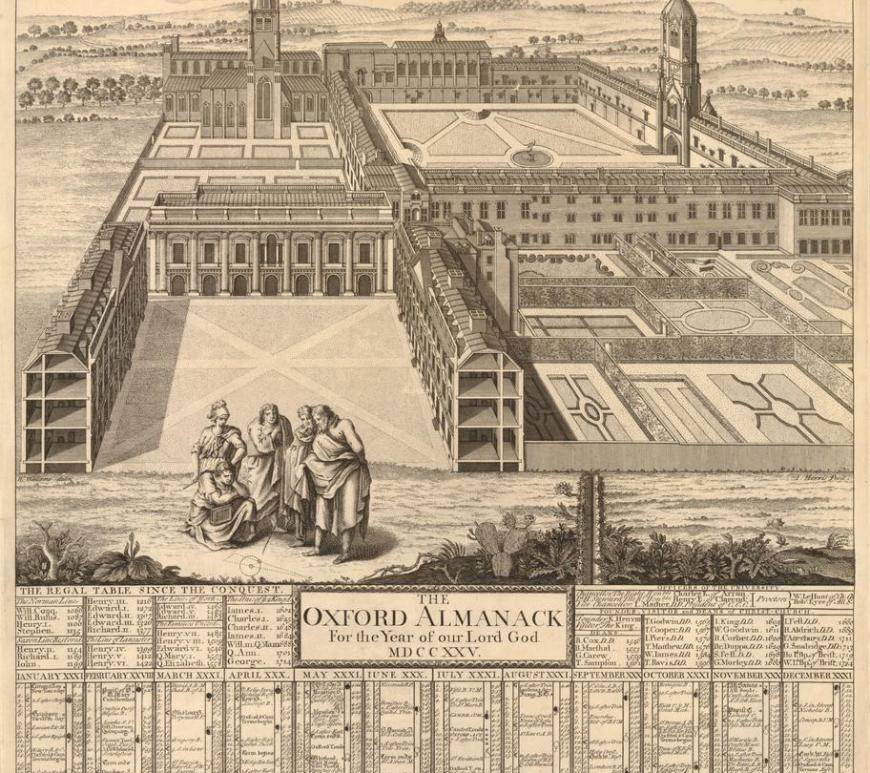
“Wilful murder by persons unknown”: death in an Oxford college (1747)

In the latest post for the Georgian Lords, Dr Robin Eagles examines an unpleasant incident that took place in Oxford in the 1740s, which left a college servant dead and several high profile students under suspicion of his murder… In April 1784, George Nevill, 17th Baron Abergavenny, was approached to ask whether he would accept promotion to an earldom. In the wake of Pitt the … Continue reading “Wilful murder by persons unknown”: death in an Oxford college (1747)

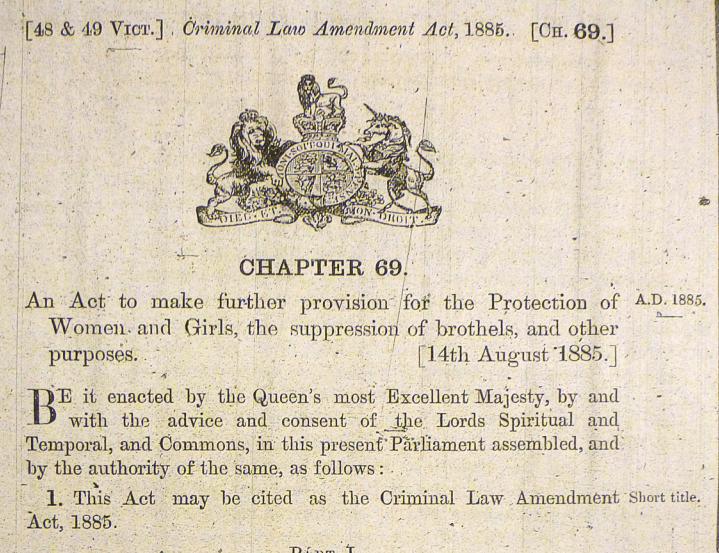
‘Abominable, unutterable, and worse than fables’: the campaign to pass the Criminal Law Amendment Bill

At the IHR Parliaments, Politics and People seminar on Tuesday 11 November, Steven Spencer of Birkbeck, University of London, will be discussing the campaign to pass the 1885 Criminal Law Amendment Act. The seminar takes place on 11 November 2025, between 5:30 and 6:30 p.m. It is fully ‘hybrid’, which means you can attend either in-person in London at the IHR, or online via Zoom. … Continue reading ‘Abominable, unutterable, and worse than fables’: the campaign to pass the Criminal Law Amendment Bill

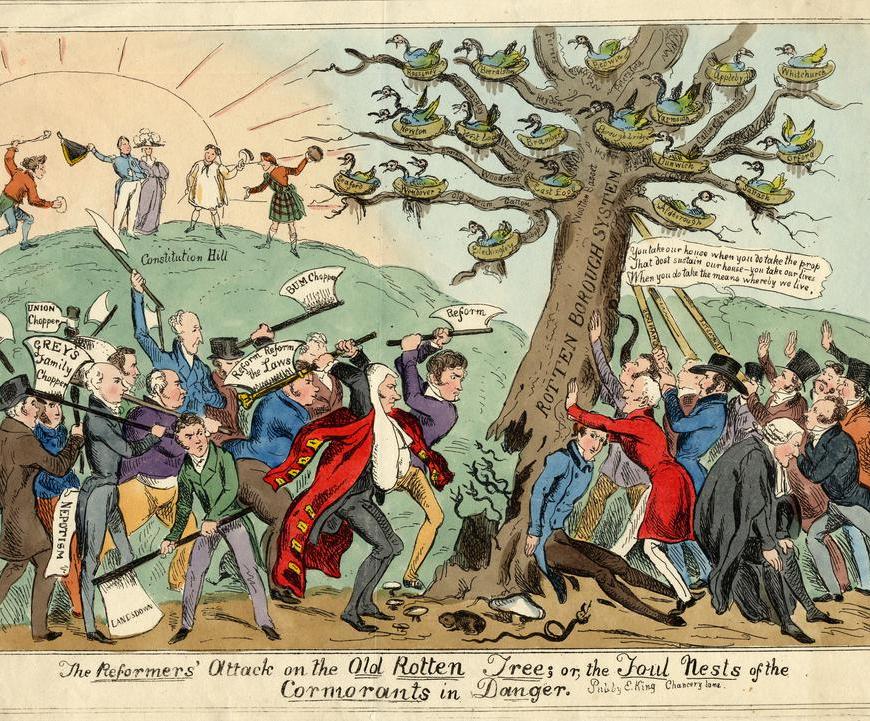
The 1832 Reform Act

‘Was the 1832 Reform Act “Great”?’ may not be the standard exam question it once was, but ongoing research about the Act’s broader legacy and impact on political culture, based on new resources and analytical techniques, continues to reshape our understanding of its place in modern British political development, as Dr Philip Salmon of our House of Commons, 1832-1945 project explains. For a 20 minute … Continue reading The 1832 Reform Act

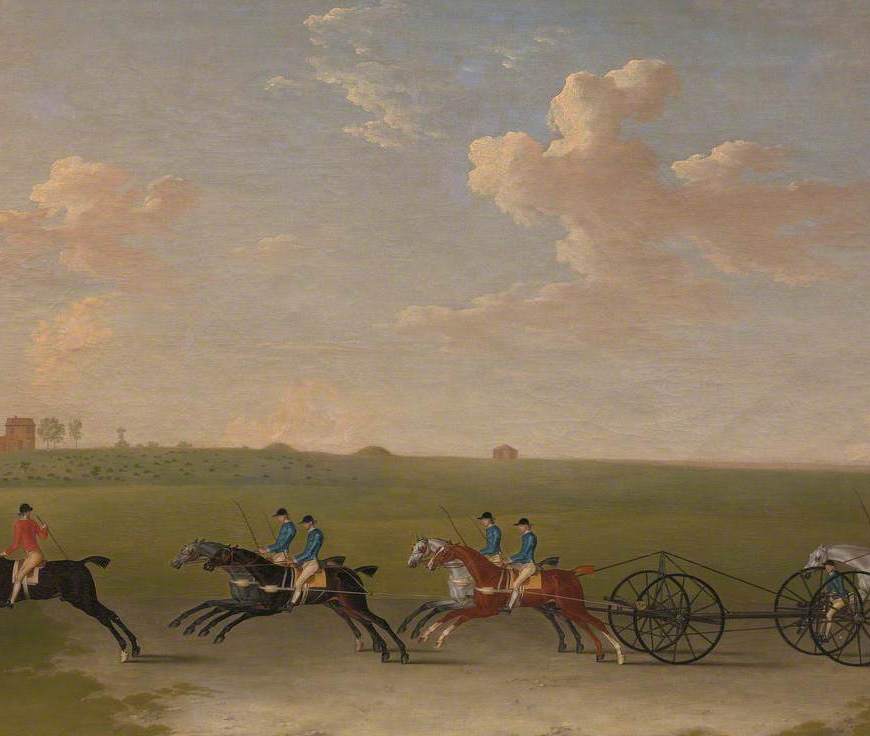
From Jockeys to Ministers: How Horse Racing Shaped Rockingham’s First Ministry

In the latest post for the Georgian Lords, we welcome Ioannes Chountis de Fabbri from the University of Aberdeen, who considers the importance of horse racing in the formation of the Rockingham administration of 1765. The structure of mid-eighteenth-century politics was often defined as much by social custom as by constitutional form. What Leslie Mitchell has called the ‘circle of acquaintances’ of the ruling, largely … Continue reading From Jockeys to Ministers: How Horse Racing Shaped Rockingham’s First Ministry

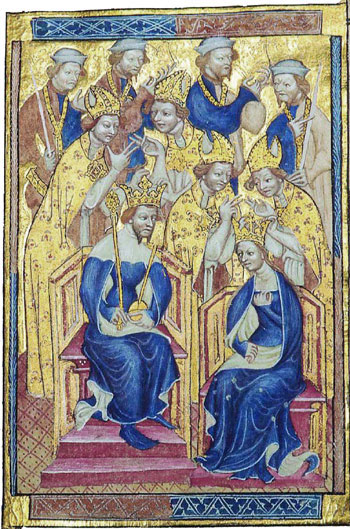
Did they believe in portents? Severe weather and other extreme natural phenomena in Walsingham’s Chronica Maiora and other late-medieval monastic chronicles

Dr Simon Payling, of our Commons 1461-1504 section, explores the theme of extreme weather in medieval chronicles. It is a familiar theme in medieval chronicles, whether monkish or secular, that extreme weather, natural disaster or even just unusual events were, or, at least, could be interpreted as, manifestations of divine interaction with the temporal world. At the most extreme, they were seen as expressions of God’s … Continue reading Did they believe in portents? Severe weather and other extreme natural phenomena in Walsingham’s Chronica Maiora and other late-medieval monastic chronicles

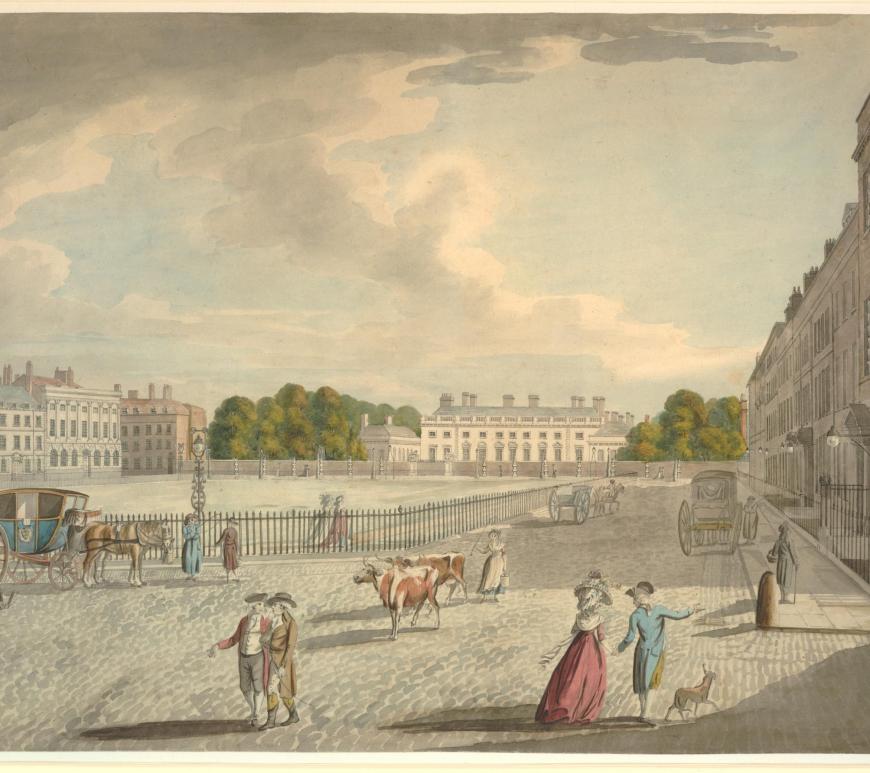
Bloomsbury Square and the Gordon Riots

For almost 20 years, Bloomsbury Square has been the home to the History of Parliament. In the latest post for the Georgian Lords, Dr Robin Eagles considers the history of the square in one of its most turbulent periods. Bloomsbury Square, and its immediate surroundings, have long been associated with prominent political figures. In 1706, several peers had residences in the square, notably the (2nd) … Continue reading Bloomsbury Square and the Gordon Riots

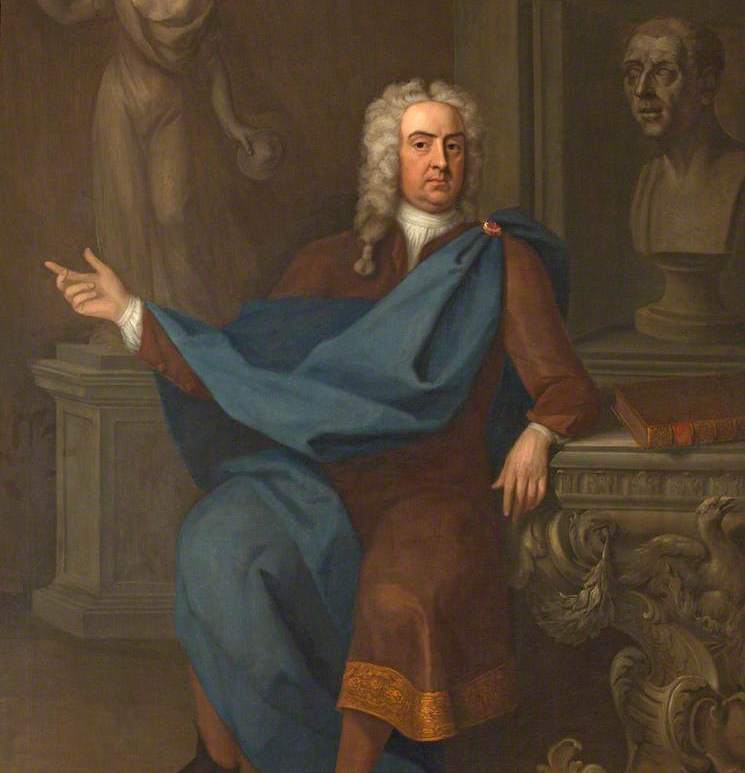
Painting of a man in 18th-century dress with a long grey wig, wearing a brown coat with a blue robe set among classical figures.

Some thoughts on William Pulteney, earl of Bath

The 31 May 2025 marks Dr Stuart Handley’s last day at the History of Parliament. One of his last biographies for The House of Lords, 1715-90 has been William Pulteney, earl of Bath. It will be the third History of Parliament biography of Pulteney, his long career having been covered by Dr Andrew Hanham in The House of Commons, 1690-1715, and by Dr Romney Sedgwick … Continue reading Some thoughts on William Pulteney, earl of Bath

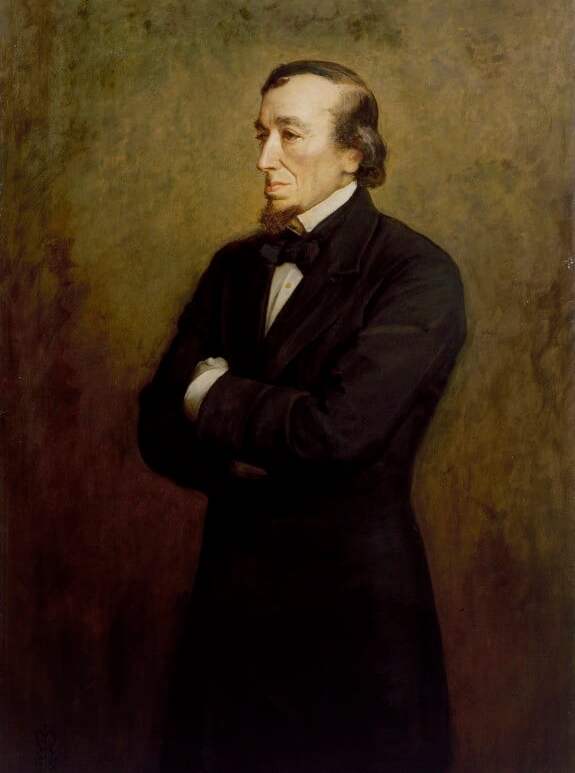
Disraeli and One Nation Conservatism

In this article our former colleague Dr Henry Miller explores the origins of the phrase ‘One Nation’, which is famously associated with the 19th century Conservative leader and prime minister Benjamin Disraeli (1803-81). He also explains its relevance to Disraeli’s career and its political legacy. The term ‘One Nation’ comes from Disraeli’s 1845 novel Sybil; or the two nations. After the young aristocrat Charles Egremont … Continue reading Disraeli and One Nation Conservatism

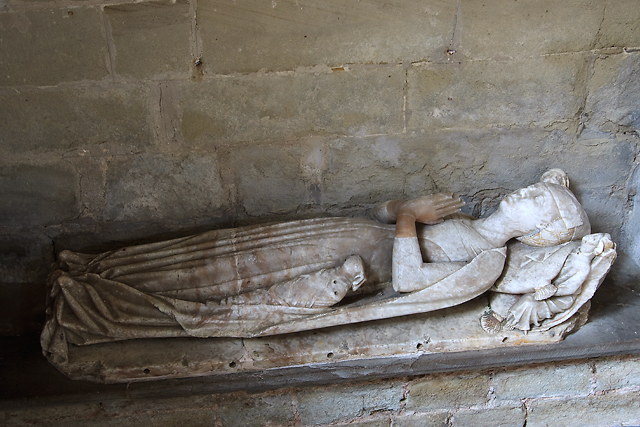
The story of a manor in memorials: the early tombs in the Shropshire church of Kinlet

The Shropshire church of Kinlet stands isolated in parkland, the village it once served re-sited in the early-eighteenth century on the building of the still-extant Kinlet Hall. It contains a fine series of memorials, the two earliest of which mark the end of one Kinlet dynasty, the Cornwalls, and the beginning of another, the Blounts. The first commemorates an early-fifteenth century heiress of the manor, … Continue reading The story of a manor in memorials: the early tombs in the Shropshire church of Kinlet

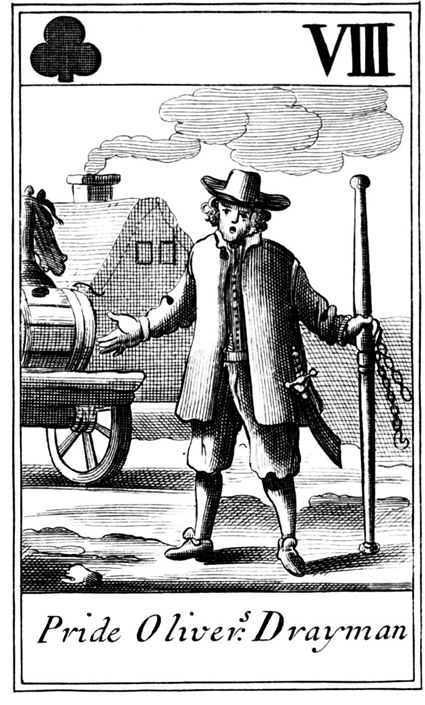
Oliver Cromwell’s ‘Other House’ and the perils of Lords ‘reform’

In this guest post, Dr Jonathan Fitzgibbons of Lincoln University, looks at a constitutional issue from the 1650s with obvious contemporary relevance: the place of the House of Lords. As politicians continue to debate the House of Lords’ future, including legislation to eliminate its remaining hereditary peers, they might draw lessons from its past. Particularly instructive are the events of the English Revolution, which saw … Continue reading Oliver Cromwell’s ‘Other House’ and the perils of Lords ‘reform’