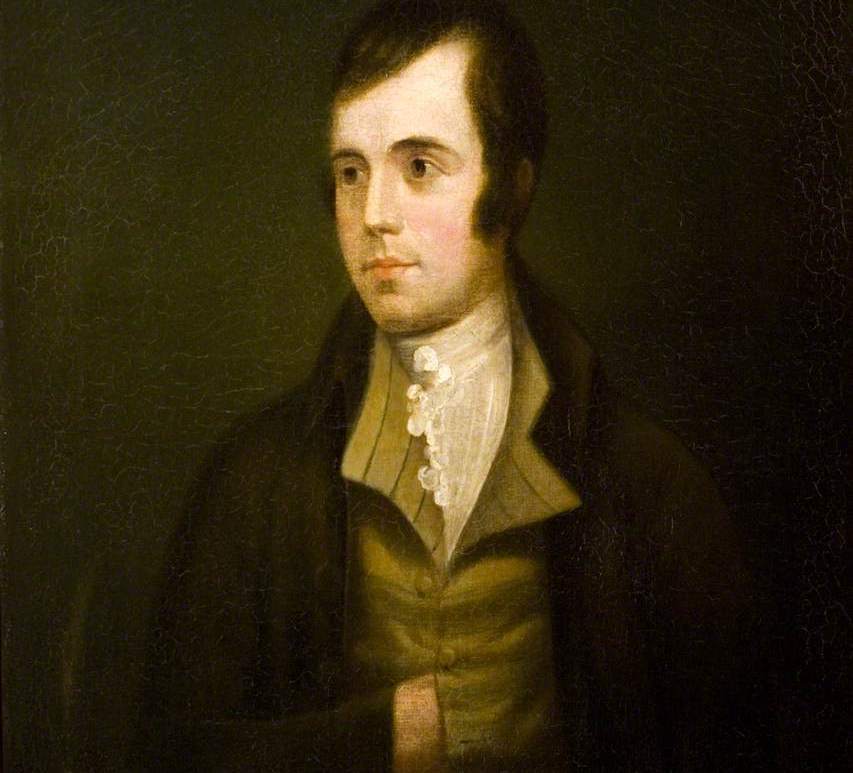
Portrait of a young man with dark hair wearing 18th-century clothing, a dark coat and a buff waistcoat

Robert Burns in Edinburgh: peers, patrons, and politics

In the wake of Burns Night, it is worth considering how the patronage of a small number of Scottish nobles helped Robert Burns become established as the national bard. In his latest piece for the Georgian Lords, Dr Charles Littleton, considers the important role played by a clutch of elite Scots families. Burns first published his Poems, Chiefly in the Scottish Dialect, in Kilmarnock in … Continue reading Robert Burns in Edinburgh: peers, patrons, and politics

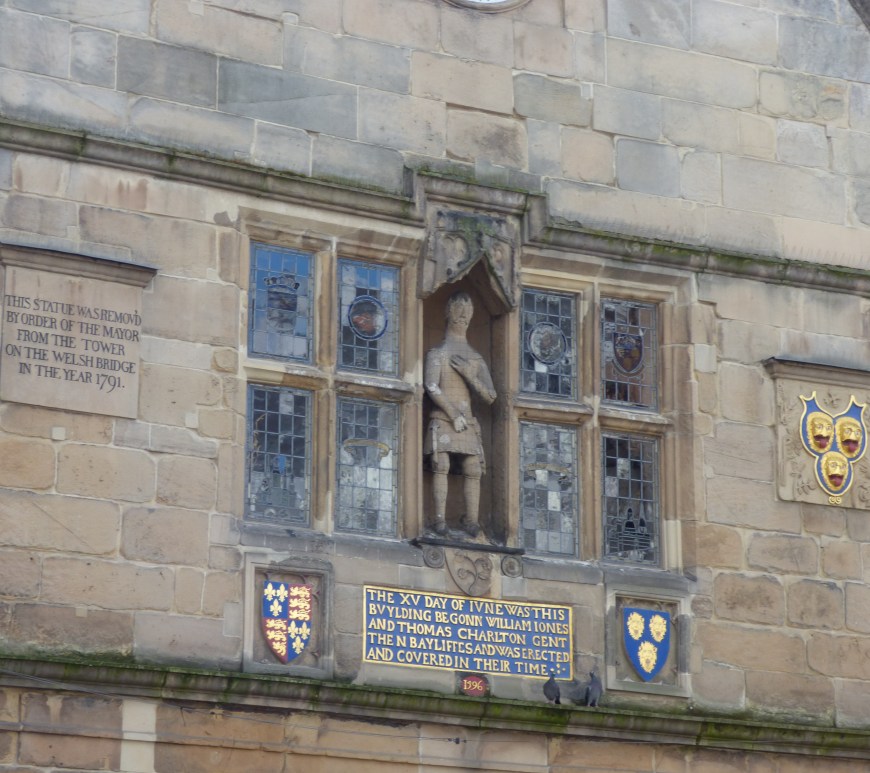
The town of Shrewsbury and the Wars of the Roses: The campaigns of 1459-61

Dr Simon Payling, of our Commons 1461-1504 section, explores the political allegiance of the Shropshire town of Shrewsbury during the Wars of the Roses. While, during the Wars of the Roses, the political allegiances of individual noblemen are relatively easy to determine, those of individual towns are generally obscured. This is not surprising, for the notion of the corporate allegiance of a town is a … Continue reading The town of Shrewsbury and the Wars of the Roses: The campaigns of 1459-61

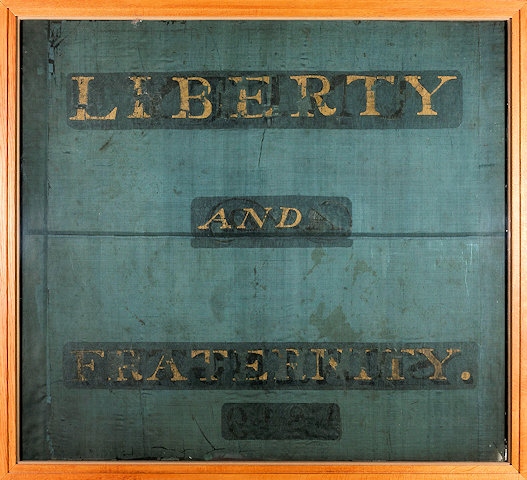
Producing, Performing and Curating Radicalism: How was radical material culture produced, used and curated in early 19th century Britain?

Ahead of next Tuesday’s Parliaments, Politics and People seminar, we hear from Dr Caitlin Kitchener. On 28 January Caitlin will discuss the production, use and curation of radical material culture in the early nineteenth century. The seminar takes place on 28 January 2025, between 5:30 and 6.30 p.m. It will be hosted online via Zoom. Details of how to join the discussion are available here. … Continue reading Producing, Performing and Curating Radicalism: How was radical material culture produced, used and curated in early 19th century Britain?

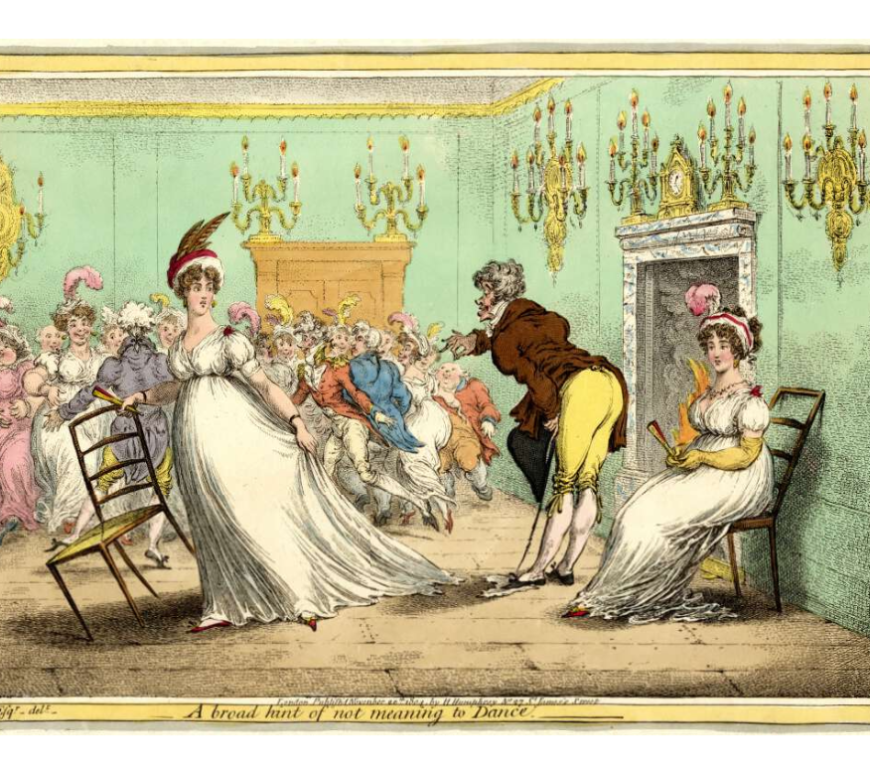
A ‘cook’d up’ affair: Queen Charlotte’s 1794 Epiphany Ball

The Court of George III and Queen Charlotte has often been characterized as a rather dull affair, a stark contrast to the more glitzy events on offer in the household of their son, the Prince of Wales. Just how ad hoc things might be is perhaps not quite as much appreciated. In the latest article for the Georgian Lords, Dr Robin Eagles considers Queen Charlotte’s … Continue reading A ‘cook’d up’ affair: Queen Charlotte’s 1794 Epiphany Ball

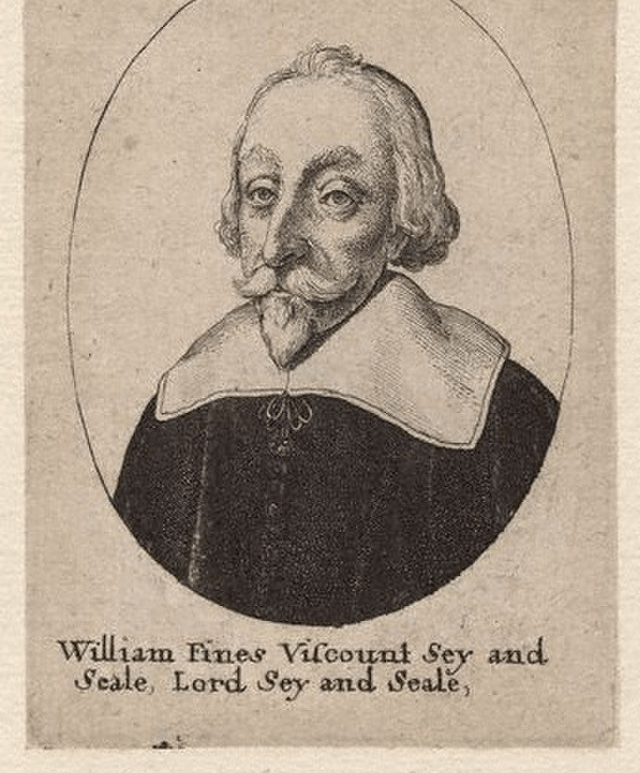
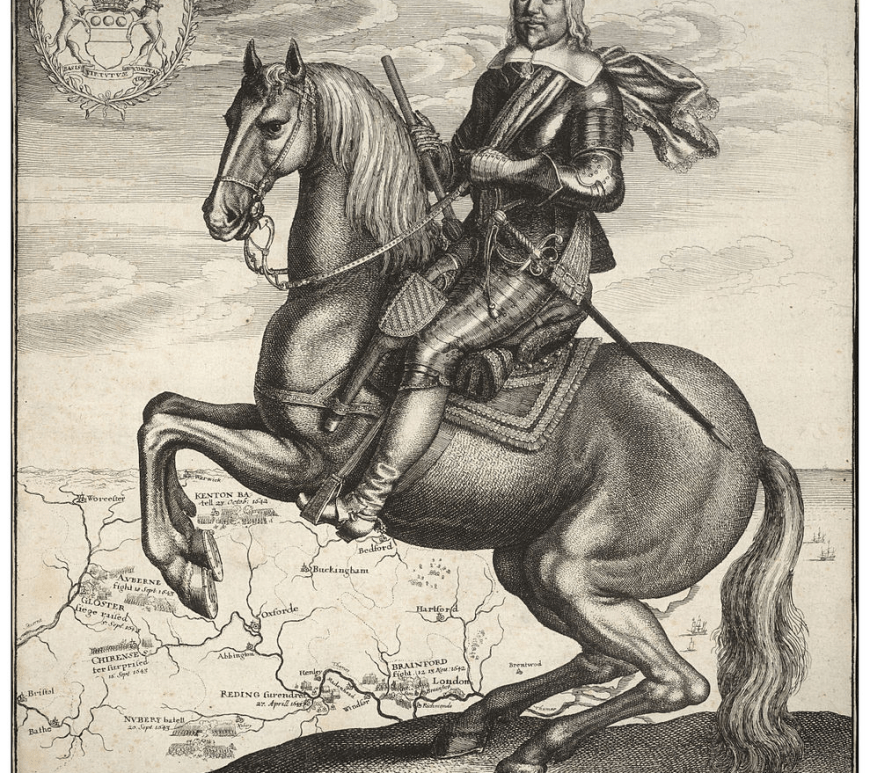
Lord Saye and Sele and the Battle for Oxford

In our first ‘Revolutionary Stuart Parliaments‘ article of 2025, Editor of the 1640-60 House of Lords section, Dr David Scott, considers the leading parliamentarian peer, Viscount Saye and Sele, and his relationship with the archbishop of Canterbury, William Laud. ‘The Warre was begun in our streets before the King or Parliament had any Armies’ concluded the renowned church leader Richard Baxter about the outbreak of … Continue reading Lord Saye and Sele and the Battle for Oxford

Cynog Dafis: Britain’s first Green MP?

While Caroline Lucas is commonly referred to as Britain’s first Green Member of Parliament, Cynog Dafis, who entered parliament as the Plaid Cymru MP for Ceredigion and North Pembrokeshire nearly twenty years earlier, could also claim this title. Alfie Steer explores Dafis’ political career, and the unusual electoral alliance between Plaid Cymru and the Green Party in the 1990s. The 2024 general election saw the … Continue reading Cynog Dafis: Britain’s first Green MP?

‘Friendship and alliance’: the marquess of Hertford and the earl of Essex

In the latest Revolutionary Stuart Parliaments article, Dr Patrick Little looks at the relationship between two brothers-in-law who ended up on opposing sides during the civil war. William Seymour, 2nd earl (and later 1st marquess) of Hertford married Frances Devereux, sister of Robert Devereux, 3rd earl of Essex, in 1617. This was a match between two powerful families, both of which had experienced the ups … Continue reading ‘Friendship and alliance’: the marquess of Hertford and the earl of Essex

John London: Britain’s First Black Voter?

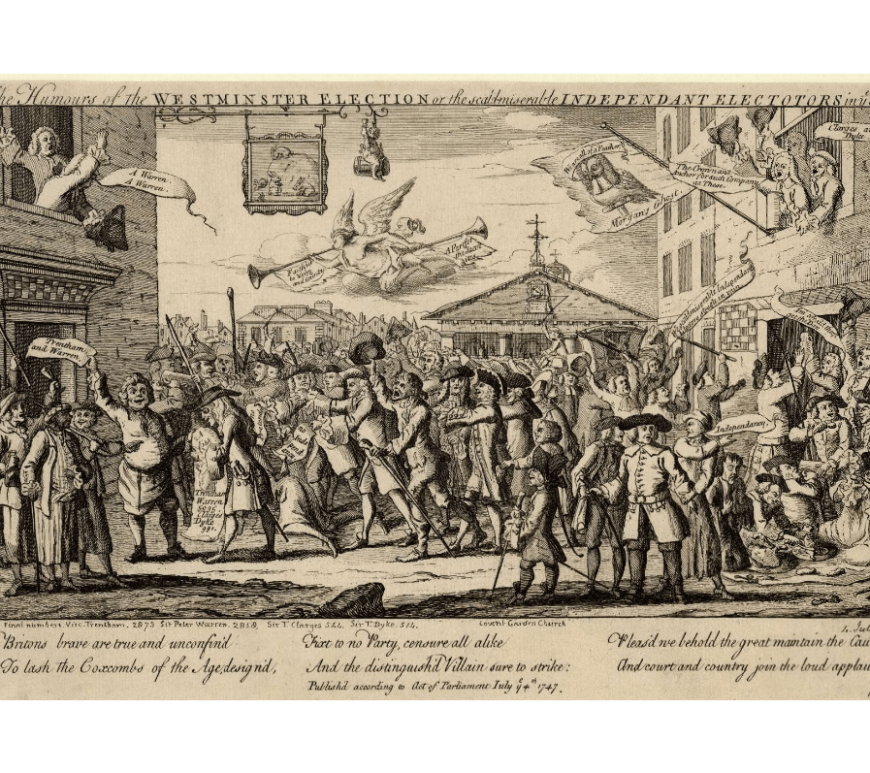
At first glance, the 1749 Westminster constituency by-election does not seem to warrant too much attention, with the incumbent, Viscount Trentham, being re-elected following his appointment to office. However, as Dr Gillian Williamson explores, the election provides the earliest known record of a Black person voting in a British parliamentary election – John London. In November 1749 John London walked from his home to vote … Continue reading John London: Britain’s First Black Voter?

The day Parliament was invaded

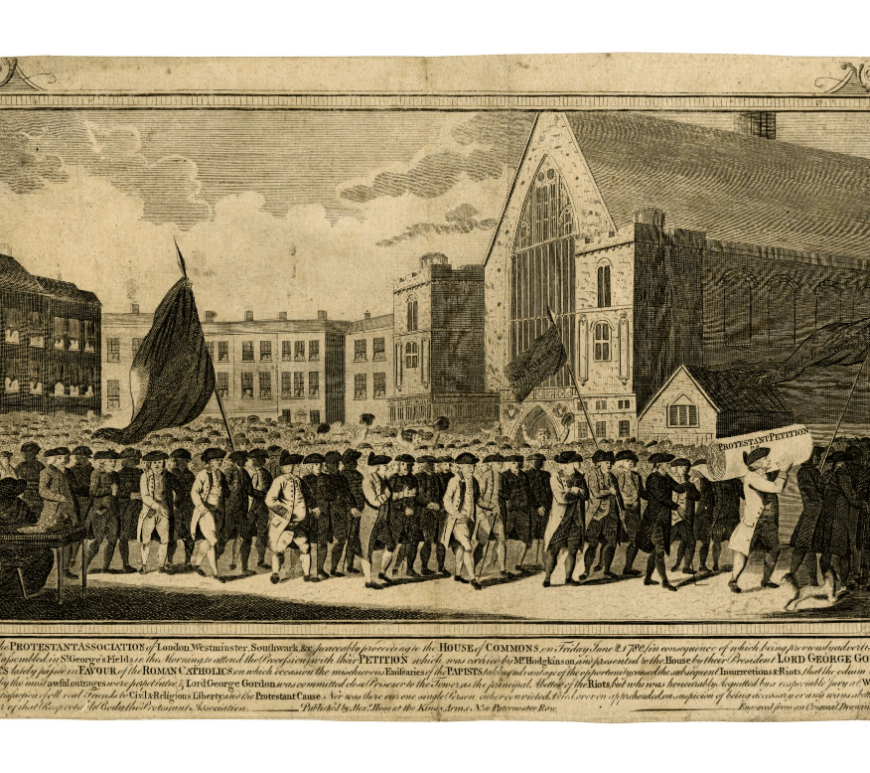
In the summer of 1780 London, and several other cities across England, experienced some of the worst rioting they had seen in a generation, following the presentation of a petition to Parliament calling for the repeal of the Catholic Relief Act. In the latest post for the Georgian Lords, Dr Robin Eagles considers the evidence of Lord George Gordon’s trial report and the insights it … Continue reading The day Parliament was invaded

‘The most surprising instance of a change of fortune raised by a man himself’: the case of James Brydges, 1st duke of Chandos

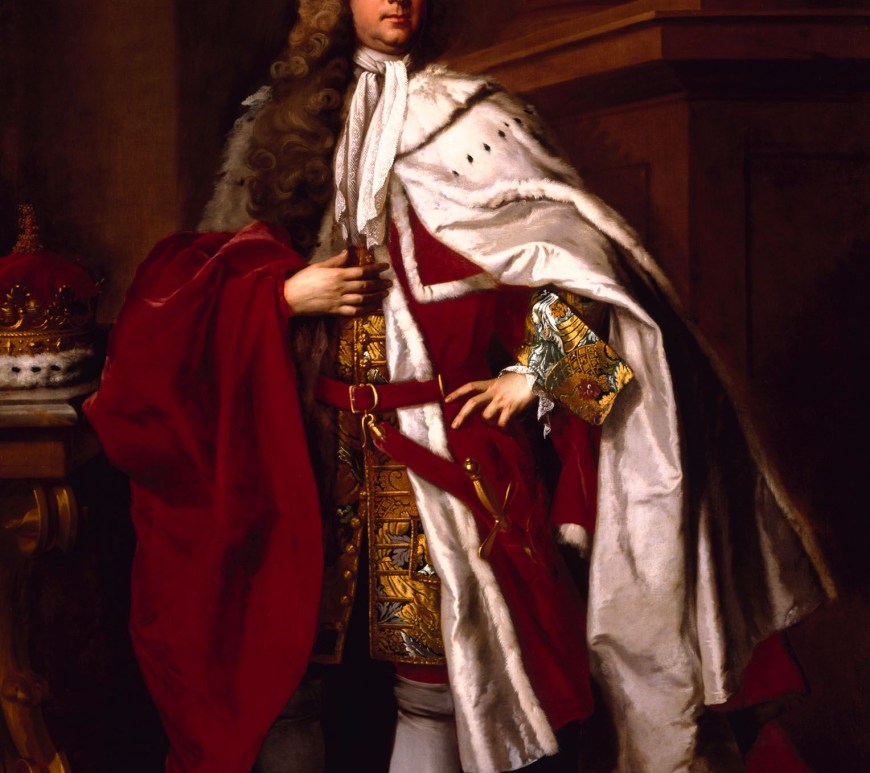
In the latest blog for the Georgian Lords, Dr Charles Littleton, considers the career of the 1st duke of Chandos, a man who rose to become one of the most flamboyant peers of the early 18th century and a key patron of the composer, Handel. Last month saw the 280th anniversary of the death of an intriguing and, in his time, prominent 18th-century aristocrat. Intriguing, … Continue reading ‘The most surprising instance of a change of fortune raised by a man himself’: the case of James Brydges, 1st duke of Chandos