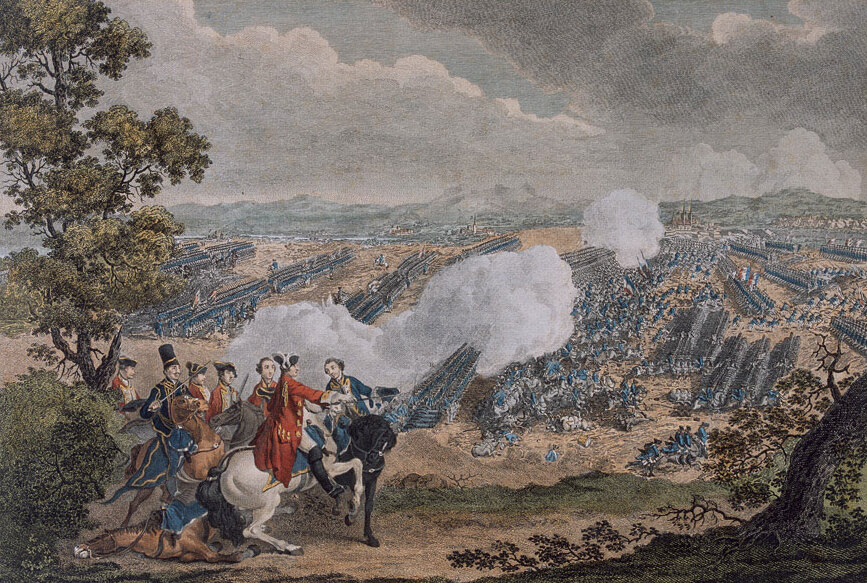
Putting ‘spirit in the conduct of the war’: the November 1775 government reshuffle

In his last post for the Georgian Lords, From bills to bullets: Spring 1775 and the approach to war in America, on the advent of the American War of Independence, Dr Charles Littleton left things hanging with the prorogation on 26 May 1775. Now, he continues the story into the autumn with the declaration of war and a key government reshuffle. Following the prorogation of … Continue reading Putting ‘spirit in the conduct of the war’: the November 1775 government reshuffle

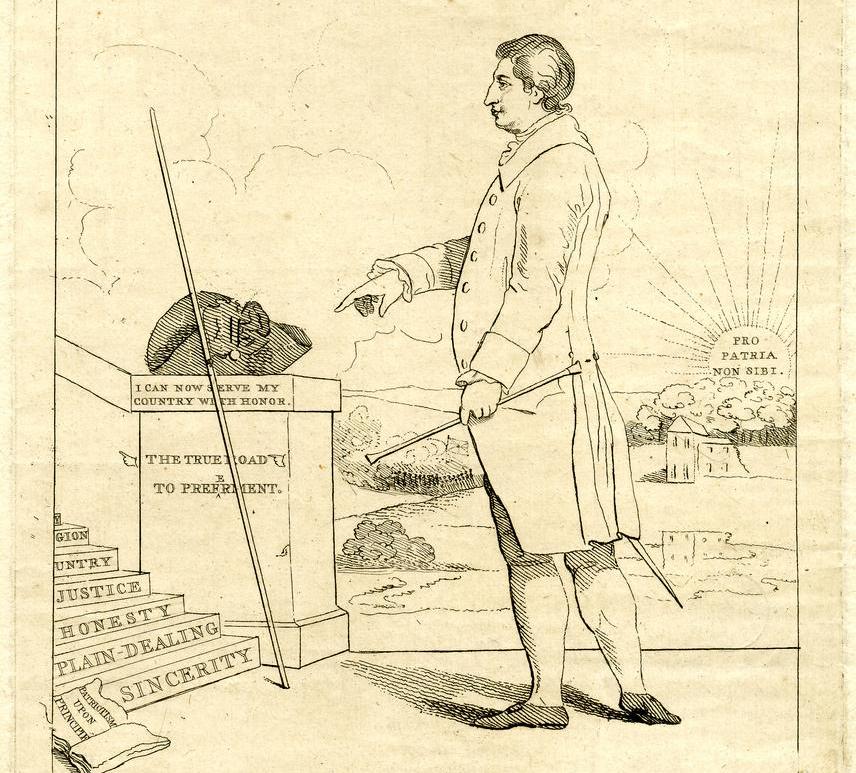
From bills to bullets: Spring 1775 and the approach to war in America

A recent article in this series [Background to the American Revolution] looked at the debates in the House of Lords in early February 1775 on a bill for conciliation with the American colonies. After its rejection the imperial crisis continued to occupy the House’s attention. In the latest post for the Georgian Lords, Dr Charles Littleton considers the debates and divisions occasioned by the addresses, … Continue reading From bills to bullets: Spring 1775 and the approach to war in America

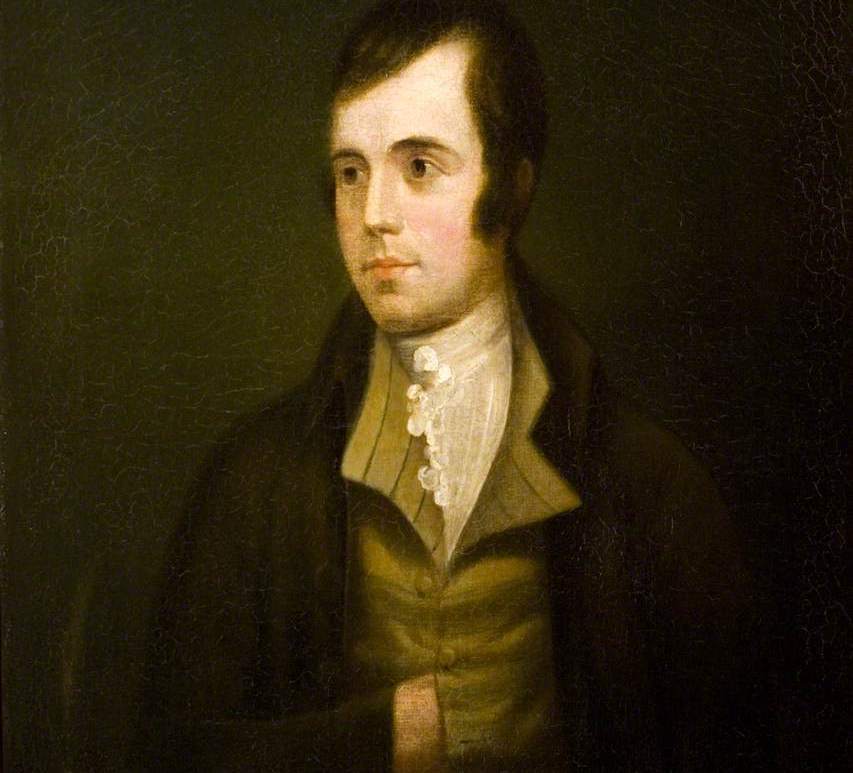
Portrait of a young man with dark hair wearing 18th-century clothing, a dark coat and a buff waistcoat

Robert Burns in Edinburgh: peers, patrons, and politics

In the wake of Burns Night, it is worth considering how the patronage of a small number of Scottish nobles helped Robert Burns become established as the national bard. In his latest piece for the Georgian Lords, Dr Charles Littleton, considers the important role played by a clutch of elite Scots families. Burns first published his Poems, Chiefly in the Scottish Dialect, in Kilmarnock in … Continue reading Robert Burns in Edinburgh: peers, patrons, and politics

‘The most surprising instance of a change of fortune raised by a man himself’: the case of James Brydges, 1st duke of Chandos

In the latest blog for the Georgian Lords, Dr Charles Littleton, considers the career of the 1st duke of Chandos, a man who rose to become one of the most flamboyant peers of the early 18th century and a key patron of the composer, Handel. Last month saw the 280th anniversary of the death of an intriguing and, in his time, prominent 18th-century aristocrat. Intriguing, … Continue reading ‘The most surprising instance of a change of fortune raised by a man himself’: the case of James Brydges, 1st duke of Chandos

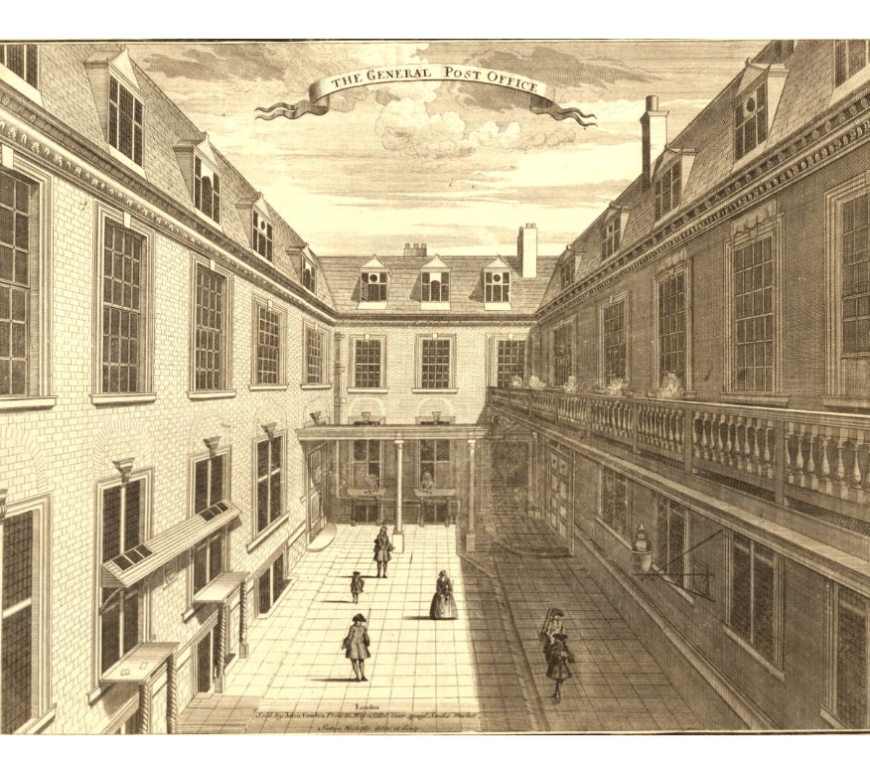
‘A very good bed for old courtiers to rest in’: The 18th-century Post Office and its Postmasters-General

Much attention has concentrated recently on the scandal surrounding the Post Office’s prosecutions of numerous sub-postmasters and -mistresses. The 18th-century Post Office was established and run on very different lines than that of today, but as Dr Charles Littleton shows, it too was not immune from scandal, parliamentary scrutiny, or partisan politics. The Post Office Act of 1711 had established a single Post Office for … Continue reading ‘A very good bed for old courtiers to rest in’: The 18th-century Post Office and its Postmasters-General

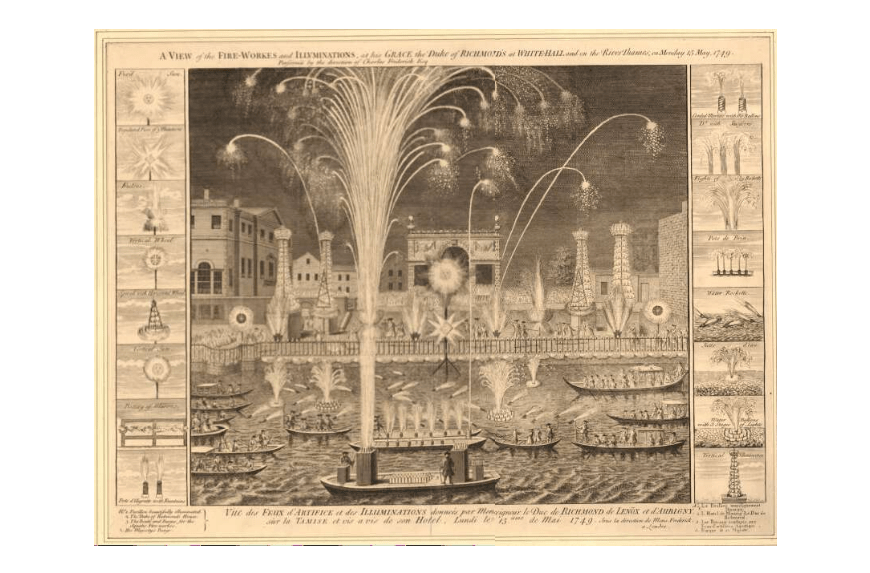
Loud enough to wake the dead? Fireworks and celebration in the mid-18th century

With Guy Fawkes night almost upon us, we can expect to see and hear fireworks going off all across the country. A previous blog showed how throughout the late 17th century, fireworks and bonfires were used to mark the momentous events of the Glorious Revolution and William III’s wars with France. [Making ‘night like day’] As Dr Charles Littleton shows, that tradition continued into the … Continue reading Loud enough to wake the dead? Fireworks and celebration in the mid-18th century

‘Kind patron of the mirthful fray’: the English aristocracy and cricket in the 18th century

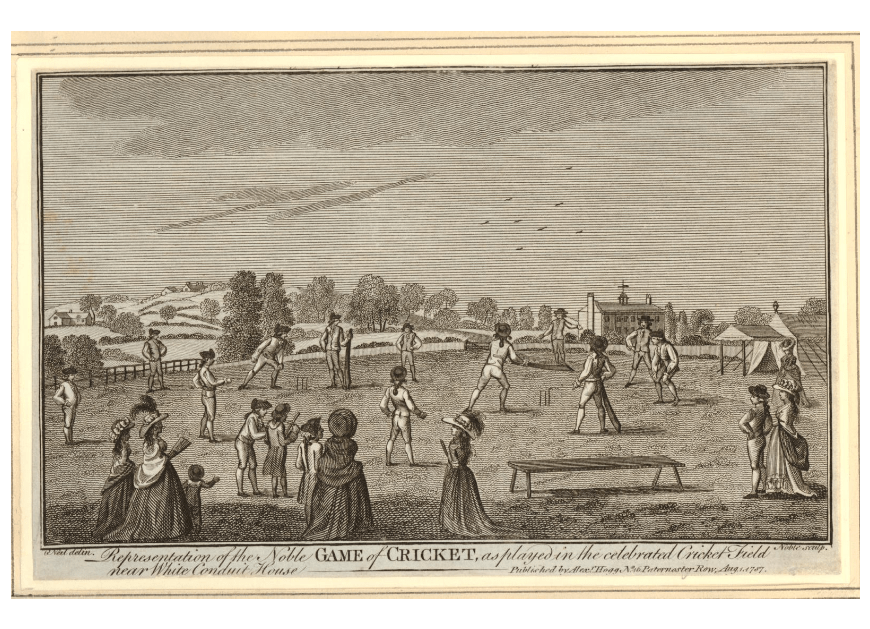
The Ashes Test series currently under way provides an opportunity to consider the English aristocracy’s role in cricket’s early development in the 18th century. In this blog for the Georgian Lords Dr Charles Littleton looks back at some of the early developers of the game. Foremost among cricket’s early patrons (according to rank) was the heir to the throne, Frederick, Prince of Wales. Within three … Continue reading ‘Kind patron of the mirthful fray’: the English aristocracy and cricket in the 18th century

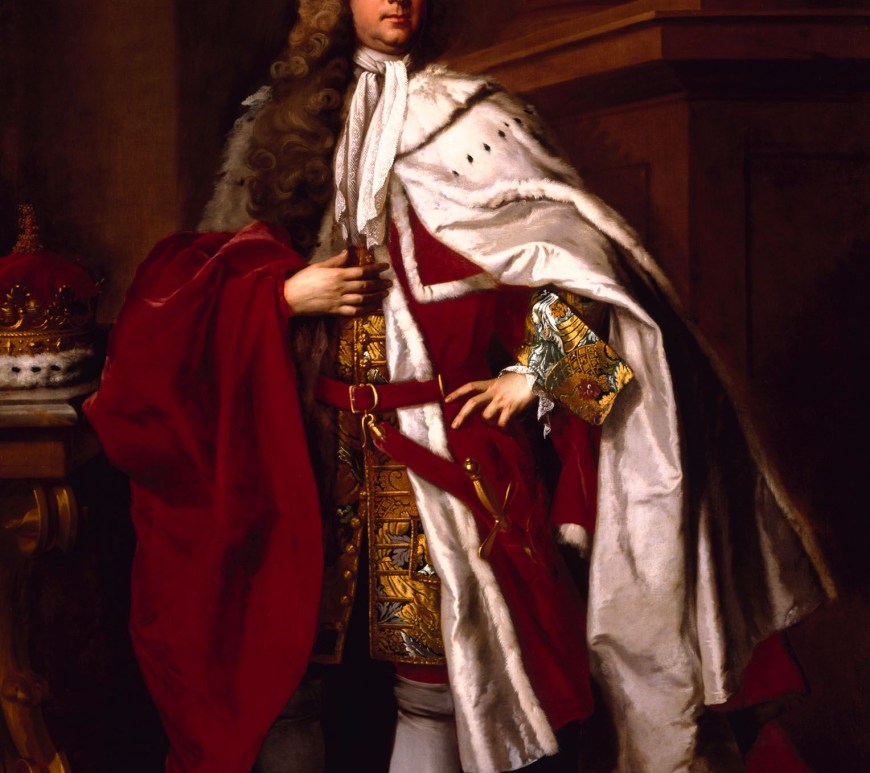
‘The most solemn, magnificent, and sumptuous ceremony’: The coronation of George II and Queen Caroline, 11 October 1727

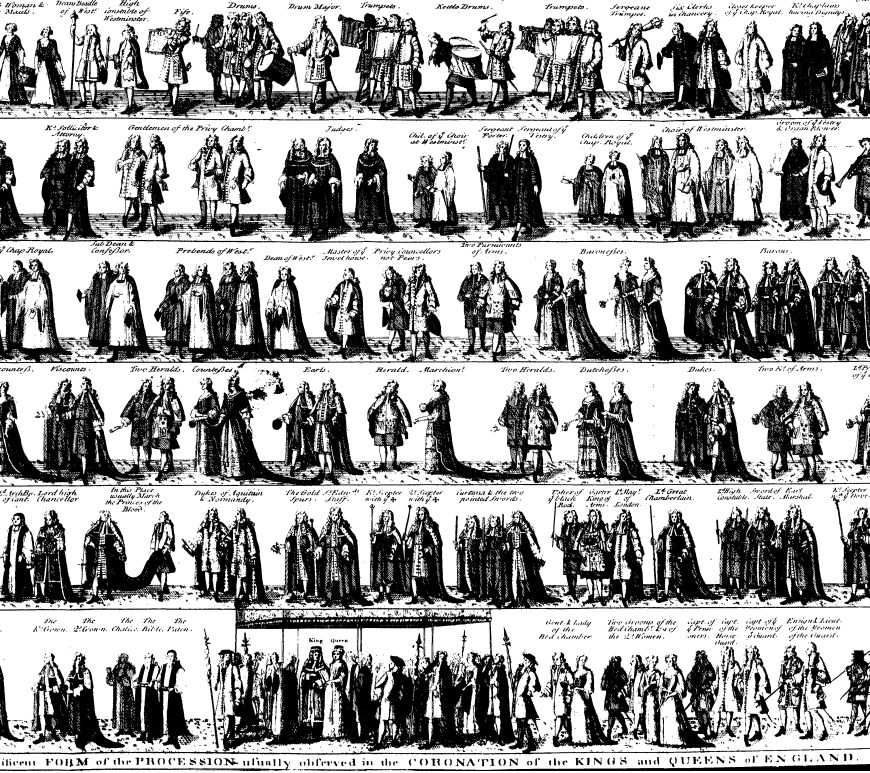
Contemporaries were agreed that the coronation of George II and Queen Caroline on 11 October 1727 was spectacular. In our second Coronation-themed blog, Dr Charles Littleton looks back on the event and considers the roles played by some of those involved in it. For the Swiss traveller César de Saussure the coronation of 1727 was ’the most solemn, magnificent, and sumptuous ceremony it is anyone’s … Continue reading ‘The most solemn, magnificent, and sumptuous ceremony’: The coronation of George II and Queen Caroline, 11 October 1727

Parliament’s Committees of Privileges

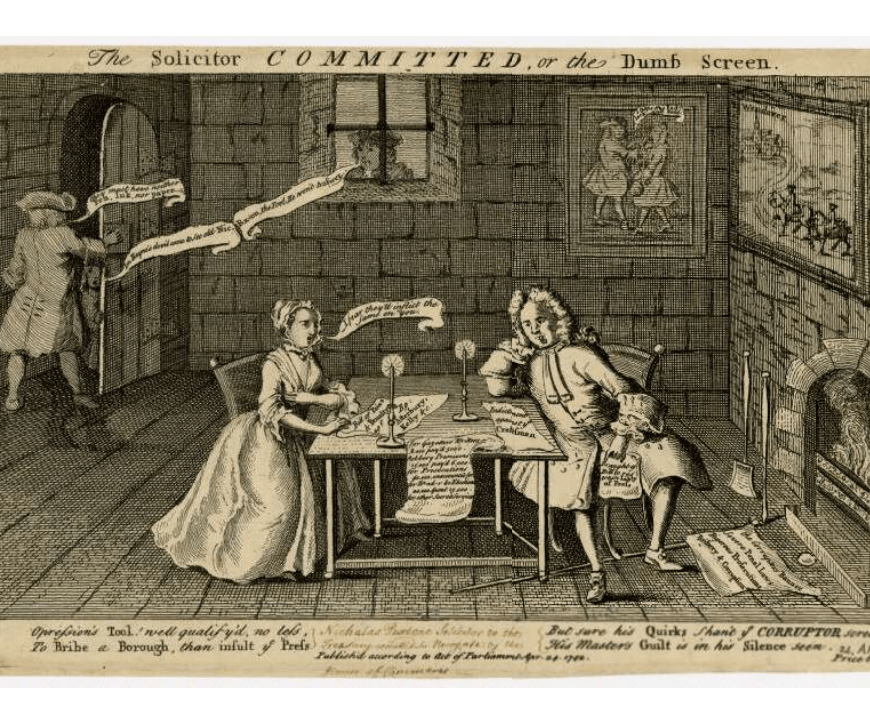
The House of Commons Committee of Privileges has its origins in 1995 when, in the light of scandals such as ‘cash for questions’, a Committee of Standards and Privileges was established to monitor and regulate the conduct of MPs. In 2012 it was divided into separate committees, one for Standards and the other for Privileges, and the latter has been in the news recently over … Continue reading Parliament’s Committees of Privileges

Of Pretenders and Prime Ministers: Robert Walpole and the Atterbury Plot 300 years on

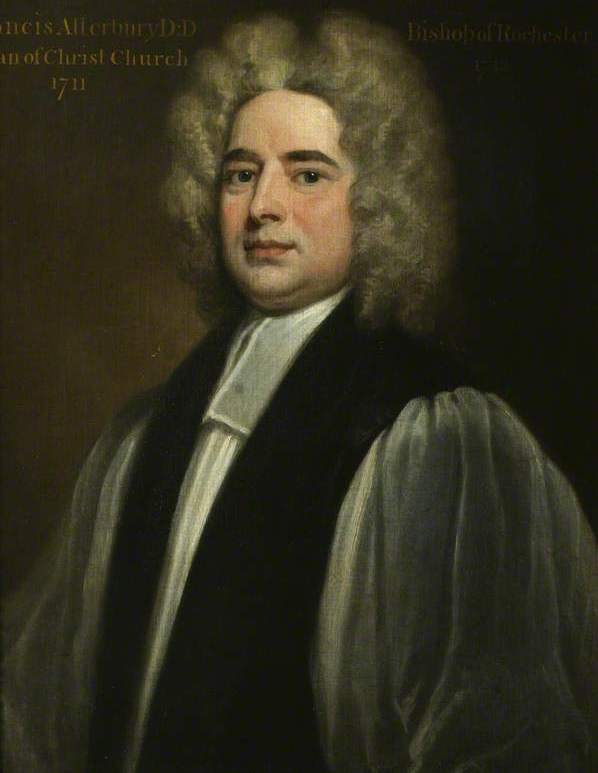
As 2022 draws to an end Dr Charles Littleton considers the tercentenary of the Atterbury Plot, the failed plan for a Jacobite insurrection in England in 1722. The investigation of the conspiracy by Parliament in 1722-23 had far-reaching effects, as it consolidated the incoming premiership of Robert Walpole and contributed to the weakening of English Jacobitism. As its name suggests, the direction of the ‘Plot’ … Continue reading Of Pretenders and Prime Ministers: Robert Walpole and the Atterbury Plot 300 years on