MPs and the Second World War

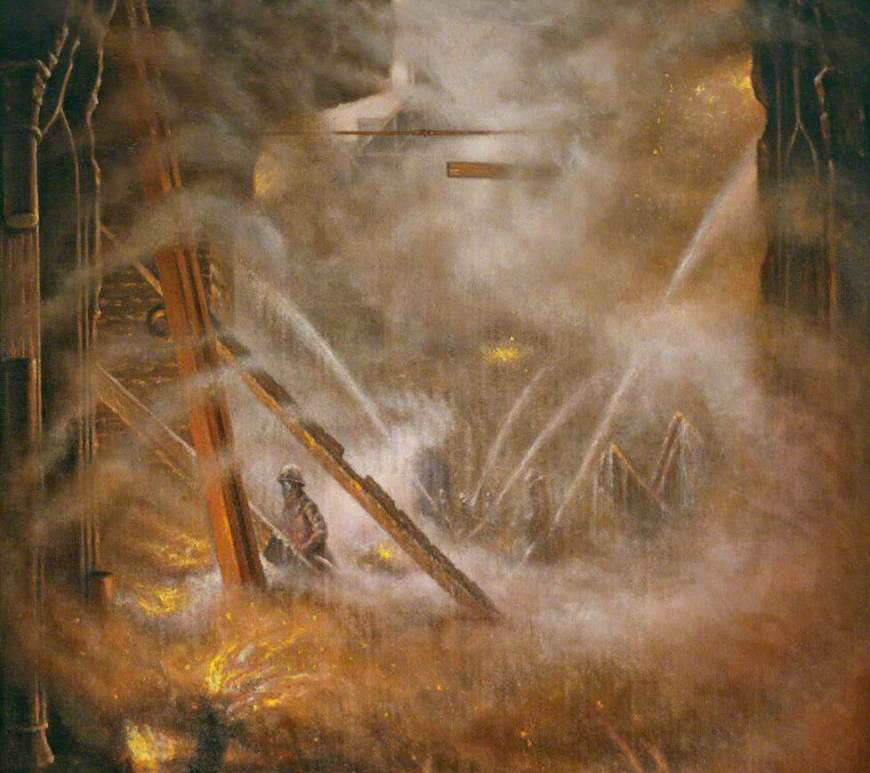
Ahead of Remembrance Day, and with 2025 marking 80 years since the end of the Second World War, Dr Kathryn Rix, Assistant Editor of our House of Commons, 1832-1945 project, follows up her series on MPs and the First World War by looking at the 23 MPs commemorated in the Commons chamber who died during the Second World War. On 6 July 1943 the Speaker … Continue reading MPs and the Second World War

The ladies’ gallery in the temporary House of Commons

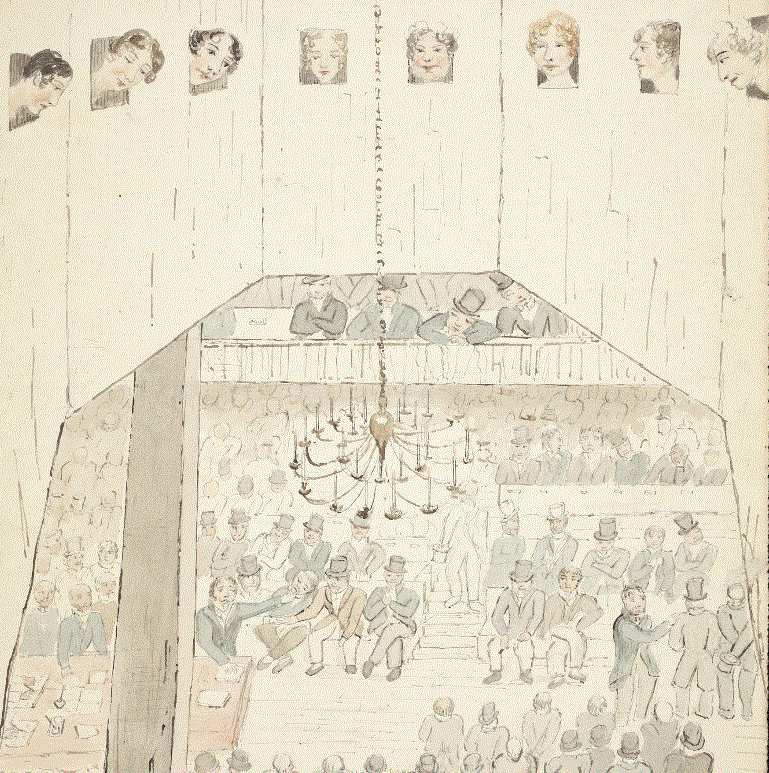
This article from Dr Kathryn Rix, Assistant Editor of our House of Commons, 1832-1945 section, looks at the provision made for women to witness debates in the temporary chamber used by the Commons between 1835 and 1852. In the chamber used by the House of Commons before the catastrophic fire of October 1834, women – officially barred from the chamber itself since February 1778 – had … Continue reading The ladies’ gallery in the temporary House of Commons

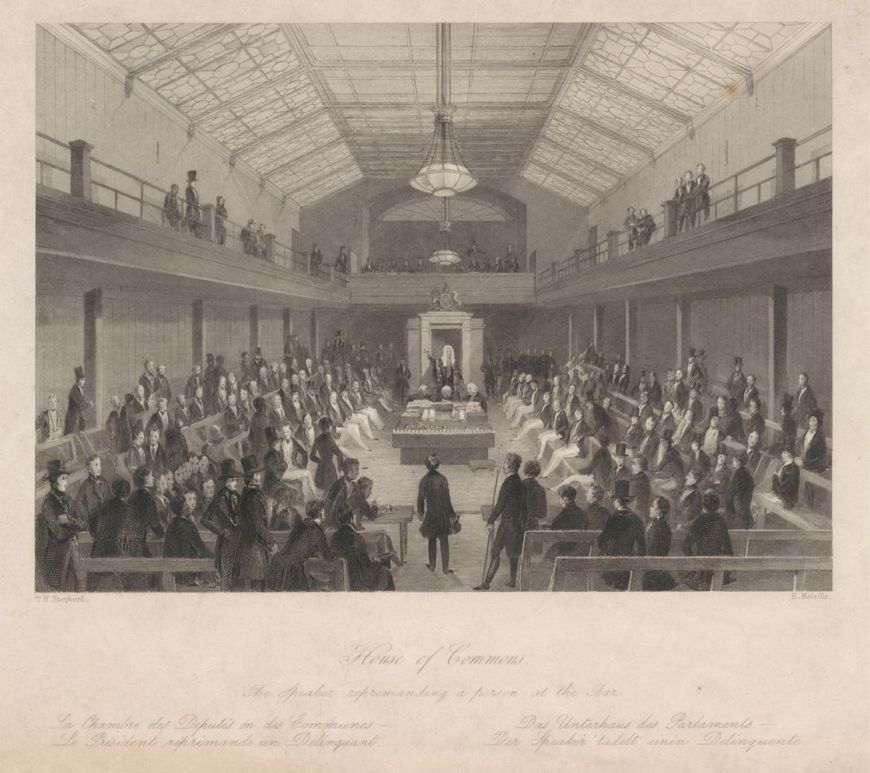
‘A place of business’: the temporary chamber of the House of Commons, 1835-1851

As part of our series on parliamentary buildings, Dr Kathryn Rix of our House of Commons, 1832-1945 project looks at the temporary chamber used by the House of Commons from 1835 until 1851, after its previous chamber was destroyed by fire in October 1834. The devastating fire at the Palace of Westminster on 16 October 1834 made the House of Commons chamber in the former … Continue reading ‘A place of business’: the temporary chamber of the House of Commons, 1835-1851

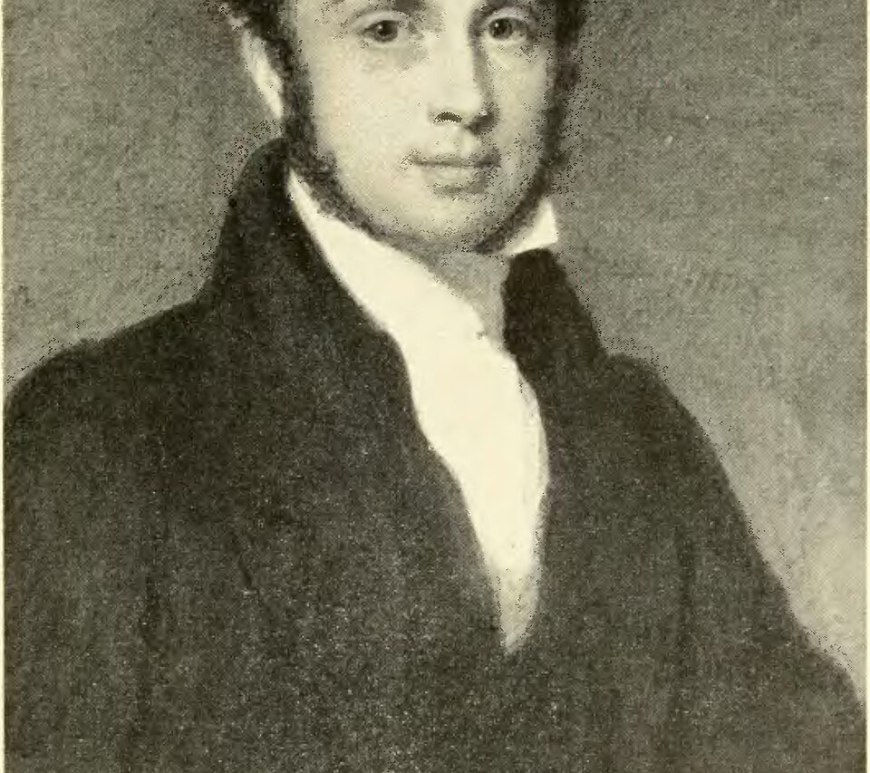
‘I have attached myself to no party’: Daniel Gaskell and parliamentary life in the 1830s

Our Victorian Commons project is shedding new light on the increasingly important role played in the behind-the-scenes business of the post-1832 House of Commons, particularly in the committee-rooms, by MPs who came from non-elite backgrounds. Dr Kathryn Rix looks at the life and career of Daniel Gaskell (1782-1875), including his friendship with the author Mary Shelley. Described by the novelist Mary Shelley as ‘a plain … Continue reading ‘I have attached myself to no party’: Daniel Gaskell and parliamentary life in the 1830s

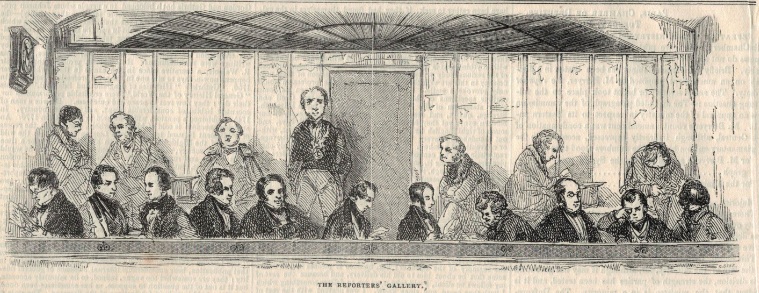
‘The status of the Press is changed indeed’: the reporters’ gallery in the nineteenth-century House of Commons

Continuing our series on parliamentary buildings, Dr Kathryn Rix looks at the accommodation provided for the newspaper journalists who reported on the proceedings of the nineteenth-century House of Commons. The history of parliamentary reporting in the 19th century has two connected strands: the history of Hansard, and the history of reporting by the newspaper press, whose accounts of Commons debates formed the basis for Hansard’s … Continue reading ‘The status of the Press is changed indeed’: the reporters’ gallery in the nineteenth-century House of Commons

From patent laws and prison reform to a threatened duel: the intriguing life of Benjamin Rotch MP

Untangling the eclectic career of Benjamin Rotch (1793-1854), Whig MP for Knaresborough, 1832-5, proved to be an extremely interesting piece of research for Dr Kathryn Rix of our House of Commons, 1832-1945 project, taking in the Nantucket whaling industry, the complexities of patent law, prison reform and a challenge to a duel. A quirky character, described by one contemporary as a man who ‘would resort … Continue reading From patent laws and prison reform to a threatened duel: the intriguing life of Benjamin Rotch MP

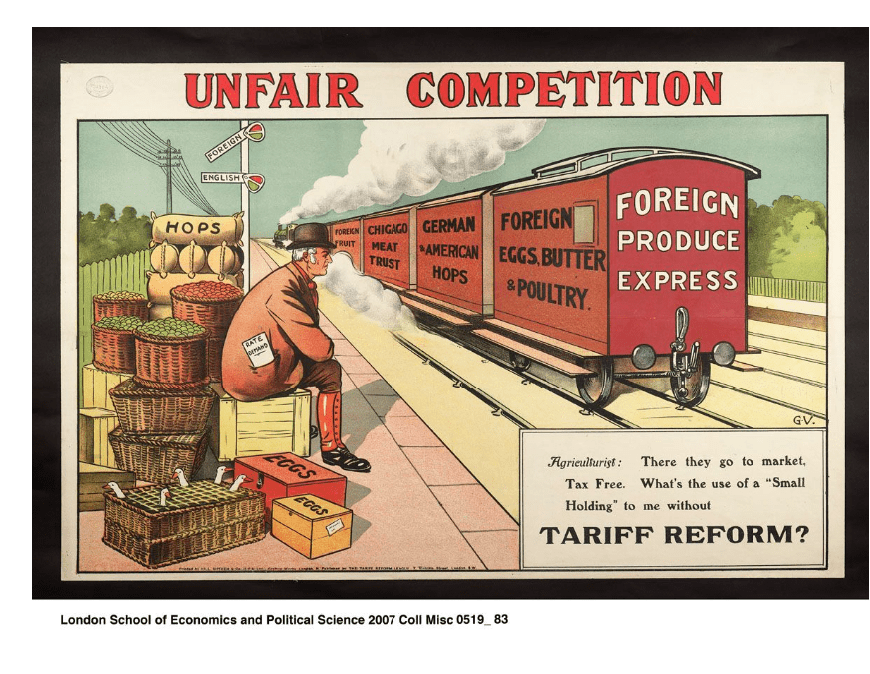
A colourful election poster produced by the Tariff Reform League. A farmer sits on a railway platform with crates and baskets of produce, watching a train called the Foreign Produce Express loaded with foreign produce, steaming past. He laments the need for tariff reform.

A ‘revolution’ in electioneering? The impact of the 1883 Corrupt Practices Act

Concluding her series on the 1883 Corrupt Practices Act, Dr Kathryn Rix of our House of Commons, 1832-1945 project looks at the long-term consequences of this major reform. In the wake of the corruption and expense of the 1880 general election, Sir Henry James, attorney general in Gladstone’s Liberal government, oversaw a landmark piece of legislation which aimed to clean up Britain’s elections: the 1883 … Continue reading A ‘revolution’ in electioneering? The impact of the 1883 Corrupt Practices Act

Prisoner, prize-fighter, politician: John Gully’s rise to fame 

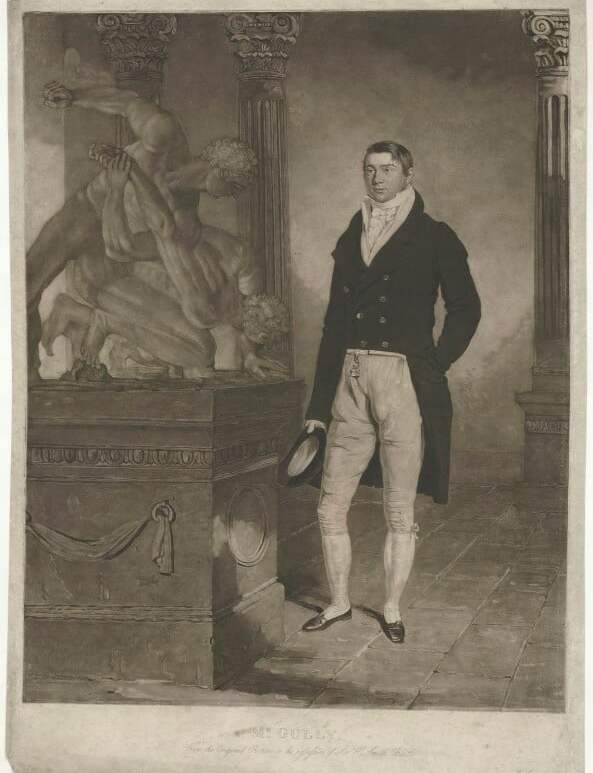
Amongst his many endeavours, John Gully’s venture into politics was an unexpected, yet successful, career choice. In this article Dr Kathryn Rix of our House of Commons, 1832-1945 project explores Gully’s life, from his humble beginnings to his sporting fame and his election as MP for Pontefract following the upheaval of the 1832 Reform Act. In March 1833 the cartoonist ‘H.B.’ (John Doyle) chose three … Continue reading Prisoner, prize-fighter, politician: John Gully’s rise to fame 

Josiah Wedgwood (1769-1843): from pottery to politics

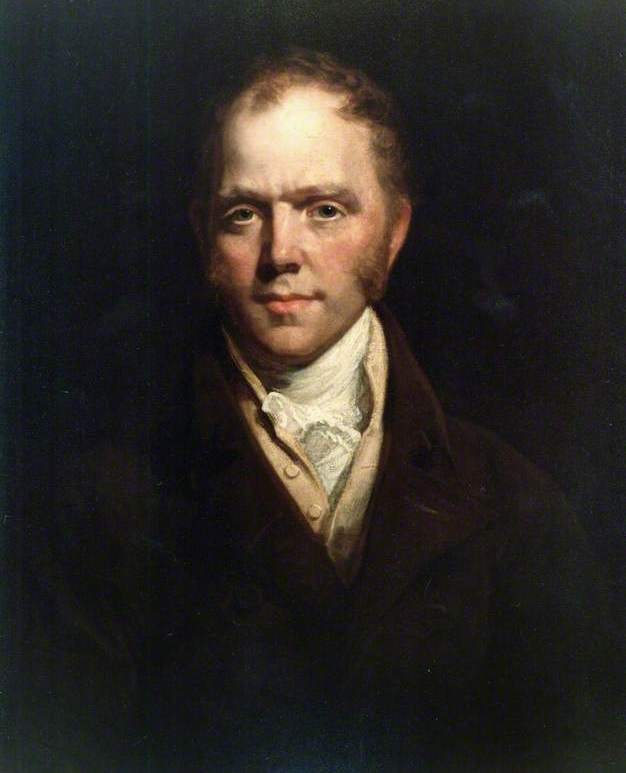
Today (3rd August) marks the anniversary of the birth of Josiah Wedgwood MP in 1769. Wedgwood has a special significance for the History of Parliament Trust, being the great-grandfather (and namesake) of our founder. Dr Kathryn Rix of our House of Commons, 1832-1945 project looks at his brief career as MP for Stoke-on-Trent. The name Josiah Wedgwood is commonly associated with pottery. However, the Wedgwood … Continue reading Josiah Wedgwood (1769-1843): from pottery to politics

‘The son of one of the best men who ever adorned the country’: William Wilberforce (1798-1879)

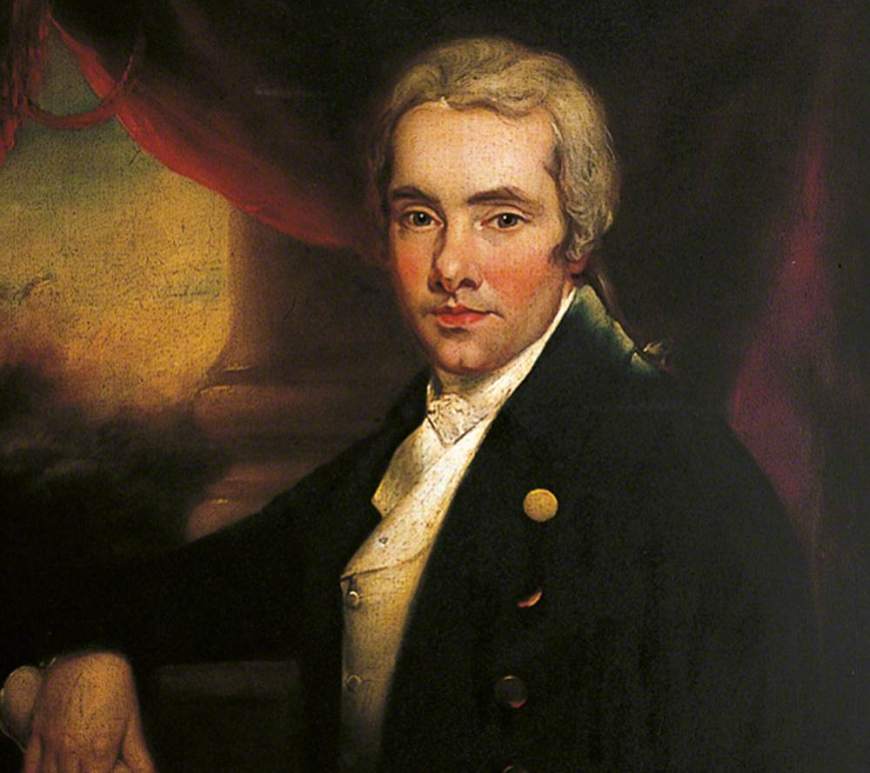
Our House of Commons, 1832-1868 project has found many examples of sons who followed their fathers into Parliament. Dr Kathryn Rix looks at William Wilberforce (1798-1879), whose political career failed to live up to that of his far more famous father. Trading heavily on his family name, William Wilberforce (1798-1879), eldest son and namesake of the noted anti-slave trade campaigner, was elected in 1837 as … Continue reading ‘The son of one of the best men who ever adorned the country’: William Wilberforce (1798-1879)