Here’s wishing all our readers a very enjoyable New Year! 2025 was a particularly memorable year for our 1832-68 House of Commons project and the History of Parliament. After 20 years based at Bloomsbury Square in the so-called ‘knowledge quarter’ around the British Museum, we sorted and packed decades of research materials and relocated to a new open-plan office at 14-18 Old Street in Islington. The volume of manuscript transcripts and voting records assembled by the previous 1790-1820 and 1820-32 House of Commons projects was immense – a poignant reminder of the pre-digital methods and physical legwork that used to be part and parcel of historical research. One day we hope to digitise some of these impressive ‘legacy’ collections for wider use.
2025 also saw the 1832-68 Commons project take on a new PhD student, in a similar collaborative PhD partnership to those we have previously run with the University of Warwick (Dr Seth Thevoz) and the Institute of Historical Research (Dr Martin Spychal). The successful candidate was Megan Hall. She is now working at the University of Sheffield on a fascinating study exploring the experiences of 19th century Irish MPs.
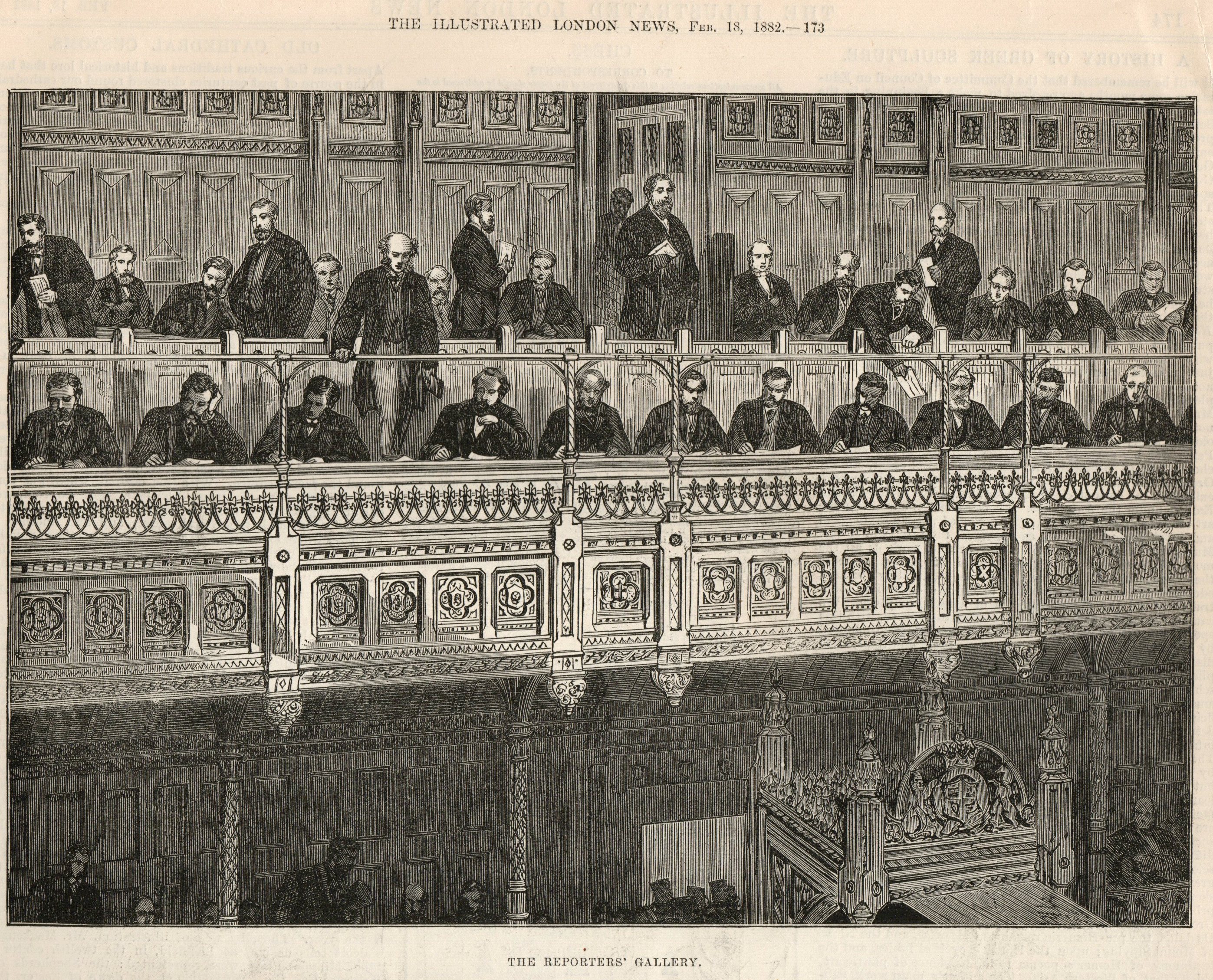
Many of our Victorian Commons posts in 2025 explored themes beyond the remit of the MP biographies and constituency histories we write for the 1832-68 project. Kathryn Rix continued her research into the reporting of parliamentary debates, showing how growing demands for accurate reporting led to major changes in the reporters’ gallery, as famously used by a young Charles Dickens. She also described the often-misunderstood role of Hansard and modifications to both the temporary House of Commons and Charles Barry’s new Victorian Palace. At one point in the 1850s a brand-new roof even had to be rebuilt to improve acoustics.
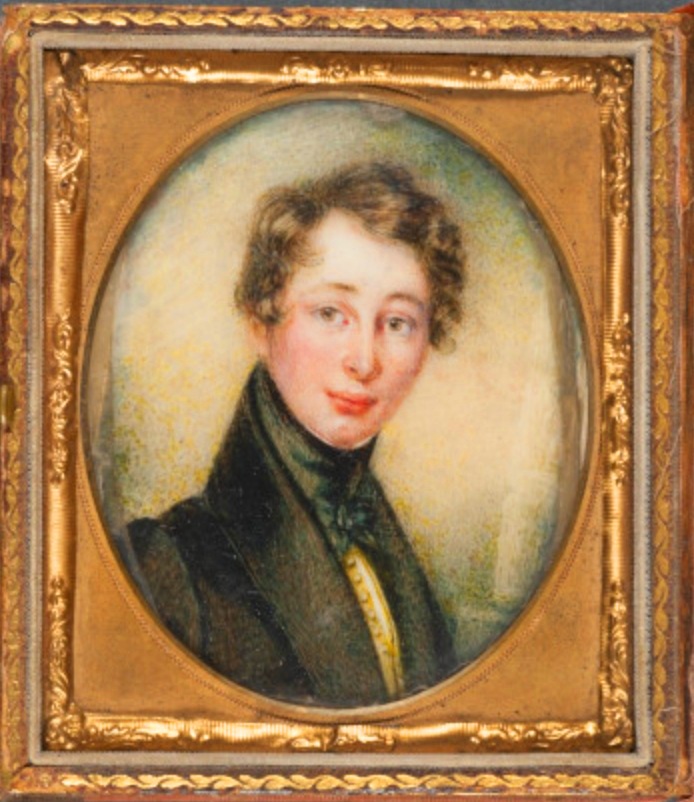
Martin Spychal, meanwhile, extended his work on the first Black MP to represent a Scottish constituency. He investigated Peter McLagan’s complex heritage and extraordinary wealth as the son of a Demerara slave owner and an enslaved woman. This new series of articles was complemented by a one-day workshop held jointly with Joe Cozens at The National Archives, involving scholars of slavery and colonialism. More posts in this series will follow.
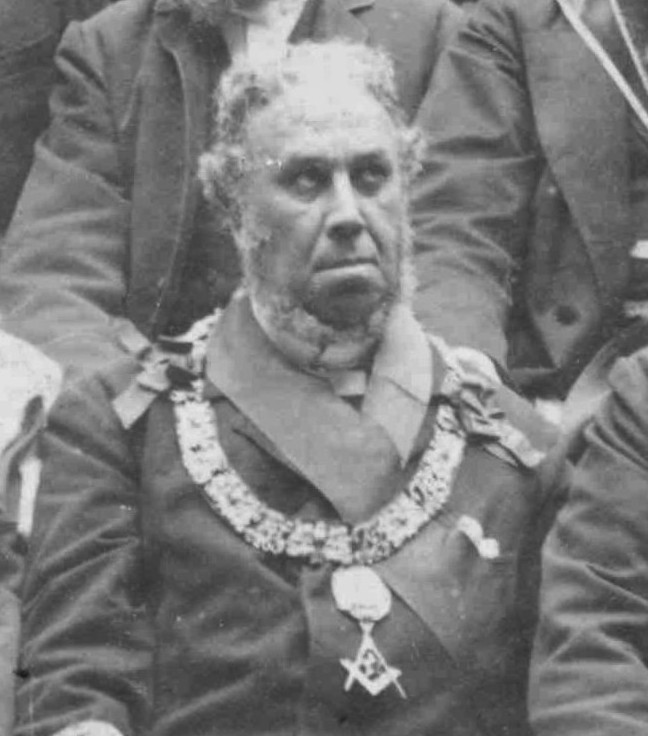
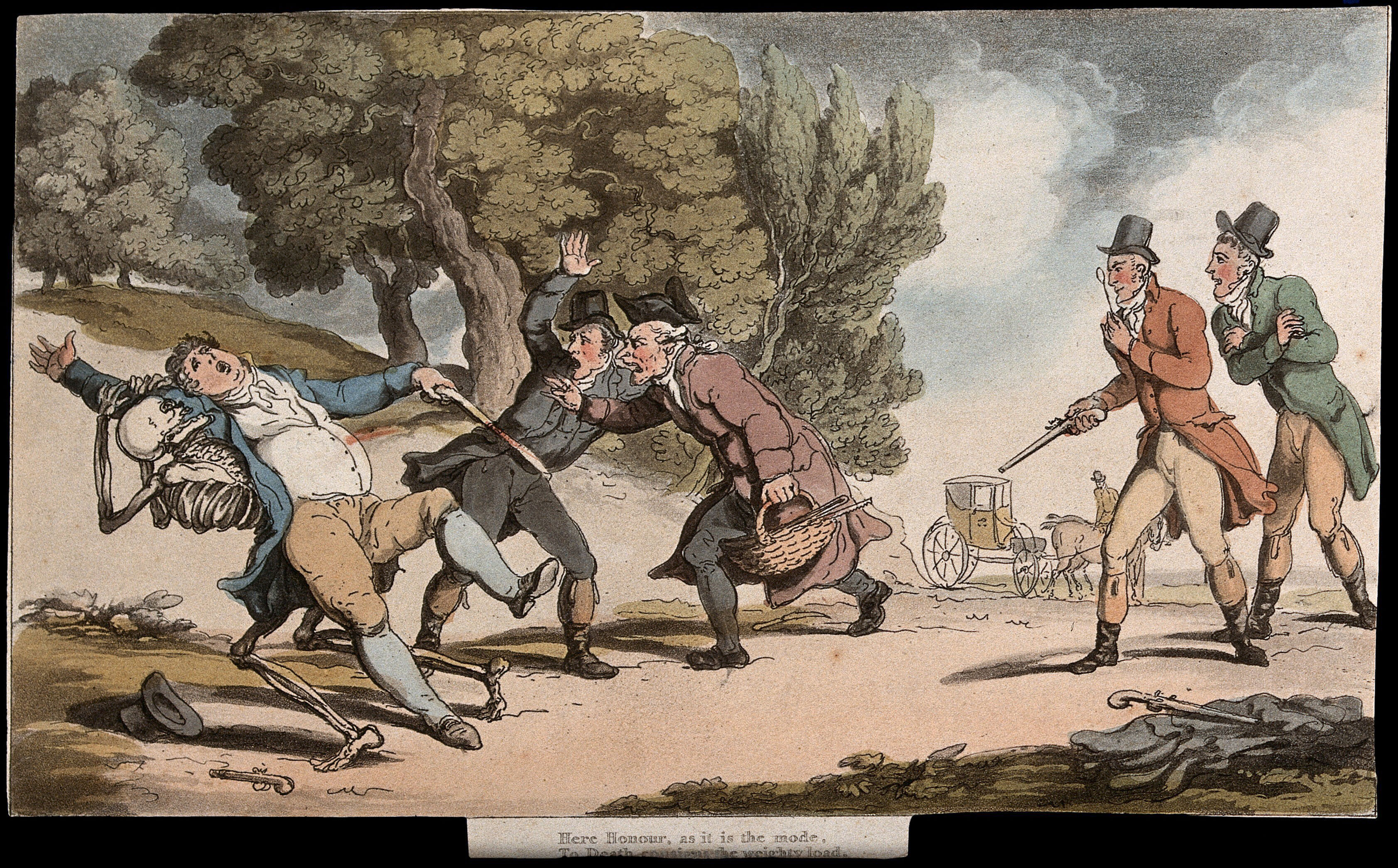
Alongside this political ‘first’, Naomi Lloyd-Jones offered a memorable ‘last’ with her account of the last known political duel involving MPs. One of the combatants was the noted ‘pistoleer’ George Smythe MP (1818-1857), later 7th Viscount Strangford and 2nd Baron Penshurst, who was also notorious for getting a daughter of the earl of Orford pregnant but refusing to marry her. His adversary was his fellow MP for Canterbury Frederick Romilly, with whom he had fallen out over election arrangements. Their exchange of shots in a wood in 1852 captured the attention of the national press and was widely ridiculed, helping both MPs get defeated at the next election.
Electoral corruption is a standard feature in all our research on 19th century politics. Anyone thinking there was little left to say, however, should read Naomi’s post about the murky world of behind-the-scenes dealing in election petitions. This was especially revealing about the understudied practice of party agents ‘pairing off’ or ‘swapping’ challenges against recently elected MPs accused of bribery or malpractice. This ‘secret’ dealing in corruption allegations between the parties seems to have become rife before the reform of the whole election petition system in 1868. The changing nature of corruption also featured strongly in Kathryn Rix’s post comparing the practices and culture of the 1835 and 1865 general elections – an important reminder that adjustments to the UK’s electoral system were ongoing and not just confined to landmark Reform Acts.
Changes to the electorate between the 1832 and 1867 Reform Acts formed the basis of another article by Martin Spychal, drawing on research undertaken for his recent book. Taking into account the anomalies caused by plural voters, multiple qualifications and inconsistencies in the way ‘returns’ were compiled, this post showed how the large variations in the levels of adult male enfranchisement across the UK’s constituencies narrowed significantly from 1832 to the 1860s. Again this showed that the first reformed electoral system was far from ‘fixed’.
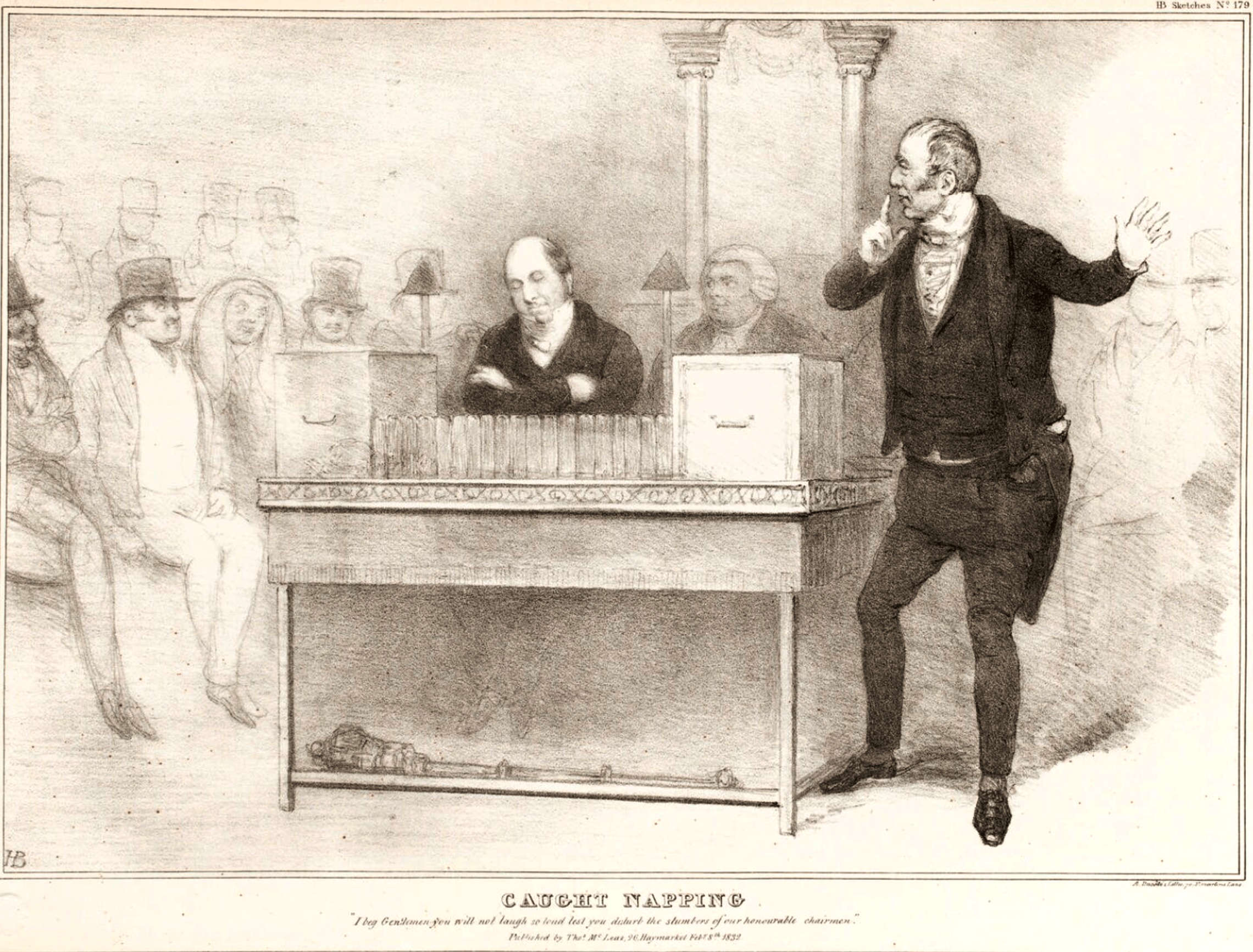
Another type of change was explored in Philip Salmon’s post examining the work of the chairman of ways and means. It was during the 19th century that this key position in the Commons evolved into its recognisably modern form. The character and impartiality of the men appointed altered significantly. Early 19th century officeholders – among them a crop of slave owners and fraudsters – were gradually replaced by a series of increasingly high calibre administrators. In 1853 the chairman also began to act as deputy speaker, a move reflected in the growing tendency for retirees to receive a peerage or even be promoted to the Speakership itself. One highlight here was the inclusion of a rare Victorian audio recording of Henry Cecil Raikes MP, the chair of ways and means from 1874-80.
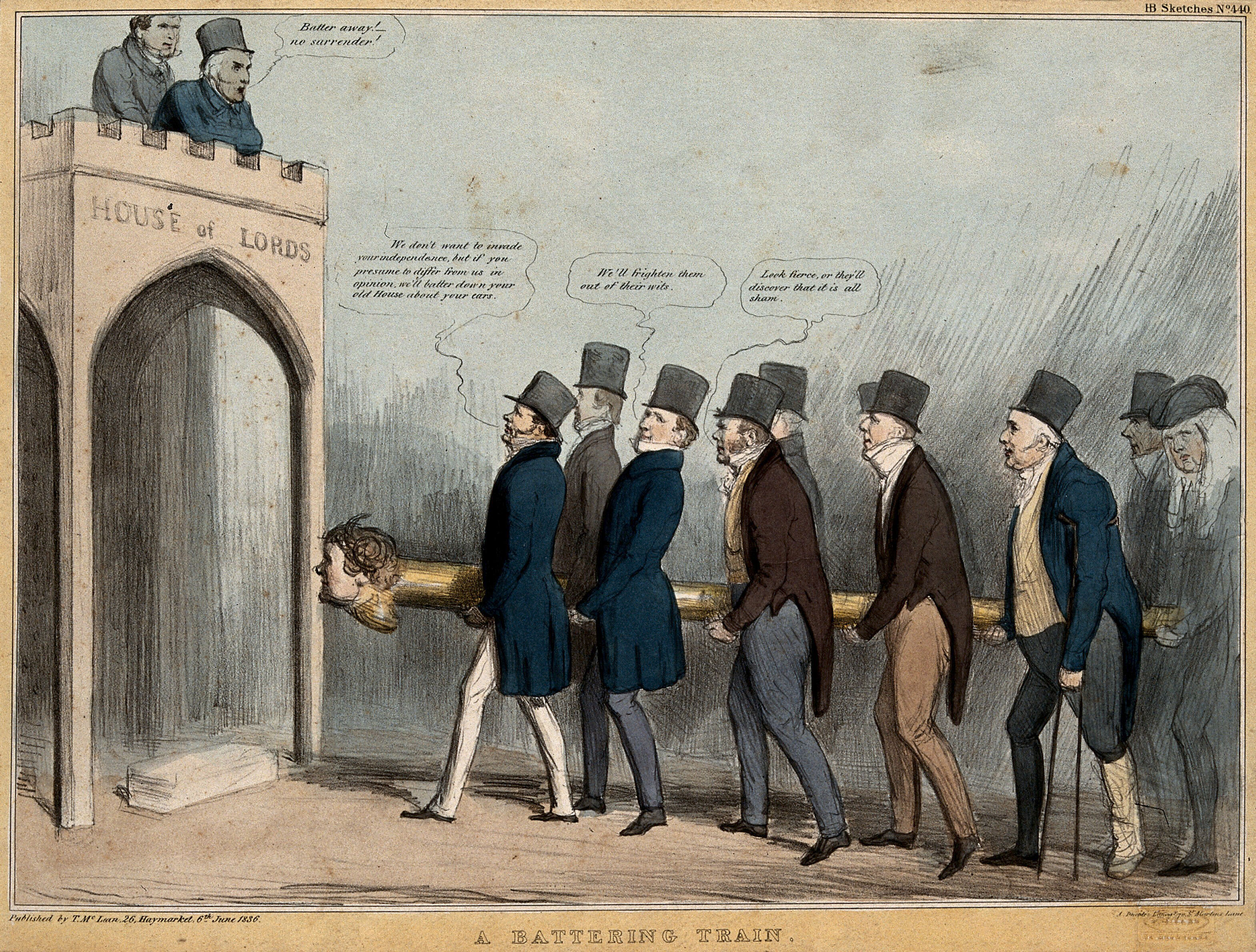
Any idea that the changes outlined in all these posts increased the status or power of the Commons, however, was countered by an article by Philip examining the role and significance of the 19th century House of Lords, based on a talk given in the River Room, House of Lords. As well as challenging the view that the Lords became subservient to the Commons in the 19th century, this examined various attempts by Liberals, Radicals and even some Conservatives to reform the Lords. It also charted its perception as a legitimate alternative to the Commons in representing ‘popular opinion’ and the ‘will of the nation’ on key issues.
House of Lords reform, of course, is likely to be a topic that many commentators will be turning their attention to – historical and otherwise – during the new year. We will be continuing our research into 19th century parliamentary politics, MPs and elections, and look forward to sharing more highlights in 2026.