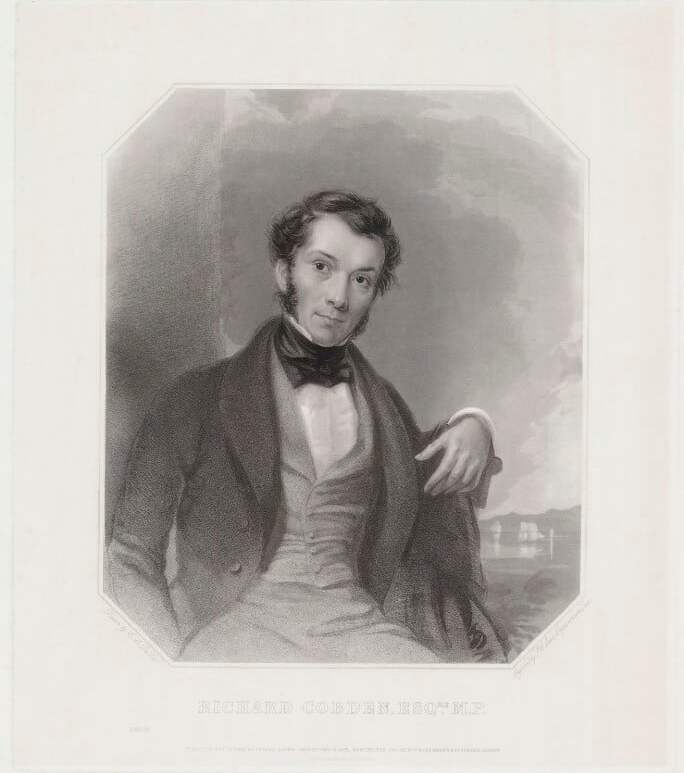
Richard Cobden and his constituencies

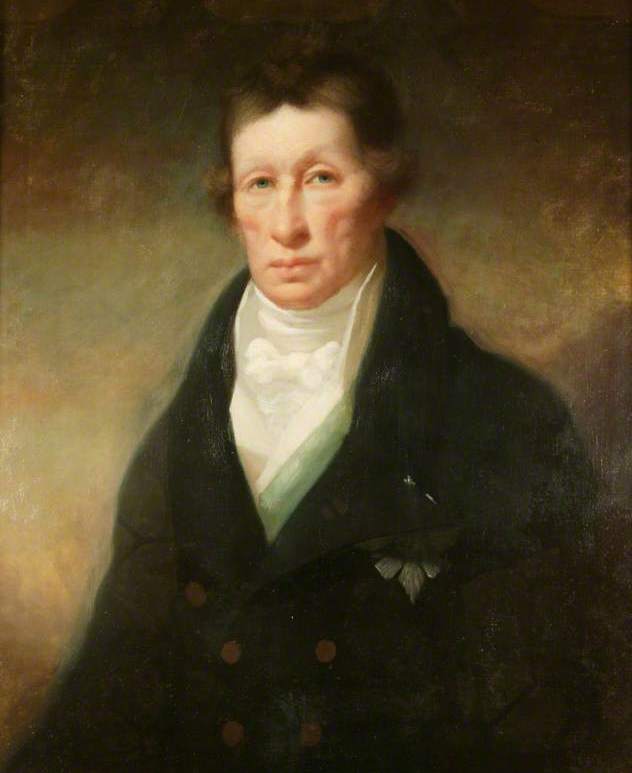
In this guest post, originally published on the Victorian Commons website, Professor Simon Morgan of Leeds Beckett University, the principal investigator on the Letters of Richard Cobden Online resource, shows how Cobden’s letters can shed light on his role as a constituency MP. The publication in 2023 of the Letters of Richard Cobden Online, an open access database funded by the Arts and Humanities Research Council and containing … Continue reading Richard Cobden and his constituencies

The impact of the 1883 Corrupt Practices Act: the York by-election

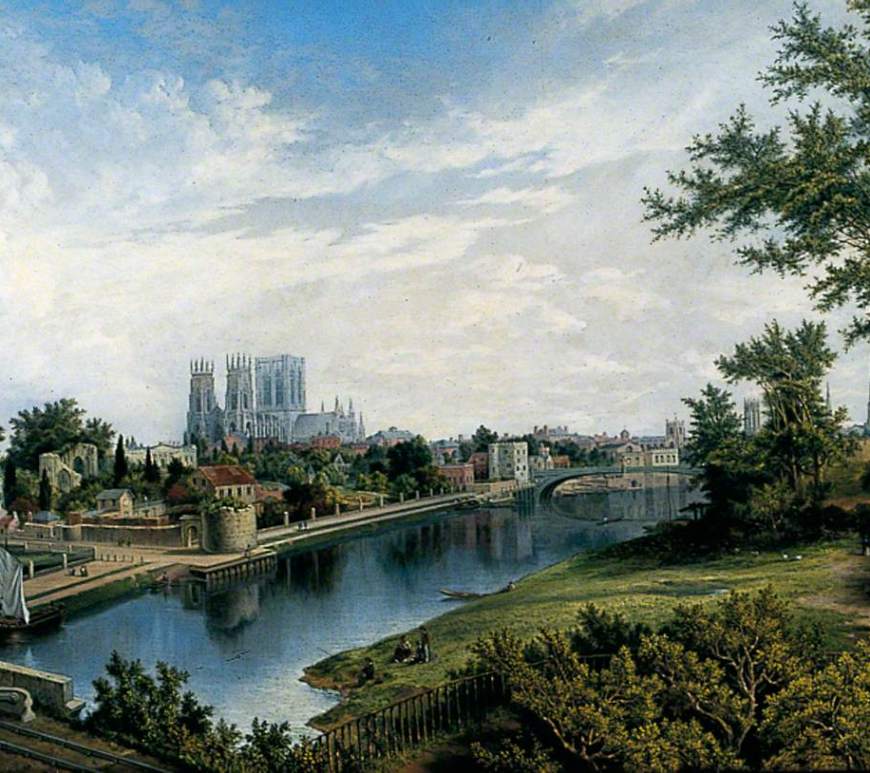
Continuing her series on the 1883 Corrupt Practices Act, Dr Kathryn Rix looks at its impact on electioneering, focusing on the November 1883 York by-election, which was the first parliamentary election held in England under the Act’s terms. The 1883 Corrupt and Illegal Practices Prevention Act, a landmark reform aimed at tackling the corruption and expense of elections, received royal assent on 25 August 1883, … Continue reading The impact of the 1883 Corrupt Practices Act: the York by-election

Did you know, Lord George Gordon had two brothers?

In his latest post for the Georgian Lords, Dr Stuart Handley looks into the family of the notorious Lord George Gordon, who was at the centre of the political storm that resulted in the 1780 ‘Gordon Riots’ that rocked London and other British towns and cities… The recent riots engulfing parts of Britain have rekindled interest in the propensity of the populace to riot during … Continue reading Did you know, Lord George Gordon had two brothers?

A disputed election in the wake of the battle of Bosworth: the Shropshire election of 1485

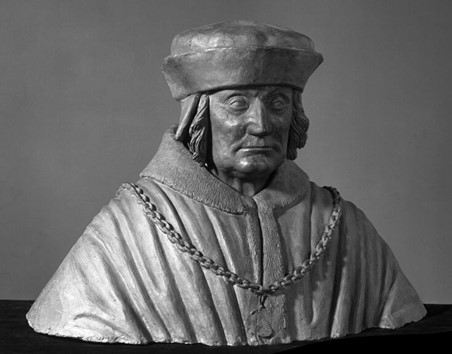
Following the battle of Bosworth and Henry Tudor’s accession to the English throne, the country’s gentry who had sided with Henry seemed destined to be elected to Parliament uncontested. However, as Dr Simon Payling of our Commons 1461-1504 project explores, this was not always the case… Election disputes were rare in late-medieval England. Indeed, it was not until the early fifteenth-century that any legal framework … Continue reading A disputed election in the wake of the battle of Bosworth: the Shropshire election of 1485

The power of the (silk) purse: electioneering in nineteenth-century Macclesfield

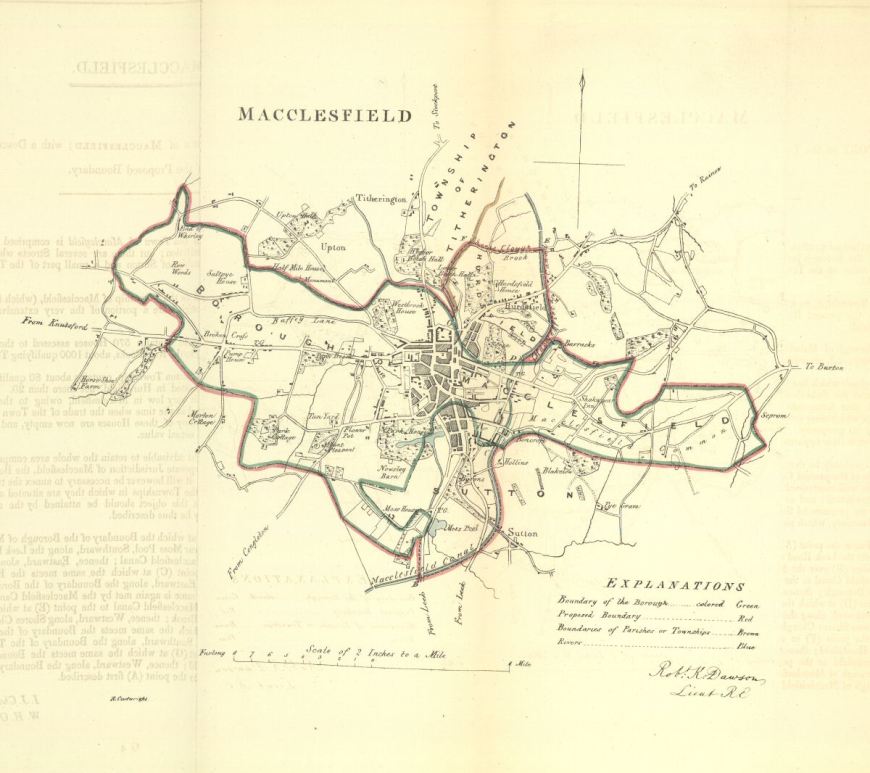
In today’s blog Dr Kathryn Rix, assistant editor of our House of Commons, 1832-1868 project, takes a local history look at the political representation of 19th century Macclesfield, where one particular industry made its presence known… One of the most significant aspects of the 1832 Reform Act was its redrawing of the electoral map, taking seats away from ‘rotten boroughs’ such as Dunwich and Old … Continue reading The power of the (silk) purse: electioneering in nineteenth-century Macclesfield

‘Better affected to Mars and Neptune, than to Mercury’: docks, diversity and the representation of Portsmouth in the civil wars and interregnum

In our latest blog Dr Vivienne Larminie, assistant editor of our Commons 1640-1660 project, continues our local history look at port constituencies. Today’s focus is the naval city of Portsmouth, but were its maritime origins echoed in its 17th century parliamentary representation? The antiquarian and topographer William Camden characterised Portsmouth as ‘a place alwaies in time of warre well frequented, otherwise little resort there is … Continue reading ‘Better affected to Mars and Neptune, than to Mercury’: docks, diversity and the representation of Portsmouth in the civil wars and interregnum

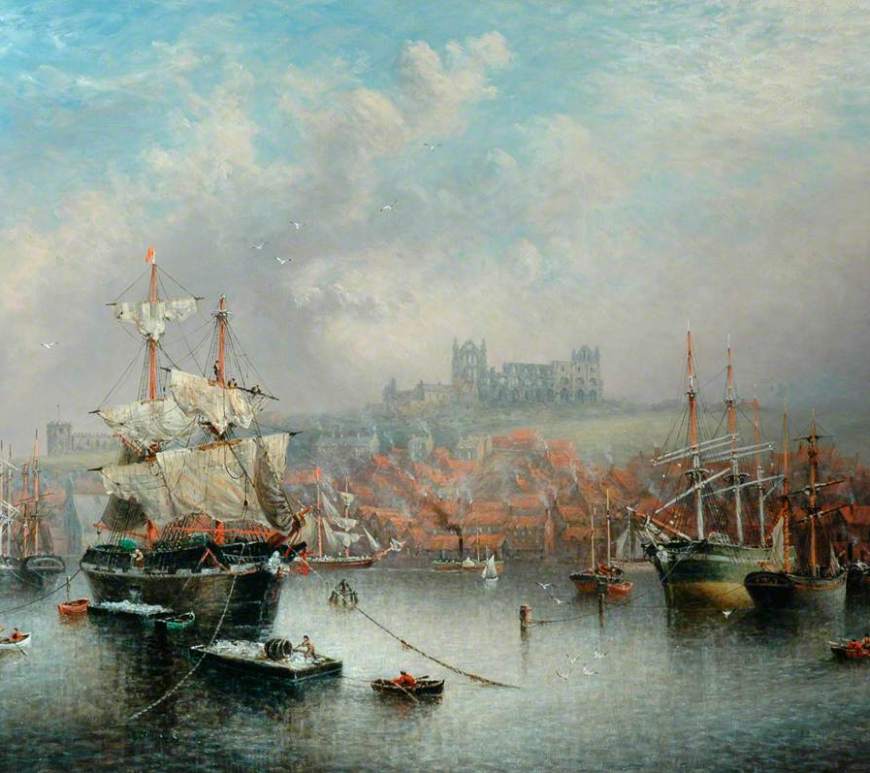
The shipping and the railway interests: Whitby’s electoral politics, 1832-1868

In today’s blog Dr Kathryn Rix, assistant editor of our Commons 1832-1868 project, continues our look at port constituencies for local history month. Here, she explores the electoral politics of Whitby after it was first granted the right to elect one MP in 1832… In July 1832 the ‘blues’ (Liberals) and ‘pinks’ (Conservatives) in the port of Whitby each held lavish celebrations to mark the … Continue reading The shipping and the railway interests: Whitby’s electoral politics, 1832-1868

‘Seldom… disturbed by the bustle of trade or the affairs of Government’: Lymington from Restoration to Reform

As we gear up for May’s Local and Community History Month, today Dr Robin Eagles, editor of our Lords 1715-1790 project, begins our look at port constituencies. Hubs of trade and industry, historically ports have been central to both national economy and military defence, making their representation in Parliament very important. Here Dr Eagles casts an eye on the town of Lymington on the south … Continue reading ‘Seldom… disturbed by the bustle of trade or the affairs of Government’: Lymington from Restoration to Reform

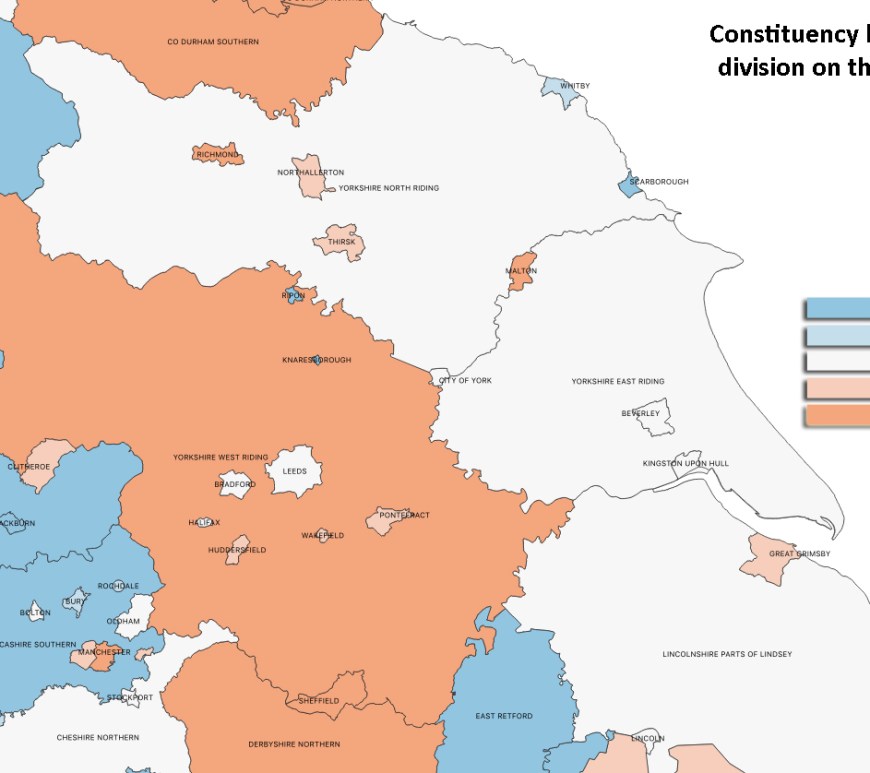
The geography of voting behaviour: towards a roll-call analysis of England’s reformed electoral map, 1832-68

Ahead of next Tuesday’s Virtual IHR Parliaments, Politics and People seminar, we hear from Dr Martin Spychal, of the History of Parliament. On 16 March 2021, between 5.15 p.m. and 6.30 p.m., Martin will be responding to your questions about his pre-circulated paper on the geography of voting behaviour in Parliament between 1832 and 1868. Details of how to join the discussion are available here, or by contacting  seminar@histparl.ac.uk. … Continue reading The geography of voting behaviour: towards a roll-call analysis of England’s reformed electoral map, 1832-68

Bristol and the Readeption Parliament of Henry VI

This winter marks the 550th anniversary of the Readeption Parliament of 1470-1, the circumstances and proceedings of which are the subject of a recent blog. Today Dr Charles Moreton from our Commons 1461-1504 project looks closer at the Parliament’s impact in Bristol and the period of the short-lived restoration of Henry VI in which this assembly sat. There are no extant election returns for the Parliament, and the names of just 41 of its MPs survive. Forty, if not all of these men, sat for urban constituencies, the archives of which preserve their election. As it happens, the … Continue reading Bristol and the Readeption Parliament of Henry VI