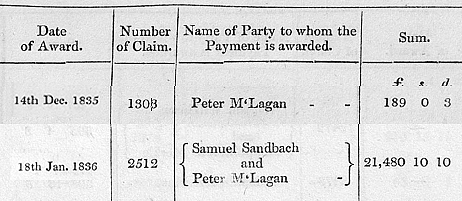
Peter McLagan senior (1774-1860): enslaver, plantation owner and landed proprietor
Dr Martin Spychal explores the life of Peter McLagan senior (1774-1860). A farmer’s son from Perthshire, McLagan senior acquired considerable wealth as an enslaver and plantation owner in Demerara (modern-day Guyana) during the early nineteenth century. He received extensive ‘compensation’ under the terms of the 1833 Abolition of Slavery Act. Continue reading Peter McLagan senior (1774-1860): enslaver, plantation owner and landed proprietor

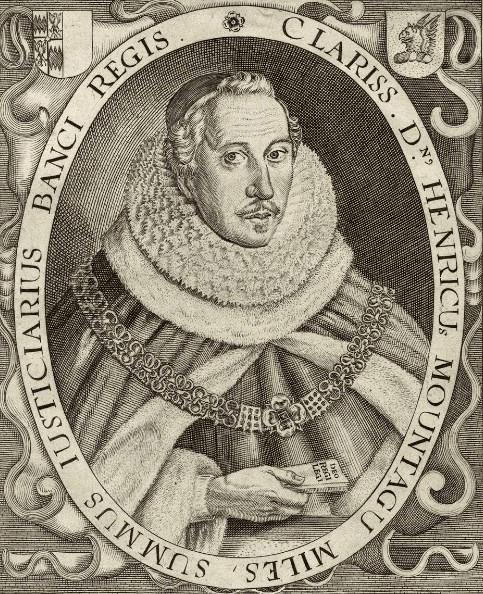
The Baronial Context of the 1641 Triennial Act
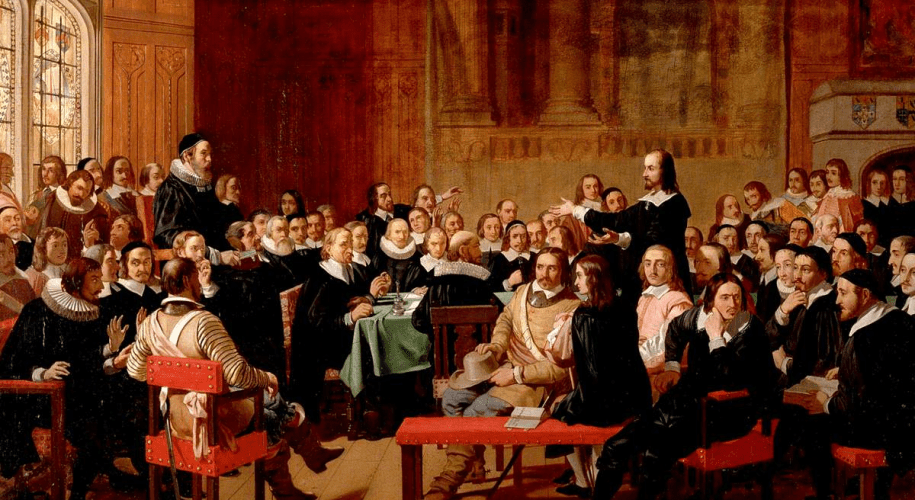
Dr David Scott, Editor of the 1640-60 House of Lords section, explores the role of the peers in securing the right of Parliament to meet regularly. The Triennial Act of February 1641 was the first piece of legislation passed by the ‘Long Parliament’ in its momentous thirteen-year history of reform, rule and, in 1649, regicide. Of course, none of the peers and MPs who had … Continue reading The Baronial Context of the 1641 Triennial Act

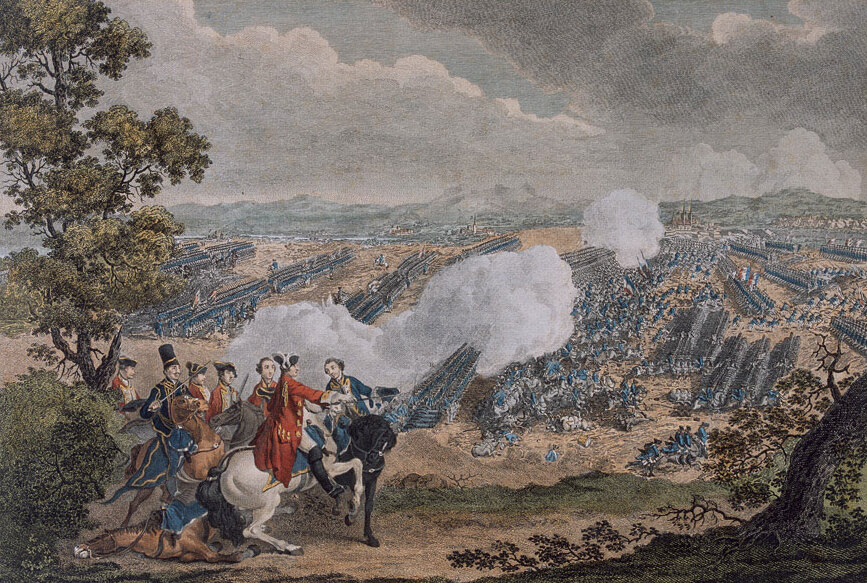
Putting ‘spirit in the conduct of the war’: the November 1775 government reshuffle
In his last post for the Georgian Lords, From bills to bullets: Spring 1775 and the approach to war in America, on the advent of the American War of Independence, Dr Charles Littleton left things hanging with the prorogation on 26 May 1775. Now, he continues the story into the autumn with the declaration of war and a key government reshuffle. Following the prorogation of … Continue reading Putting ‘spirit in the conduct of the war’: the November 1775 government reshuffle

Black and Political: Reconstructing Black Participation in British Politics, 1750-1850
At a special joint session of the IHR’s Parliaments, Politics and People and British History in the Long 18th Century seminars on Wednesday 3 December, Dr Helen Wilson will be discussing Black participation in British Politics between 1750 and 1850. The free seminar takes place on 3 December 2025, between 5:30 and 7:30 p.m. It is fully ‘hybrid’, which means you can attend either in-person … Continue reading Black and Political: Reconstructing Black Participation in British Politics, 1750-1850

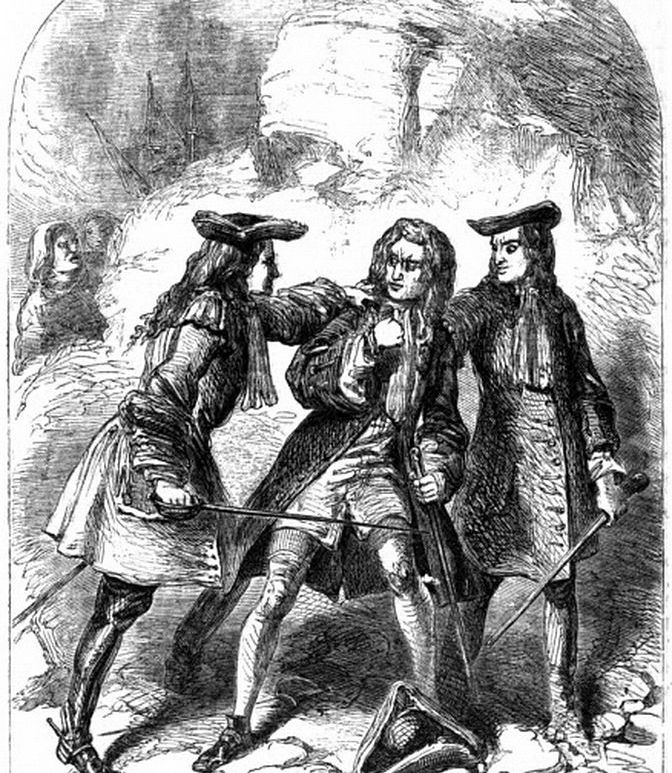
The passing of the bill of attainder against the Jacobite Sir John Fenwick
On 25 November 1696 the House of Commons, after a bitter series of debates, finally passed a bill that would result in the execution of the Northumbrian baronet Sir John Fenwick, for treason in January 1697. As Dr Paul Seaward explores, this was a death that was seen by many as politically-driven murder. Fenwick’s case was one of the consequences of the deposition of the … Continue reading The passing of the bill of attainder against the Jacobite Sir John Fenwick

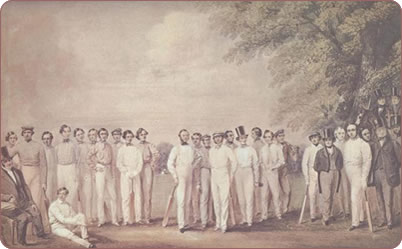
Cricket in the Commons: a Victorian First Eleven
With the 2025 Ashes between England and Australia getting underway this week, we have a cricketing themed post from our House of Commons, 1832-1945 project. Historically, cricketing terminology, with its allusions to ‘fair play’ and playing with a ‘straight bat’, has been a mainstay of British political discourse. This was certainly the case in the Victorian era. For example, in 1864, when the Conservative opposition … Continue reading Cricket in the Commons: a Victorian First Eleven
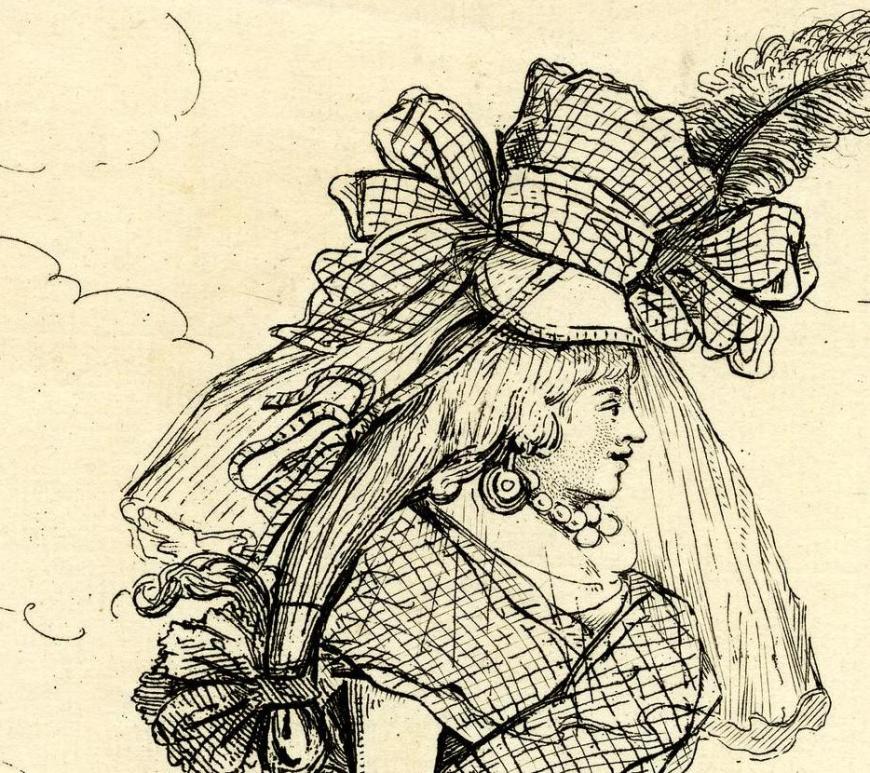
‘The Tartan Rage’: Fashion, High Society, and Scottish Identity in Eighteenth-Century London
At the IHR Parliaments, Politics and People seminar on Tuesday 25 November, Dr Natalee Garrett of The Open University, will be discussing Jane, duchess of Gordon and the Romanticisation of Scottish Identity in London, c.1780-1812. The seminar takes place on 25 November 2025, between 5:30 and 6:30 p.m. It will be hosted online via Zoom. Details of how to join the discussion are available here. ‘The … Continue reading ‘The Tartan Rage’: Fashion, High Society, and Scottish Identity in Eighteenth-Century London
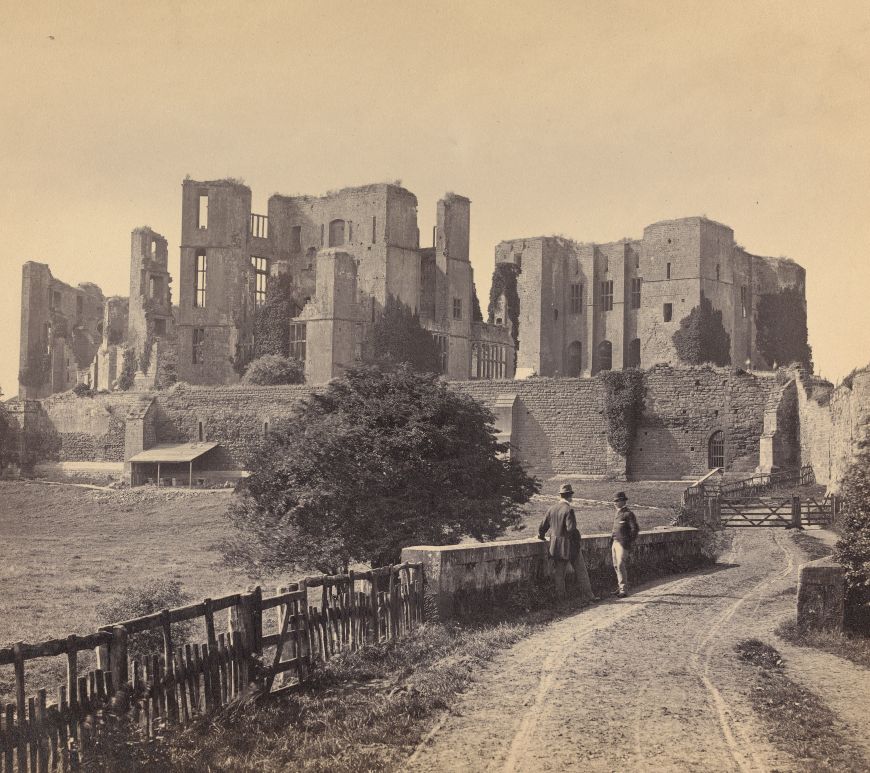
A Lancastrian City? Coventry and the Wars of the Roses, 1451-1471
This piece is in memory of Professor Peter W. Fleming, who died in April 2025. His publishing career spanned 40 years, from an article on the religious faith of the gentry of Kent in 1984 to a defining monograph on the history of late-medieval Bristol in 2024. His career would have been yet more notable but for the ill-health that blighted his last years. A … Continue reading A Lancastrian City? Coventry and the Wars of the Roses, 1451-1471

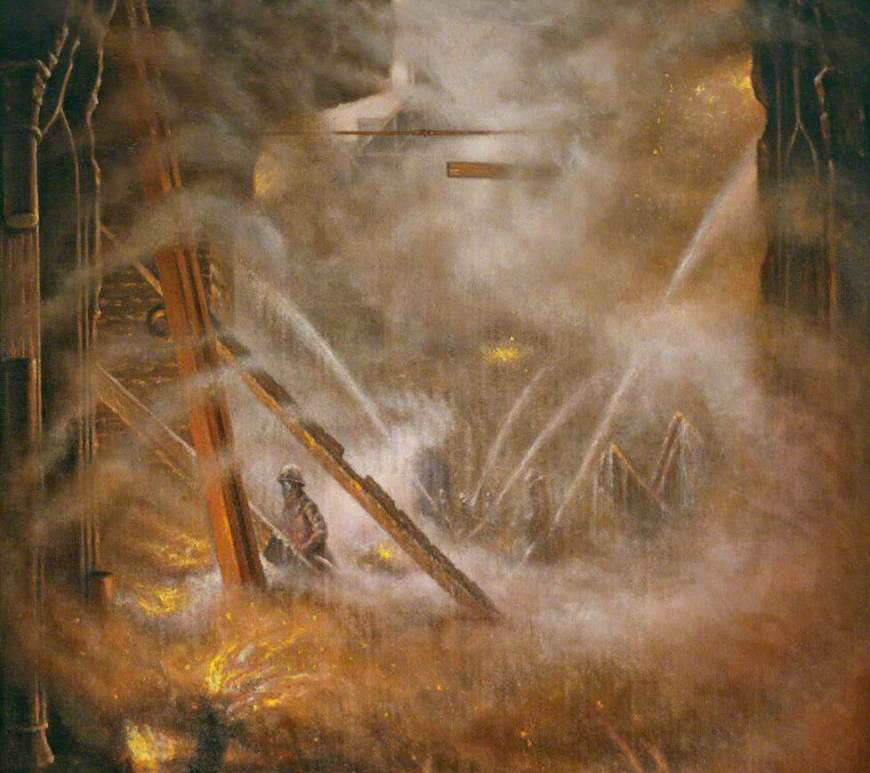
MPs and the Second World War
Ahead of Remembrance Day, and with 2025 marking 80 years since the end of the Second World War, Dr Kathryn Rix, Assistant Editor of our House of Commons, 1832-1945 project, follows up her series on MPs and the First World War by looking at the 23 MPs commemorated in the Commons chamber who died during the Second World War. On 6 July 1943 the Speaker … Continue reading MPs and the Second World War

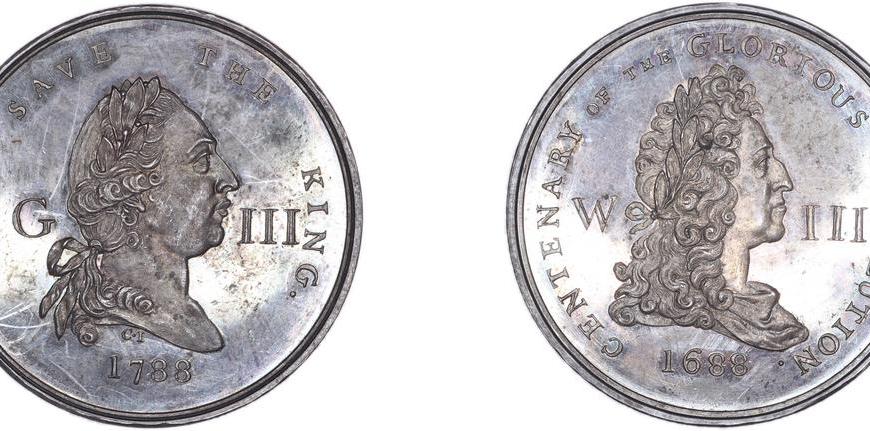
‘Confirmation of the People’s Rights’: commemorating the ‘Glorious Revolution’ of 1688
For many, the beginning of November means the advent of longer nights as the year winds down to Christmas. Some may still enjoy attending firework displays marking the failure of the 1605 Gunpowder Plot. In November 1788, though, serious efforts were made to establish a lasting memorial to the Revolution of 1688, whose centenary was celebrated nationwide. However, as Dr Robin Eagles shows, no one … Continue reading ‘Confirmation of the People’s Rights’: commemorating the ‘Glorious Revolution’ of 1688
