How many people could vote in the UK after the 1832 Reform Act?

As part of our series of ‘explainer’ articles, aimed at clarifying the workings of the United Kingdom’s historic political system, Dr Martin Spychal examines how many people could vote in the UK after the 1832 Reform Act. This article draws from a new dataset of voting information for each constituency between 1832 and 1867, which Martin has been developing for the History of Parliament’s Commons … Continue reading How many people could vote in the UK after the 1832 Reform Act?

Steps towards identifying new Black voters in 18th-century Westminster and Hertfordshire

A few months ago, the History welcomed a guest post by Dr Gillian Williamson with her groundbreaking research into John London, to date the earliest known Black voter in Britain, who lodged his vote in the 1749 by-election for Westminster. In this latest post, Dr Robin Eagles explains the potential discovery of further Black voters taking part in the same contest and subsequent polls in … Continue reading Steps towards identifying new Black voters in 18th-century Westminster and Hertfordshire

Down for the count: election night highs and lows

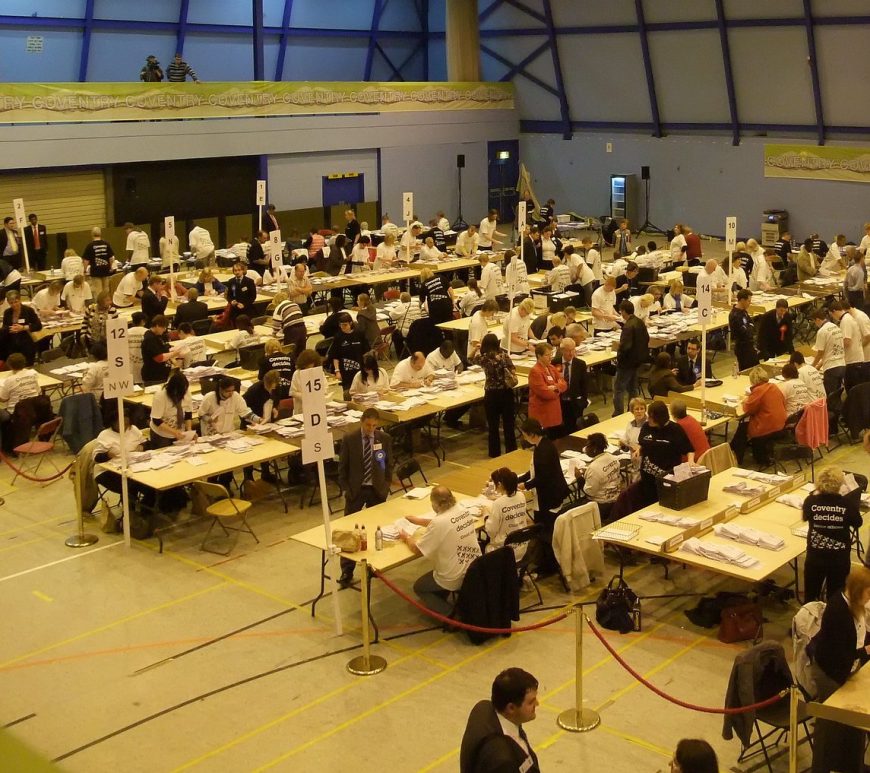
As the UK goes to the polls today, here Dr Emma Peplow shares memories from our oral history archive, exploring how former MPs felt on polling day and how they approached the night of the count… Today most of the UK’s election candidates will be racing around their constituencies trying to make sure their supporters go to vote. But this is just the start of … Continue reading Down for the count: election night highs and lows

Chairing successful candidates

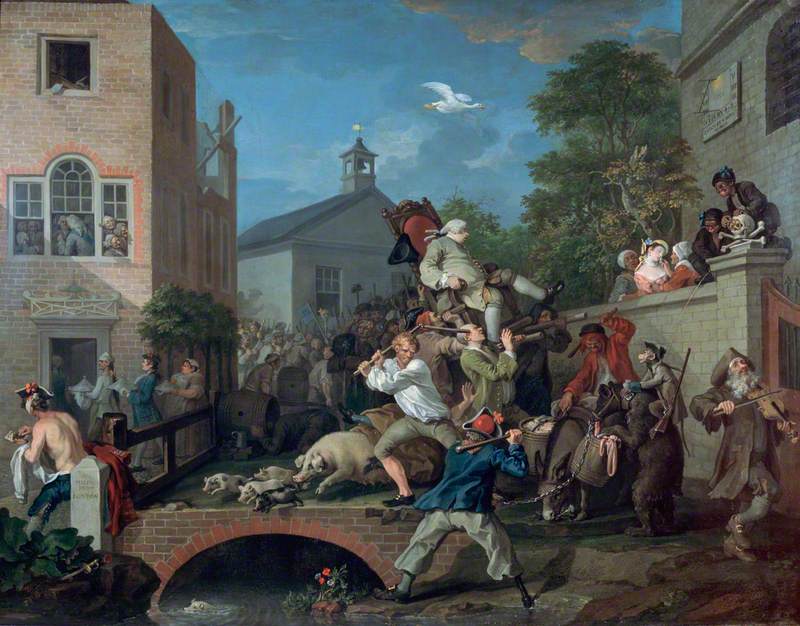
As the results of the 2024 General Election start to come in, successful candidates will have different ways to celebrate their win- but it is unlikely that these newly-elected MPs will be hoisted in the air in a traditional ‘chairing’ ceremony… In the latest blog for our Georgian elections project Dr Robin Eagles looks at this tradition and some of the 18th century constituencies that … Continue reading Chairing successful candidates

The ups and downs of a London election: examining London poll books

As pollsters look for constituencies across the country to act as representatives of how the wider nation may vote in the upcoming election, in the 18th century you might have looked to the capital city. Here Dr Robin Eagles explores how the City of London voted in two key elections either side of George I’s accession to the throne, as part of our Georgian Elections … Continue reading The ups and downs of a London election: examining London poll books

Parliamentary Elections in the Fifteenth Century

As the UK prepares to go to the polls for the 2024 General Election, modern politicians continue their campaigns across the nation, in an attempt to persuade electors to vote for them on July 4. However, for much of the middle ages, parliamentary elections saw no voting take place at all! Dr Hannes Kleineke, editor of our House of Commons 1461-1504 project, explains some of … Continue reading Parliamentary Elections in the Fifteenth Century

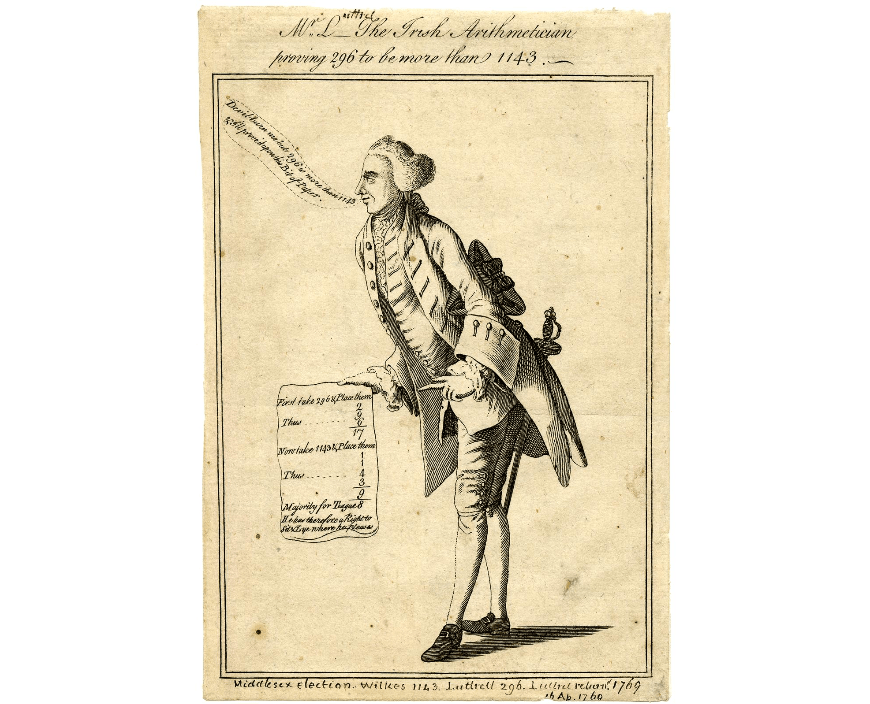
‘Not voting at all’: the election of an imprisoned MP in 1769

2024 represents the 250th anniversary of John Wilkes’s re-election for Middlesex and election as Lord Mayor of London. It was by any measure a remarkable achievement for a man who had been expelled from Parliament and imprisoned; but what of those who were so determined to cast their votes for someone Parliament deemed incapable of being elected? Dr Robin Eagles looks again at the Wilkes … Continue reading ‘Not voting at all’: the election of an imprisoned MP in 1769

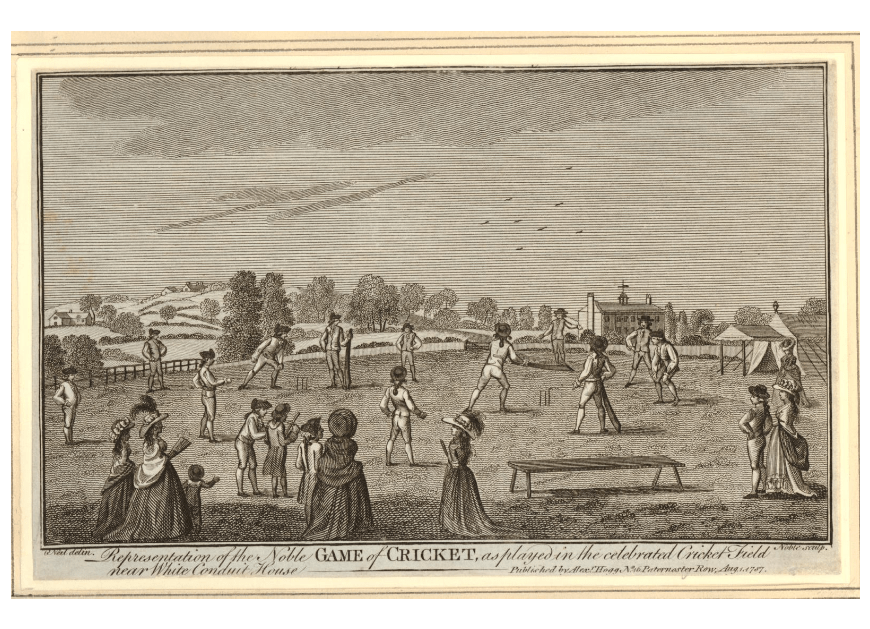
‘Kind patron of the mirthful fray’: the English aristocracy and cricket in the 18th century

The Ashes Test series currently under way provides an opportunity to consider the English aristocracy’s role in cricket’s early development in the 18th century. In this blog for the Georgian Lords Dr Charles Littleton looks back at some of the early developers of the game. Foremost among cricket’s early patrons (according to rank) was the heir to the throne, Frederick, Prince of Wales. Within three … Continue reading ‘Kind patron of the mirthful fray’: the English aristocracy and cricket in the 18th century

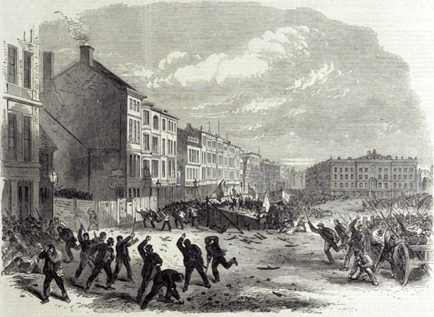
The Secret Ballot: The Secret to Reducing Electoral Violence?

In July 1872, 150 years ago this month, the Ballot Act introduced the secret ballot to all UK parliamentary and local elections. Here guest blogger Dr Gary Hutchison, of the Causes and Consequences of Electoral Violence project, discusses how the secret ballot affected violence at elections. An Interactive Map of over 3,000 violent events, from individual assaults to riots, can be found on their website. … Continue reading The Secret Ballot: The Secret to Reducing Electoral Violence?

Ballot boxes, bills and unions: Harriet Grote (1792-1878) and the public campaign for the ballot, 1832-9

In part six of his article series on Harriet Grote, Dr Martin Spychal, research fellow in our House of Commons 1832-68 project, explores the role of Harriet Grote (1792-1878) in the popular and parliamentary campaign for the ballot during the 1830s. On 18 July 2022 we marked the anniversary of the Ballot Act with an online event, in collaboration with the Parliamentary Archives. This event was recorded … Continue reading Ballot boxes, bills and unions: Harriet Grote (1792-1878) and the public campaign for the ballot, 1832-9