How many people could vote in the UK after the 1832 Reform Act?

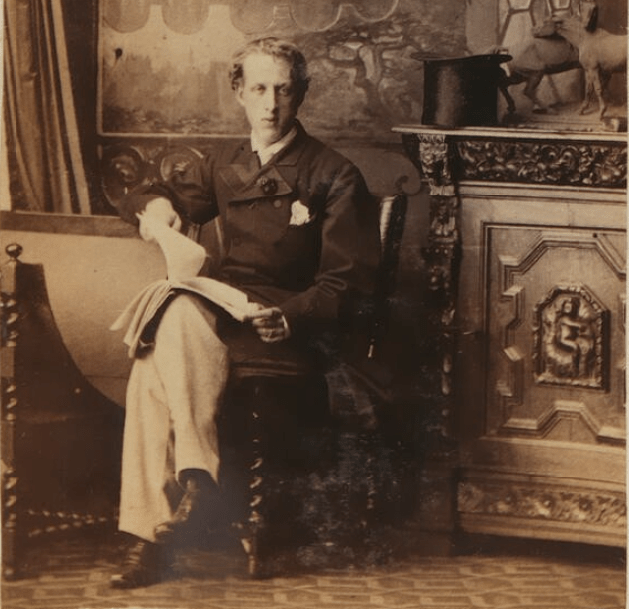
As part of our series of ‘explainer’ articles, aimed at clarifying the workings of the United Kingdom’s historic political system, Dr Martin Spychal examines how many people could vote in the UK after the 1832 Reform Act. This article draws from a new dataset of voting information for each constituency between 1832 and 1867, which Martin has been developing for the History of Parliament’s Commons … Continue reading How many people could vote in the UK after the 1832 Reform Act?

The 1832 Reform Act

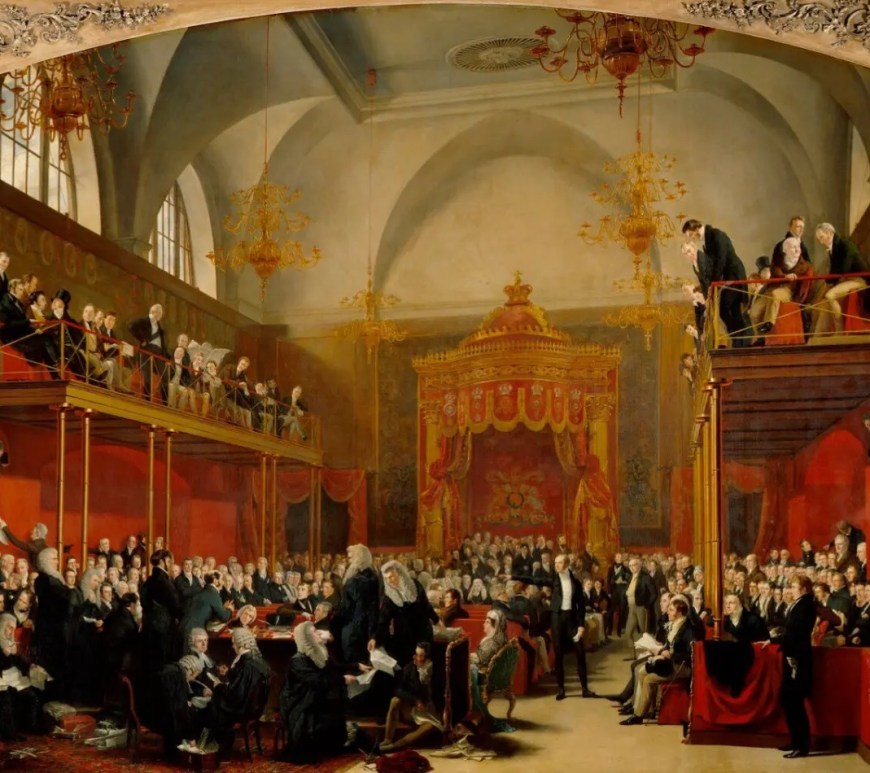
‘Was the 1832 Reform Act “Great”?’ may not be the standard exam question it once was, but ongoing research about the Act’s broader legacy and impact on political culture, based on new resources and analytical techniques, continues to reshape our understanding of its place in modern British political development, as Dr Philip Salmon of our House of Commons, 1832-1945 project explains. For a 20 minute … Continue reading The 1832 Reform Act

House of Lords reform: a Victorian perspective

Unlike the House of Commons, which underwent major ‘democratic’ reform in the 19th century, the Lords remained virtually unchanged during the entire Victorian period. With a new hereditary peers bill now entering its final stages, Dr Philip Salmon explores how and why the House of Lords was able to survive the ‘age of reform’, highlighting constitutional difficulties that still have relevance today. The 19th century … Continue reading House of Lords reform: a Victorian perspective

Harriet Grote (1792-1878) and the first reformed Parliament, 1833-34: a woman at Westminster

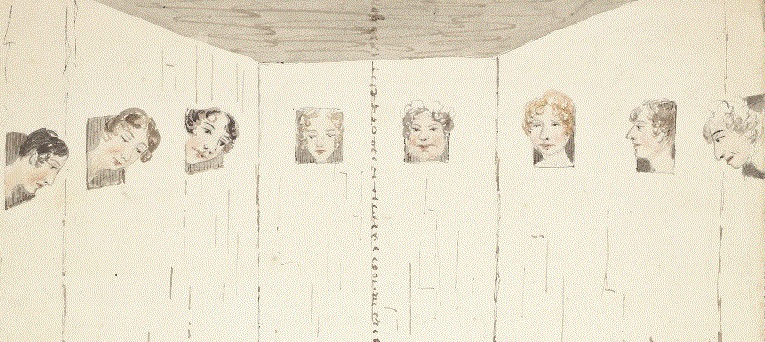
In the third of his articles on Harriet Grote (1792-1878), our research fellow Dr Martin Spychal looks at Harriet’s introduction to politics at Westminster during the first ‘reformed’ Parliament of 1833-34. Harriet Grote (1792-1878) was one of the most important British politicians of the 1830s. As I’ve discussed in my previous articles, she had been a key figure among London’s intellectual radicals during the previous … Continue reading Harriet Grote (1792-1878) and the first reformed Parliament, 1833-34: a woman at Westminster

Ballot boxes, bills and unions: Harriet Grote (1792-1878) and the public campaign for the ballot, 1832-9

In part six of his article series on Harriet Grote, Dr Martin Spychal, research fellow in our House of Commons 1832-68 project, explores the role of Harriet Grote (1792-1878) in the popular and parliamentary campaign for the ballot during the 1830s. On 18 July 2022 we marked the anniversary of the Ballot Act with an online event, in collaboration with the Parliamentary Archives. This event was recorded … Continue reading Ballot boxes, bills and unions: Harriet Grote (1792-1878) and the public campaign for the ballot, 1832-9

‘Restless, turbulent, and bold’: Radical MPs and the opening of the reformed Commons in 1833

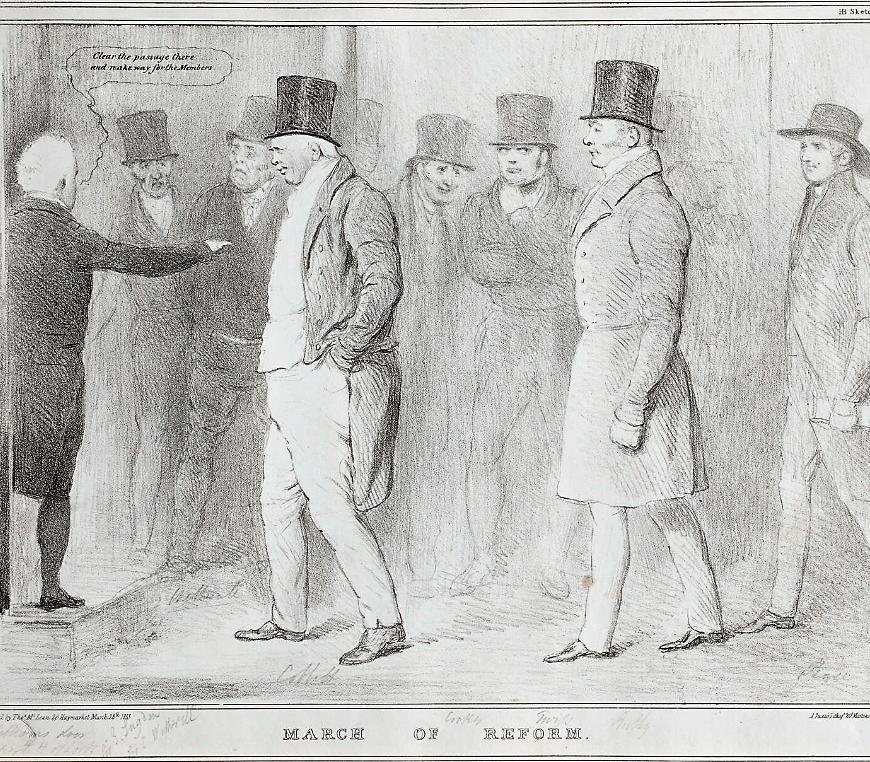
MPs and peers returned to Westminster earlier this month after over a year of upheaval, disruption, and online chambers. In today’s blog Dr Stephen Ball from our Commons 1832-1868 project looks into another eagerly awaited return to Parliament; the first session following the 1832 Reform Act… When the reformed Parliament first met on Tuesday 29 January 1833 many people speculated about the way the reconfigured … Continue reading ‘Restless, turbulent, and bold’: Radical MPs and the opening of the reformed Commons in 1833

The geography of voting behaviour: towards a roll-call analysis of England’s reformed electoral map, 1832-68

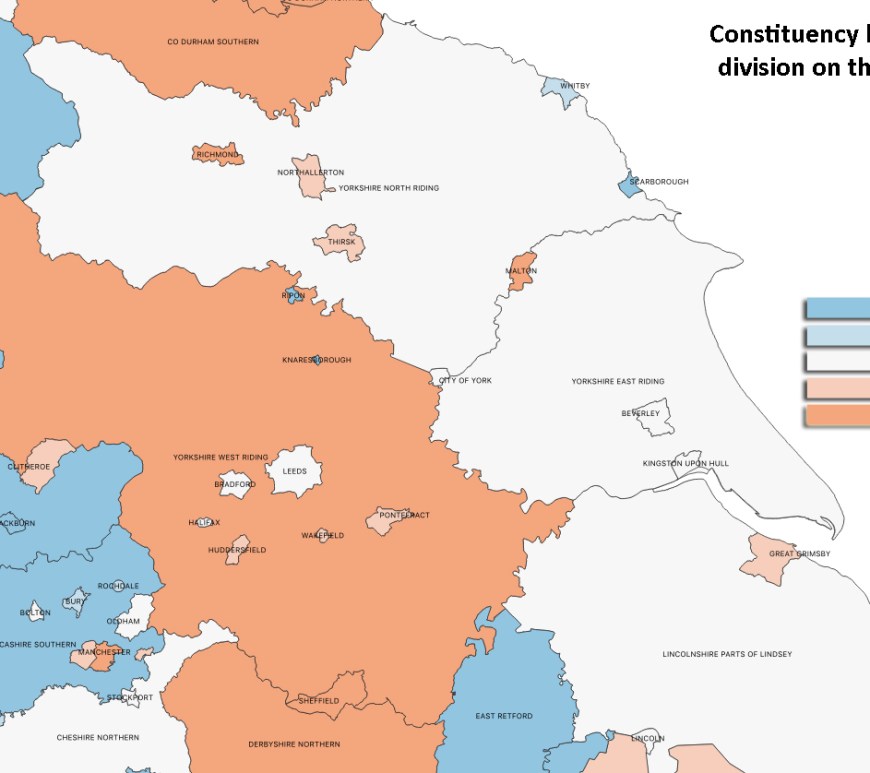
Ahead of next Tuesday’s Virtual IHR Parliaments, Politics and People seminar, we hear from Dr Martin Spychal, of the History of Parliament. On 16 March 2021, between 5.15 p.m. and 6.30 p.m., Martin will be responding to your questions about his pre-circulated paper on the geography of voting behaviour in Parliament between 1832 and 1868. Details of how to join the discussion are available here, or by contacting  seminar@histparl.ac.uk. … Continue reading The geography of voting behaviour: towards a roll-call analysis of England’s reformed electoral map, 1832-68

A Highland canvass in a ‘pocket county’: Ronald Gower (1845-1916) and the 1867 Sutherland by-election

Continuing our series on Scotland and his series on Lord Ronald Gower (1845-1916), Dr Martin Spychal, research fellow for the House of Commons 1832-1868 project, uses Gower’s diaries to provide some rare insights into mid-Victorian electioneering in the ‘pocket county’ of Sutherland. If there was a History of Parliament award for ‘constituency most under the thumb of an aristocratic patron’, the Highland county of Sutherland … Continue reading A Highland canvass in a ‘pocket county’: Ronald Gower (1845-1916) and the 1867 Sutherland by-election

Oxfordshire Local History: Abingdon in the nineteenth century

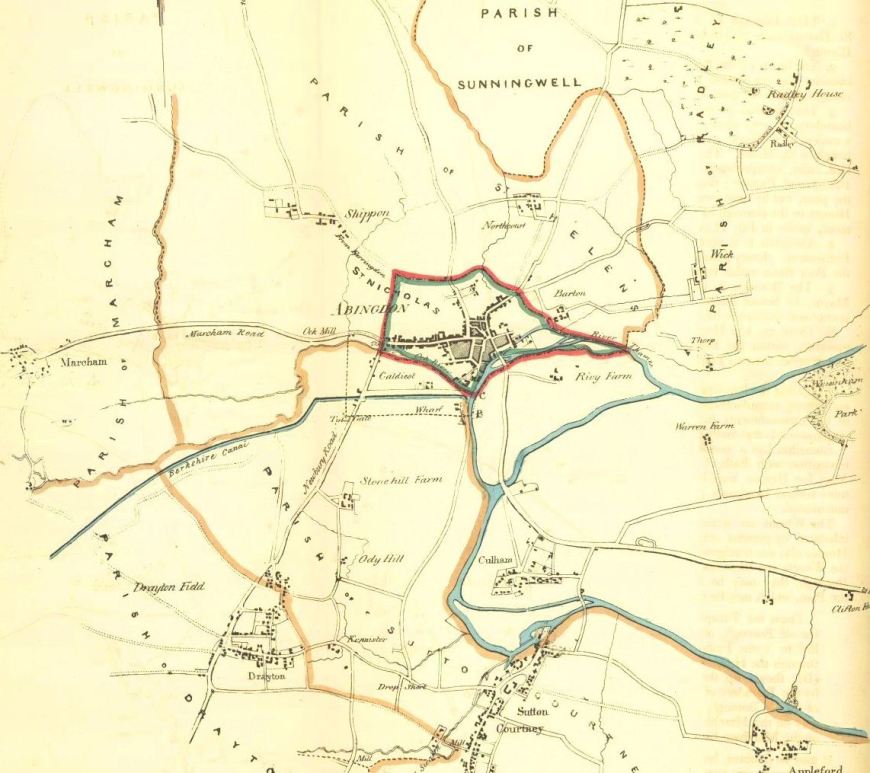
This month’s local history focus has been Oxfordshire. In today’s blog Dr Philip Salmon, editor of the House of Commons 1832-1945 project, looks at the constituency of Abingdon, since 1974 within Oxfordshire, but historically part of the adjacent county of Berkshire. Abingdon was widely regarded as an easily managed ‘pocket’ or ‘nomination’ borough during the 19th century. For a while at least it certainly had … Continue reading Oxfordshire Local History: Abingdon in the nineteenth century

York: exploring the local history of a Victorian constituency

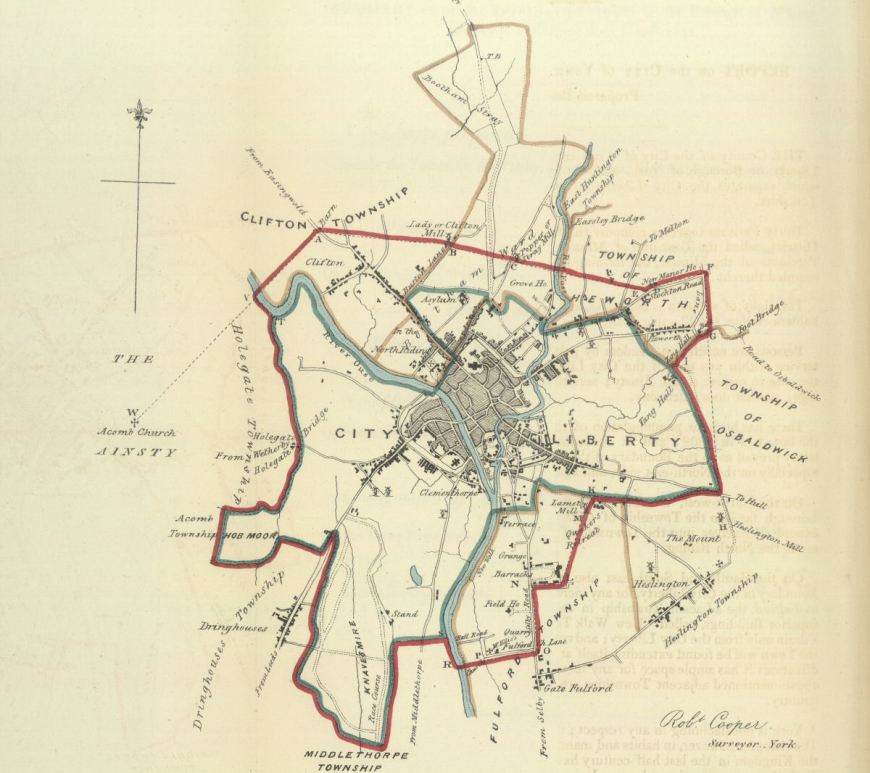
Alongside biographies of 2,591 MPs, our House of Commons 1832-68 project is also researching and writing articles on the 401 English, Irish, Scottish and Welsh constituencies in existence during this period. Following on from this month’s earlier local history post on York, this blog takes this constituency as an example to explain some of the key features of our constituency articles, and how they might … Continue reading York: exploring the local history of a Victorian constituency