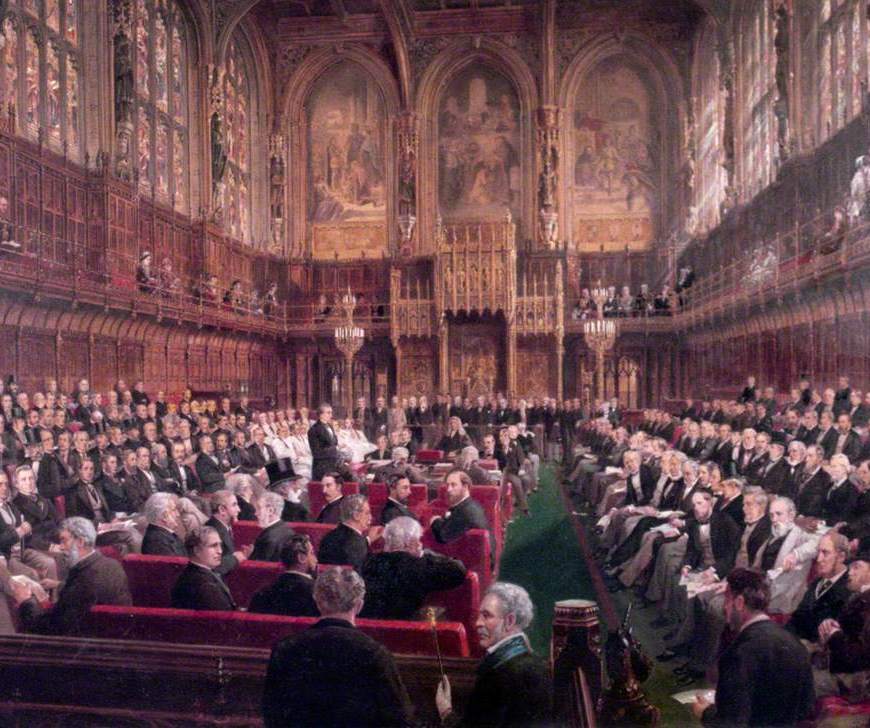
The role and power of the Victorian House of Lords

Dr Philip Salmon looks at a key element of Parliament which we don’t usually have much opportunity to reflect on in our work on Victorian MPs and constituencies: the House of Lords. As he explains below, the upper chamber played a vital role in many important 19th century reforms and continued to wield significant influence even after the 1911 Parliament Act. The House of Lords … Continue reading The role and power of the Victorian House of Lords

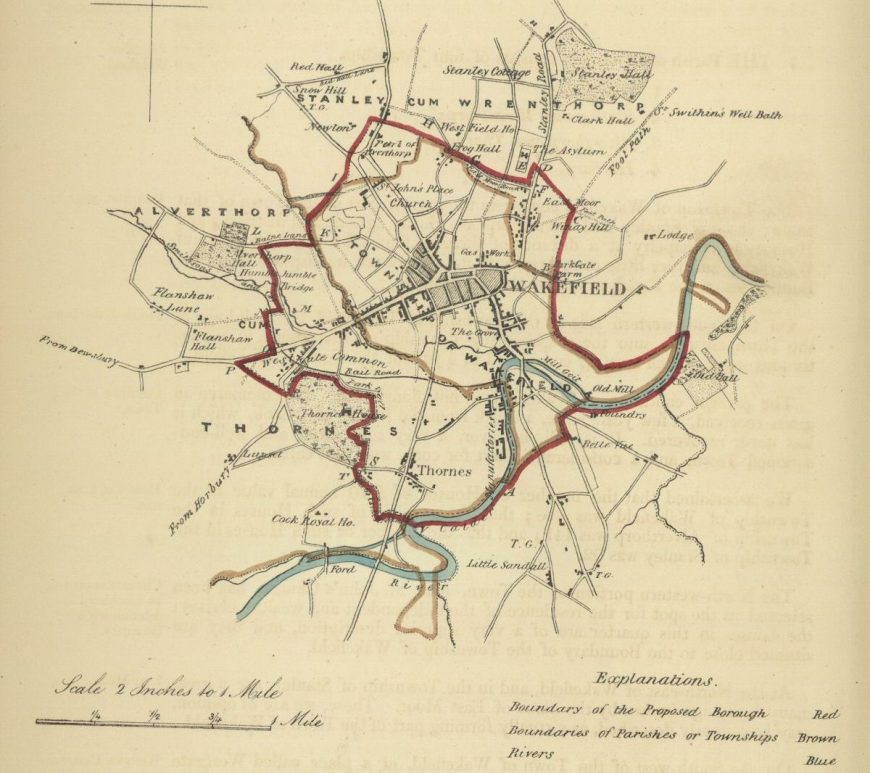
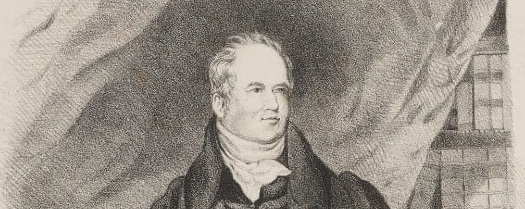
‘I have attached myself to no party’: Daniel Gaskell and parliamentary life in the 1830s

Our Victorian Commons project is shedding new light on the increasingly important role played in the behind-the-scenes business of the post-1832 House of Commons, particularly in the committee-rooms, by MPs who came from non-elite backgrounds. Dr Kathryn Rix looks at the life and career of Daniel Gaskell (1782-1875), including his friendship with the author Mary Shelley. Described by the novelist Mary Shelley as ‘a plain … Continue reading ‘I have attached myself to no party’: Daniel Gaskell and parliamentary life in the 1830s

‘The status of the Press is changed indeed’: the reporters’ gallery in the nineteenth-century House of Commons

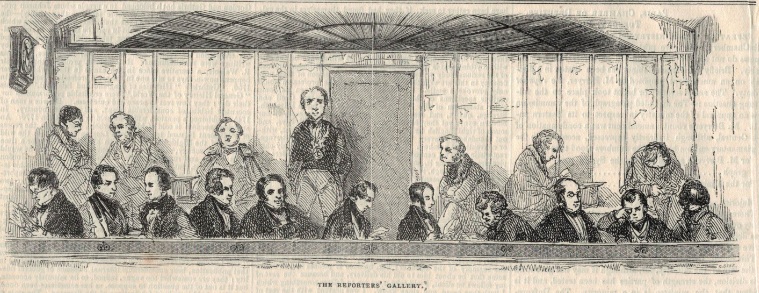
Continuing our series on parliamentary buildings, Dr Kathryn Rix looks at the accommodation provided for the newspaper journalists who reported on the proceedings of the nineteenth-century House of Commons. The history of parliamentary reporting in the 19th century has two connected strands: the history of Hansard, and the history of reporting by the newspaper press, whose accounts of Commons debates formed the basis for Hansard’s … Continue reading ‘The status of the Press is changed indeed’: the reporters’ gallery in the nineteenth-century House of Commons

From Jockeys to Ministers: How Horse Racing Shaped Rockingham’s First Ministry

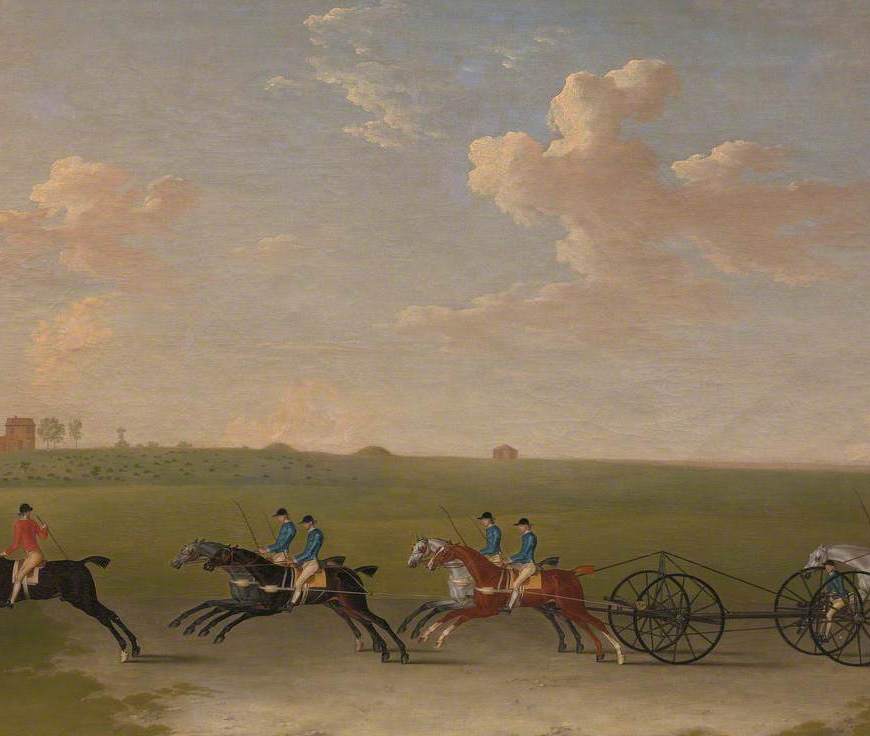
In the latest post for the Georgian Lords, we welcome Ioannes Chountis de Fabbri from the University of Aberdeen, who considers the importance of horse racing in the formation of the Rockingham administration of 1765. The structure of mid-eighteenth-century politics was often defined as much by social custom as by constitutional form. What Leslie Mitchell has called the ‘circle of acquaintances’ of the ruling, largely … Continue reading From Jockeys to Ministers: How Horse Racing Shaped Rockingham’s First Ministry

The ‘beautiful boy’ of the Commons: Lord Ronald Gower (1845-1916) and sexual identity in Parliament at the time of the Second Reform Act

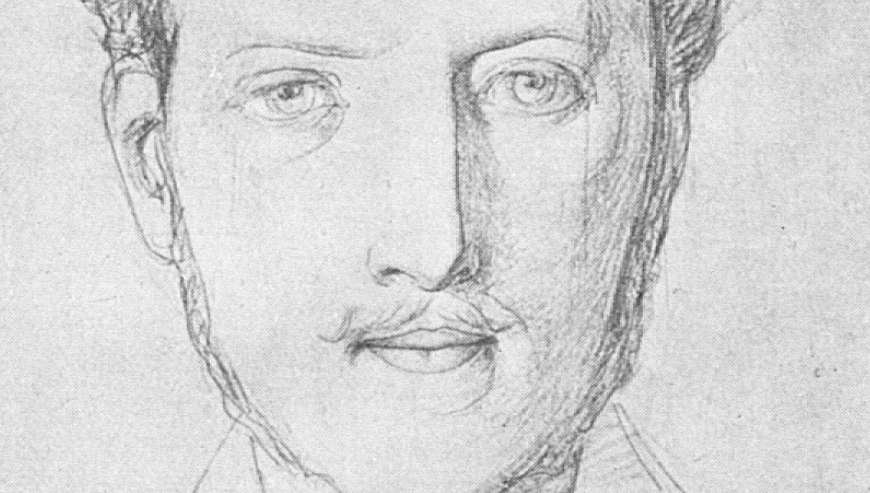
In the third of his article series on Lord Ronald Gower (1845-1916), Dr Martin Spychal explores Gower’s parliamentary reputation as the ‘beautiful boy’ of the Commons, and his increasing disaffection with conventional aristocratic society during the 1868 parliamentary session. In May 1868 the twenty-two-year-old MP for Sutherlandshire, Ronald Gower (1845-1916), made his maiden parliamentary speech. When reporting on the speech the Leeds Mercury shared some … Continue reading The ‘beautiful boy’ of the Commons: Lord Ronald Gower (1845-1916) and sexual identity in Parliament at the time of the Second Reform Act

John Potter, an unusual Archbishop of Canterbury

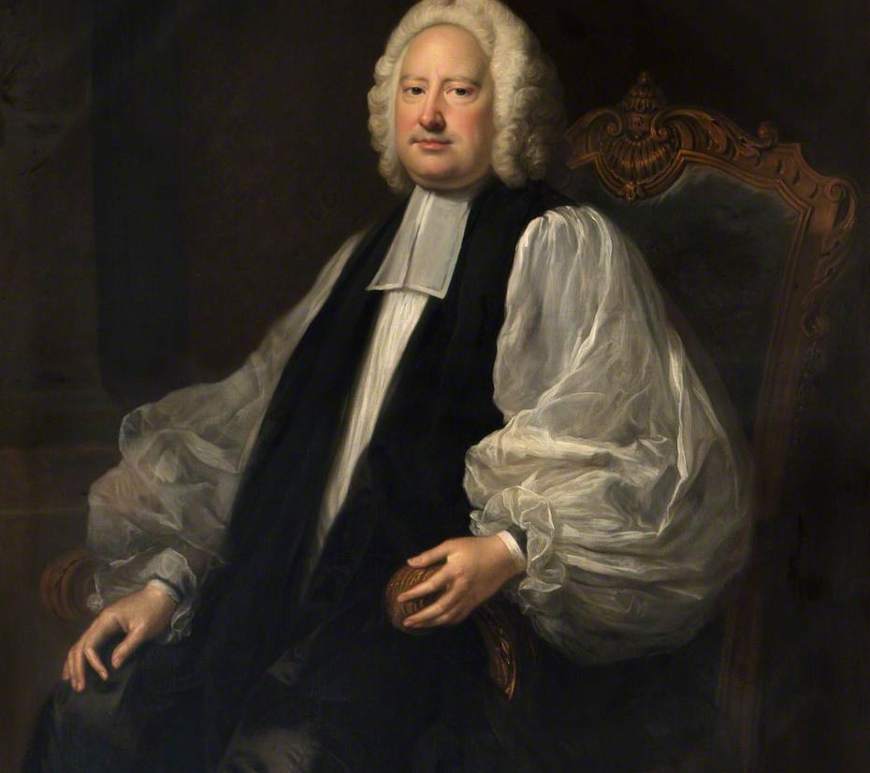
In the latest blog for the Georgian Lords, Dr Robin Eagles examines the career of one of the lesser known Archbishops of Canterbury, who was able to make use of his August 1715 sermon celebrating the accession of George I to press forward his career in the Church. Every 30 January, the rhythm of the parliamentary session in the 17th and 18th centuries was adjusted … Continue reading John Potter, an unusual Archbishop of Canterbury

Beyond the Census: John Rickman and Parliament

At the IHR Parliaments, Politics and People seminar on 17 June 2025, Professor Julian Hoppit, Honorary Professor of British History at UCL, will be discussing John Rickman and his career in Parliament. The seminar takes place on 17 June 2025, between 5:30 and 6.30 p.m. It will be hosted online via Zoom. Details of how to join the discussion are available here. John Rickman (1771-1840) is best known … Continue reading Beyond the Census: John Rickman and Parliament

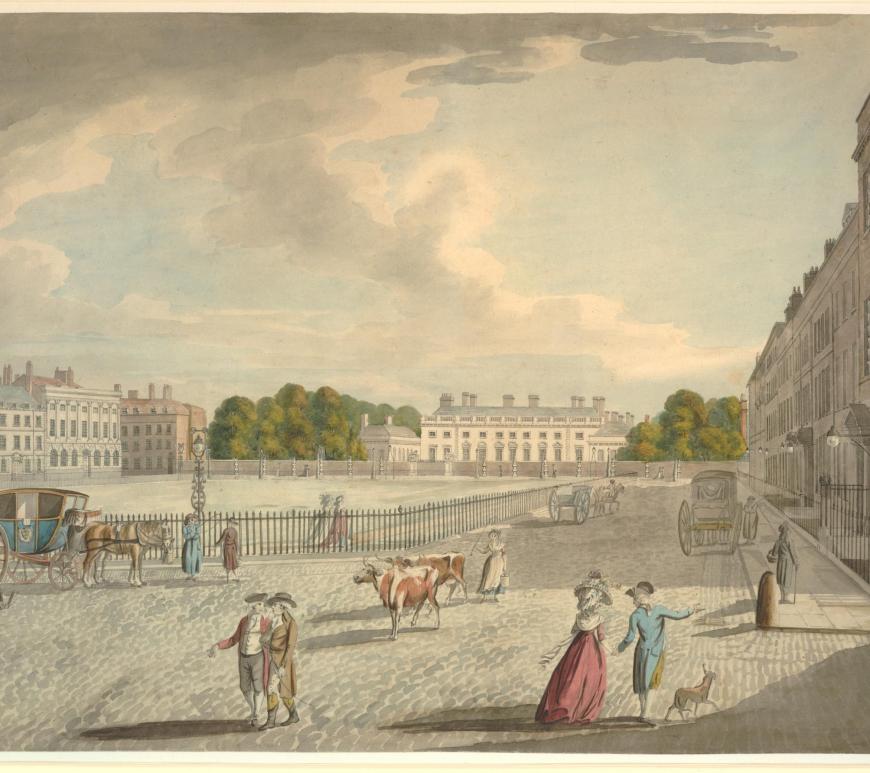
Bloomsbury Square and the Gordon Riots

For almost 20 years, Bloomsbury Square has been the home to the History of Parliament. In the latest post for the Georgian Lords, Dr Robin Eagles considers the history of the square in one of its most turbulent periods. Bloomsbury Square, and its immediate surroundings, have long been associated with prominent political figures. In 1706, several peers had residences in the square, notably the (2nd) … Continue reading Bloomsbury Square and the Gordon Riots

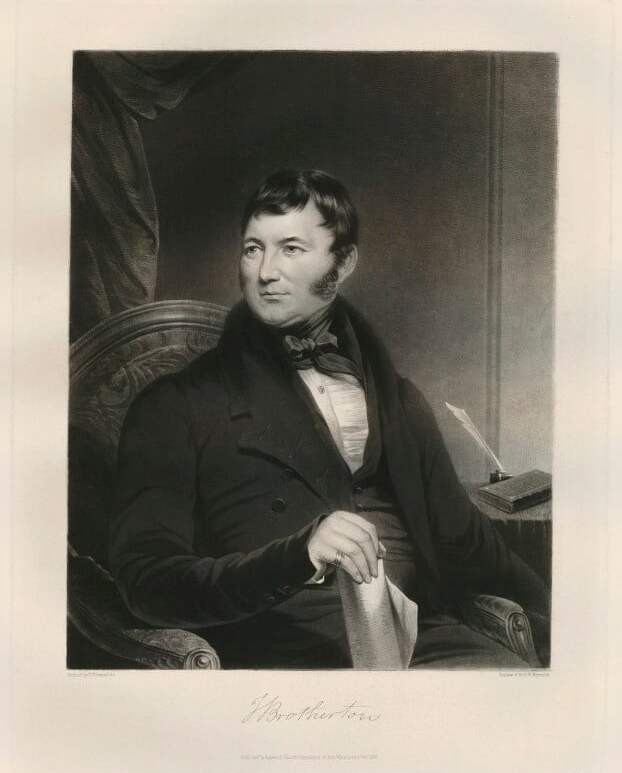
‘I shall persist’: Joseph Brotherton (1783-1857) and late hours in the Commons

Among the new constituencies created by the 1832 Reform Act was Salford, whose first MP, Joseph Brotherton, proved to be a notably hard-working member of the Commons. Dr Kathryn Rix, Assistant Editor of our House of Commons, 1832-1945 project, examines the career of this diligent backbencher, shedding light on the timetable of the parliamentary day. In 1832 the borough of Salford elected its first MP, … Continue reading ‘I shall persist’: Joseph Brotherton (1783-1857) and late hours in the Commons

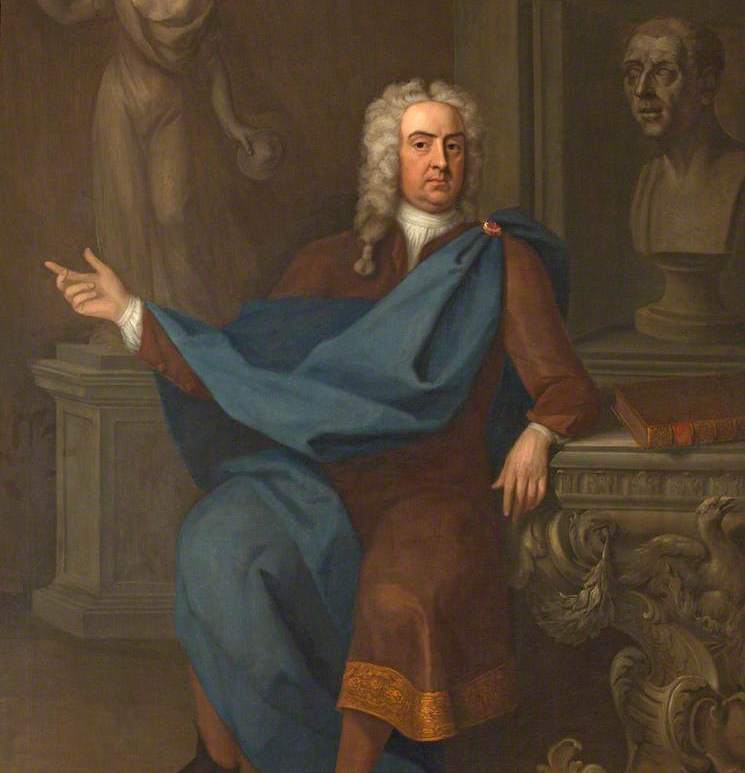
Painting of a man in 18th-century dress with a long grey wig, wearing a brown coat with a blue robe set among classical figures.

Some thoughts on William Pulteney, earl of Bath

The 31 May 2025 marks Dr Stuart Handley’s last day at the History of Parliament. One of his last biographies for The House of Lords, 1715-90 has been William Pulteney, earl of Bath. It will be the third History of Parliament biography of Pulteney, his long career having been covered by Dr Andrew Hanham in The House of Commons, 1690-1715, and by Dr Romney Sedgwick … Continue reading Some thoughts on William Pulteney, earl of Bath