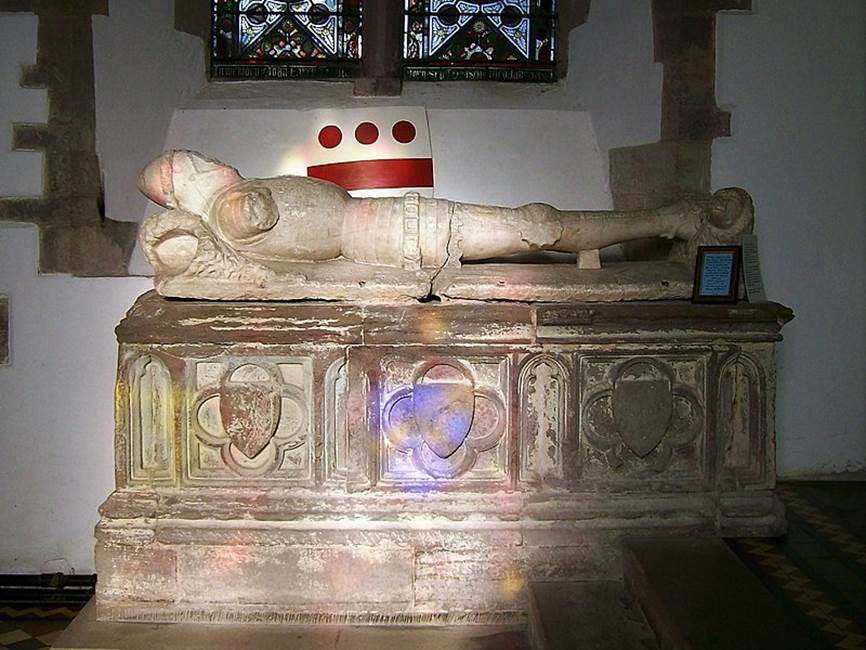
A Yorkist Family during the Wars of the Roses: the Devereuxs of Weobley in Herefordshire

Dr Simon Payling, of our Commons 1461-1504 section, explores the fortunes of one particularly loyal Yorkist family during the Wars of the Roses. For leading landowning families ready to commit themselves to one side or the other, the Wars of the Roses offered both hazard and opportunity. In terms of the latter, that commitment needed to be whole-hearted, but not necessarily consistent. So frequent were the … Continue reading A Yorkist Family during the Wars of the Roses: the Devereuxs of Weobley in Herefordshire

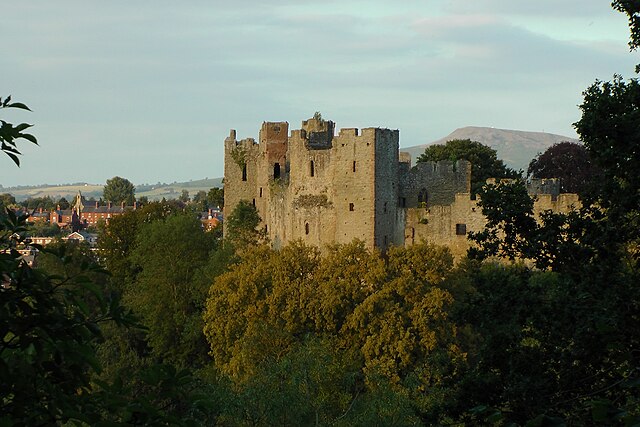
The Making of a Marcher Town: Ludlow and the Wars of the Roses

Dr Simon Payling, of our Commons 1461-1504 section, explores the crucial role of the Shropshire town of Ludlow during the Wars of the Roses. Political geography ensured that the town of Ludlow would, for good or ill, play some part in the great civil conflict that began when its lord, Richard, duke of York, moved into active opposition to the government of his cousin, Henry VI. … Continue reading The Making of a Marcher Town: Ludlow and the Wars of the Roses

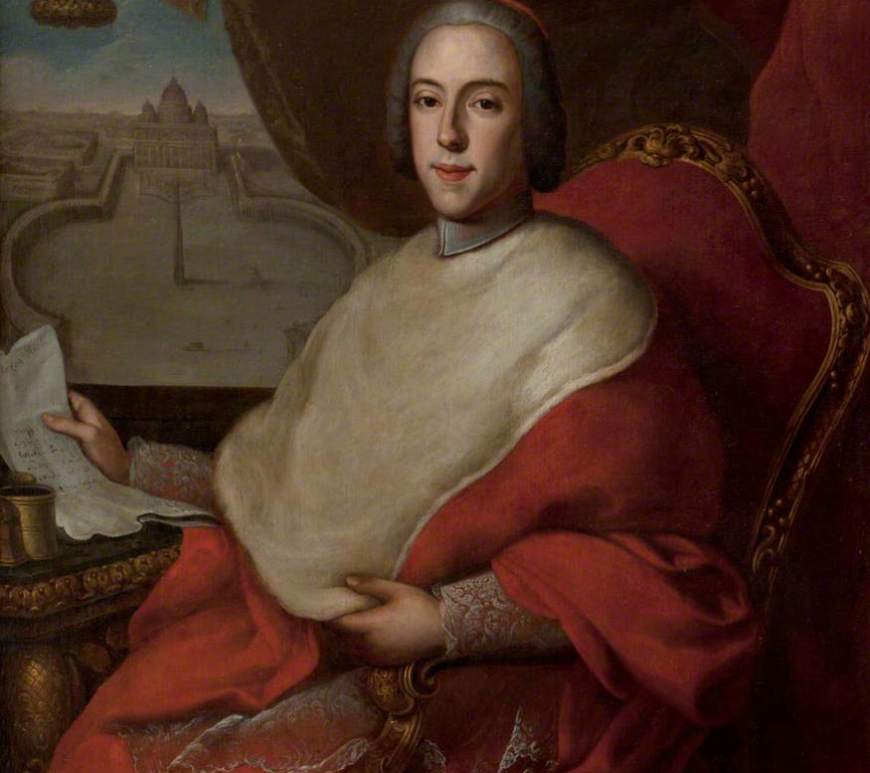
The Last of the Jacobites: Henry Benedict

Henry Benedict, Cardinal York (1725-1807), born 300 years ago this March, was the last member of the royal family to take an active role in a papal Conclave, when he participated in the election of Pope Pius VII at Venice in 1800. Dr Robin Eagles investigates how he found himself in that position… On 6 March 1725, Pope Benedict XIII (1724-30) was roused from a … Continue reading The Last of the Jacobites: Henry Benedict

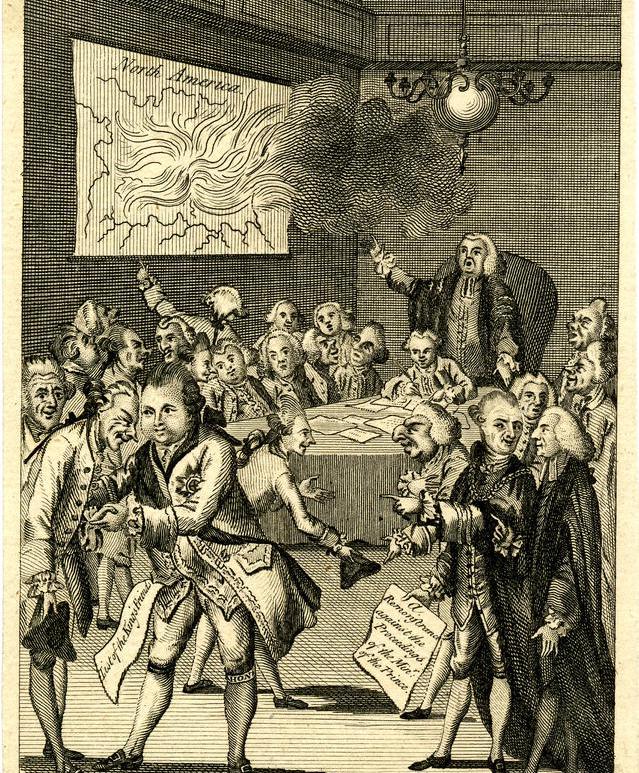
Background to the American Revolution

As part of a new infrequent series on the American Revolution and its connection to Parliament, Dr Robin Eagles explores the immediate background to the Revolution, and early Parliamentary debates surrounding it in February 1775. At the beginning of 1775, pretty much every British politician agreed that something needed to be done about America, with many eager to find a way to reconcile both parties … Continue reading Background to the American Revolution

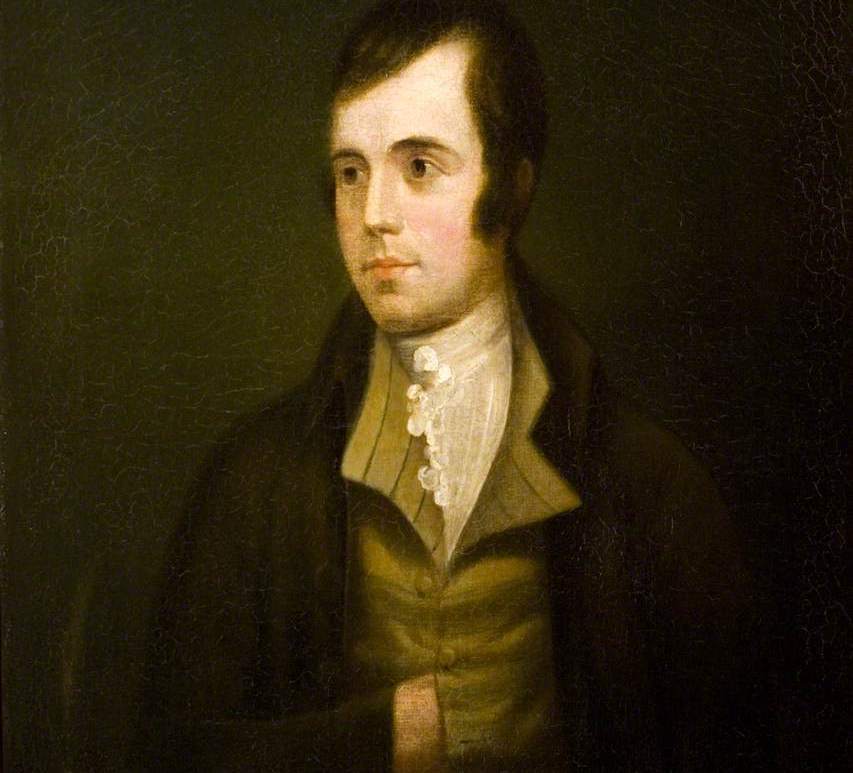
Portrait of a young man with dark hair wearing 18th-century clothing, a dark coat and a buff waistcoat

Robert Burns in Edinburgh: peers, patrons, and politics

In the wake of Burns Night, it is worth considering how the patronage of a small number of Scottish nobles helped Robert Burns become established as the national bard. In his latest piece for the Georgian Lords, Dr Charles Littleton, considers the important role played by a clutch of elite Scots families. Burns first published his Poems, Chiefly in the Scottish Dialect, in Kilmarnock in … Continue reading Robert Burns in Edinburgh: peers, patrons, and politics

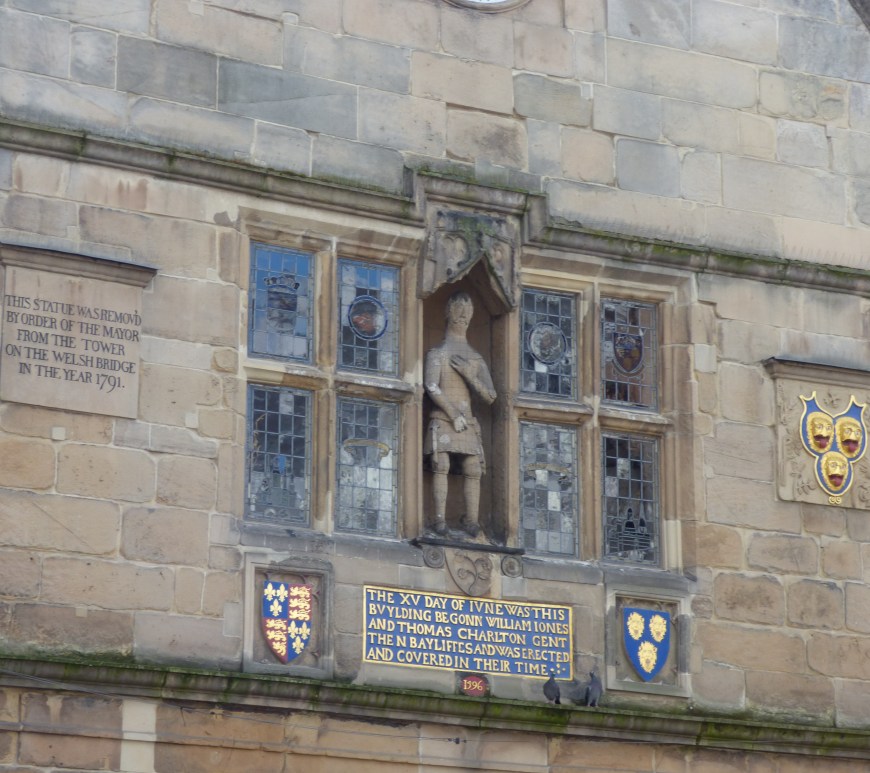
The town of Shrewsbury and the Wars of the Roses: The campaigns of 1459-61

Dr Simon Payling, of our Commons 1461-1504 section, explores the political allegiance of the Shropshire town of Shrewsbury during the Wars of the Roses. While, during the Wars of the Roses, the political allegiances of individual noblemen are relatively easy to determine, those of individual towns are generally obscured. This is not surprising, for the notion of the corporate allegiance of a town is a … Continue reading The town of Shrewsbury and the Wars of the Roses: The campaigns of 1459-61

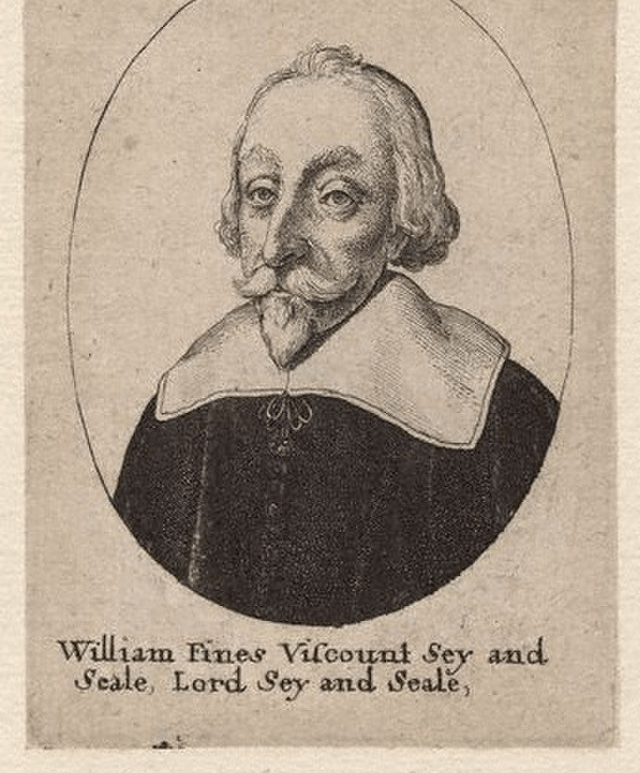
Lord Saye and Sele and the Battle for Oxford

In our first ‘Revolutionary Stuart Parliaments‘ article of 2025, Editor of the 1640-60 House of Lords section, Dr David Scott, considers the leading parliamentarian peer, Viscount Saye and Sele, and his relationship with the archbishop of Canterbury, William Laud. ‘The Warre was begun in our streets before the King or Parliament had any Armies’ concluded the renowned church leader Richard Baxter about the outbreak of … Continue reading Lord Saye and Sele and the Battle for Oxford

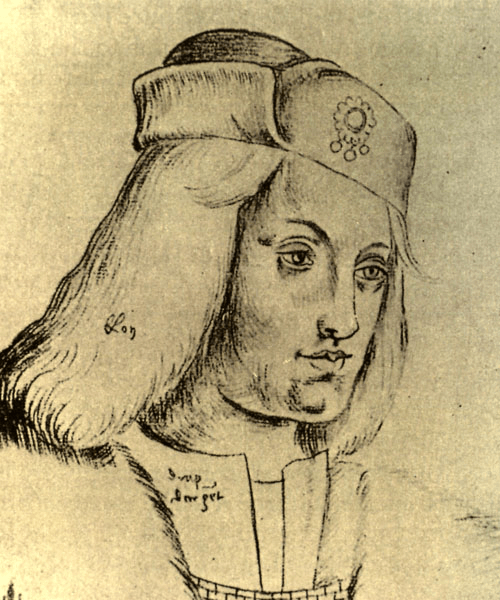
Unrest in the West: The Perkin Warbeck Conspiracy

On this day, 1499, Perkin Warbeck, a pretender to the English throne, was hanged for treason, bringing an end to one of the most significant threats to Henry VII’s reign. Dr Hannes Kleineke, editor of our House of Commons 1461-1504 section, recounts the story of the Warbeck Conspiracy. Some three years after Lambert Simnel had taken up his post as Henry VII’s kitchen boy, another … Continue reading Unrest in the West: The Perkin Warbeck Conspiracy

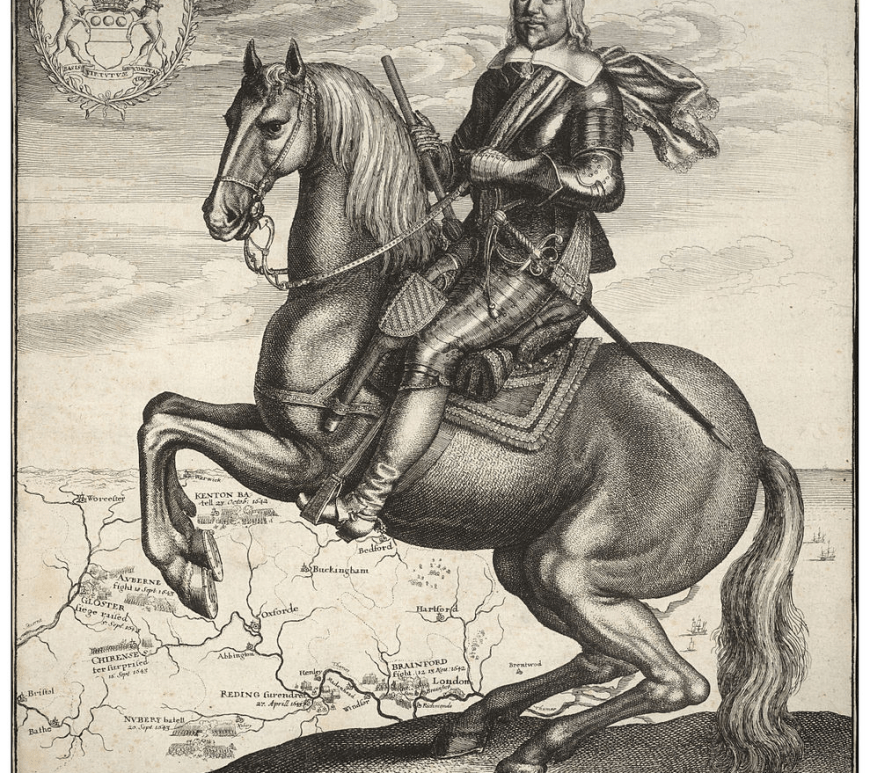
‘Friendship and alliance’: the marquess of Hertford and the earl of Essex

In the latest Revolutionary Stuart Parliaments article, Dr Patrick Little looks at the relationship between two brothers-in-law who ended up on opposing sides during the civil war. William Seymour, 2nd earl (and later 1st marquess) of Hertford married Frances Devereux, sister of Robert Devereux, 3rd earl of Essex, in 1617. This was a match between two powerful families, both of which had experienced the ups … Continue reading ‘Friendship and alliance’: the marquess of Hertford and the earl of Essex

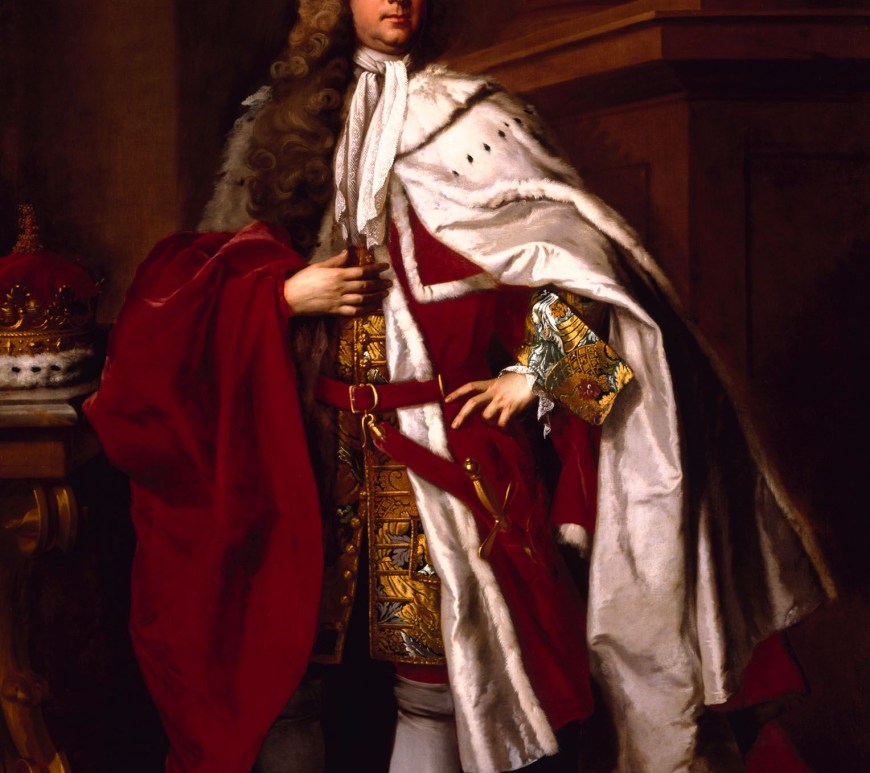
‘The most surprising instance of a change of fortune raised by a man himself’: the case of James Brydges, 1st duke of Chandos

In the latest blog for the Georgian Lords, Dr Charles Littleton, considers the career of the 1st duke of Chandos, a man who rose to become one of the most flamboyant peers of the early 18th century and a key patron of the composer, Handel. Last month saw the 280th anniversary of the death of an intriguing and, in his time, prominent 18th-century aristocrat. Intriguing, … Continue reading ‘The most surprising instance of a change of fortune raised by a man himself’: the case of James Brydges, 1st duke of Chandos