The evolving electoral system: the 1835 and 1865 general elections compared

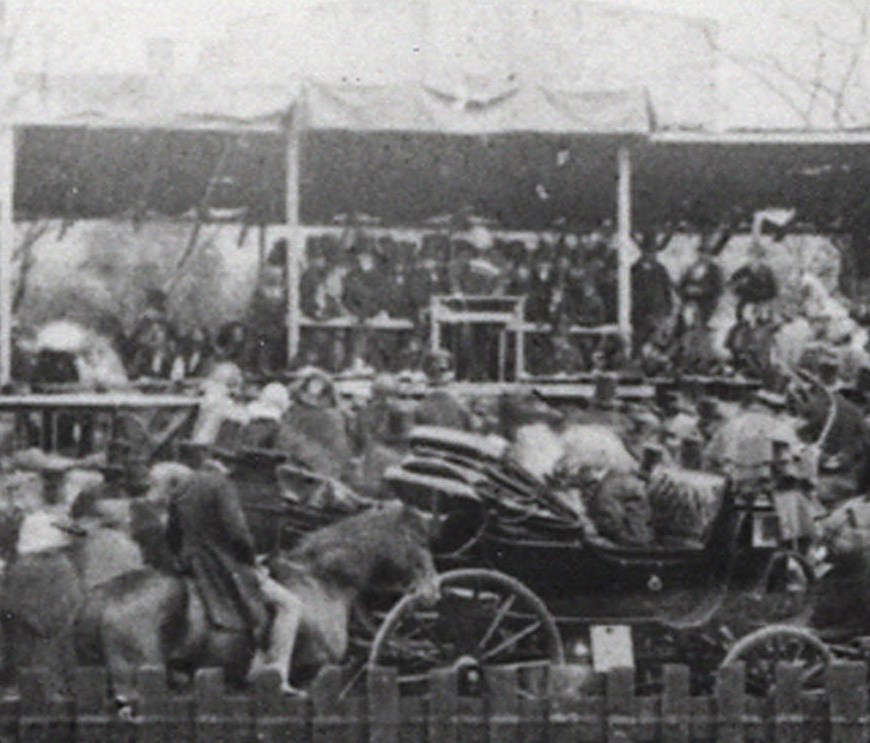
This year marks the 190th anniversary of the 1835 general election and the 160th anniversary of the 1865 general election. Our assistant editor Dr Kathryn Rix looks at some of the ways in which the electoral system had evolved in the thirty years between them. The 1835 and 1865 general elections both took place under the electoral system established by the 1832 Reform Act, with … Continue reading The evolving electoral system: the 1835 and 1865 general elections compared

‘Those dark little rooms’: Cecil Forester, the Carlton Club and electoral corruption

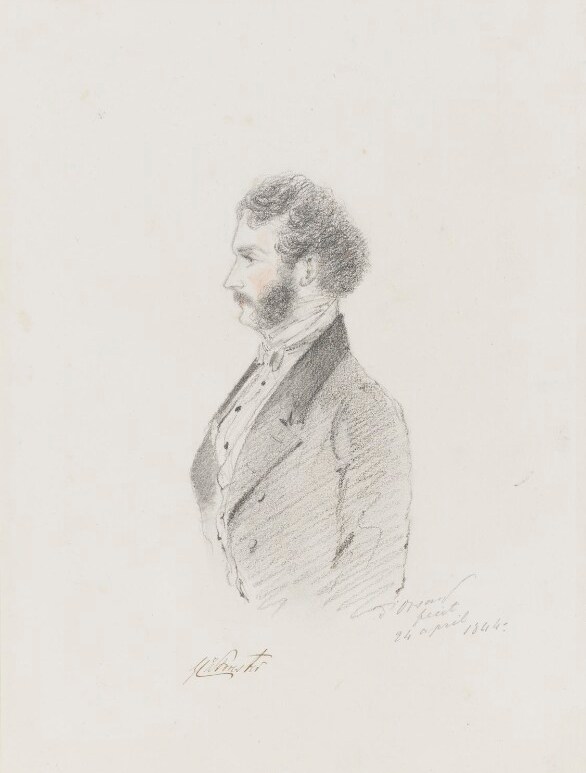
Drawing on her first biography for the House of Commons, 1832-1868 project, our new research fellow Dr Naomi Lloyd-Jones looks at the behind the scenes involvement of the long-serving Conservative MP Cecil Forester in the electioneering activities of the Carlton Club and the murky world of electoral corruption. George Cecil Weld Forester (1807-86), or Cecil Forester as he was known, was Conservative MP for the … Continue reading ‘Those dark little rooms’: Cecil Forester, the Carlton Club and electoral corruption

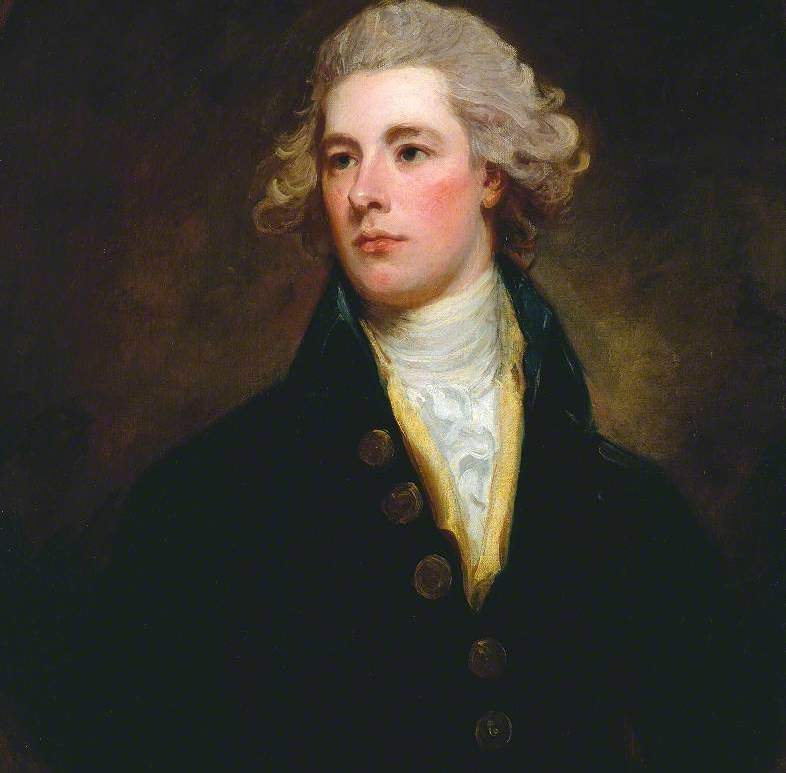
portrait of a young man in 18th-century dress

‘of all others most desirable’: Pitt the Younger and elections for Cambridge

From the onset of his lengthy political career, William Pitt the Younger had his eyes fixed on representing his alma mater, the University of Cambridge. Writing to his mother in July 1779, he observed that the University seat was ‘of all others most desirable, as being free from expense, perfectly independent, and I think in every respect extremely honourable’. In this latest guest post for … Continue reading ‘of all others most desirable’: Pitt the Younger and elections for Cambridge

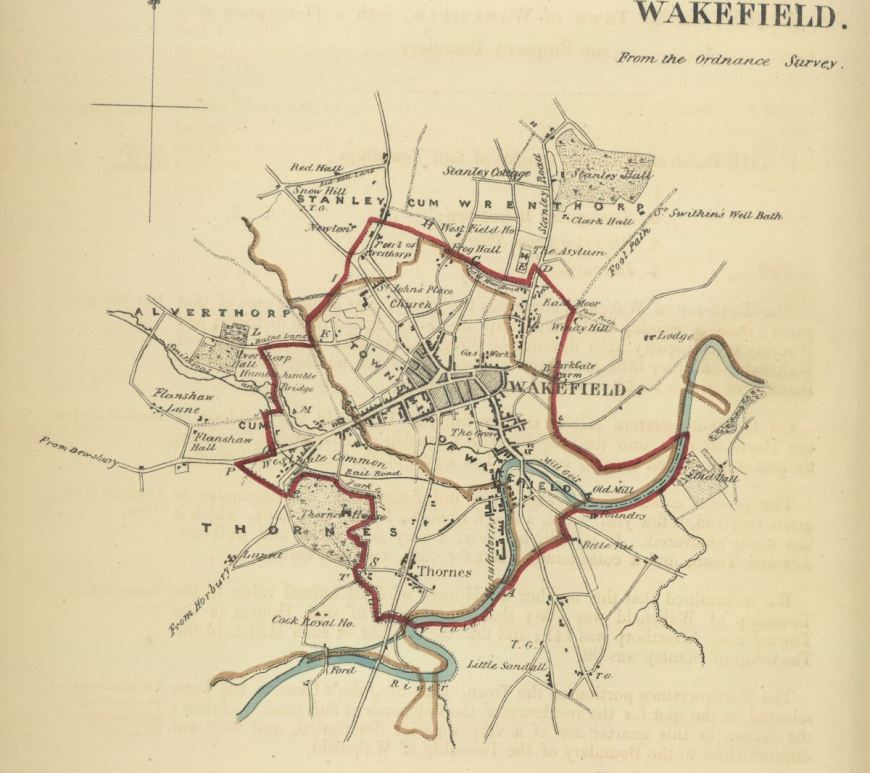
Joseph Holdsworth (1789-1857): candidate or returning officer?

In this article Dr Kathryn Rix of our House of Commons 1832-1945 project looks at a very unusual case – the MP who lost his seat in Parliament because he had technically also been the returning officer for his constituency at the time of his election. In July 1841 Joseph Holdsworth (1789-1857), a prosperous local dyer, was elected as Liberal MP for his native town … Continue reading Joseph Holdsworth (1789-1857): candidate or returning officer?

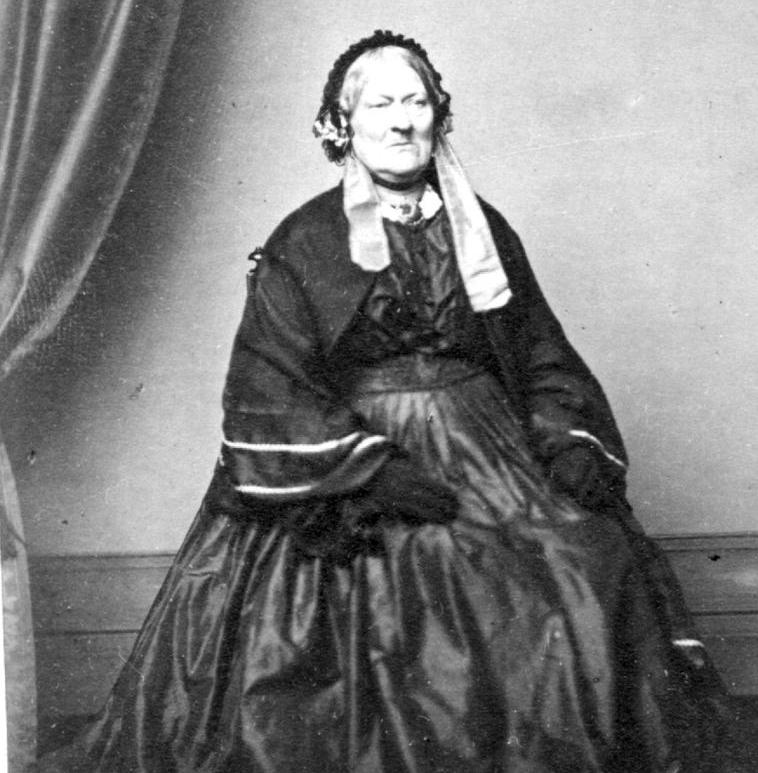
‘A woman actually voted!’: Lily Maxwell and the Manchester by-election of November 1867

More than half a century before the partial enfranchisement of women in 1918, Lily Maxwell, a Manchester shopkeeper, cast a parliamentary vote. Dr Kathryn Rix explores her story. After decades of campaigning for ‘Votes for Women’, the 1918 Representation of the People Act gave the parliamentary vote to some (but not all) women. Yet more than fifty years earlier, on 26 November 1867, Lily Maxwell … Continue reading ‘A woman actually voted!’: Lily Maxwell and the Manchester by-election of November 1867

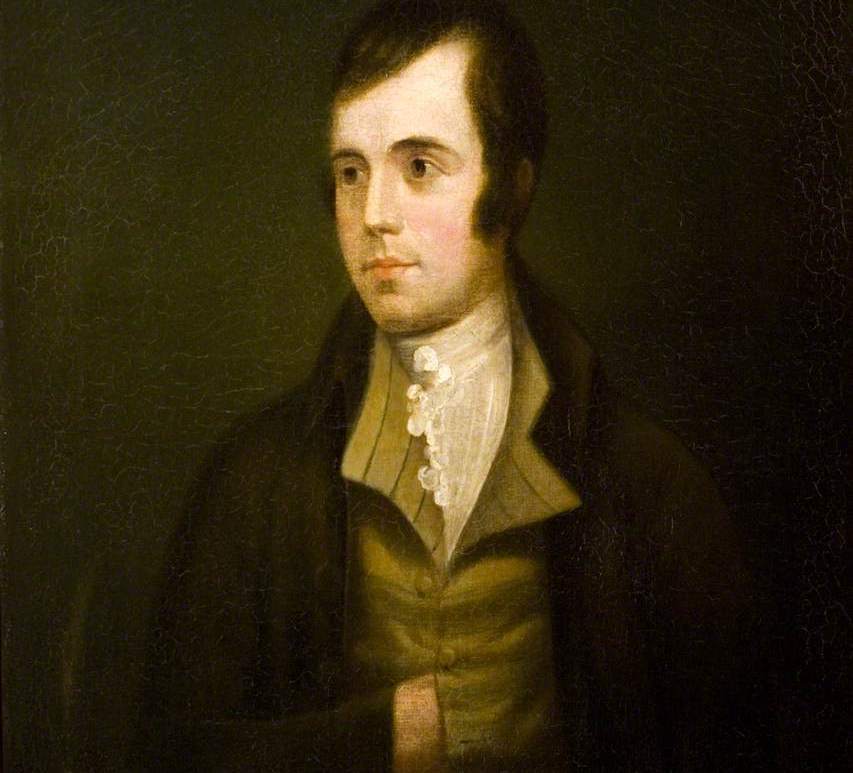
Portrait of a young man with dark hair wearing 18th-century clothing, a dark coat and a buff waistcoat

Robert Burns in Edinburgh: peers, patrons, and politics

In the wake of Burns Night, it is worth considering how the patronage of a small number of Scottish nobles helped Robert Burns become established as the national bard. In his latest piece for the Georgian Lords, Dr Charles Littleton, considers the important role played by a clutch of elite Scots families. Burns first published his Poems, Chiefly in the Scottish Dialect, in Kilmarnock in … Continue reading Robert Burns in Edinburgh: peers, patrons, and politics

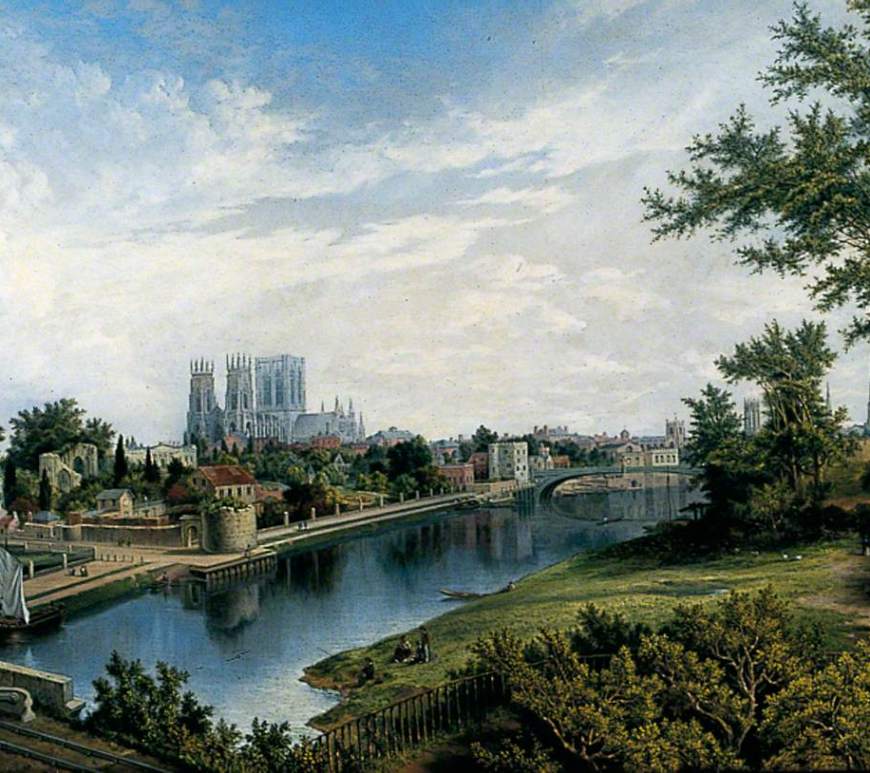
The impact of the 1883 Corrupt Practices Act: the York by-election

Continuing her series on the 1883 Corrupt Practices Act, Dr Kathryn Rix looks at its impact on electioneering, focusing on the November 1883 York by-election, which was the first parliamentary election held in England under the Act’s terms. The 1883 Corrupt and Illegal Practices Prevention Act, a landmark reform aimed at tackling the corruption and expense of elections, received royal assent on 25 August 1883, … Continue reading The impact of the 1883 Corrupt Practices Act: the York by-election

Cynog Dafis: Britain’s first Green MP?

While Caroline Lucas is commonly referred to as Britain’s first Green Member of Parliament, Cynog Dafis, who entered parliament as the Plaid Cymru MP for Ceredigion and North Pembrokeshire nearly twenty years earlier, could also claim this title. Alfie Steer explores Dafis’ political career, and the unusual electoral alliance between Plaid Cymru and the Green Party in the 1990s. The 2024 general election saw the … Continue reading Cynog Dafis: Britain’s first Green MP?

Did you know, Lord George Gordon had two brothers?

In his latest post for the Georgian Lords, Dr Stuart Handley looks into the family of the notorious Lord George Gordon, who was at the centre of the political storm that resulted in the 1780 ‘Gordon Riots’ that rocked London and other British towns and cities… The recent riots engulfing parts of Britain have rekindled interest in the propensity of the populace to riot during … Continue reading Did you know, Lord George Gordon had two brothers?

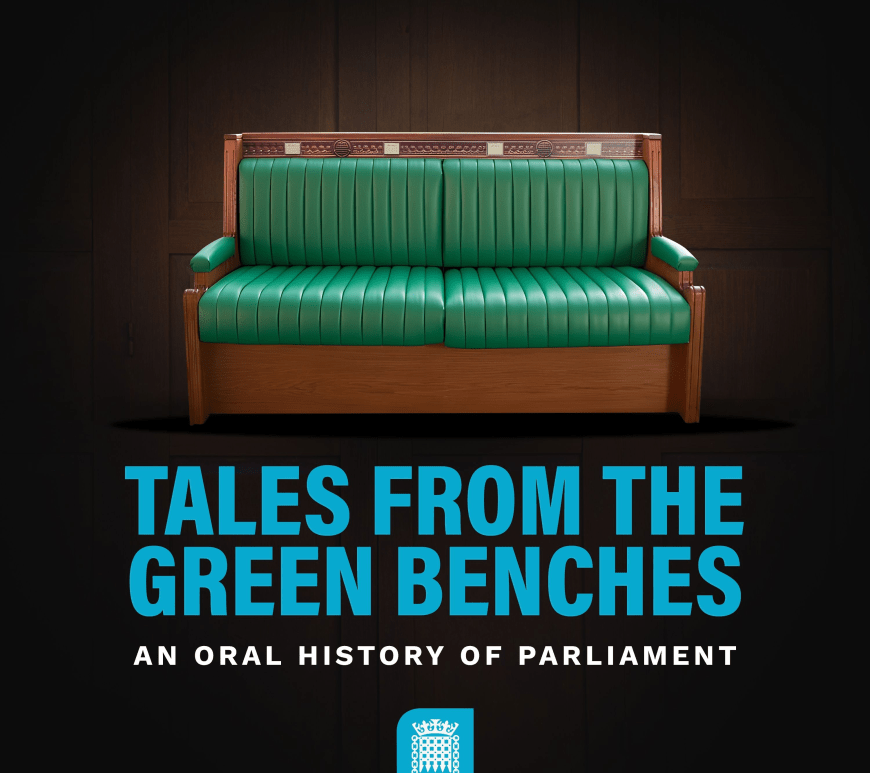
Tales from the Green Benches: An Oral History of Parliament

This week, The History of Parliament Trust is excited to announce a new podcast series, ‘Tales from the Green Benches: An Oral History of Parliament’.  Since 2012, the History of Parliament has been interviewing former members of the House of Commons in order to capture personal reflections of lives lived in parliament. Including participants from across the three major parties, and ranging in both period … Continue reading Tales from the Green Benches: An Oral History of Parliament