The Foxite Whig Rump

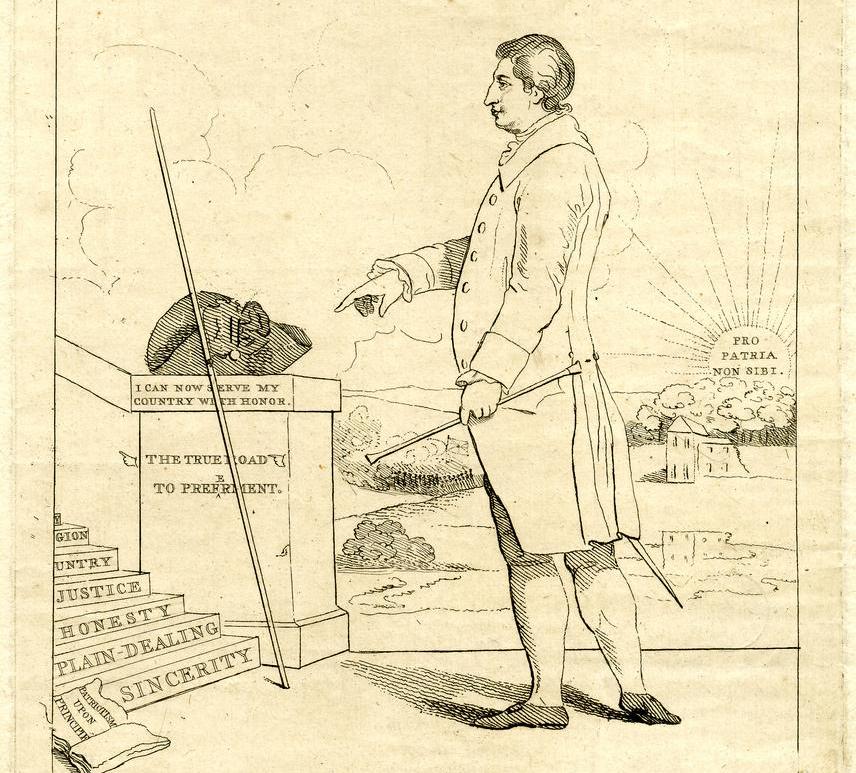
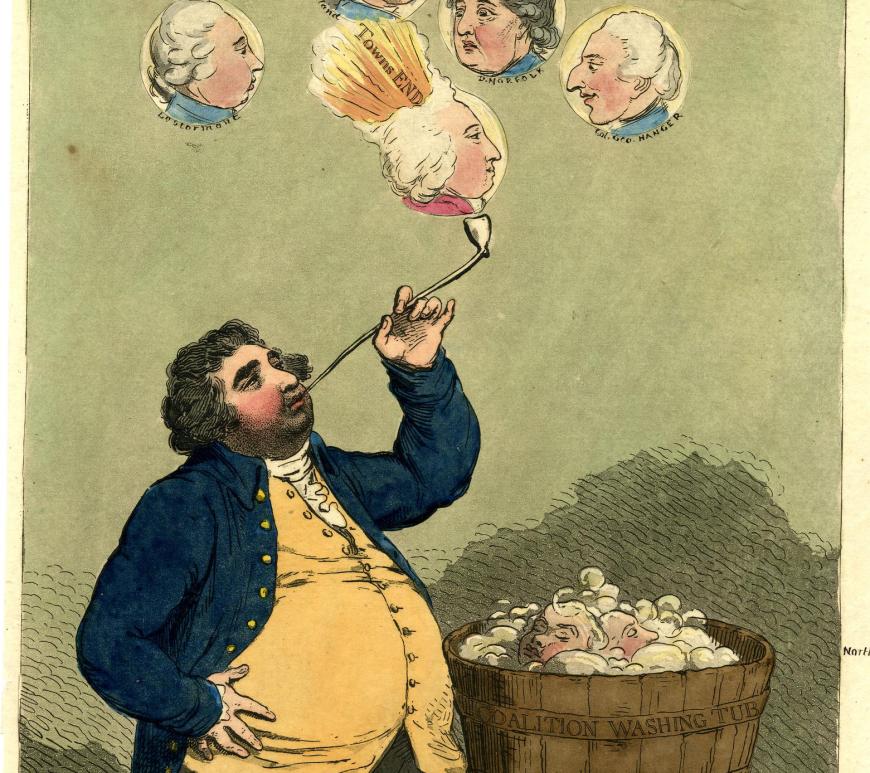
The death of Charles James Fox on 13 September 1806, just over eight months after that of his long-term rival, William Pitt the Younger, robbed British politics of a titan who had dominated affairs since the 1780s. And yet, in spite of being the talented heir to a parliamentary dynasty, Fox spent only a few months in office, and much of the latter part of … Continue reading The Foxite Whig Rump

From Jockeys to Ministers: How Horse Racing Shaped Rockingham’s First Ministry

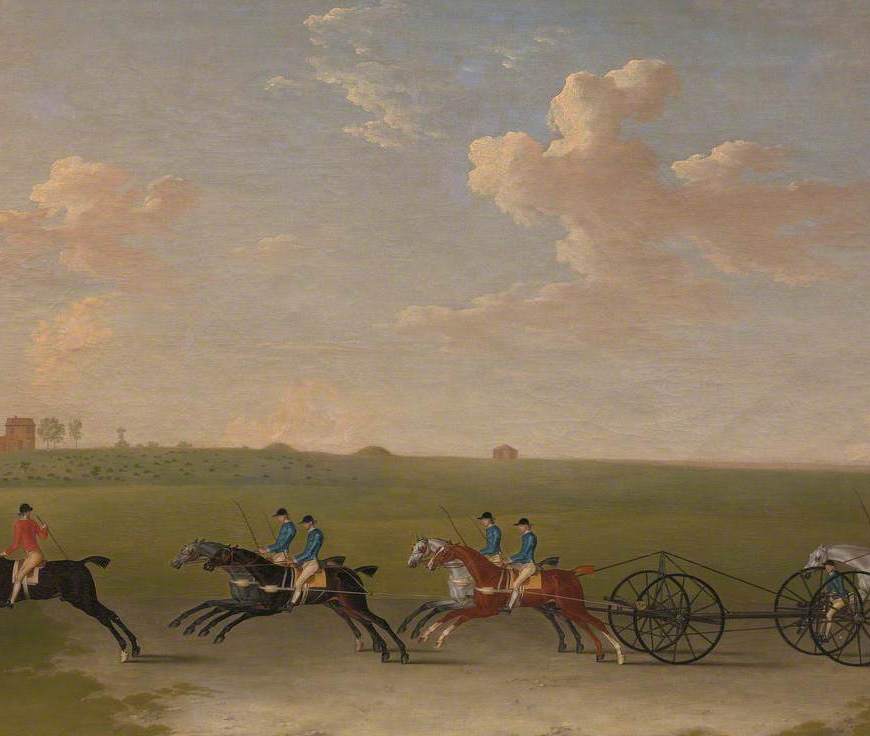
In the latest post for the Georgian Lords, we welcome Ioannes Chountis de Fabbri from the University of Aberdeen, who considers the importance of horse racing in the formation of the Rockingham administration of 1765. The structure of mid-eighteenth-century politics was often defined as much by social custom as by constitutional form. What Leslie Mitchell has called the ‘circle of acquaintances’ of the ruling, largely … Continue reading From Jockeys to Ministers: How Horse Racing Shaped Rockingham’s First Ministry

Canning’s ‘little senate’, 1798-1813

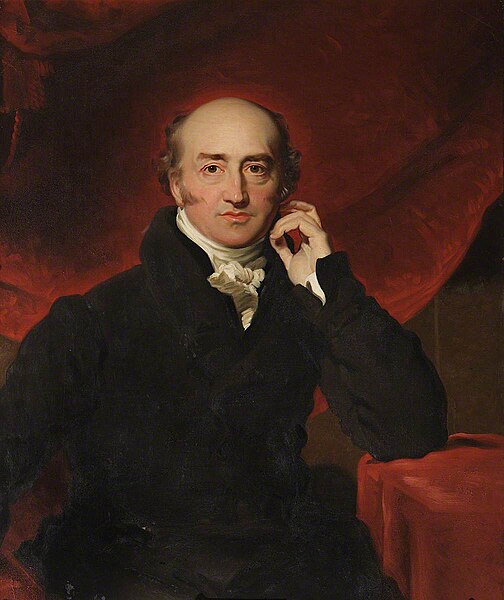
George Canning (1770-1827) was the most talented Member of the House of Commons of his generation, but his political career, which took him (briefly) to the pinnacle, was chequered and controversial. He entered the House in 1793 as a devoted Pittite, and by 1798 had there a band of ten personal followers, chiefly friends from Eton and Christ Church. Between 1801 and 1809, both in … Continue reading Canning’s ‘little senate’, 1798-1813

John Potter, an unusual Archbishop of Canterbury

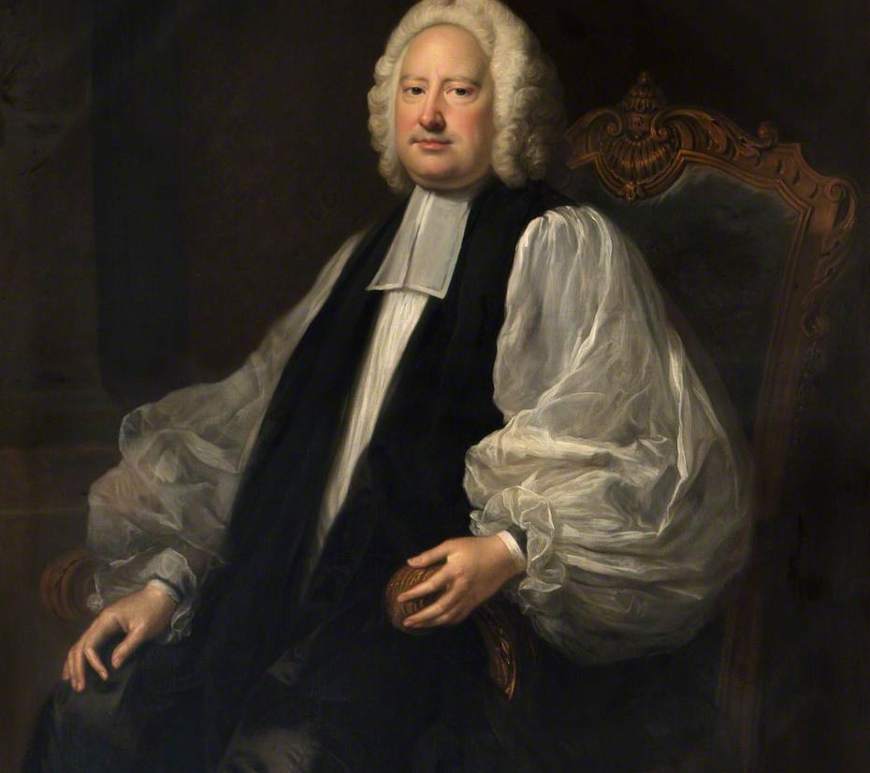
In the latest blog for the Georgian Lords, Dr Robin Eagles examines the career of one of the lesser known Archbishops of Canterbury, who was able to make use of his August 1715 sermon celebrating the accession of George I to press forward his career in the Church. Every 30 January, the rhythm of the parliamentary session in the 17th and 18th centuries was adjusted … Continue reading John Potter, an unusual Archbishop of Canterbury

The Duke of Cambridge and the Hanoverian Succession, 1706-14

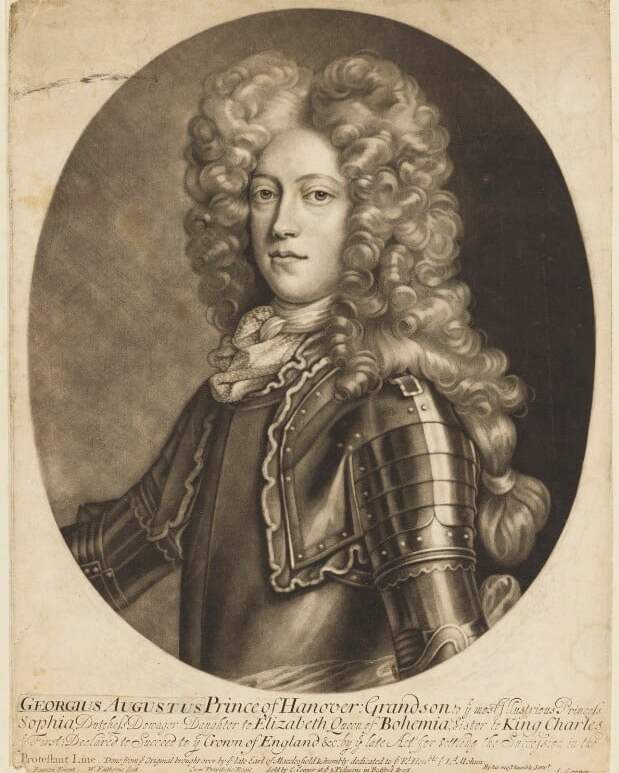
Early modern monarchs often were jealous of their heirs. In the early 18th century this was especially the case when the childless Queen Anne faced the prospect of seeing her crown pass to foreign cousins. In this article, marking the anniversary of Anne’s death and the accession of George I, we consider the manoeuvring around the creation of George’s heir as an English duke. The … Continue reading The Duke of Cambridge and the Hanoverian Succession, 1706-14

From bills to bullets: Spring 1775 and the approach to war in America

A recent article in this series [Background to the American Revolution] looked at the debates in the House of Lords in early February 1775 on a bill for conciliation with the American colonies. After its rejection the imperial crisis continued to occupy the House’s attention. In the latest post for the Georgian Lords, Dr Charles Littleton considers the debates and divisions occasioned by the addresses, … Continue reading From bills to bullets: Spring 1775 and the approach to war in America

Bloomsbury Square and the Gordon Riots

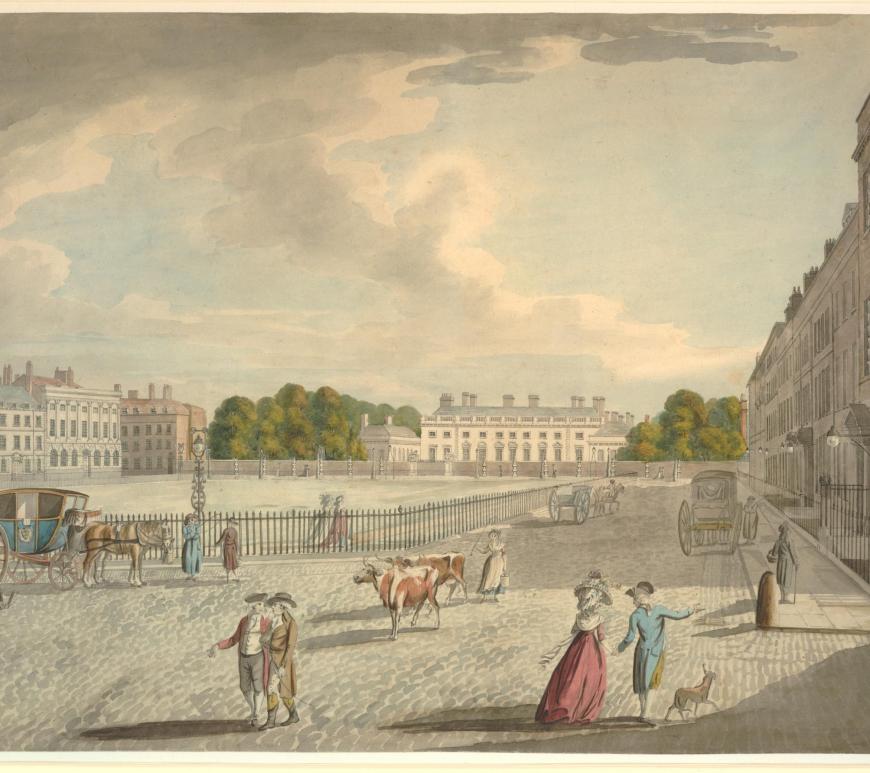
For almost 20 years, Bloomsbury Square has been the home to the History of Parliament. In the latest post for the Georgian Lords, Dr Robin Eagles considers the history of the square in one of its most turbulent periods. Bloomsbury Square, and its immediate surroundings, have long been associated with prominent political figures. In 1706, several peers had residences in the square, notably the (2nd) … Continue reading Bloomsbury Square and the Gordon Riots

How did the routes of political processions and protest marches evolve in London during the nineteenth century?

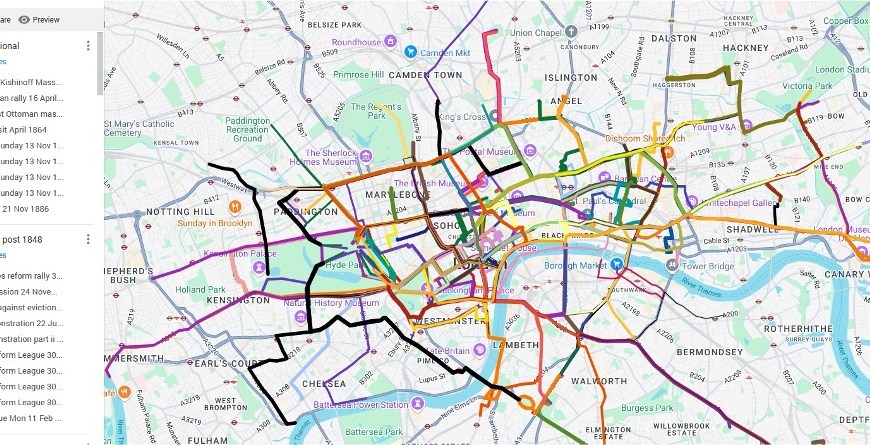
At the IHR Parliaments, Politics and People seminar on 20 May 2025, Professor Katrina Navickas of the University of Hertfordshire will be discussing ‘The development of political processions and protest marches in London, 1780-1939’. The seminar takes place on 20 May 2025, between 5:30 and 6.30 p.m. It will be hosted online via Zoom. Details of how to join the discussion are available here. Protest marches in … Continue reading How did the routes of political processions and protest marches evolve in London during the nineteenth century?

portrait of a young man in 18th-century dress

‘of all others most desirable’: Pitt the Younger and elections for Cambridge

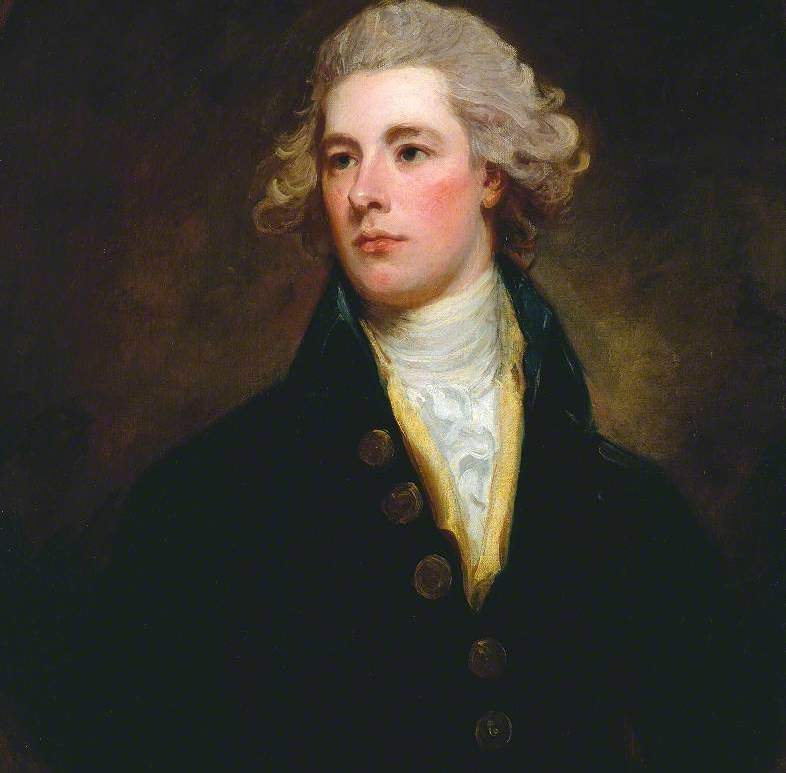
From the onset of his lengthy political career, William Pitt the Younger had his eyes fixed on representing his alma mater, the University of Cambridge. Writing to his mother in July 1779, he observed that the University seat was ‘of all others most desirable, as being free from expense, perfectly independent, and I think in every respect extremely honourable’. In this latest guest post for … Continue reading ‘of all others most desirable’: Pitt the Younger and elections for Cambridge

The Speaker’s House and the Evolution of the Speakership, 1794–1834

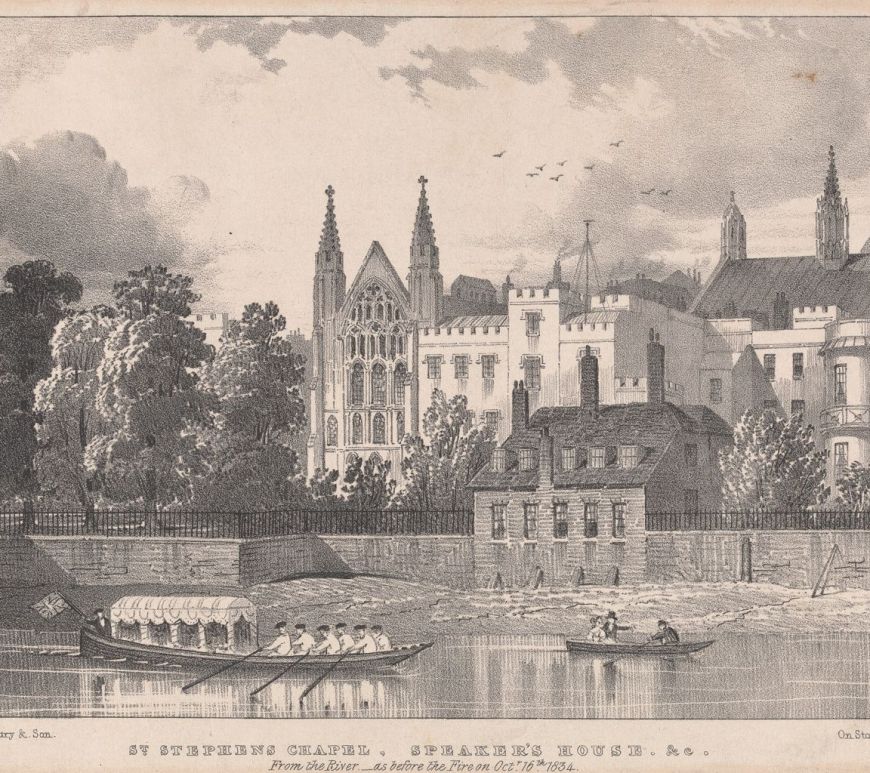
At the IHR Parliaments, Politics and People seminar on 6 May 2025, Dr Murray Tremellen of York Museums Trust will be discussing ‘The Speaker’s House and the Evolution of the Speakership, 1794–1834’ . The seminar takes place on 6 May 2025, between 5:30 and 6.30 p.m. It will be hosted online via Zoom. Details of how to join the discussion are available here. There are … Continue reading The Speaker’s House and the Evolution of the Speakership, 1794–1834