‘The only really important public service I performed’: John Stuart Mill’s women’s suffrage amendment, 20 May 1867

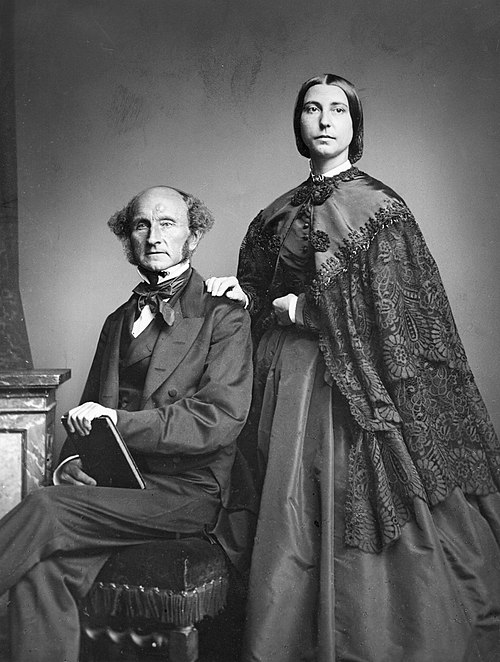
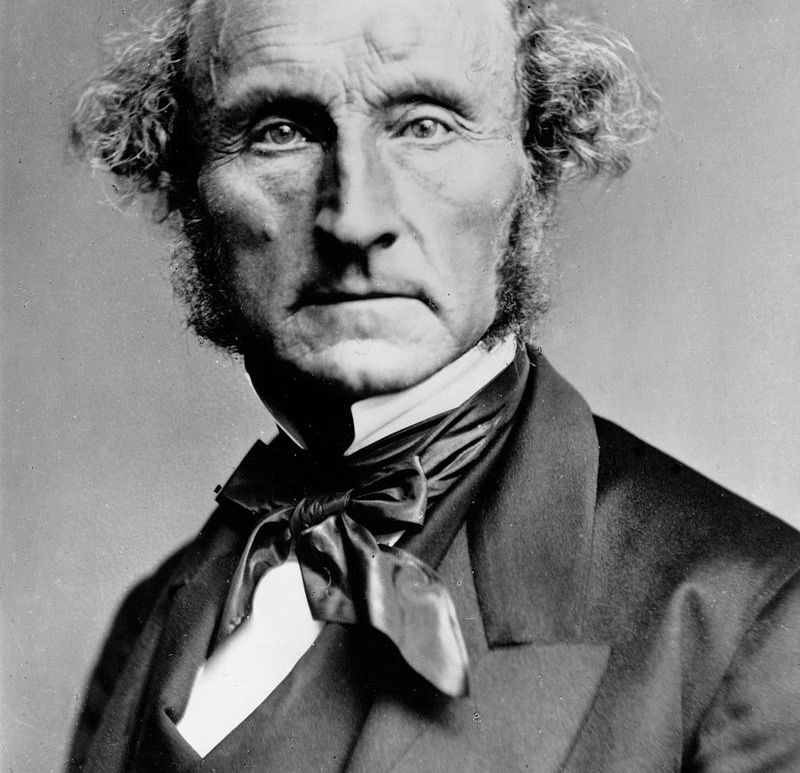
Having looked at John Stuart Mill’s role in presenting the first mass petition for women’s suffrage, our colleague Dr Kathryn Rix explores his continued efforts for the cause of ‘votes for women’, bringing forward an amendment on women’s suffrage as part of the debates on the 1867 Reform Act. John Stuart Mill (1806-73) is best known as a philosopher and influential political thinker, but he … Continue reading ‘The only really important public service I performed’: John Stuart Mill’s women’s suffrage amendment, 20 May 1867
‘The first humble beginnings of an agitation’: the women’s suffrage petition of 7 June 1866

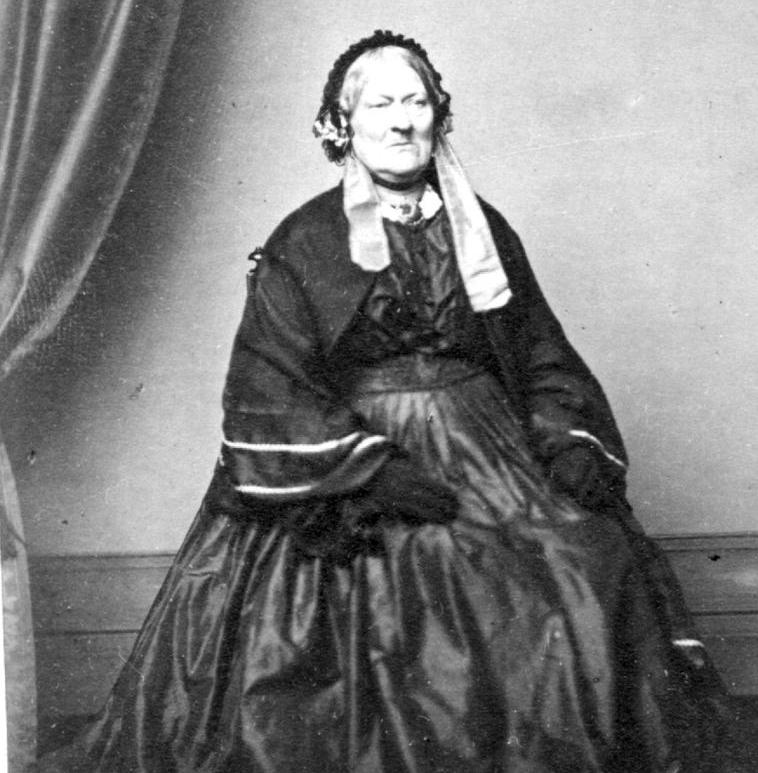
The campaign to secure the parliamentary vote for women was a long-running one. Dr Kathryn Rix, assistant editor of our House of Commons, 1832-1868 project, looks at the first mass petition on this issue. On 7 June 1866 the first mass petition for women’s suffrage was presented to Parliament. Signed by around 1,500 women, it was presented to the Commons by John Stuart Mill, who … Continue reading ‘The first humble beginnings of an agitation’: the women’s suffrage petition of 7 June 1866

‘A woman actually voted!’: Lily Maxwell and the Manchester by-election of November 1867

More than half a century before the partial enfranchisement of women in 1918, Lily Maxwell, a Manchester shopkeeper, cast a parliamentary vote. Dr Kathryn Rix explores her story. After decades of campaigning for ‘Votes for Women’, the 1918 Representation of the People Act gave the parliamentary vote to some (but not all) women. Yet more than fifty years earlier, on 26 November 1867, Lily Maxwell … Continue reading ‘A woman actually voted!’: Lily Maxwell and the Manchester by-election of November 1867

A Meddlesome Mother? Queen Charlotte and the Regency Crisis

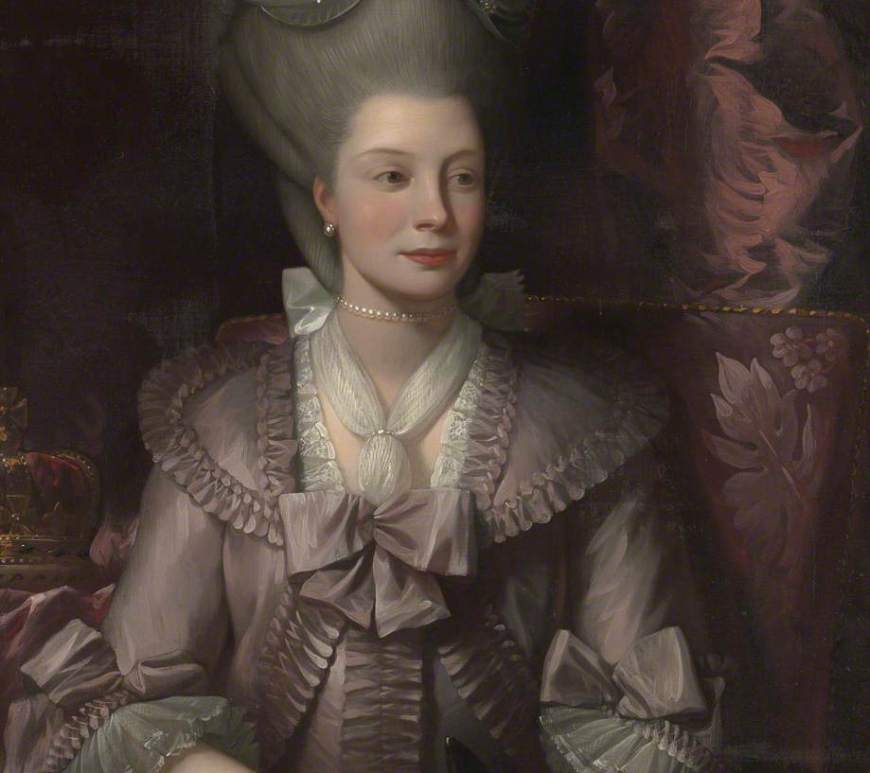
In October 1788, George III fell ill with an unknown ‘malady’ which rendered him unable to fulfil his duties as sovereign: the beginning of the king’s famous ‘madness’. In the latest post for the Georgian Lords, we welcome Dr Natalee Garrett, who considers the role of Queen Charlotte during the period of the king’s illness, and more broadly. As the Prince of Wales was 26 … Continue reading A Meddlesome Mother? Queen Charlotte and the Regency Crisis

‘A Manly Place’: Experiences of Women in Parliament after 1997

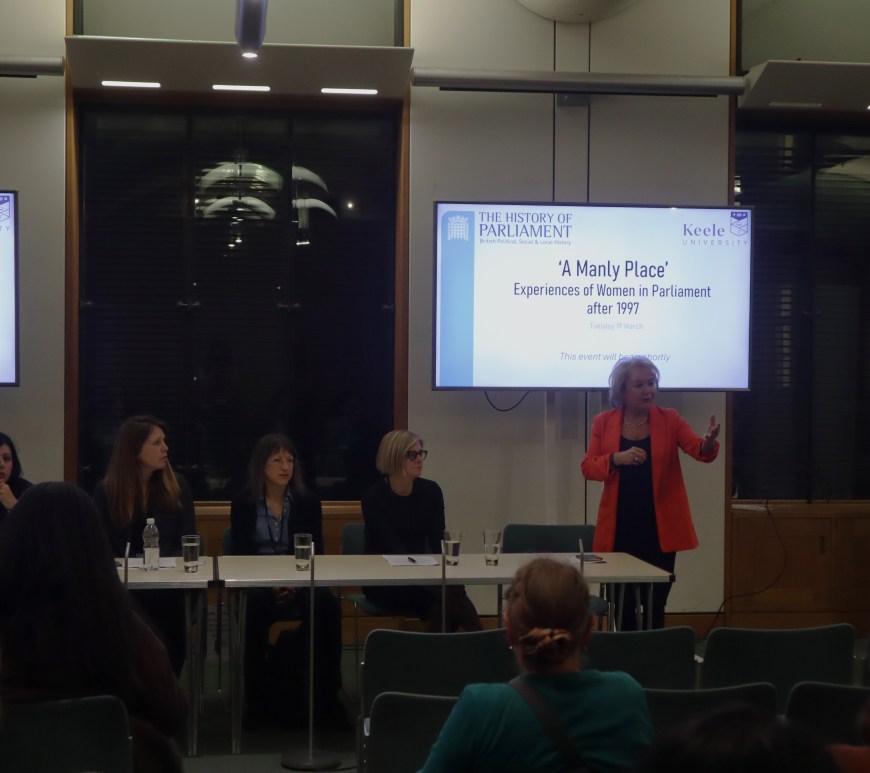
On 19 March 2024, the History of Parliament Trust hosted the second in a series of events drawing on their groundbreaking Oral History Project. This event, in partnership with and funded by Keele University, explored women’s experiences in parliament and whether they have changed through time. The event was organised by the project’s research team, Professor Helen Parr (Keele University), Dr Emma Peplow (Head of … Continue reading ‘A Manly Place’: Experiences of Women in Parliament after 1997

Political Grandstanding in the 18th Century

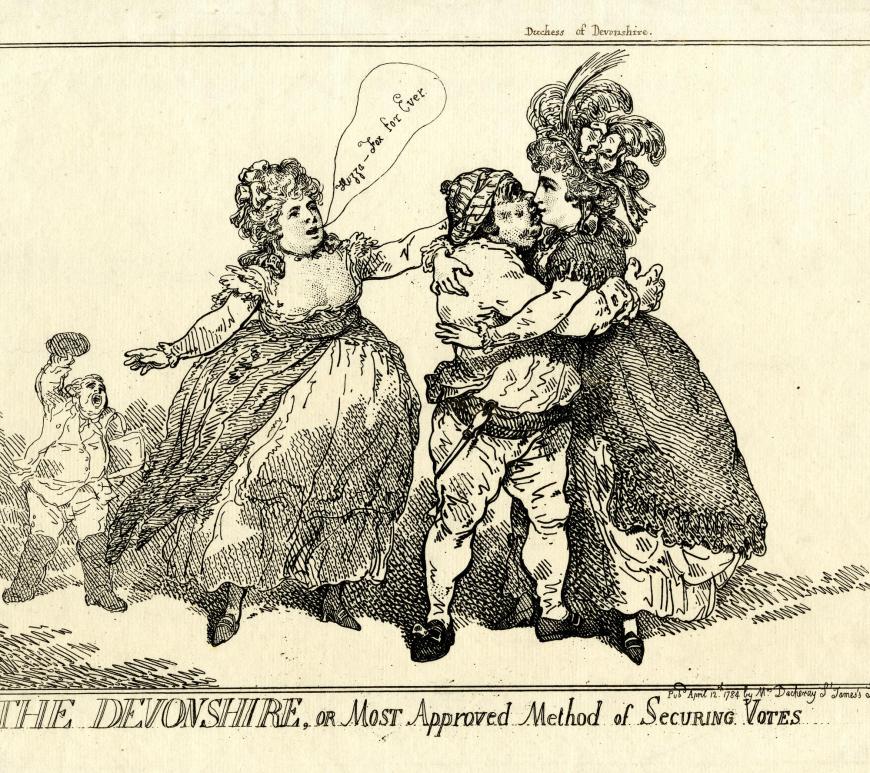
In an age of social media and immediate news coverage, publicity opportunities have become a central part of political strategy- particularly in the run up to a General Election. But even in the 18th century politicians looked for ways to generate attention when on the campaign trail. Dr Robin Eagles, editor of our House of Lords 1715-1790 project, looks at some of these in the … Continue reading Political Grandstanding in the 18th Century

Elizabeth I’s Swedish lady of the privy chamber: Helena Ulfsdotter née Snakenborg, marchioness of Northampton

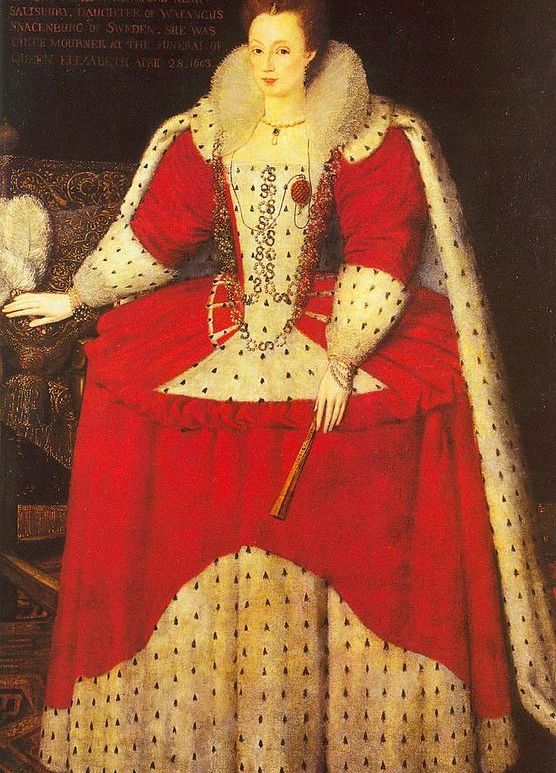
As we mark Women’s History Month throughout March, here Dr Andrew Thrush, editor of our Lords 1558-1603 project, looks into the life of Helena Snakenborg. How did this Swedish native become key figure in the court of Elizabeth I? One of the most striking features of Queen Elizabeth I’s funeral, held on 28 April 1603, is that the place of Chief Mourner in the procession … Continue reading Elizabeth I’s Swedish lady of the privy chamber: Helena Ulfsdotter née Snakenborg, marchioness of Northampton

A King’s Sister buried in a Shropshire church: Elizabeth of Lancaster, sister of Henry IV, at Burford

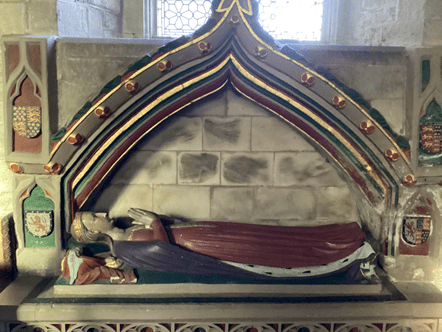
For Women’s History Month, Dr Simon Payling from our Commons 1461-1504 project discusses the life of Elizabeth Lancaster, the sister of Henry IV, who demonstrated a degree of independence unusual for an aristocratic woman. It is surprising to find the sister of a King buried in a remote Shropshire church.  Henry IV’s sister, Elizabeth, in marked contrast to her elder sister, Philippa (d.1415), wife of King John I … Continue reading A King’s Sister buried in a Shropshire church: Elizabeth of Lancaster, sister of Henry IV, at Burford

The smallest room in the House

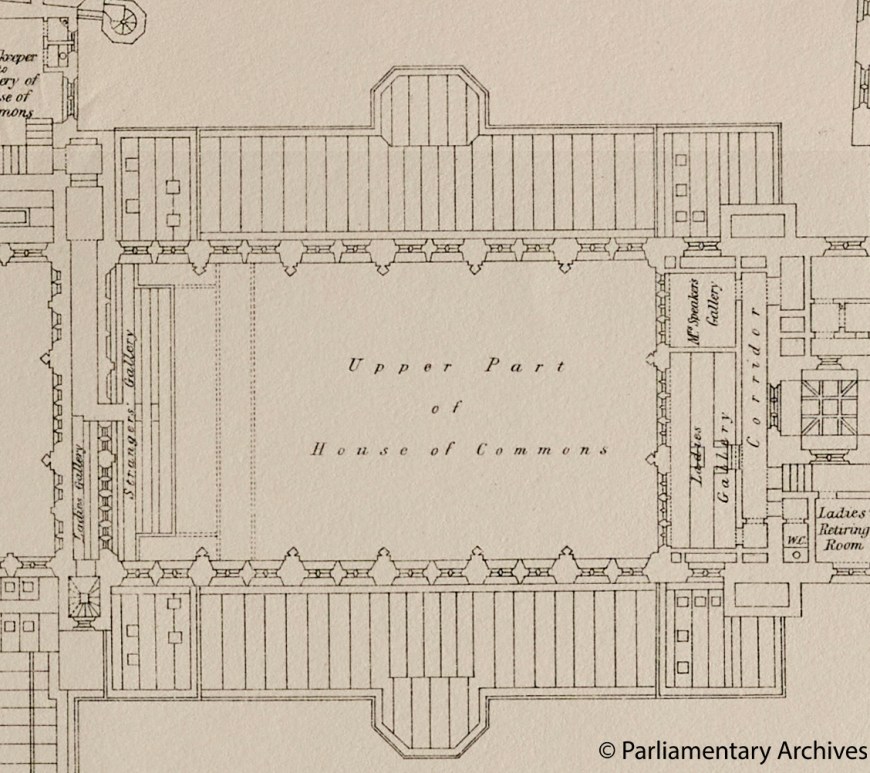
Women have been accessing the Palace of Westminster for centuries, yet sanitary facilities have not always been provided. Chloe Challender, a PhD candidate working on a collaborative project between the University of Warwick and the Parliamentary Archives, discusses the meagre provisions for women in need of relieving themselves at Parliament during the 19th century. Last year Dr Robin Eagles explored the unusual topic of toilet … Continue reading The smallest room in the House

‘Neither fish, fowl nor good red herring’: Baroness Nicholson’s experiences of hearing loss

Emma Nicholson, Baroness Nicholson of Winterbourne, born 1941, was the MP for Torridge and West Devon 1987‒97. Elected as a Conservative MP, she crossed the floor to join the Liberal Democrats in 1995. After losing her seat in 1997 she was created a life peer, and served as a Member of the European Parliament for South East England for ten years (1999‒2009). Interviewed in 2013 … Continue reading ‘Neither fish, fowl nor good red herring’: Baroness Nicholson’s experiences of hearing loss