The Westminster Fire of 1834

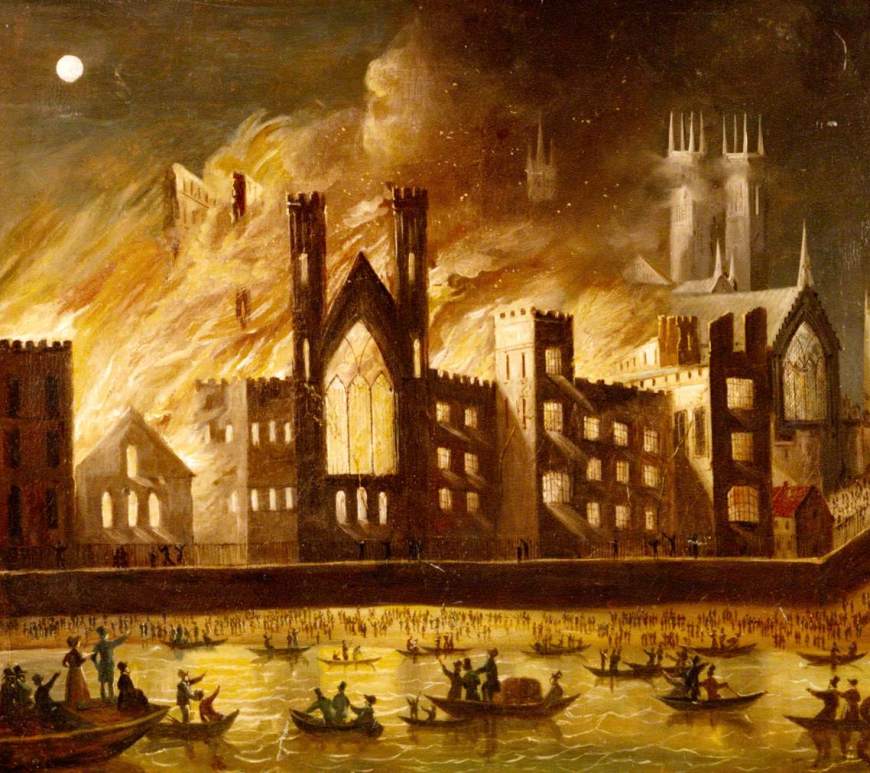
In this guest article, Dr Caroline Shenton, author of ‘The Day Parliament Burned Down‘ and ‘Mr Barry’s War: Rebuilding the Houses of Parliament after the Great Fire of 1834‘, describes the dramatic events that took place at the Palace of Westminster on 16 October 1834. By the late Georgian period, the buildings of the Palace of Westminster had become an accident waiting to happen. The rambling … Continue reading The Westminster Fire of 1834

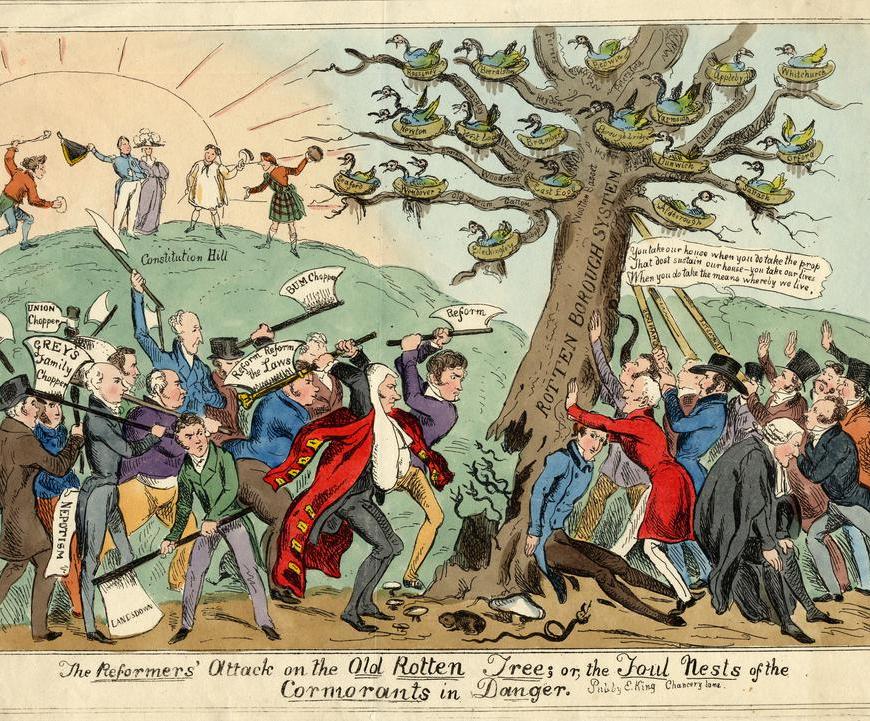
The 1832 Reform Act

‘Was the 1832 Reform Act “Great”?’ may not be the standard exam question it once was, but ongoing research about the Act’s broader legacy and impact on political culture, based on new resources and analytical techniques, continues to reshape our understanding of its place in modern British political development, as Dr Philip Salmon of our House of Commons, 1832-1945 project explains. For a 20 minute … Continue reading The 1832 Reform Act

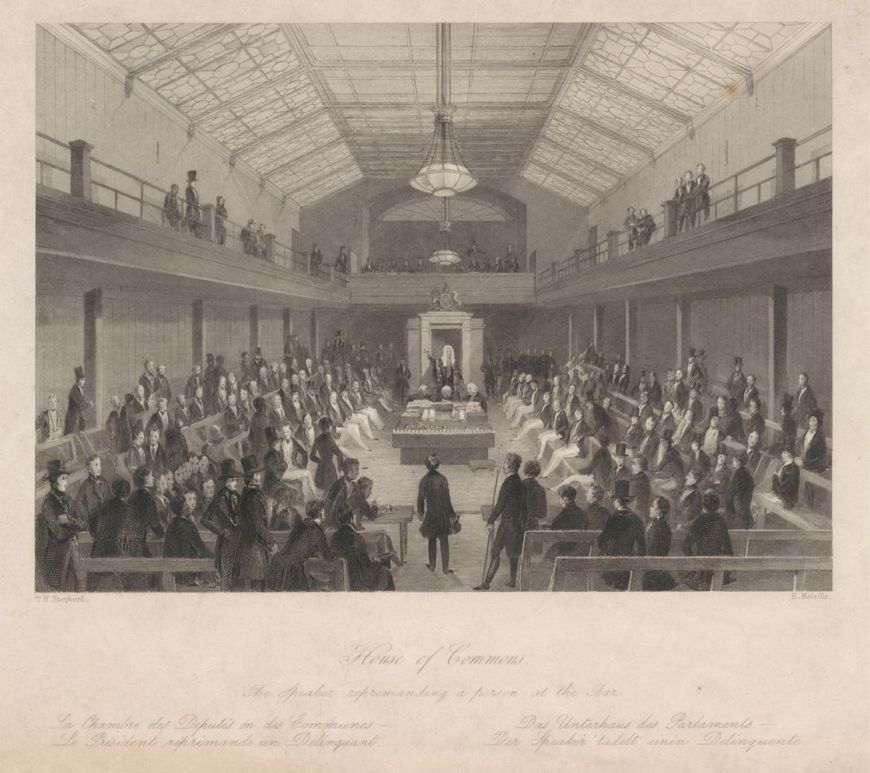
‘A place of business’: the temporary chamber of the House of Commons, 1835-1851

As part of our series on parliamentary buildings, Dr Kathryn Rix of our House of Commons, 1832-1945 project looks at the temporary chamber used by the House of Commons from 1835 until 1851, after its previous chamber was destroyed by fire in October 1834. The devastating fire at the Palace of Westminster on 16 October 1834 made the House of Commons chamber in the former … Continue reading ‘A place of business’: the temporary chamber of the House of Commons, 1835-1851

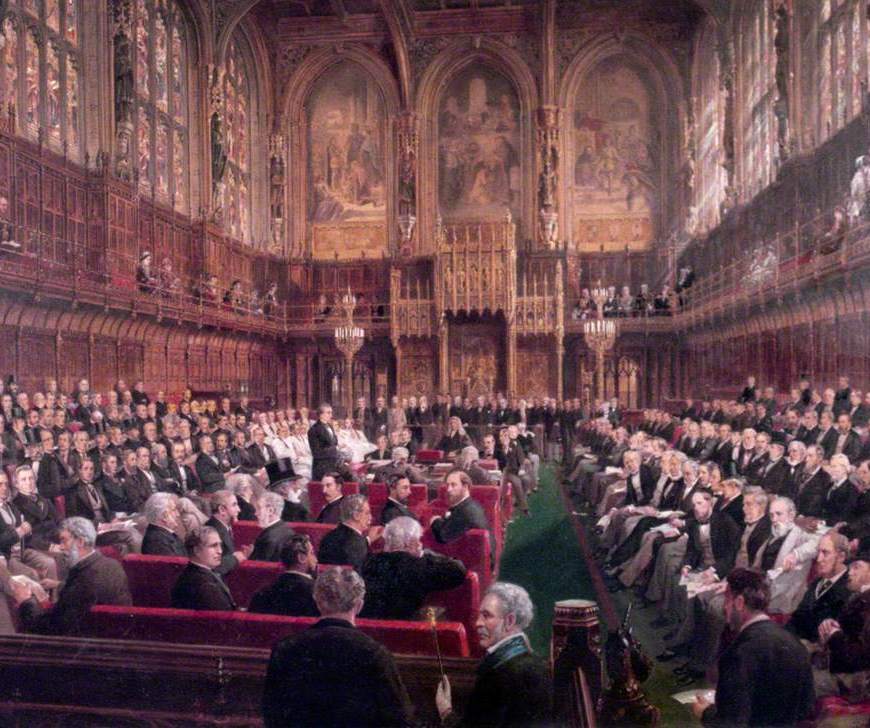
The role and power of the Victorian House of Lords

Dr Philip Salmon looks at a key element of Parliament which we don’t usually have much opportunity to reflect on in our work on Victorian MPs and constituencies: the House of Lords. As he explains below, the upper chamber played a vital role in many important 19th century reforms and continued to wield significant influence even after the 1911 Parliament Act. The House of Lords … Continue reading The role and power of the Victorian House of Lords

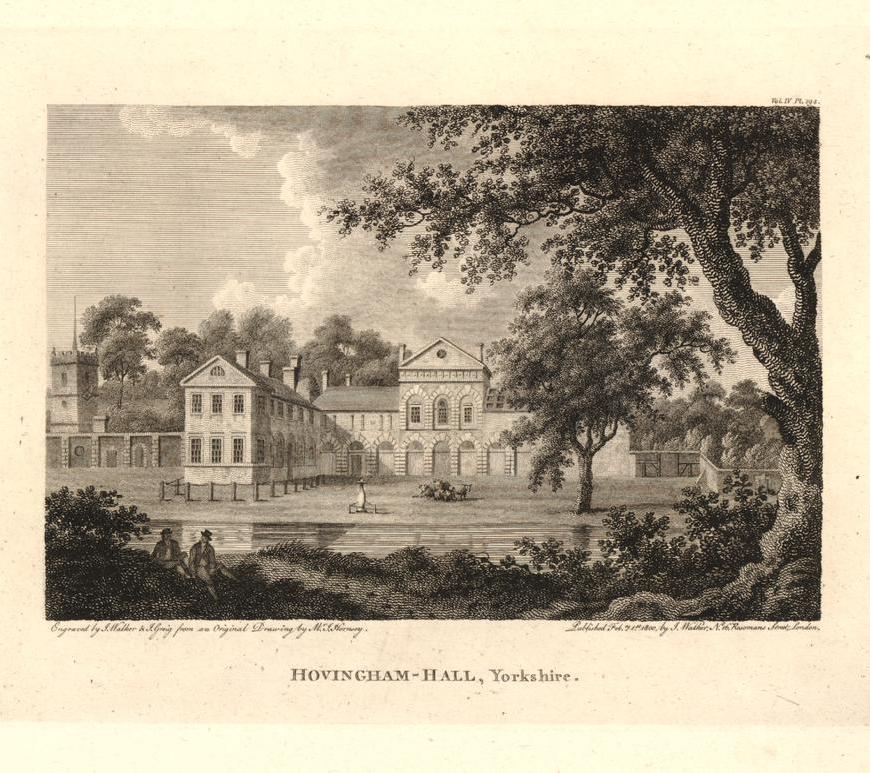
Descended from a giant: the Worsleys of Hovingham

The recent death of HRH the Duchess of Kent, who was married to the late queen’s cousin at York Minister in 1961, reminds us of her family’s long association with Yorkshire. This has included two brothers who served as archbishop of York and several members of her family who were elected to Parliament. Dr Robin Eagles considers the Worsley family’s connection with the north of … Continue reading Descended from a giant: the Worsleys of Hovingham

‘I have attached myself to no party’: Daniel Gaskell and parliamentary life in the 1830s

Our Victorian Commons project is shedding new light on the increasingly important role played in the behind-the-scenes business of the post-1832 House of Commons, particularly in the committee-rooms, by MPs who came from non-elite backgrounds. Dr Kathryn Rix looks at the life and career of Daniel Gaskell (1782-1875), including his friendship with the author Mary Shelley. Described by the novelist Mary Shelley as ‘a plain … Continue reading ‘I have attached myself to no party’: Daniel Gaskell and parliamentary life in the 1830s

‘The status of the Press is changed indeed’: the reporters’ gallery in the nineteenth-century House of Commons

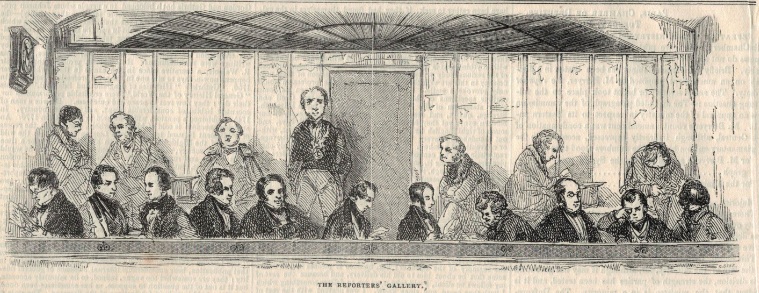
Continuing our series on parliamentary buildings, Dr Kathryn Rix looks at the accommodation provided for the newspaper journalists who reported on the proceedings of the nineteenth-century House of Commons. The history of parliamentary reporting in the 19th century has two connected strands: the history of Hansard, and the history of reporting by the newspaper press, whose accounts of Commons debates formed the basis for Hansard’s … Continue reading ‘The status of the Press is changed indeed’: the reporters’ gallery in the nineteenth-century House of Commons

From patent laws and prison reform to a threatened duel: the intriguing life of Benjamin Rotch MP

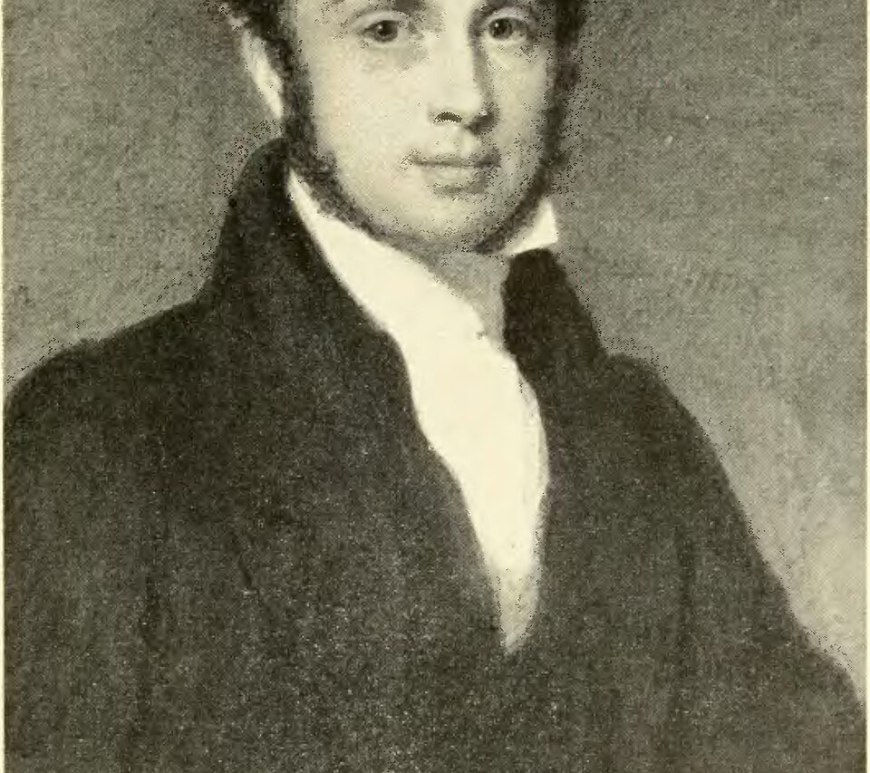
Untangling the eclectic career of Benjamin Rotch (1793-1854), Whig MP for Knaresborough, 1832-5, proved to be an extremely interesting piece of research for Dr Kathryn Rix of our House of Commons, 1832-1945 project, taking in the Nantucket whaling industry, the complexities of patent law, prison reform and a challenge to a duel. A quirky character, described by one contemporary as a man who ‘would resort … Continue reading From patent laws and prison reform to a threatened duel: the intriguing life of Benjamin Rotch MP

The remarkable rise of William Schaw Lindsay MP (1815-1877)

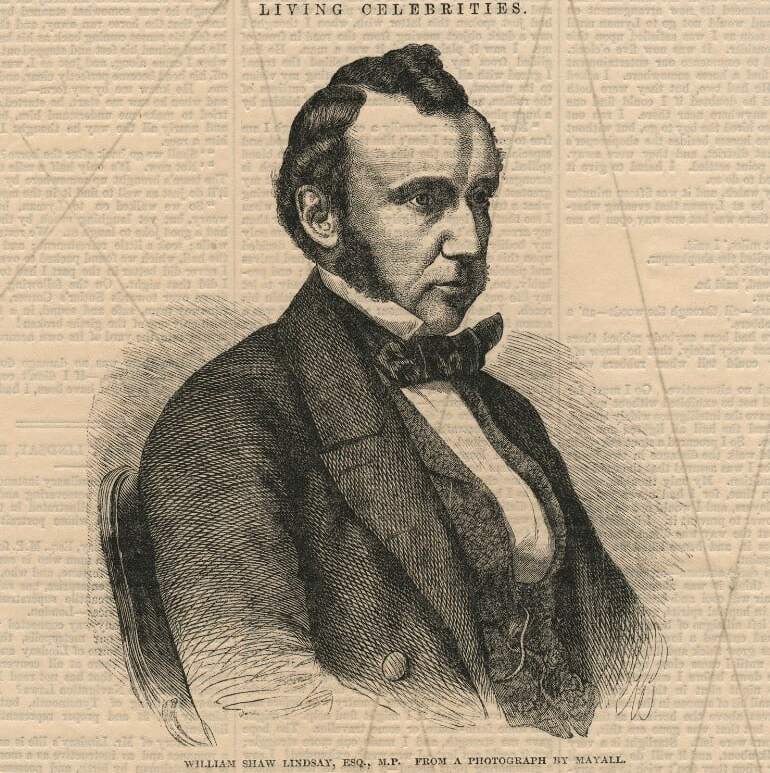
William Schaw Lindsay MP rose from poverty-stricken orphan to shipping tycoon by his late 30s. Lindsay was known for his involvement in the Administrative Reform Association (1855) after the perceived aristocratic mismanagement of the Crimean War. He was also an outspoken advocate for the Confederate state during the American Civil War. This article from our House of Commons, 1832-1945 project explores his life and career. … Continue reading The remarkable rise of William Schaw Lindsay MP (1815-1877)

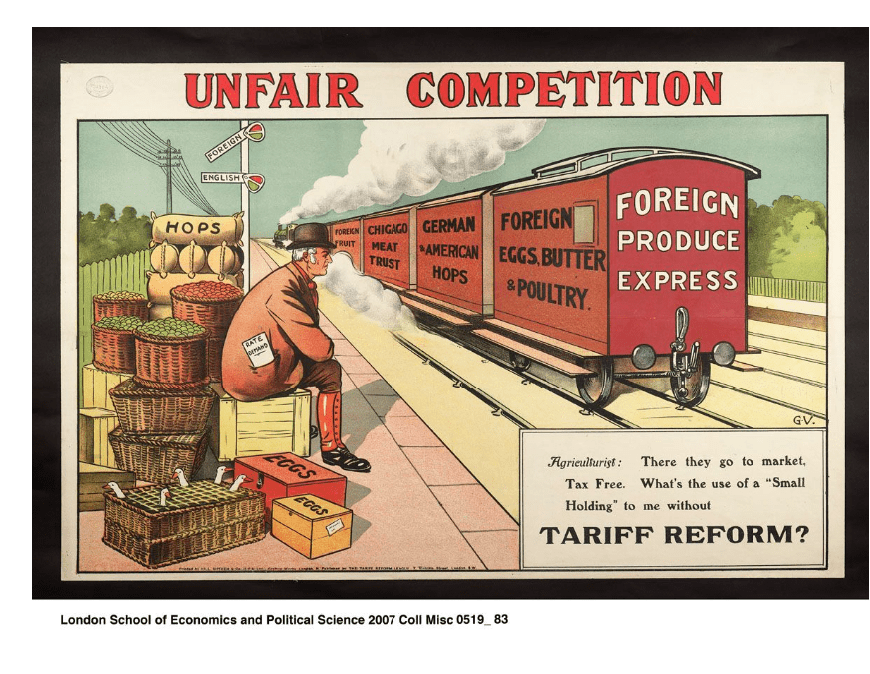
A colourful election poster produced by the Tariff Reform League. A farmer sits on a railway platform with crates and baskets of produce, watching a train called the Foreign Produce Express loaded with foreign produce, steaming past. He laments the need for tariff reform.

A ‘revolution’ in electioneering? The impact of the 1883 Corrupt Practices Act

Concluding her series on the 1883 Corrupt Practices Act, Dr Kathryn Rix of our House of Commons, 1832-1945 project looks at the long-term consequences of this major reform. In the wake of the corruption and expense of the 1880 general election, Sir Henry James, attorney general in Gladstone’s Liberal government, oversaw a landmark piece of legislation which aimed to clean up Britain’s elections: the 1883 … Continue reading A ‘revolution’ in electioneering? The impact of the 1883 Corrupt Practices Act