The Last of the Jacobites: Henry Benedict

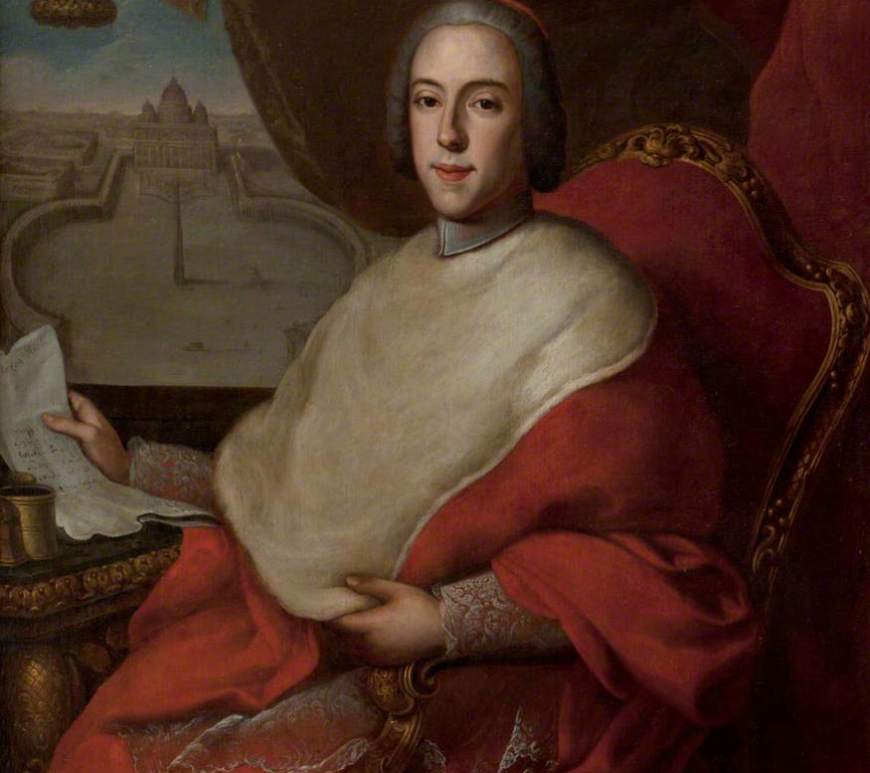
Henry Benedict, Cardinal York (1725-1807), born 300 years ago this March, was the last member of the royal family to take an active role in a papal Conclave, when he participated in the election of Pope Pius VII at Venice in 1800. Dr Robin Eagles investigates how he found himself in that position… On 6 March 1725, Pope Benedict XIII (1724-30) was roused from a … Continue reading The Last of the Jacobites: Henry Benedict

The 1580 Dover Straits Earthquake

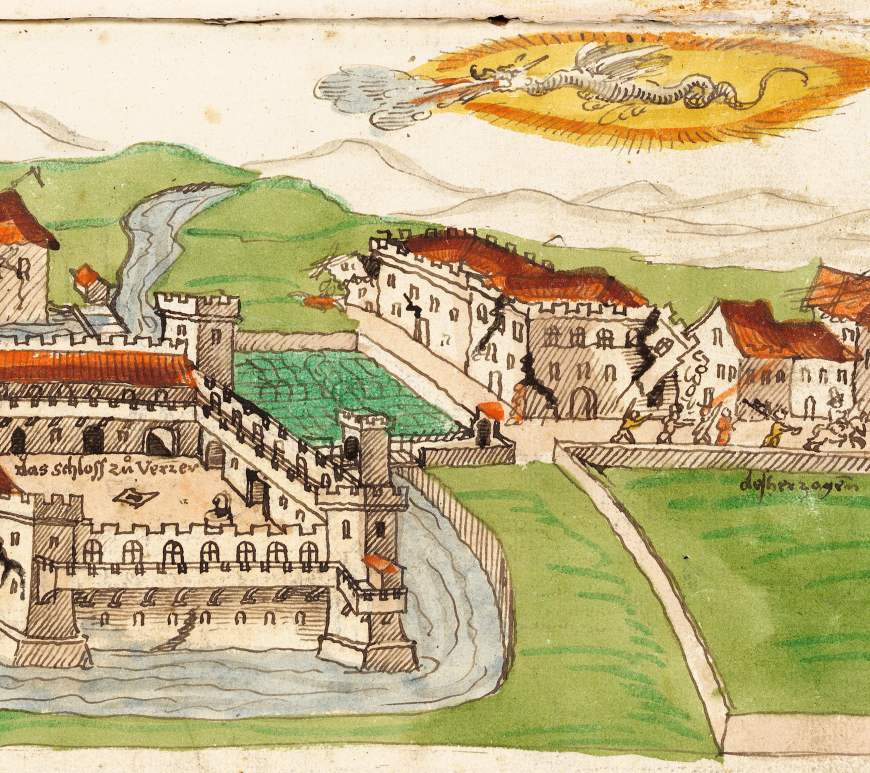
On 6 April 1580, as Queen Elizabeth I was taking the air in the fields around Whitehall, south-east England experienced its greatest seismic event for two hundred years. Dr Andrew Thrush, editor of our Elizabethan House of Lords project, explains… On a clear, calm evening in April 1580, south-eastern England, as well as the Low Countries and parts of northern France and Germany, were struck … Continue reading The 1580 Dover Straits Earthquake

Lord Saye and Sele and the Battle for Oxford

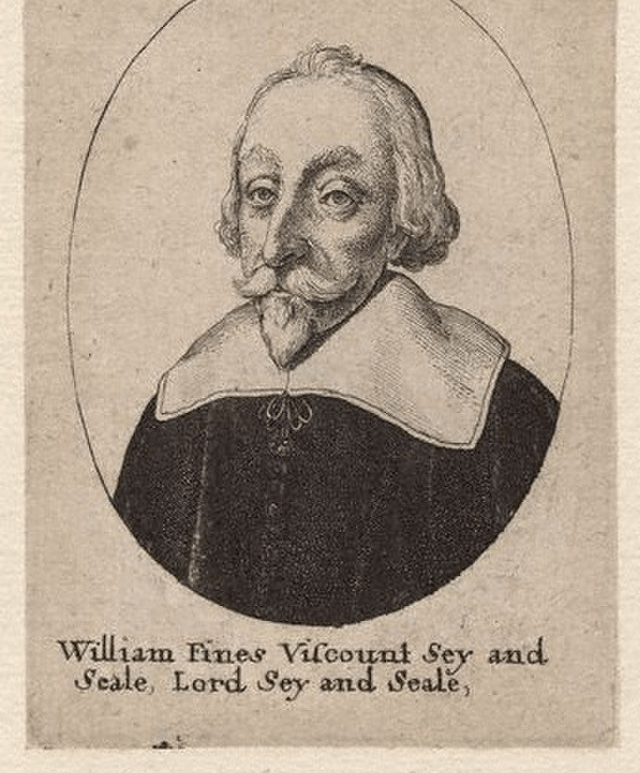
In our first ‘Revolutionary Stuart Parliaments‘ article of 2025, Editor of the 1640-60 House of Lords section, Dr David Scott, considers the leading parliamentarian peer, Viscount Saye and Sele, and his relationship with the archbishop of Canterbury, William Laud. ‘The Warre was begun in our streets before the King or Parliament had any Armies’ concluded the renowned church leader Richard Baxter about the outbreak of … Continue reading Lord Saye and Sele and the Battle for Oxford

Hugh Oldham, bishop of Exeter, ‘hath more poison in that grete fowle bely of hys then all the Bysshoppes in Englond’: scandalum magnatum in early-sixteenth century England

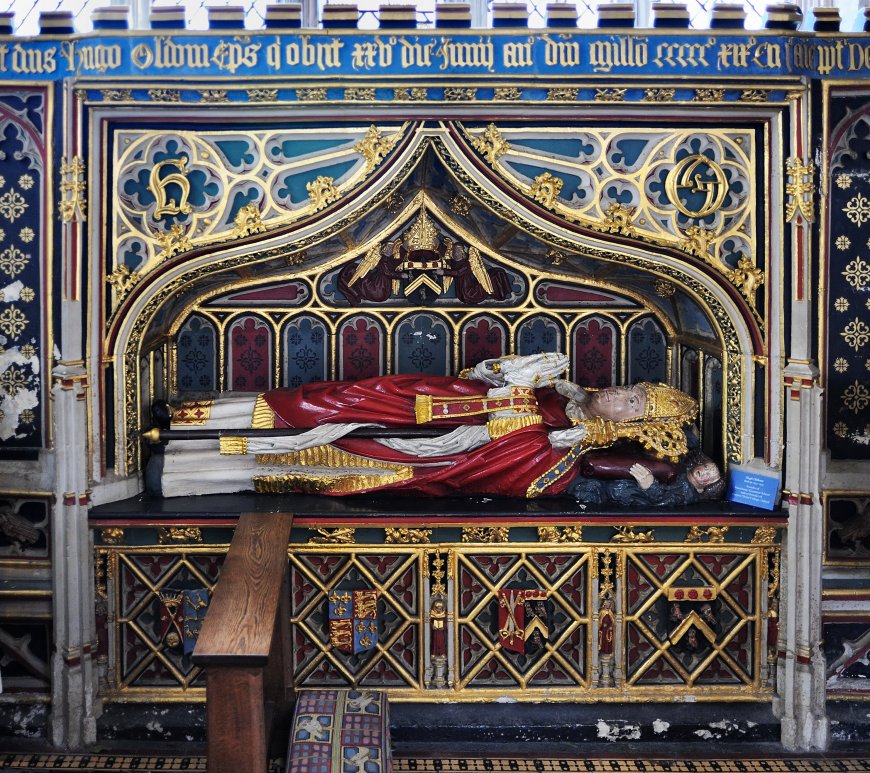
For the first article of 2025, Dr Simon Payling of our Commons 1461-1504 Section, explores the use of a unique form of medieval defamation law in the early 16th century. Hugh Oldham (c.1450-1519), bishop of Exeter from 1505, has had a good press from historians. Described by the Exeter MP and chronicler, John Hooker alias Vowell (d. 1601), ‘as a great favourer and a friend … Continue reading Hugh Oldham, bishop of Exeter, ‘hath more poison in that grete fowle bely of hys then all the Bysshoppes in Englond’: scandalum magnatum in early-sixteenth century England

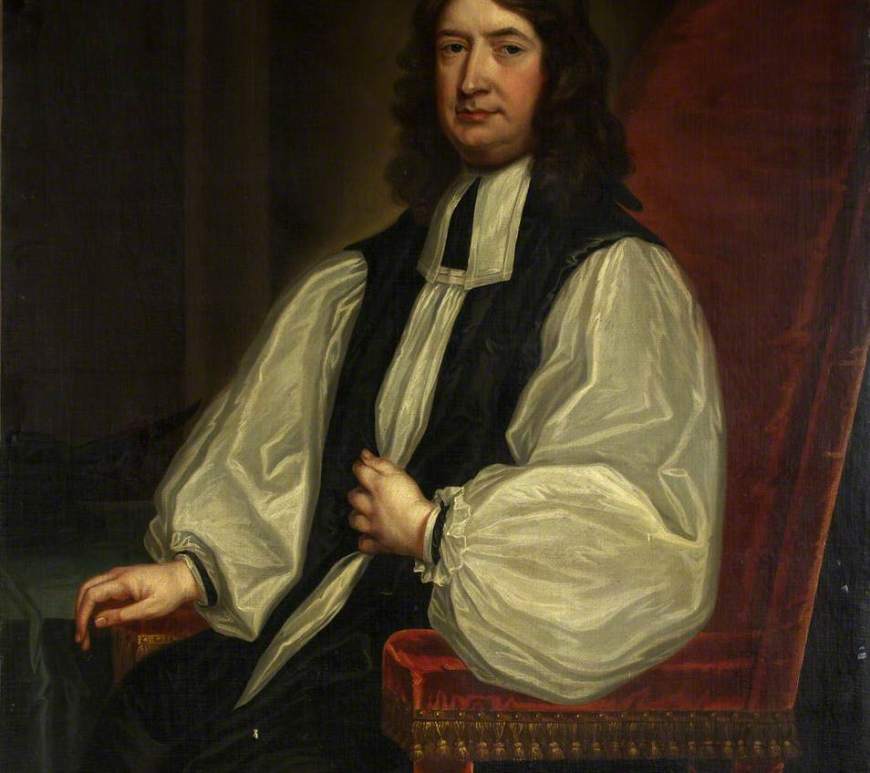
Richard Bancroft and the English mission to Emden, 1600

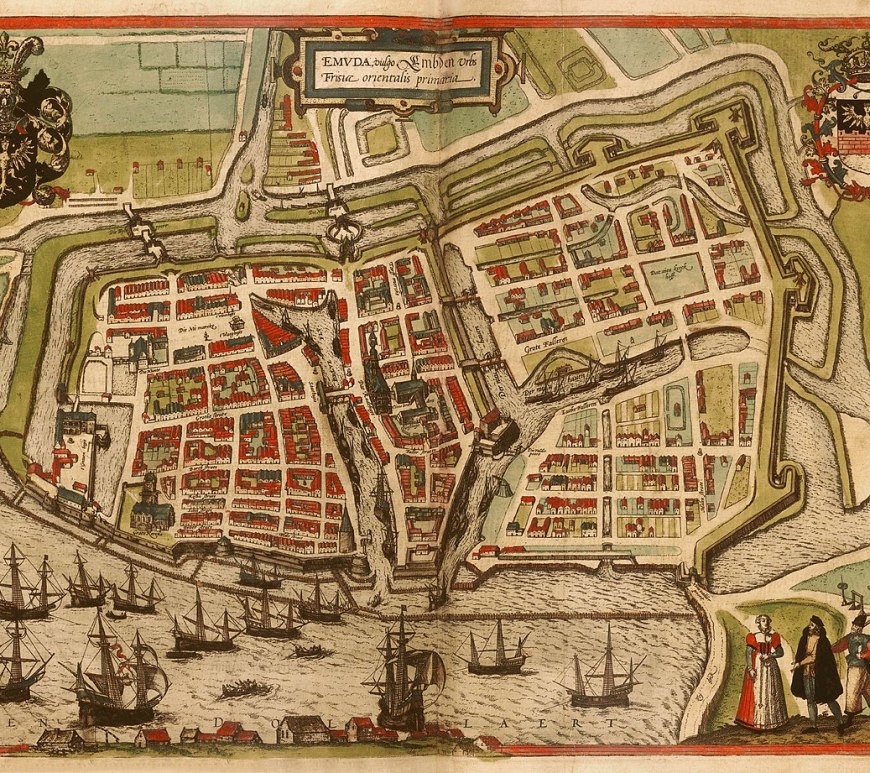
Richard Bancroft is well known to students of late Elizabethan and Jacobean England. A relentless enemy to nonconformist puritans, Bancroft served first as bishop of London (1597-1604) and then as archbishop of Canterbury (1604-1610). However, towards the end of Elizabeth’s reign this familiar prelate’s ecclesiastical career was briefly interrupted by a little known diplomatic episode, as Dr Andrew Thrush, the editor of our Elizabethan House … Continue reading Richard Bancroft and the English mission to Emden, 1600

The day Parliament was invaded

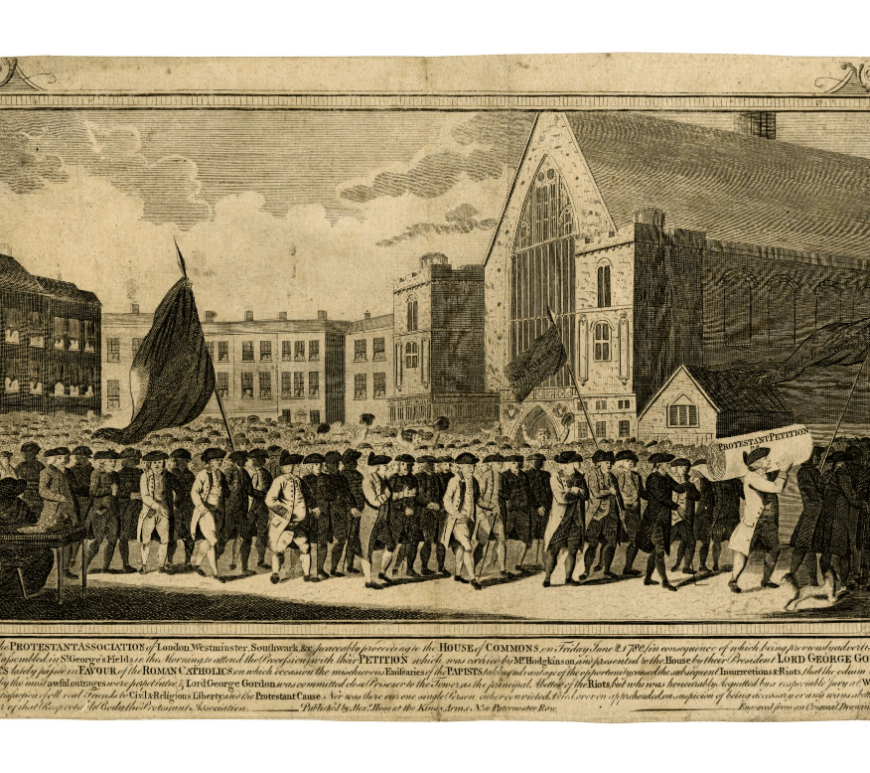
In the summer of 1780 London, and several other cities across England, experienced some of the worst rioting they had seen in a generation, following the presentation of a petition to Parliament calling for the repeal of the Catholic Relief Act. In the latest post for the Georgian Lords, Dr Robin Eagles considers the evidence of Lord George Gordon’s trial report and the insights it … Continue reading The day Parliament was invaded

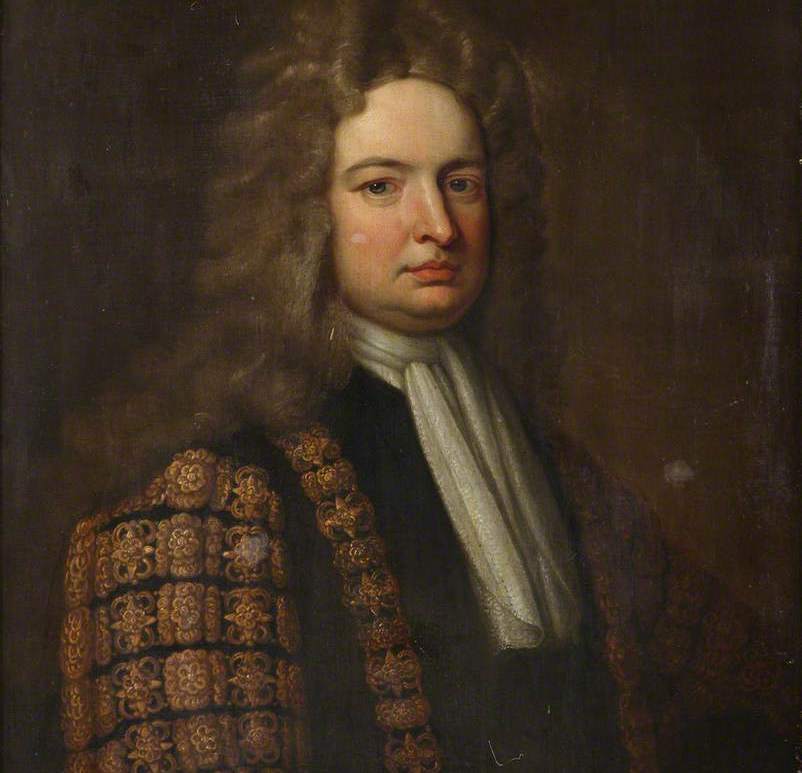
Two anniversaries, two impeachments and an election

In 2024 the tercentenaries of the deaths of two important 18th-century figures the fell within weeks of each other. Dr Charles Littleton compares the contrasting careers of Robert Harley, earl of Oxford, and Dr Henry Sacheverell, who both suffered impeachment by Parliament Robert Harley, Speaker of the Commons, secretary of state, earl of Oxford and Earl Mortimer and, ultimately, lord treasurer and de facto leader … Continue reading Two anniversaries, two impeachments and an election

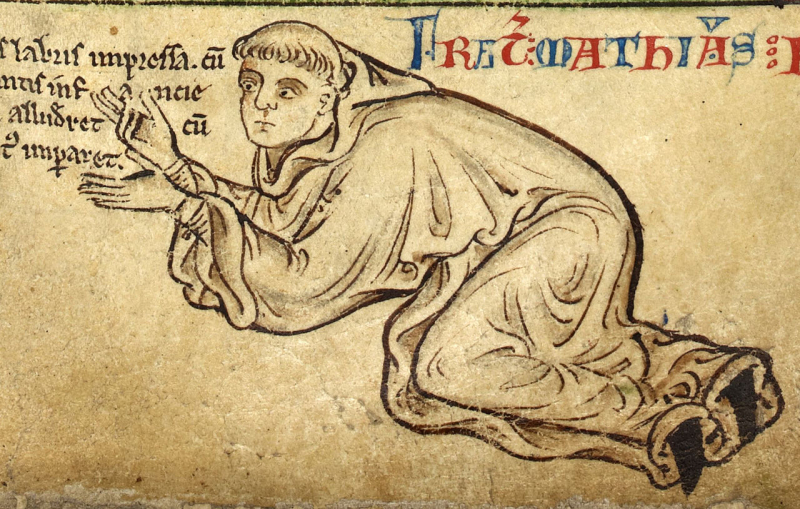
A Medieval Monk’s View of Parliament: Thomas Walsingham’s Chronica Maiora and the Parliaments of 1376 to 1410

Thomas Walsingham is best known for his role as a chronicler of his own religious life, but he was also privy to many of the events that took place in Parliament in the late 14th century. Simon Payling, from our Commons 1461-1504 project, explores what Walsingham’s writing can tell us of the medieval political landscape as well as his own feelings towards Parliament. Ordained in … Continue reading A Medieval Monk’s View of Parliament: Thomas Walsingham’s Chronica Maiora and the Parliaments of 1376 to 1410

Enter the Dragon: the education of Robert Harley

Robert Harley (1661-1724) was in his late 20s when he was first elected to Parliament as MP for Tregony in April 1689. He would remain a member of Parliament, first of the Commons and then of the Lords, for the rest of his life. Both his power and personal style was reflected in a number of nicknames: ‘Robin the Trickster’, ‘Harlequin’ and ‘the Dragon’ being … Continue reading Enter the Dragon: the education of Robert Harley

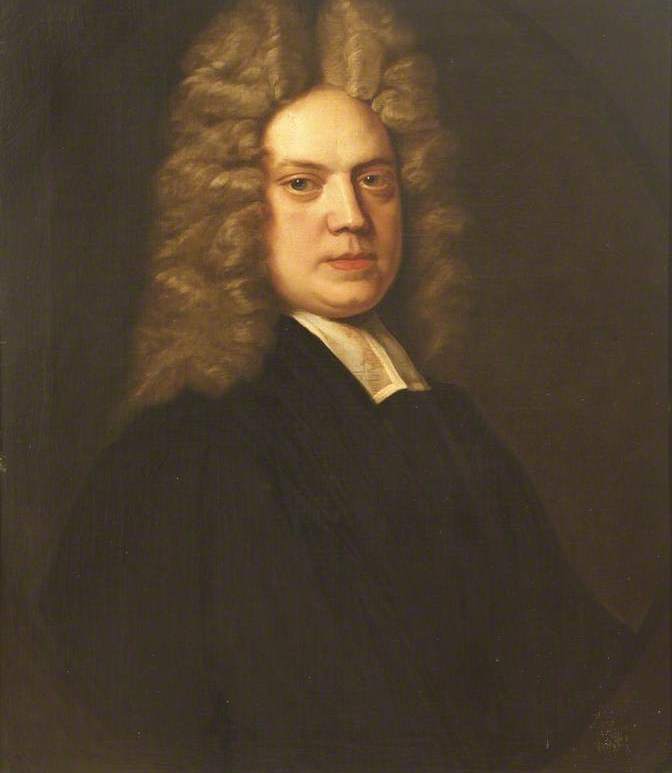
The Early Career of Hugh Boulter, Archbishop of Armagh

In the latest blog for the Georgian Lords, Dr Stuart Handley re-examines the early career of Hugh Boulter, briefly bishop of Bristol before being posted to Ireland, offering some corrections to his life story. Thomas Lindsay, archbishop of Armagh, died in the summer of 1724, after a long illness. Although William King, archbishop of Dublin, was widely expected to succeed to the Primacy, he was … Continue reading The Early Career of Hugh Boulter, Archbishop of Armagh