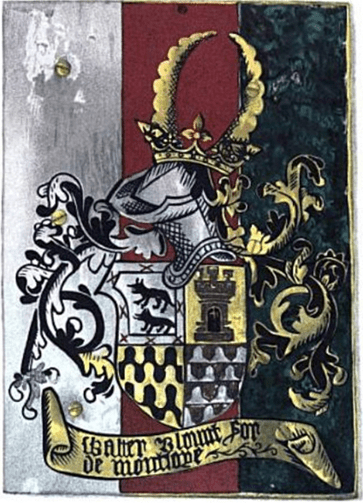
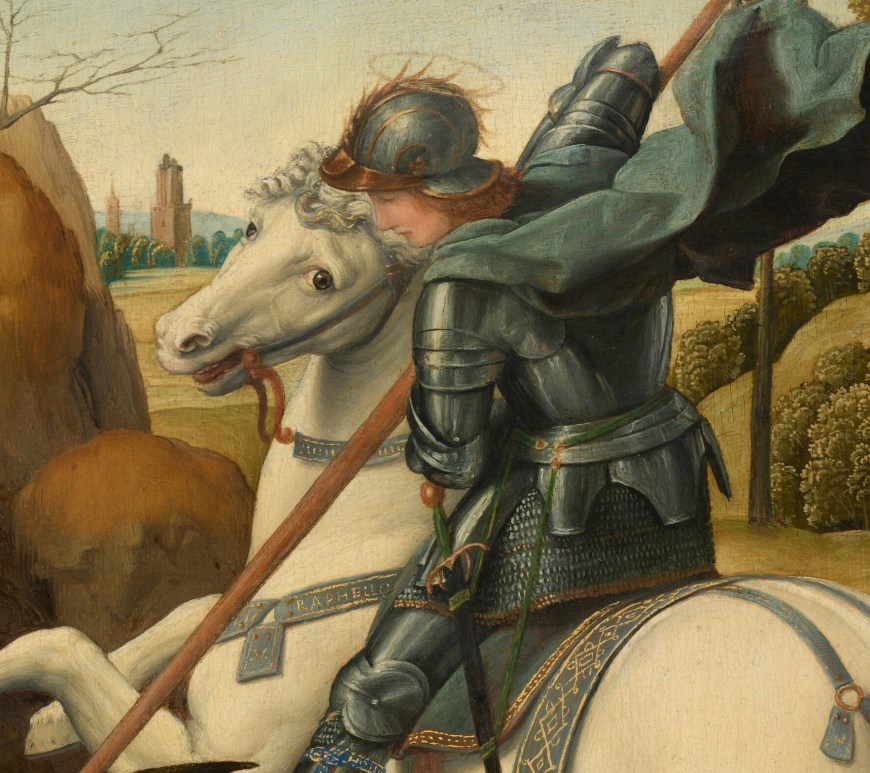
Bosworth and other battles: the illustrious career of Sir Gilbert Talbot (d.1517) of Grafton, KG

Dr Simon Payling of our Commons 1461-1504 project explores the career of the early Tudor figure Sir Gilbert Talbot, who in service of Henry VII was rewarded with a commissioned painting from Raphael… When the Tudor antiquarian, John Leland, visited the Shropshire church of Whitchurch in the 1530s, he saw the tomb of Sir Gilbert Talbot, a ‘knight of fame’, and noted, with apparent approval, … Continue reading Bosworth and other battles: the illustrious career of Sir Gilbert Talbot (d.1517) of Grafton, KG

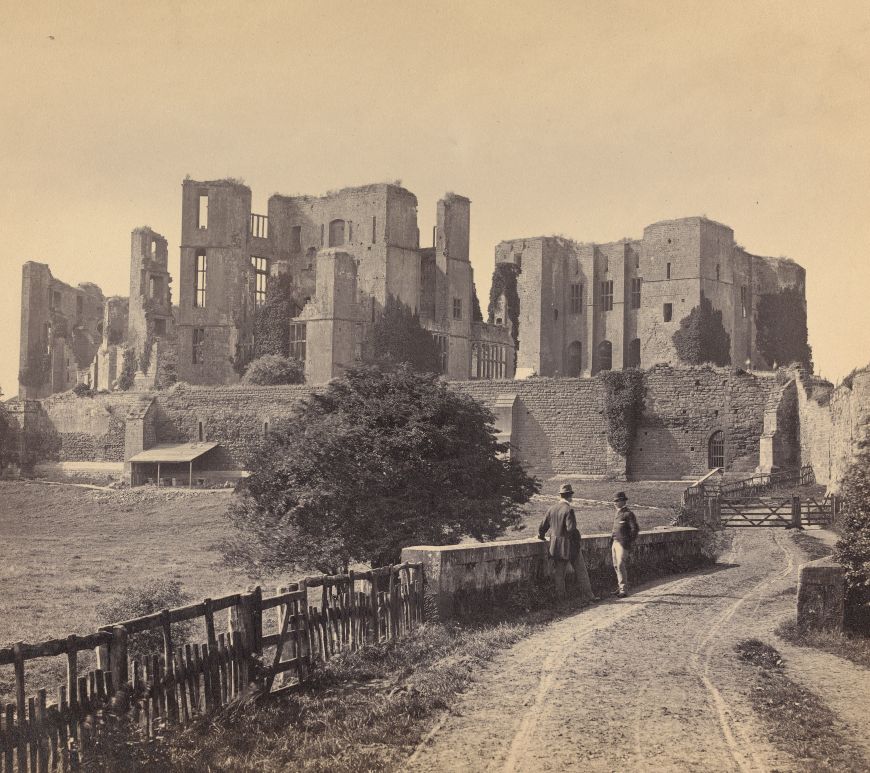
A Lancastrian City? Coventry and the Wars of the Roses, 1451-1471

This piece is in memory of Professor Peter W. Fleming, who died in April 2025. His publishing career spanned 40 years, from an article on the religious faith of the gentry of Kent in 1984 to a defining monograph on the history of late-medieval Bristol in 2024.  His career would have been yet more notable but for the ill-health that blighted his last years.  A … Continue reading A Lancastrian City? Coventry and the Wars of the Roses, 1451-1471

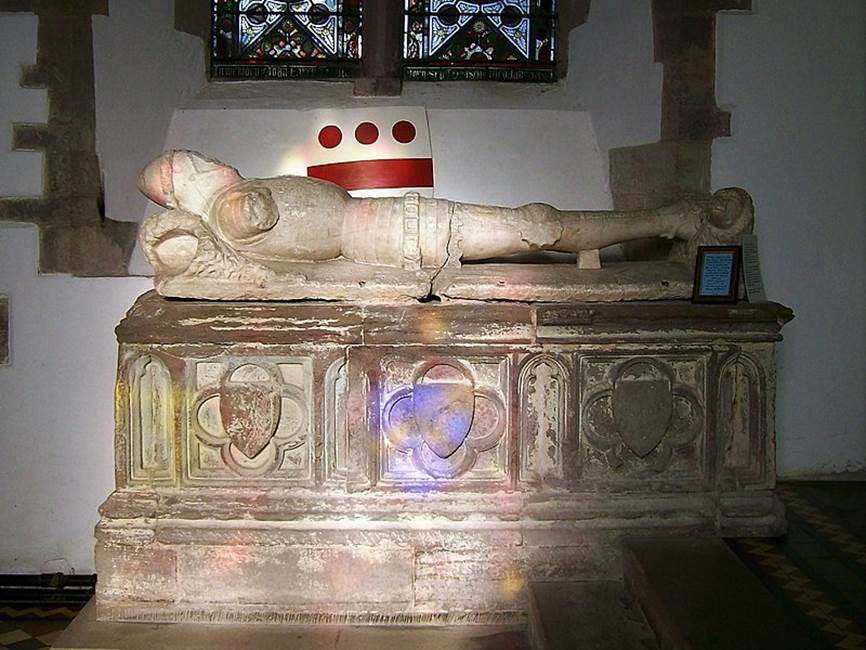
From Lancaster to York and back again: the political evolution of the Derbyshire Blounts

Dr Simon Payling, of our Commons 1461-1504 section, explores the fortunes and shifting loyalties of one gentry family in Derbyshire during the Wars of the Roses. The troubled politics of the mid-fifteenth century are illuminated by the histories of leading gentry families just as much as they are by those of Neville, Stafford and other great aristocratic families. In one sense, lesser families offer a more … Continue reading From Lancaster to York and back again: the political evolution of the Derbyshire Blounts

A Yorkist Family during the Wars of the Roses: the Devereuxs of Weobley in Herefordshire

Dr Simon Payling, of our Commons 1461-1504 section, explores the fortunes of one particularly loyal Yorkist family during the Wars of the Roses. For leading landowning families ready to commit themselves to one side or the other, the Wars of the Roses offered both hazard and opportunity. In terms of the latter, that commitment needed to be whole-hearted, but not necessarily consistent. So frequent were the … Continue reading A Yorkist Family during the Wars of the Roses: the Devereuxs of Weobley in Herefordshire

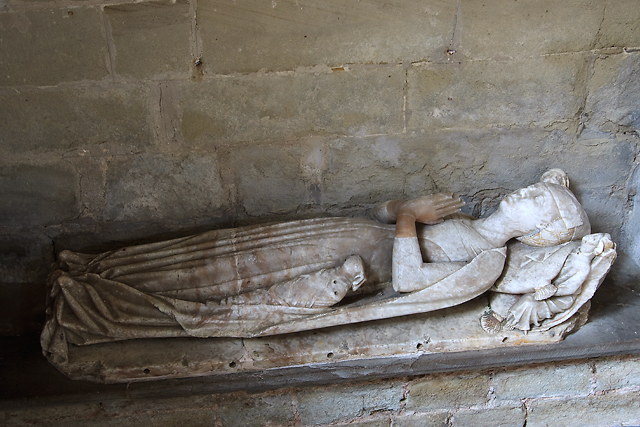
The story of a manor in memorials: the early tombs in the Shropshire church of Kinlet

The Shropshire church of Kinlet stands isolated in parkland, the village it once served re-sited in the early-eighteenth century on the building of the still-extant Kinlet Hall. It contains a fine series of memorials, the two earliest of which mark the end of one Kinlet dynasty, the Cornwalls, and the beginning of another, the Blounts. The first commemorates an early-fifteenth century heiress of the manor, … Continue reading The story of a manor in memorials: the early tombs in the Shropshire church of Kinlet

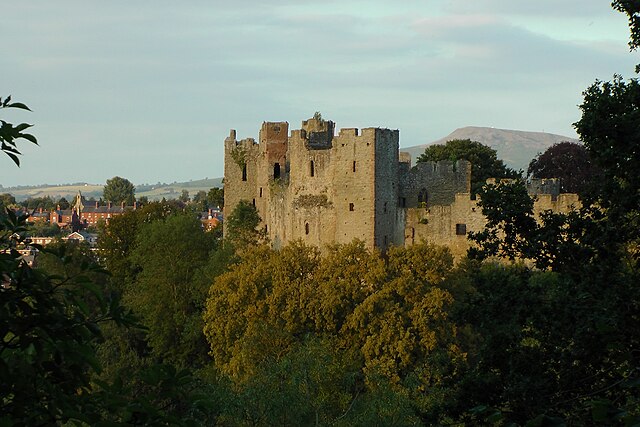
The Making of a Marcher Town: Ludlow and the Wars of the Roses

Dr Simon Payling, of our Commons 1461-1504 section, explores the crucial role of the Shropshire town of Ludlow during the Wars of the Roses. Political geography ensured that the town of Ludlow would, for good or ill, play some part in the great civil conflict that began when its lord, Richard, duke of York, moved into active opposition to the government of his cousin, Henry VI. … Continue reading The Making of a Marcher Town: Ludlow and the Wars of the Roses

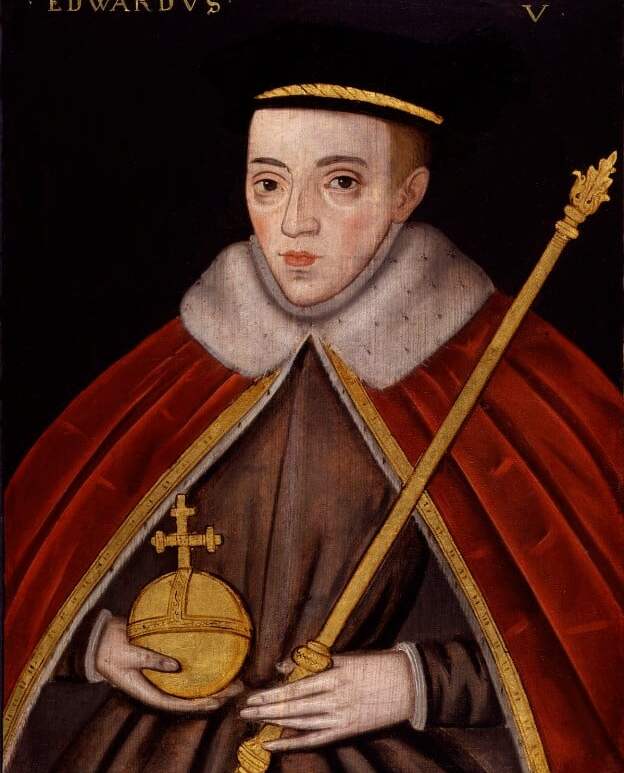
Almost a Parliament: Edward V’s assembly of 25 June 1483

The death of Edward IV on 9 April 1483 saw the accession of his son Edward V to the English throne. However, as Dr Hannes Kleineke of our Commons 1461-1504 Section explores, it was only two months later that he would be deposed… To the parliamentary historian, the assembly summoned in the late spring of 1483 in the name of the young Edward V presents … Continue reading Almost a Parliament: Edward V’s assembly of 25 June 1483

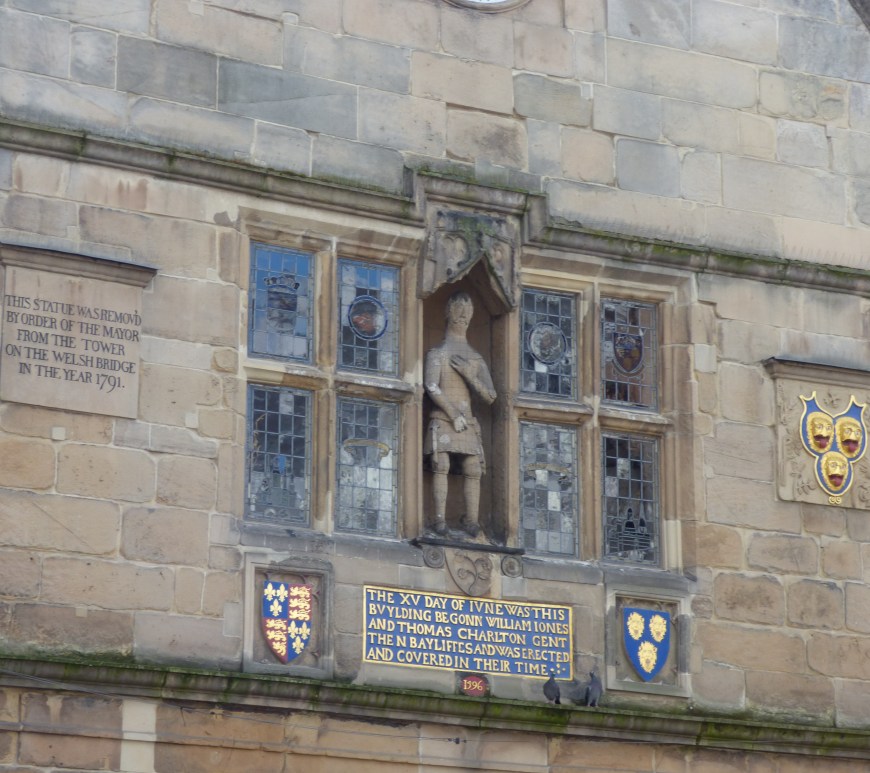
The town of Shrewsbury and the Wars of the Roses: The campaigns of 1459-61

Dr Simon Payling, of our Commons 1461-1504 section, explores the political allegiance of the Shropshire town of Shrewsbury during the Wars of the Roses. While, during the Wars of the Roses, the political allegiances of individual noblemen are relatively easy to determine, those of individual towns are generally obscured. This is not surprising, for the notion of the corporate allegiance of a town is a … Continue reading The town of Shrewsbury and the Wars of the Roses: The campaigns of 1459-61

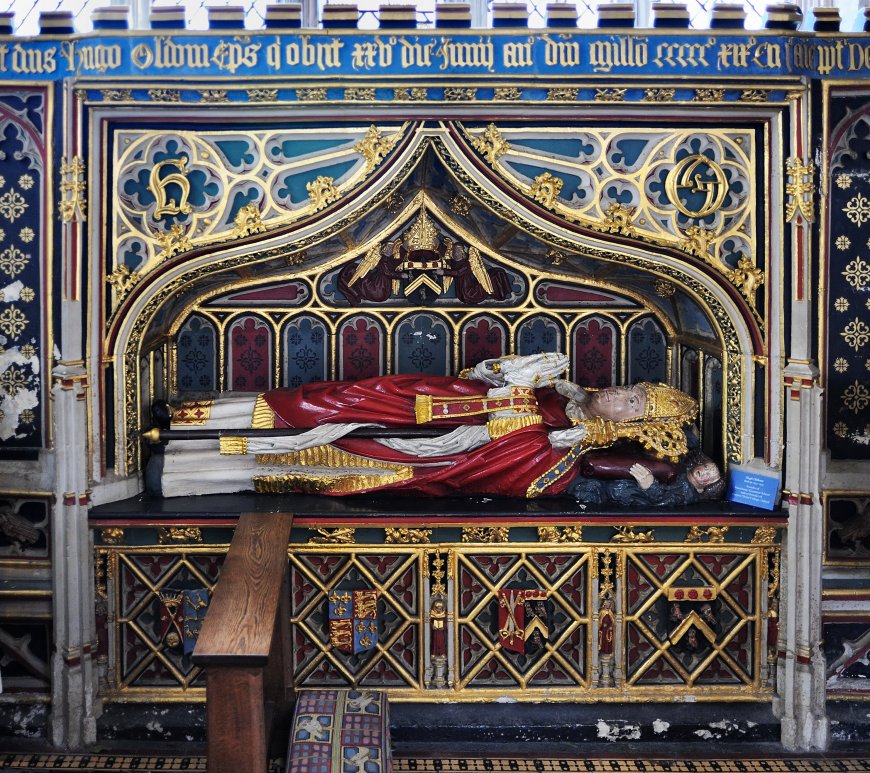
Hugh Oldham, bishop of Exeter, ‘hath more poison in that grete fowle bely of hys then all the Bysshoppes in Englond’: scandalum magnatum in early-sixteenth century England

For the first article of 2025, Dr Simon Payling of our Commons 1461-1504 Section, explores the use of a unique form of medieval defamation law in the early 16th century. Hugh Oldham (c.1450-1519), bishop of Exeter from 1505, has had a good press from historians. Described by the Exeter MP and chronicler, John Hooker alias Vowell (d. 1601), ‘as a great favourer and a friend … Continue reading Hugh Oldham, bishop of Exeter, ‘hath more poison in that grete fowle bely of hys then all the Bysshoppes in Englond’: scandalum magnatum in early-sixteenth century England

A disputed election in the wake of the battle of Bosworth: the Shropshire election of 1485

Following the battle of Bosworth and Henry Tudor’s accession to the English throne, the country’s gentry who had sided with Henry seemed destined to be elected to Parliament uncontested. However, as Dr Simon Payling of our Commons 1461-1504 project explores, this was not always the case… Election disputes were rare in late-medieval England. Indeed, it was not until the early fifteenth-century that any legal framework … Continue reading A disputed election in the wake of the battle of Bosworth: the Shropshire election of 1485